
Does Your Clinic Need an Ultrasonic Cavitation Fat Loss Device?
In the rapidly evolving world of aesthetic treatments and wellness solutions, clinics are constantly exploring new technologies to meet the demands of their clients. One of the most sought-after non-invasive fat loss procedures is ultrasonic cavitation. But the big question for many clinic owners is, "Does your clinic actually need an ultrasonic cavitation fat loss device?"

Comprehensive Analysis of Ultrasonic Cavitation: A Non-Invasive Solution for Fat Reduction
1. Introduction to Ultrasonic Cavitation
Ultrasonic cavitation has emerged as a revolutionary advancement in the field of aesthetic medicine, particularly within the realm of non-invasive fat reduction. Leveraging the principles of high-frequency ultrasound waves, this technology disrupts adipose tissue without the need for surgical incisions, anesthesia, or extended recovery periods. The process involves the generation of low-frequency ultrasound waves that create controlled micro-bubbles within the targeted fat cells. As these bubbles implode, they generate localized pressure, leading to the mechanical disruption of fat cell membranes. The liberated triglycerides and cellular debris are then metabolized by the body's lymphatic system and eliminated naturally.
The appeal of ultrasonic cavitation lies in its ability to provide measurable results while prioritizing patient comfort. Unlike traditional liposuction, which involves significant downtime and potential complications, ultrasonic cavitation offers a minimally invasive alternative that aligns with modern consumer preferences for convenience, safety, and efficacy.
2. Market Demand and Industry Trends
The global aesthetic and wellness industry has witnessed a paradigm shift toward non-invasive cosmetic procedures, driven by technological advancements and evolving consumer expectations. According to market research by Grand View Research, the non-invasive fat reduction market is projected to reach $2.1 billion by 2028, growing at a CAGR of 10.7% from 2021 to 2028. This growth is fueled by several factors:
- Consumer Preference for Non-Surgical Solutions: A growing number of patients prioritize treatments that offer immediate results without the risks associated with surgery.
- Technological Innovations: Advances in ultrasound technology have enhanced precision, safety, and efficacy, making ultrasonic cavitation a viable option for both practitioners and patients.
- Social Media and Aesthetic Influences: The rise of social media platforms has heightened awareness of body contouring trends, encouraging individuals to seek non-invasive alternatives to traditional liposuction.
Clinics adopting ultrasonic cavitation technologies are experiencing increased client retention and referral rates, as patients appreciate the convenience of in-office treatments with minimal disruption to daily activities.
3. Strategic Benefits for Aesthetic Clinics
Incorporating ultrasonic cavitation into a clinic's service portfolio offers several competitive advantages:
3.1 Diversification of Service Offerings
By introducing ultrasonic cavitation, clinics can cater to a broader demographic, including patients who are hesitant about surgical interventions. This expansion positions the clinic as a one-stop destination for comprehensive body contouring solutions, enhancing its market differentiation.
3.2 Revenue Growth Opportunities
The non-invasive fat reduction segment commands premium pricing due to its technological sophistication and patient-centric benefits. Clinics equipped with ultrasonic cavitation devices can capitalize on this trend by:
- Attracting New Clientele: Targeting health-conscious individuals seeking gradual, sustainable fat loss.
- Upselling and Cross-Selling: Combining ultrasonic cavitation with complementary treatments like radiofrequency skin tightening or lymphatic drainage massages.
- Recurring Revenue Models: Offering package deals or maintenance sessions to ensure long-term client engagement.
3.3 Enhanced Brand Reputation
Adopting cutting-edge technology positions the clinic as an industry leader, fostering trust and credibility among patients. Positive word-of-mouth referrals and online reviews can significantly boost the clinic's visibility and patient acquisition rates.
4. Critical Considerations for Investment
While ultrasonic cavitation presents a lucrative opportunity, clinics must conduct a thorough feasibility analysis before committing to the investment. Key considerations include:
4.1 Financial Viability
- Initial Capital Outlay: The cost of acquiring an ultrasonic cavitation device ranges from 50,000, depending on the manufacturer, features, and warranty.
- Operational Expenses: Factor in recurring costs such as maintenance, consumables, and software updates.
- Return on Investment (ROI): Estimate the break-even point by analyzing patient volume, treatment pricing, and overhead costs. A conservative ROI timeline of 12–18 months is typical.
4.2 Staff Training and Certification
- Comprehensive Training Programs: Ensure that the device manufacturer provides hands-on training on device operation, patient selection criteria, and treatment protocols.
- Certification Requirements: Verify that staff members obtain certifications from recognized bodies, such as the American Society for Laser Medicine and Surgery (ASLMS) or the International Association for Physicians in Aesthetic Medicine (IAPAM).
- Ongoing Professional Development: Encourage continuous learning to stay updated with evolving best practices and safety guidelines.
4.3 Infrastructure and Space Optimization
- Clinic Layout: Allocate dedicated treatment rooms equipped with adjustable lighting, privacy screens, and ergonomic patient beds.
- Safety Compliance: Ensure that the clinic adheres to local regulations regarding electrical safety, waste disposal, and infection control.
- Patient Experience: Create a calming environment with pre- and post-treatment amenities, such as consultation lounges and recovery areas.

5. Comparative Analysis with Alternative Fat Loss Technologies
Ultrasonic cavitation competes with other non-invasive fat reduction modalities, each with distinct advantages and limitations:
| Technology | Mechanism of Action | Key Advantages | Limitations | Ideal Candidate Profile |
|---|---|---|---|---|
| Ultrasonic Cavitation | Mechanical disruption of fat cells via ultrasound | - Painless, non-thermal procedure - Immediate return to activities - Suitable for all skin types |
- Limited to localized fat deposits - Multiple sessions may be required |
Busy professionals seeking minimal downtime |
| Cryolipolysis (Fat Freezing) | Controlled cooling to induce apoptosis of fat cells | - FDA-approved for multiple body areas - Long-lasting results |
- Temporary discomfort from cold exposure - Risk of paradoxical adipose hyperplasia |
Patients with pinchable fat in specific zones |
| Laser Lipolysis | Laser energy to liquefy fat cells and tighten skin | - Dual benefit of fat reduction and skin tightening - Precise targeting |
- Higher risk of burns or scarring - Longer recovery time |
Patients with mild to moderate skin laxity |
Ultrasonic cavitation distinguishes itself through its pain-free approach and adaptability to various body areas, making it a preferred choice for patients with low pain tolerance or those seeking a gentle yet effective solution.
6. Regulatory and Safety Compliance
Adherence to regulatory standards is non-negotiable in aesthetic medicine. Clinics must:
- Device Certification: Ensure that the ultrasonic cavitation device is FDA-cleared or CE-marked, indicating compliance with safety and performance benchmarks.
- Patient Screening: Conduct thorough medical histories to exclude contraindications, such as pregnancy, autoimmune disorders, or metal implants.
- Informed Consent: Provide detailed pre-treatment documentation outlining risks, benefits, and aftercare instructions.
- Post-Treatment Monitoring: Schedule follow-up appointments to assess progress and address any concerns.
7. Decision-Making Framework for Investment
To determine the feasibility of integrating ultrasonic cavitation, clinics should follow a structured approach:
7.1 Market Analysis
- Competitor Benchmarking: Identify local clinics offering similar services and assess their pricing, marketing strategies, and patient reviews.
- Demand Forecasting: Use demographic data and social media trends to estimate the potential patient pool.
7.2 Financial Modeling
- Cost-Benefit Analysis: Quantify the initial investment, operational costs, and projected revenue.
- Sensitivity Analysis: Evaluate the impact of variables like patient volume fluctuations or pricing adjustments on profitability.
7.3 Expert Consultation
- Vendor Demonstrations: Request live device demonstrations to assess ease of use and treatment efficacy.
- Peer Networking: Engage with industry peers to gather insights on real-world experiences and ROI timelines.
7.4 Pilot Program
- Soft Launch: Offer a limited-time promotional package to gauge patient interest and refine treatment protocols.
- Feedback Collection: Use surveys or focus groups to identify areas for improvement.
Conclusion
Adding an ultrasonic cavitation fat loss device to your clinic can be a strategic move to stay ahead in a competitive market. By offering an in-demand procedure that aligns with consumer preferences for non-invasive, painless solutions, you can elevate your clinic’s status and profitability.
Evaluate the outlined benefits and considerations thoroughly, ensuring you make the best choice for your business and clients alike. Investing in advanced technologies like ultrasonic cavitation can propel your clinic towards success, meeting the ever-growing demand for effective aesthetic treatments.
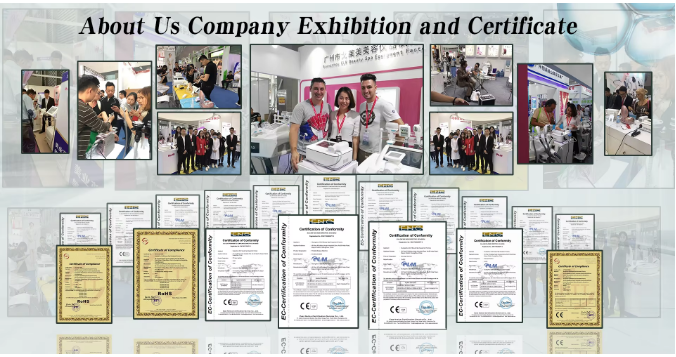
GLM is a specialized beauty instrument factory that produces instruments for a variety of functions, including weight loss devices. We have vacuum negative press, radio frequency fat blasting equipment, frozen fat dissolving machine and EMS body shaping machine. GLM is a 14 year old supplier of beauty instruments with guaranteed quality.https://gdglmbeauty.com/