
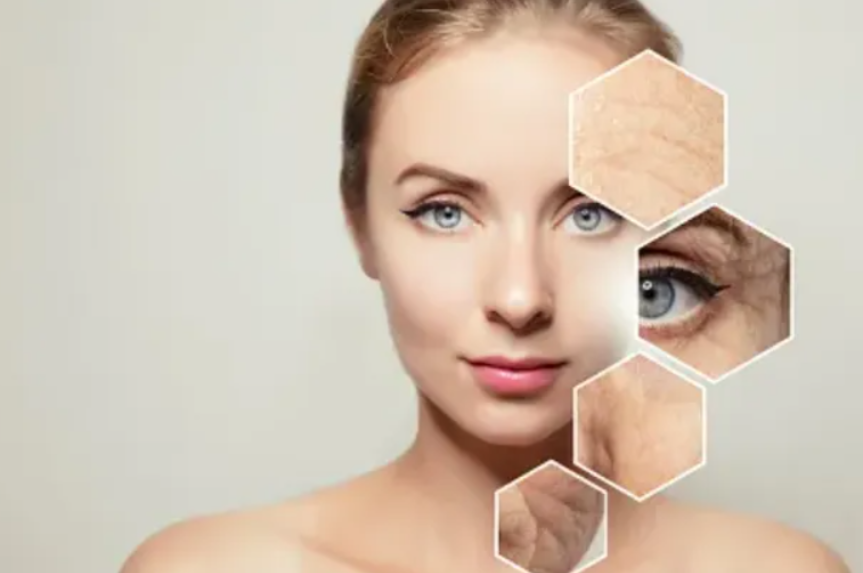
What are the Most Effective Methods for Firming Skin After Weight Loss?
Losing weight is an incredible achievement, but it often comes with an unfortunate side effect – loose or sagging skin. The good news is that there are several effective methods to firm and tighten your skin after weight loss. In this article, we will explore these methods and provide you with valuable tips to enhance your skin's elasticity and overall appearance.
Understanding the Causes of Loose Skin: A Comprehensive Look
Loose skin, a common aftermath of significant weight loss or other physiological changes, can be a source of frustration and self-consciousness for many individuals. To effectively address this issue, it's essential to delve deeper into the underlying causes that contribute to skin laxity. By understanding the mechanisms behind loose skin, we can better appreciate the complexity of the problem and identify targeted solutions.
Genetic Factors
One of the primary reasons why some individuals experience more pronounced loose skin than others is genetics. Genetics play a significant role in determining the skin's natural elasticity, structure, and ability to bounce back after changes such as weight loss. Some people are genetically predisposed to having thinner skin with fewer collagen fibers, making their skin more prone to sagging.
Age
Age is another critical factor influencing skin laxity. As we grow older, our skin's production of collagen and elastin, the two proteins primarily responsible for maintaining skin firmness and elasticity, decreases. This natural decline in collagen and elastin production leads to a loss of skin tone and resilience, making it more susceptible to sagging, particularly after significant weight loss.
Rapid Weight Loss
Rapid weight loss, whether through diet, exercise, or bariatric surgery, can also contribute to loose skin. When weight is lost rapidly, the skin may not have enough time to adjust and shrink along with the underlying tissue. This rapid change in volume can stretch the skin beyond its natural ability to retract, resulting in a loss of elasticity and the appearance of sagging skin.
Loss of Fat Volume
Another factor contributing to loose skin is the loss of fat volume. Fat cells play an important role in supporting and giving structure to the skin. When a significant amount of fat is lost, the skin can lose its underlying support, leading to sagging. This is particularly noticeable in areas such as the abdomen, thighs, and upper arms, where fat deposits tend to be more prominent.
Hormonal Changes
Hormonal changes, particularly during pregnancy or menopause, can also affect skin elasticity. During pregnancy, the skin stretches significantly to accommodate the growing fetus, and sometimes, despite the skin's natural elasticity, it may not fully return to its pre-pregnancy state. Similarly, during menopause, the body undergoes significant hormonal shifts that can impact collagen production and contribute to skin laxity.
Lifestyle Factors
Lifestyle factors, such as smoking, poor nutrition, and lack of exercise, can also contribute to loose skin. Smoking, for example, damages collagen and elastin fibers, reducing skin elasticity and accelerating the aging process. Poor nutrition can lead to a deficiency in essential nutrients that support skin health, while a sedentary lifestyle can lead to decreased circulation and reduced collagen production.
In conclusion, loose skin is a complex issue with multiple contributing factors, including genetics, age, rapid weight loss, loss of fat volume, hormonal changes, and lifestyle habits. Understanding these causes is crucial for developing effective strategies to address skin laxity and achieve a firmer, more toned appearance.
The Significance of Embracing a Healthy Lifestyle: A Holistic Approach to Firmer Skin Post-Weight Loss
Achieving and maintaining a healthy lifestyle is paramount not only for our physical wellbeing but also for the vitality and appearance of our skin. When it comes to firming skin after weight loss, adopting a holistic approach that encompasses nutrition, hydration, and regular exercise can yield remarkable results. Here's a detailed exploration of how each aspect of a healthy lifestyle contributes to healthier, more toned skin.
Nutritious Diet: Fueling Skin Health from Within
A balanced and nutritious diet is the cornerstone of a healthy lifestyle and plays a vital role in promoting skin health. Fruits and vegetables are rich in antioxidants, vitamins, and minerals that support collagen production, the protein responsible for skin's elasticity and firmness. For instance, berries are packed with vitamin C, which stimulates collagen synthesis, while leafy greens like spinach and kale are excellent sources of iron, essential for healthy blood flow to the skin.

Lean proteins, such as chicken, fish, and tofu, provide the building blocks for skin repair and regeneration. These high-quality proteins help to strengthen skin tissue and promote a more youthful complexion. Additionally, healthy fats found in nuts, avocados, and olive oil nourish the skin, keeping it supple and hydrated.
Hydration: The Key to Glowing Skin
Proper hydration is crucial for maintaining skin firmness and elasticity. Water is essential for flushing out toxins, delivering nutrients to skin cells, and regulating body temperature. When the body is dehydrated, it can lead to dryness, fine lines, and a dull complexion. Drinking plenty of water throughout the day is the simplest and most effective way to keep your skin hydrated and looking its best.
Remember, hydration doesn't stop at water intake. Eating water-rich foods like watermelon, cucumber, and oranges can also contribute to your daily hydration needs.
Regular Exercise: Boosting Circulation and Muscle Tone
Regular exercise is another essential component of a healthy lifestyle that can significantly impact skin health. Exercise promotes circulation, ensuring that oxygen and nutrients are efficiently delivered to skin cells. This process supports collagen production and helps to flush out waste products, resulting in brighter, more radiant skin.
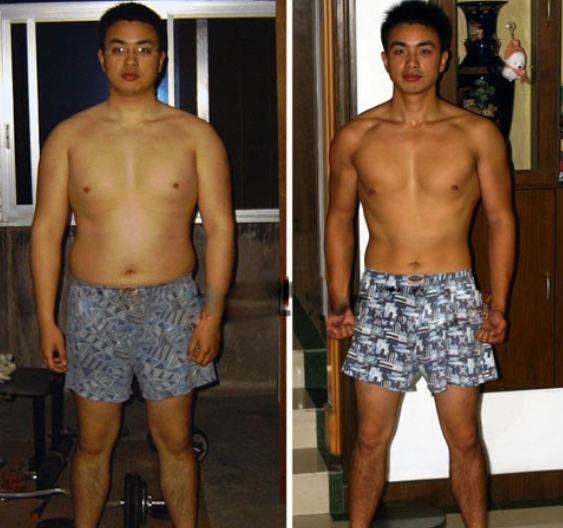
Strength training exercises, in particular, can be highly beneficial for firming skin after weight loss. By building muscle, you can help fill out loose areas and create a more toned appearance. Combining strength training with cardiovascular activities, such as running, swimming, or cycling, can further enhance your results by improving overall fitness and promoting weight loss.
Remember, consistency is key when it comes to exercise. Regularly engaging in physical activity will not only improve your skin's appearance but also boost your mood, energy levels, and overall health.
Incorporating Strength Training Exercises into Your Routine: A Comprehensive Guide for Firmer Skin Post-Weight Loss
Strength training exercises are an indispensable component of any fitness journey aimed at firming loose skin after weight loss. By strengthening and toning the underlying muscles, you can create a more sculpted and taut appearance, enhancing the overall firmness and health of your skin. In this detailed expansion, we'll explore the benefits of strength training, the key exercises to include in your routine, and strategies for maximizing your results.
Understanding the Benefits of Strength Training
- Improved Muscle Tone and Skin Firmness: As you engage in strength training, your muscles become stronger and more defined. This process helps to fill out loose areas, resulting in a more toned and firmer appearance.
- Increased Metabolism: Strength training builds muscle mass, which in turn, increases your resting metabolic rate. This means your body burns more calories even at rest, making it easier to maintain a healthy weight.
- Improved Posture and Body Alignment: Strong core muscles and well-developed upper and lower body strength contribute to better posture and alignment, further enhancing your overall appearance.
- Reduced Risk of Injury: By strengthening the muscles and connective tissues around your joints, strength training can help prevent injuries during everyday activities and other forms of exercise.

Key Strength Training Exercises for Skin Firmness
- Push-Ups: A classic exercise that targets the chest, shoulders, triceps, and core. Start with wall push-ups or knee push-ups if full push-ups are too challenging and gradually progress to standard push-ups.
- Squats: Excellent for toning the legs, glutes, and core. Ensure your knees don't extend beyond your toes and keep your back straight as you lower yourself into a seated position and then return to standing.
- Lunges: Another great leg exercise that targets the quadriceps, hamstrings, glutes, and core. Alternate legs with each lunge for a balanced workout.
- Planks: A staple of core strength training, planks work the abdominal muscles, lower back, and shoulders. Hold the plank position for as long as you can, gradually increasing your endurance over time.
- Deadlifts: This compound exercise targets the entire posterior chain, including the glutes, hamstrings, lower back, and core. Use proper form and a controlled movement to avoid injury.
Maximizing Your Results
- Consistency and Progression: Aim to incorporate strength training into your routine at least two to three times a week. Gradually increase the intensity and resistance of your exercises as you become stronger to continue challenging your muscles.
- Proper Form: Always prioritize proper form over weight or repetitions. Incorrect form can lead to injury and diminish the effectiveness of your workouts.
- Rest and Recovery: Allow your muscles time to recover and rebuild after strength training sessions. Aim for at least one rest day between strength training workouts to prevent overtraining and ensure optimal results.
- Diet and Hydration: Remember, strength training is just one aspect of a holistic approach to skin firmness. Complement your workouts with a nutritious diet rich in lean proteins, fruits, vegetables, and healthy fats, and stay hydrated to support muscle recovery and skin health.
By incorporating strength training exercises into your routine and combining them with proper nutrition, hydration, and rest, you can significantly improve the firmness and overall appearance of your skin post-weight loss. Be patient and consistent with your workouts, and over time, you'll see and feel the difference in your body.
Utilizing Skincare Products and Techniques for Enhanced Skin Firmness Post-Weight Loss
Maintaining a healthy lifestyle and engaging in strength training are vital for achieving and maintaining skin firmness after weight loss. However, incorporating targeted skincare products and techniques can significantly amplify these efforts, further enhancing the appearance and health of your skin.

Choosing the Right Skincare Products
-
Moisturizers and Creams with Collagen-Boosting Ingredients: Moisturizing is essential for maintaining skin hydration, which is crucial for skin elasticity and firmness. Look for moisturizers and creams enriched with ingredients known to stimulate collagen production, such as retinol, hyaluronic acid, and vitamin C. Retinol promotes cell turnover and collagen synthesis, while hyaluronic acid attracts and retains moisture, plumping up the skin. Vitamin C not only boosts collagen production but also protects against free radical damage, reducing the signs of aging.
-
Antioxidant-Rich Serums: Antioxidants like niacinamide, green tea extract, and ferulic acid help neutralize harmful free radicals that can damage skin cells and contribute to skin sagging. Incorporating antioxidant-rich serums into your skincare routine can protect your skin from environmental stressors and support overall skin health.
Exfoliation for Smoother, Firmer Skin
Exfoliation is a crucial step in removing dead skin cells and promoting healthy cell turnover. This process helps reveal brighter, smoother, and more even-toned skin, while also contributing to a firmer appearance.
- Physical Exfoliation: Physical exfoliants, such as scrubs containing microbeads or natural exfoliants like sugar or salt, gently slough off dead skin cells through friction. Choose a product that is gentle enough for your skin type and avoid over-exfoliating, which can irritate and damage the skin.
- Chemical Exfoliation: Chemical exfoliants, including alpha-hydroxy acids (AHAs) like glycolic acid and lactic acid, and beta-hydroxy acids (BHAs) like salicylic acid, work by dissolving the bonds between dead skin cells. These products penetrate deeper into the skin, making them more effective at addressing skin texture and dullness. Start with a low concentration and gradually increase as your skin adjusts.

Facial Exercises and Massage Techniques
Facial exercises and massage techniques can be beneficial for toning facial muscles and improving circulation, which can lead to a more lifted and tightened appearance.
- Facial Exercises: Facial exercises target specific muscle groups in the face, just like strength training exercises for the body. Simple exercises like smiling widely, puckering your lips, and making fish faces can help tone the cheek muscles and improve facial contour. Remember, results may take time and consistency is key.
- Facial Massage: Facial massage techniques use gentle pressure and stroking motions to stimulate blood flow and lymphatic drainage, reducing puffiness and promoting a more youthful appearance. Use your fingertips or a facial massage tool to massage your face in upward and outward motions, focusing on areas prone to sagging like the jawline and cheekbones.
By incorporating these skincare products and techniques into your routine, you can further enhance skin firmness and overall skin health post-weight loss. Remember to be gentle with your skin, listen to your body, and adjust your routine as needed to achieve the best results.
Surgical Options for Skin Tightening: A Comprehensive Guide
When non-surgical methods for skin tightening have fallen short, surgical interventions may offer a more significant and lasting solution. It's important to note that considering surgical options should always be preceded by a thorough consultation with a qualified dermatologist or plastic surgeon. These experts can assess your individual needs, discuss the available procedures, and help you make an informed decision.
Common Surgical Options for Skin Tightening
- Body Contouring Surgeries:
- Tummy Tuck (Abdominoplasty): This procedure is designed to address loose skin and excess fat in the abdominal area, often a common concern after significant weight loss or pregnancy. During a tummy tuck, the surgeon removes excess skin and fat, tightens the abdominal muscles, and redrapes the remaining skin for a flatter, more toned appearance.
- Arm Lift (Brachioplasty): Arm lifts target loose skin and fat deposits on the upper arms, resulting in a more sculpted and toned arm contour. The surgeon removes excess skin and fat from the undersides of the arms, tightening and smoothing the area.
- Thigh Lift: Similar to arm lifts, thigh lifts address loose skin and excess fat on the thighs, often caused by weight loss or aging. The procedure involves removing excess tissue and tightening the remaining skin to create a more toned and proportionate appearance.
- Facial Rejuvenation Surgeries:
- Facelift (Rhytidectomy): A facelift is a surgical procedure that addresses sagging skin, wrinkles, and loss of facial volume. The surgeon lifts and tightens the skin and underlying tissues of the face and neck, restoring a more youthful and refreshed appearance.
- Eyelid Surgery (Blepharoplasty): Eyelid surgery focuses on removing excess skin and fat from the upper and/or lower eyelids, improving the appearance of droopy or puffy eyelids. This procedure can help rejuvenate the eye area and make you look more rested and alert.

Important Considerations Before Surgery
- Risks and Complications: While surgical options can be highly effective, they do come with potential risks and complications, including infection, bleeding, scarring, and adverse reactions to anesthesia. It's crucial to discuss these risks with your surgeon and weigh them against the potential benefits.
- Recovery Time: Surgical procedures typically require a longer recovery period than non-surgical treatments. You may need to take time off work and avoid certain activities during your recovery.
- Cost: Surgical options can be costly, and the total cost will depend on the specific procedure, the surgeon's fees, and any additional expenses such as anesthesia and hospital stays.
Consultation with a Professional
Before deciding on any surgical option, it's essential to consult with a qualified and experienced dermatologist or plastic surgeon. During the consultation, your surgeon will assess your skin condition, discuss your goals and expectations, and recommend the most appropriate procedure based on your individual needs. They will also provide you with detailed information about the procedure, including the risks, recovery time, and cost.
Ultimately, surgical options for skin tightening can be a valuable tool for achieving a more sculpted and toned appearance. However, it's important to approach these procedures with caution, careful consideration, and the guidance of a trusted professional.
Lifestyle Habits to Enhance Skin Firmness: A Comprehensive Guide
Achieving and maintaining firm, healthy skin is a multifaceted endeavor that extends beyond mere skincare routines and surgical interventions. Embracing certain lifestyle habits can significantly contribute to enhancing skin firmness and overall wellness. Here's a detailed exploration of some key practices that can help you on your journey towards more youthful-looking skin.
1. Sun Protection: The Cornerstone of Skin Health
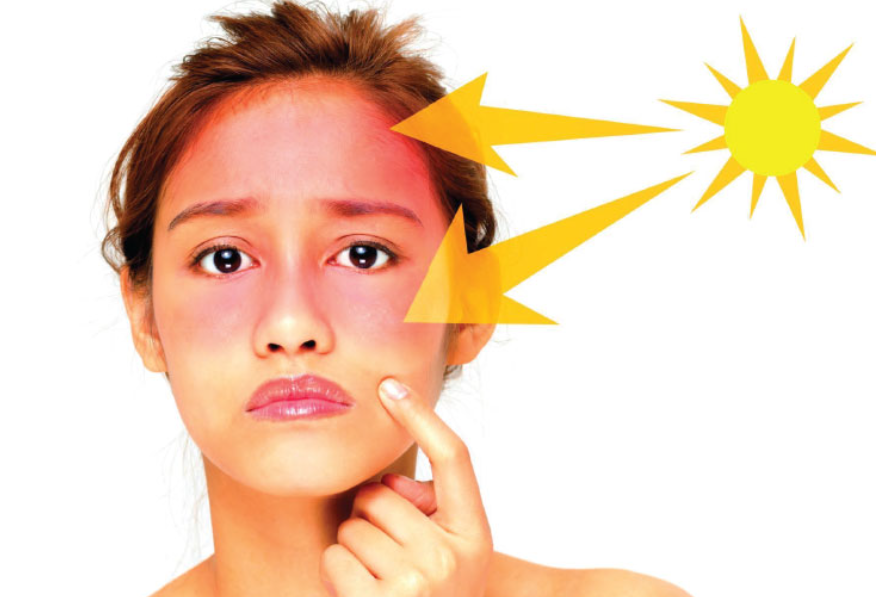
Excessive sun exposure is one of the primary culprits behind premature skin aging and loss of elasticity. UV radiation damages collagen and elastin fibers, leading to wrinkles, sagging, and discoloration. To protect your skin, it's crucial to:
- Wear Sunscreen Daily: Choose a broad-spectrum sunscreen with an SPF of at least 30 that protects against both UVA and UVB rays. Apply it generously and reapply every two hours or immediately after swimming or sweating.
- Seek Shade: Avoid direct sun exposure during peak hours, typically between 10 am and 4 pm, when UV radiation is strongest.
- Wear Protective Clothing: Cover up with long-sleeved shirts, pants, wide-brimmed hats, and sunglasses to provide an extra layer of protection.
2. Quit Smoking: A Vital Step for Skin Health
Smoking is a significant contributor to premature aging and skin damage. The nicotine and other harmful chemicals in cigarettes accelerate the breakdown of collagen and elastin, leading to increased skin sagging, wrinkles, and a dull complexion. Quitting smoking can:
- Improve Skin Elasticity: By halting the damage caused by smoking, your skin can begin to repair itself, resulting in improved firmness and elasticity.
- Enhance Circulation: Smoking constricts blood vessels, reducing oxygen and nutrient flow to the skin. Quitting can improve circulation, promoting healthier skin cells.
- Reduce Inflammation: Smoking triggers inflammation throughout the body, including in the skin. By quitting, you can reduce inflammation and its associated damaging effects.

3. Moderate Alcohol Consumption: A Key to Hydrated Skin
Excessive alcohol intake can dehydrate your skin, exacerbating the breakdown of collagen and elastin. To maintain skin hydration and firmness, consider:
- Drinking in Moderation: Limit your alcohol consumption to avoid dehydration and its negative impact on skin health.
- Staying Hydrated: Ensure you're drinking plenty of water throughout the day to keep your skin hydrated and nourished.
- Balancing Your Diet: Eating a balanced diet rich in fruits, vegetables, and healthy fats can also help maintain skin hydration and support collagen production.

4. Exercise and Strength Training: Boosting Skin Firmness from Within
Regular exercise, particularly strength training, can play a significant role in enhancing skin firmness. Exercise:
- Promotes Circulation: Improved blood flow to the skin delivers oxygen and nutrients essential for healthy skin cells and collagen production.
- Builds Muscle Mass: Increased muscle mass beneath the skin can help provide a more toned and sculpted appearance.
- Reduces Stress: Exercise can help alleviate stress, a known trigger for skin aging and inflammation.

5. Holistic Approach: A Comprehensive Strategy
Firming your skin after weight loss or simply maintaining healthy skin requires a holistic approach that encompasses all aspects of your lifestyle. In addition to the practices mentioned above, consider:
- Healthy Diet: Eating a balanced diet rich in antioxidants, vitamins, and minerals can support skin health and promote collagen production.
- Adequate Sleep: Getting enough sleep is crucial for skin repair and rejuvenation. Aim for 7-9 hours of quality sleep each night.
- Stress Management: Chronic stress can negatively impact skin health. Find healthy ways to manage stress, such as meditation, yoga, or deep breathing exercises.
By adopting these lifestyle habits and incorporating them into your daily routine, you can significantly enhance your skin's firmness and overall health. Remember, firming your skin is a journey that requires time, patience, and consistency. Embrace the process, celebrate your achievements, and enjoy the rewards of a healthier and more youthful-looking body!