
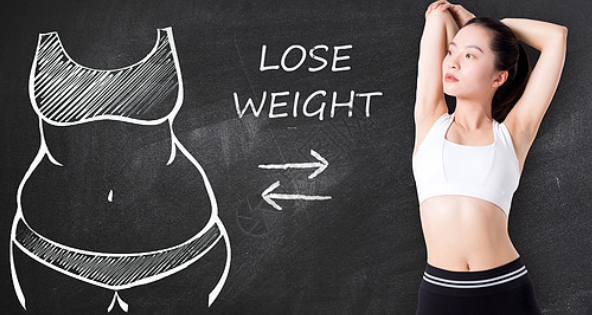
What are effective methods to lose abdominal fat and get rid of belly fat?
Excess abdominal fat not only affects your appearance but can also pose serious health risks, such as diabetes, heart disease, and high blood pressure. If you're looking to shed those extra pounds around your midsection, you've come to the right place. In this article, we'll explore various effective methods to lose abdominal fat and achieve a trimmer waistline.
Understanding Abdominal Fat: A Comprehensive Guide
When it comes to achieving a toned and healthy physique, addressing abdominal fat is often a primary concern for many individuals. To effectively tackle this issue, it's crucial to have a comprehensive understanding of the nature of abdominal fat, its types, and the various factors that contribute to its accumulation.

Types of Abdominal Fat
Visceral Fat
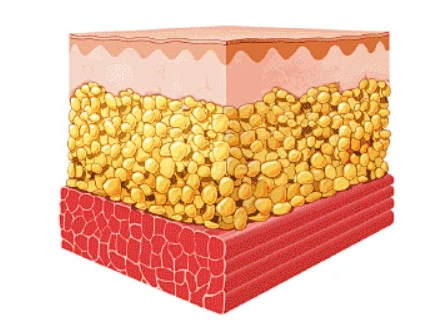
Visceral fat, also known as intra-abdominal fat or belly fat, is the type of fat that accumulates around your internal organs, primarily in the abdominal cavity. This type of fat is particularly concerning because it has been linked to a wide range of health risks, including:
- Increased risk of heart disease: Visceral fat can contribute to the development of atherosclerosis, a condition where plaque builds up in the arteries, increasing the risk of heart attack and stroke.
- Type 2 diabetes: Excess visceral fat is associated with insulin resistance, a precursor to type 2 diabetes.
- High blood pressure: This type of fat is also linked to elevated blood pressure, which can damage blood vessels and organs over time.
- Metabolic syndrome: Accumulation of visceral fat is often a component of metabolic syndrome, a cluster of conditions that increase the risk of heart disease, stroke, and diabetes.
Subcutaneous Fat
Subcutaneous fat, on the other hand, is the fat that lies directly beneath the skin. While it doesn't pose the same health risks as visceral fat, it can contribute to a noticeable belly bulge and affect one's self-esteem. This type of fat is more visible and can be influenced by factors such as genetics, diet, and exercise habits.
Factors Contributing to Abdominal Fat Accumulation
Understanding the factors that contribute to abdominal fat accumulation is essential for developing an effective strategy to reduce it. Here are some of the key factors:
- Genetics: Your genetic makeup plays a significant role in determining where your body stores fat. Some individuals may be predisposed to accumulating more abdominal fat than others.
- Hormonal Changes: Hormonal fluctuations, such as those experienced during puberty, pregnancy, and menopause, can affect fat distribution, leading to increased abdominal fat.
- Poor Diet: Consuming a diet high in processed foods, sugary drinks, and unhealthy fats can contribute to weight gain and abdominal fat accumulation.
- Lack of Physical Activity: Sedentary lifestyles and inadequate physical activity can lead to weight gain and increased abdominal fat.
- Stress: Chronic stress can trigger the release of cortisol, a hormone that promotes fat storage, particularly in the abdominal region.
Strategies for Reducing Abdominal Fat
Given the complex nature of abdominal fat and its associated health risks, a multi-faceted approach is often necessary for effective reduction. Here are some strategies to consider:
- Healthy Diet: Focus on a balanced diet rich in whole foods, lean proteins, fruits, vegetables, and healthy fats. Limit your intake of processed foods, sugary drinks, and unhealthy fats.
- Regular Physical Activity: Engage in regular cardio exercise, such as walking, jogging, cycling, or swimming, to burn calories and promote weight loss. Incorporate strength training to build muscle mass, which can increase your metabolism and help burn more calories at rest.
- Stress Management: Practice stress-reducing techniques such as meditation, yoga, or deep breathing exercises to help manage cortisol levels and reduce abdominal fat accumulation.
- Adequate Sleep: Ensure you're getting enough quality sleep each night. Lack of sleep can disrupt hormone balance and increase hunger hormones, leading to increased abdominal fat.
- Targeted Abdominal Exercises: While exercises alone won't eliminate abdominal fat, incorporating targeted abdominal exercises into your routine can help tone your core muscles and improve your overall physique.
In conclusion, understanding the nature of abdominal fat and the factors that contribute to its accumulation is the first step towards effective reduction. By adopting a comprehensive approach that includes healthy eating, regular physical activity, stress management, and targeted exercises, you can work towards achieving a flatter, more toned abdomen and improve your overall health.
Expanding on the effective methods to lose abdominal fat, let's delve deeper into each strategy, providing actionable tips and insights for individuals seeking to achieve a healthier physique.
1. Healthy Diet: The Cornerstone of Weight Loss
A balanced and nutritious diet is the foundation upon which any successful weight loss journey is built. To target abdominal fat specifically, it's essential to focus on nutrient-dense foods that support fat-burning processes in the body.
- Whole Foods: Incorporate whole grains, beans, legumes, nuts, and seeds into your meals. These foods are rich in fiber, which helps promote satiety, slows digestion, and regulates blood sugar levels, all of which contribute to weight loss.
- Fruits & Vegetables: Aim for a rainbow of colors on your plate to ensure a variety of vitamins, minerals, and antioxidants. Low in calories and high in fiber, fruits and vegetables can be a satisfying snack or meal component without adding significant caloric load.
- Lean Proteins: Choose lean meats like chicken, turkey, and fish, as well as plant-based sources like tofu, tempeh, and beans. Proteins are essential for muscle repair and growth, which boosts metabolism and aids in fat burning.
- Healthy Fats: Incorporate monounsaturated and polyunsaturated fats from sources like avocados, nuts, seeds, olive oil, and fatty fish. These fats support heart health and can aid in satiety, reducing cravings for unhealthy snacks.
- Portion Control & Mindful Eating: Use smaller plates, measure out servings, and take time to savor each bite. Practice eating slowly, allowing your body to register fullness signals before overeating.
2. Regular Exercise: The Catalyst for Change
Regular physical activity is crucial for burning calories and shaping your midsection. A combination of cardio and strength training is optimal.
- Cardio Exercise: Aim for at least 150 minutes of moderate-intensity cardio or 75 minutes of vigorous-intensity cardio per week. This can include running, cycling, swimming, brisk walking, or dancing. Cardio exercises elevate your heart rate, increasing calorie burn and promoting overall fat loss.
- Strength Training: Twice-weekly strength training sessions targeting all major muscle groups, including the abs, can help build lean muscle mass. As muscle mass increases, your body's resting metabolic rate (RMR) also rises, meaning you burn more calories even at rest. Focus on compound exercises that engage multiple muscle groups simultaneously, such as squats, deadlifts, and lunges, along with specific abdominal exercises.
- HIIT (High-Intensity Interval Training): Incorporating HIIT workouts can be particularly effective for burning fat, including abdominal fat. These short, intense sessions alternate between high-intensity bursts of exercise and periods of rest or low-intensity activity.
3. Stress Management: The Overlooked Factor
Stress not only impacts your mental well-being but also contributes to weight gain, particularly around the midsection. Managing stress is essential for overall health and weight loss.
- Meditation & Mindfulness: Regular meditation practice can help reduce stress levels and improve emotional well-being. Even a few minutes of daily mindfulness can make a difference.
- Deep Breathing: Simple deep breathing exercises can activate the parasympathetic nervous system, promoting relaxation and reducing stress hormones.
- Yoga & Tai Chi: These ancient practices combine physical movement with mindfulness and breathing techniques, offering a holistic approach to stress reduction.
- Sleep: Prioritize getting 7-9 hours of quality sleep each night. Sleep deprivation can disrupt hormone levels, including those that regulate hunger and satiety, leading to increased cravings and weight gain.
4. Lifestyle Changes: Small Steps, Big Results
Making sustainable lifestyle changes can significantly impact your ability to lose abdominal fat.
- Quit Smoking: Smoking is linked to increased abdominal fat accumulation. Quitting can improve your overall health and help reduce belly fat.
- Limit Alcohol: Alcohol consumption can contribute to excess calorie intake and disrupt sleep patterns, both of which can hinder weight loss. If you choose to drink, do so in moderation.
- Reduce Sedentary Behavior: Sit less and move more throughout the day. Take frequent breaks from sitting, stand or walk during phone calls, and incorporate short walks or stretching breaks into your workday.
- Stay Hydrated: Drink plenty of water throughout the day. Staying hydrated can help curb hunger pangs and support overall metabolic function.
By incorporating these strategies into your daily routine, you can effectively target and reduce abdominal fat, leading to a healthier, more toned physique. Remember, consistency and patience are key – small, sustainable changes over time will yield the best results.
Expanding on the additional tips for losing abdominal fat, let's delve deeper into each strategy and how they can enhance your journey towards a more toned midsection.
1. Incorporate Intermittent Fasting
Understanding the Basics: Intermittent fasting (IF) isn't about starving yourself but rather cycling between periods of eating and not eating. Common protocols include 16/8 (16 hours of fasting, 8 hours for eating), 5:2 (eating normally for 5 days and restricting calories significantly for 2 days), or alternate-day fasting.
How It Helps:
- Reduces Calorie Intake Naturally: By limiting the window in which you consume food, IF can lead to consuming fewer calories overall without feeling constantly hungry.
- Improves Insulin Sensitivity: Prolonged periods without food can enhance your body's ability to use insulin efficiently, promoting fat burning and reducing abdominal fat specifically.
- Boosts Metabolism: Some studies suggest that IF may slightly increase your resting metabolic rate, making it easier to maintain a calorie deficit.
Considerations: IF may not be suitable for everyone, especially those with certain health conditions or who are pregnant or breastfeeding. It's crucial to listen to your body and adjust your approach accordingly.
2. Drink Enough Water
Why It Matters: Proper hydration is key to maintaining optimal bodily functions, including metabolism and digestion. Dehydration can slow down your metabolism, making it harder to lose weight.
Benefits:
- Aids in Metabolism: Water helps your body burn calories more efficiently by assisting in the transportation of nutrients and waste.
- Controls Hunger Pangs: Often, thirst can be mistaken for hunger, leading to unnecessary snacking. Staying hydrated can help curb these false hunger signals.
- Supports Detoxification: Adequate water intake supports the removal of toxins and waste products from your body, contributing to overall health and weight loss.
Tips: Aim for at least 8 glasses (or 2 liters) of water per day, adjusting your intake based on activity level and climate. Consider adding slices of lemon, cucumber, or mint to enhance flavor and encourage hydration.

3. Track Progress and Maintain Motivation
The Power of Accountability: Keeping track of your progress not only helps you see how far you've come but also keeps you motivated to keep going.
Tools and Techniques:
- Take Measurements: Regularly measure your waist circumference to monitor changes in abdominal fat.
- Progress Photos: Take weekly or monthly photos to visually track your transformation.
- Journaling: Keep a food and exercise journal to log your daily habits and identify patterns that may be hindering your progress.
- Set Milestones: Celebrate small victories along the way, such as fitting into a smaller pair of jeans or reaching a certain weight loss milestone.
4. Seek Professional Guidance and Support
The Importance of Personalization: Everyone's body and lifestyle are unique, so a one-size-fits-all approach to weight loss may not be effective.
Benefits of Professional Help:
- Tailored Advice: A healthcare professional or registered dietitian can assess your individual needs and provide tailored advice on nutrition, exercise, and lifestyle changes.
- Monitoring Progress: They can help you monitor your progress safely, adjusting your plan as needed to ensure continued success.
- Addressing Health Concerns: If you have specific health issues, such as diabetes or thyroid problems, professional guidance is essential to ensure your weight loss efforts don't exacerbate existing conditions.
Takeaway: Losing abdominal fat requires a multifaceted approach that incorporates healthy eating habits, regular exercise, and a supportive lifestyle. By incorporating these additional tips and seeking professional guidance when needed, you can accelerate your progress and achieve your fitness goals safely and sustainably.
Conclusion
Implementing effective methods to lose abdominal fat requires a combination of dietary changes, regular exercise, stress management, and lifestyle modifications. Remember, targeting abdominal fat specifically is not possible, but by adopting a comprehensive approach, you can achieve a healthier body and reduce belly fat. Stay consistent, and be patient as sustainable results take time. Embrace these habits, and you'll soon be on your way to a trimmer waistline and improved overall health.