
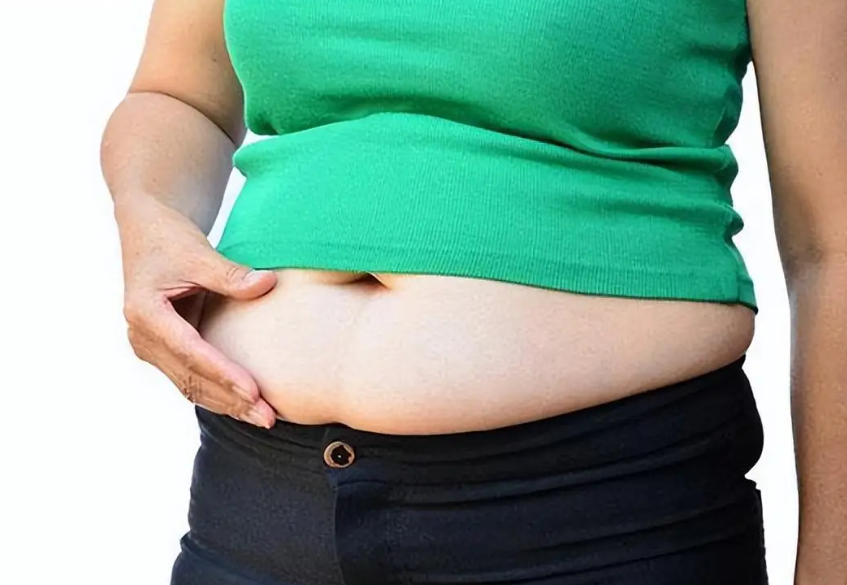
Absolutely, there are several effective non-surgical methods for removing excess fat that have emerged due to technological advancements. These methods offer alternatives to traditional surgical procedures like liposuction, appealing to individuals seeking less invasive solutions. Let's delve deeper into the best non-surgical fat removal options currently available and their effectiveness:
Cryolipolysis, commonly known as CoolSculpting, harnesses the power of controlled cooling to eliminate stubborn fat cells. During the procedure, a specialized device cools the targeted fat tissue to a temperature that triggers apoptosis (natural cell death) in fat cells, while sparing surrounding tissues. Over time, the body naturally eliminates these dead fat cells through its metabolic processes. CoolSculpting is non-invasive, requires no anesthesia, and has minimal downtime. While results may not be immediately visible, they become more pronounced over the weeks and months following treatment. Multiple sessions may be necessary for optimal results, depending on the individual's goals and the area being treated.
Radiofrequency (RF) Skin Tightening and Fat Reduction
Radiofrequency technology leverages high-frequency electromagnetic waves to generate heat within the skin and underlying tissues. This heat stimulates collagen production, which tightens the skin, and promotes fat metabolism. RF treatments can be used to reduce the appearance of cellulite, contour the body, and tighten loose skin. They are particularly effective for mild to moderate fat deposits and skin laxity. RF treatments are generally safe, comfortable, and require little downtime. However, like other non-surgical fat reduction methods, multiple sessions may be required to achieve desired results.
Ultrasound Fat Reduction (Ultrasound-Assisted Lipolysis)
Ultrasound fat reduction employs high-intensity focused ultrasound (HIFU) waves to target and disrupt fat cells. The ultrasound energy selectively heats and destroys fat cells, which are then gradually eliminated by the body's natural processes. This method is precise, allowing for targeted treatment of specific areas with minimal impact on surrounding tissues. Ultrasound fat reduction is typically less invasive than surgical options and has a relatively short recovery time. However, the effectiveness can vary depending on the individual's body composition and the area being treated, and multiple sessions may be necessary.
Injectable Fat Dissolving Agents
Injectable fat dissolving agents, such as deoxycholic acid (Kybella®), are administered directly into the fat pad beneath the skin. These agents work by breaking down the membrane of fat cells, causing them to release their contents and eventually be absorbed by the body. Kybella is FDA-approved for treating submental fullness (double chin) and has shown promising results in reducing localized fat deposits. The treatment is relatively quick and can be performed in-office with minimal downtime. However, multiple injections may be required to achieve desired results, and side effects such as swelling, bruising, and numbness can occur.
Non-Invasive Body Contouring Devices
A variety of non-invasive body contouring devices are available that use a combination of technologies, including radiofrequency, infrared light, and vacuum suction, to stimulate fat metabolism and tighten skin. These devices are designed for home use or in-clinic treatments and can help reduce the appearance of cellulite, improve skin texture, and contour the body. While the results may not be as dramatic as surgical procedures, these devices offer a convenient and affordable way to maintain or enhance the results of other non-surgical fat reduction treatments.
Conclusion
Advancements in technology have made it possible to effectively remove excess fat without resorting to surgical procedures. The non-surgical fat removal options discussed above—cryolipolysis, radiofrequency skin tightening, ultrasound fat reduction, injectable fat dissolving agents, and non-invasive body contouring devices—each have their unique strengths and limitations. The most suitable method for an individual will depend on their specific goals, body composition, and the area being treated. It's essential to consult with a qualified healthcare professional to determine the best course of action and understand the potential risks and benefits of each option.
Non-surgical Fat Removal: A Safe and Effective Alternative to Traditional Surgery
In the past, individuals seeking to eliminate stubborn fat deposits and achieve a more sculpted physique often faced the daunting prospect of undergoing invasive surgical procedures. These surgeries, such as liposuction, while effective in removing excess fat, came with a host of potential risks, lengthy recovery periods, and significant downtime. However, recent advancements in medical technology have ushered in a new era of non-surgical fat removal methods that offer patients a safer, more convenient, and equally effective alternative.
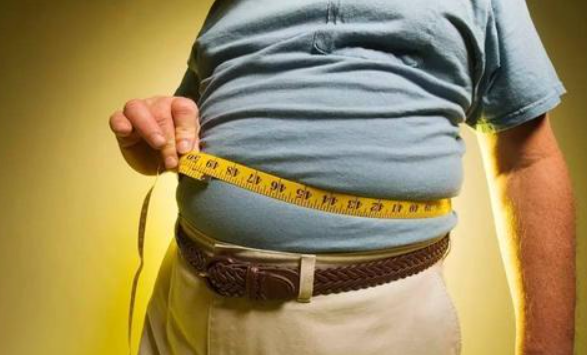
The Rise of Non-Surgical Fat Removal Techniques
The popularity of non-surgical fat removal techniques has soared in recent years, driven by a growing demand for minimally invasive, low-risk procedures that deliver noticeable results. These methods harness the latest advancements in technology, including laser technology, radiofrequency energy, cryolipolysis (fat freezing), and ultrasound-assisted lipolysis, to target and eliminate unwanted fat cells without cutting into the skin.
Key Benefits of Non-Surgical Fat Removal
-
Minimal Downtime and Faster Recovery: One of the most significant advantages of non-surgical fat removal is the minimal downtime required. Most procedures can be performed in a matter of hours, with patients able to resume their daily activities quickly, often within a day or two. This is in stark contrast to surgical procedures, which can involve weeks or even months of recovery.
-
Reduced Risks and Complications: Non-surgical fat removal methods significantly reduce the risks associated with traditional surgeries. Since they do not involve cutting into the skin, there is a lower risk of infection, bleeding, and scarring. Additionally, the procedures are performed under local anesthesia or topical numbing agents, further minimizing discomfort and potential complications.
-
Customizable Treatments: Non-surgical fat removal techniques offer a high degree of customization, allowing doctors to target specific areas of the body that are resistant to diet and exercise. This precision targeting ensures that only unwanted fat cells are eliminated, preserving surrounding tissues and structures.
-
Gradual and Natural-Looking Results: Unlike surgical procedures, which can sometimes result in an overly sculpted or artificial appearance, non-surgical fat removal techniques produce gradual and natural-looking results. The elimination of fat cells occurs over time, allowing the body to adjust and conform to its new contours.
-
Cost-Effective: While the cost of non-surgical fat removal can vary depending on the treatment and the provider, they are generally more cost-effective than surgical procedures in the long run. This is due to the reduced need for anesthesia, hospitalization, and post-operative care.
Popular Non-Surgical Fat Removal Techniques
-
CoolSculpting® (Cryolipolysis): This technique uses controlled cooling to freeze and eliminate fat cells without harming surrounding tissues. The treated fat cells are gradually eliminated from the body through natural processes, resulting in a noticeable reduction in fat in the targeted area.
-
Laser Lipolysis: Laser-assisted lipolysis employs laser energy to heat and liquefy fat cells, which are then naturally absorbed and eliminated by the body. This technique is often combined with suction or massage to facilitate the removal of the liquefied fat.
-
Ultrasound-Assisted Liposuction (UAL): While UAL is technically a surgical procedure, it uses ultrasound energy to break down fat cells before they are suctioned out, making it less invasive and traumatic than traditional liposuction.
-
Radiofrequency (RF) Treatments: RF treatments use radiofrequency energy to heat fat cells, causing them to shrink and eventually be eliminated by the body's natural processes. These treatments are often combined with skin tightening effects, making them ideal for addressing both fat and loose skin.
In conclusion, non-surgical fat removal methods have emerged as a safe, effective, and increasingly popular alternative to traditional surgical procedures. By offering minimal downtime, reduced risks, and customizable treatments, these techniques are revolutionizing the field of body contouring and helping individuals achieve their aesthetic goals without the need for surgery.
Certainly, let's explore CoolSculpting in greater depth, examining its science, benefits, procedure, recovery, and considerations for potential candidates.
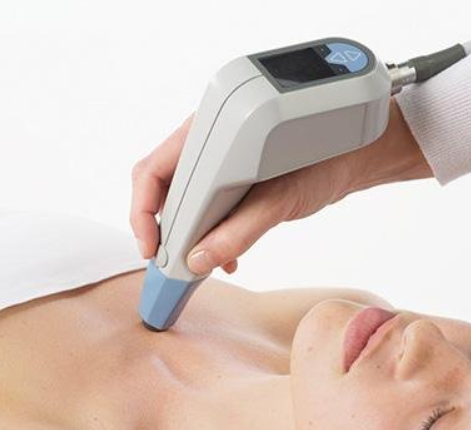
Science Behind CoolSculpting
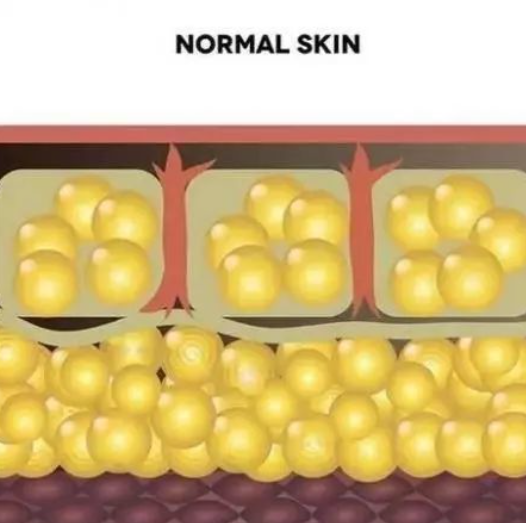
CoolSculpting, also known as cryolipolysis, harnesses the principle that fat cells are more sensitive to cold temperatures than surrounding tissues like skin, muscle, and nerves. During the treatment, the CoolSculpting device applies precisely controlled cooling to the targeted area, lowering the temperature of the fat cells to a point where they crystallize and undergo apoptosis (programmed cell death). Importantly, this process does not harm the overlying skin or other tissues.
Benefits of CoolSculpting
- Non-Invasive & Non-Surgical: CoolSculpting does not require anesthesia, incisions, or downtime, making it an attractive option for those seeking a non-surgical alternative to liposuction.
- Targeted Fat Reduction: It precisely targets stubborn fat pockets that may be resistant to diet and exercise, such as the abdomen, flanks, thighs, upper arms, and under the chin.
- Natural Elimination: As the treated fat cells die, they are gradually eliminated from the body through natural metabolic processes over several weeks to months.
- Minimal Discomfort: Patients typically experience mild to moderate cold sensations, tingling, or numbness during the procedure, which is generally well-tolerated.
- Long-Lasting Results: Once eliminated, the treated fat cells are permanently removed from the body, provided that the patient maintains a stable weight and lifestyle.
The Procedure
- Consultation: Prior to the treatment, a consultation with a qualified provider is essential to determine if CoolSculpting is suitable for your goals and expectations.
- Marking & Positioning: The targeted area is marked, and the patient is comfortably positioned.
- Application of Gel Pad & Applicator: A protective gel pad is applied to the skin, followed by the CoolSculpting applicator. The applicator suctions the tissue between two cooling panels, ensuring even distribution of cooling.
- Treatment Cycle: Each treatment cycle lasts around 35-60 minutes, depending on the area being treated. During this time, patients can read, work on their laptops, or even nap.
- Multiple Sessions: Depending on the amount of fat to be reduced, multiple treatments may be recommended, typically spaced 4-6 weeks apart.
Recovery & Aftercare
- Immediate Aftermath: Patients can resume normal activities immediately after the procedure, with minimal to no downtime.
- Temporary Side Effects: Some may experience redness, swelling, bruising, tingling, or numbness in the treated area, which typically resolve within a few days to weeks.
- Massage: Some providers recommend gentle massage to the treated area after a few days to help break up the crystallized fat and speed up the elimination process.
- Maintaining Results: To maintain the results, patients should maintain a healthy diet and exercise routine.
Considerations for Potential Candidates
- Weight Stability: Ideal candidates are those who are at or near their ideal weight but have stubborn fat pockets that do not respond to diet and exercise.
- Realistic Expectations: It's important to have realistic expectations about the amount of fat reduction achievable with CoolSculpting. It is not a weight-loss solution but a body contouring treatment.
- Skin Elasticity: Good skin elasticity helps to maintain a smooth appearance after fat reduction.
- Consultation: A consultation with a qualified provider is crucial to assess suitability and address any concerns or questions.
In conclusion, CoolSculpting offers a safe, non-invasive, and effective way to reduce stubborn fat pockets, resulting in a more contoured and sculpted appearance. However, it's essential to choose a qualified provider, have realistic expectations, and maintain a healthy lifestyle to enjoy long-lasting results.
A Comprehensive Look at the Advanced Laser Fat Reduction Technology
SculpSure stands as a pioneering non-invasive fat removal treatment that leverages the power of laser technology to safely and effectively target and eliminate unwanted fat cells. This innovative approach offers patients a convenient and relatively painless alternative to traditional surgical procedures, such as liposuction. Let's delve deeper into the science, benefits, procedure, recovery, and considerations for SculpSure.
Science Behind SculpSure
SculpSure employs a unique laser system that delivers precisely controlled heat energy to the targeted fat cells. The laser light is absorbed by the fat cells, causing them to heat up and undergo lipolysis (breakdown of fat). This process disrupts the integrity of the fat cell membranes, leading to their destruction. The body's natural metabolic processes then gradually eliminate the destroyed fat cells through the lymphatic system.
Benefits of SculpSure
Non-Invasive & Non-Surgical: SculpSure requires no anesthesia, incisions, or downtime, making it an ideal choice for those seeking a minimally invasive fat reduction solution.
Quick Treatment: Each SculpSure session typically lasts around 25 minutes per area, allowing for fast and efficient treatment of multiple areas in a single visit.
Minimal Discomfort: The procedure is generally well-tolerated, with patients experiencing a warm sensation during treatment. Some may feel a slight pinching or stinging sensation, but this is temporary and typically managed with over-the-counter pain medication if needed.
Customizable Treatment: SculpSure's laser applicators can be tailored to treat specific areas, including the abdomen, flanks, back, thighs, and under the chin, addressing stubborn fat pockets that may be resistant to diet and exercise.
Noticeable Results: Patients can start to see visible results as early as six weeks after treatment, with optimal results typically appearing at 12 weeks.
The Procedure
Consultation: Prior to treatment, a consultation with a qualified provider is essential to determine if SculpSure is suitable for your goals and expectations.
Preparation: The targeted area is cleaned and marked, and a cooling gel may be applied to protect the skin.
Application of Applicators: SculpSure applicators are placed on the skin over the targeted fat pockets. These applicators deliver the laser energy to the fat cells.
Treatment: The laser energy is delivered for a predetermined amount of time, during which patients may feel a warm sensation.
Post-Treatment: After the treatment, the applicators are removed, and the area is cleaned. Patients can resume normal activities immediately.
Recovery & Aftercare
Immediate Aftermath: SculpSure requires no downtime, and patients can return to their daily routines immediately after the procedure.
Temporary Side Effects: Some patients may experience mild redness, swelling, tingling, or numbness in the treated area, which typically resolves within a few days to weeks.
Massage: While not required, some providers may recommend gentle massage to the treated area to help stimulate lymphatic drainage and accelerate the elimination of destroyed fat cells.
Maintaining Results: To maintain the results, patients should maintain a healthy diet and exercise routine.
Considerations for Potential Candidates
Weight Stability: Ideal candidates are those who are at or near their ideal weight but have stubborn fat pockets that do not respond to diet and exercise.
Realistic Expectations: It's important to have realistic expectations about the amount of fat reduction achievable with SculpSure. It is a body contouring treatment, not a weight-loss solution.
Skin Tone & Type: SculpSure is generally safe for all skin types and tones, but a consultation with a qualified provider is crucial to assess suitability.
Consultation: A consultation with a qualified provider is essential to discuss treatment options, potential risks, and answer any questions or concerns.
In summary, SculpSure offers a cutting-edge, non-invasive approach to fat reduction, utilizing advanced laser technology to safely and effectively target and eliminate stubborn fat cells. With minimal downtime and side effects, SculpSure is an attractive option for those seeking to improve their body contour without the need for surgery.
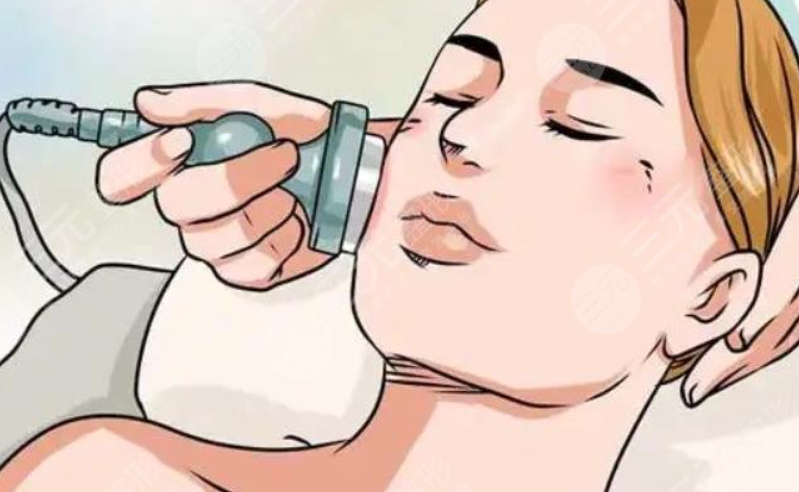
Ultrasonic fat cavitation, a revolutionary technology in the realm of body contouring and fat reduction, offers a safe and non-invasive alternative to traditional surgical procedures such as liposuction. This advanced therapy harnesses the power of low-frequency ultrasound waves, specifically tailored to target and disrupt adipose tissue (fat cells) without harming surrounding structures like skin, blood vessels, or nerves.
How Does it Work?
At its core, ultrasonic fat cavitation employs focused sound waves that resonate within fat cells, causing them to vibrate vigorously. This vibrational energy creates microscopic bubbles within the fat cells, a process known as cavitation. As these bubbles expand and collapse rapidly, they generate heat and pressure, ultimately leading to the disruption of the cell membrane. Once the membrane is compromised, the contents of the fat cell—primarily triglycerides (fatty acids) and glycerol—are released into the interstitial space (the fluid-filled area between cells).
Fat Metabolism and Elimination
Following their release, the fatty acids are gradually broken down into smaller molecules that can be more easily metabolized by the body. The process of metabolizing these fatty acids typically involves their conversion into energy or storage in the form of glycogen. However, in the context of ultrasonic fat cavitation, the primary goal is to facilitate their elimination from the body. This occurs primarily through the lymphatic system, a network of vessels and nodes that help drain excess fluid, waste, and toxins from tissues.
Skin Tightening
One of the notable benefits of ultrasonic fat cavitation is its ability to stimulate collagen production in the treated area. Collagen is a vital protein that provides structure and elasticity to the skin. By enhancing collagen synthesis, this therapy helps tighten and firm the skin, minimizing the appearance of loose or sagging skin that can sometimes occur after significant fat loss.
Targeted Areas
Ultrasonic fat cavitation is particularly effective on areas of the body where stubborn fat deposits tend to accumulate, including the abdomen, thighs, hips, and buttocks. These regions are often challenging to address through diet and exercise alone, making non-invasive therapies like ultrasonic fat cavitation an attractive option for individuals seeking to improve their body contour.
Safety and Considerations
While ultrasonic fat cavitation is generally considered safe and well-tolerated, it's essential to consult with a qualified healthcare professional before undergoing any treatment. Factors such as individual health status, body composition, and treatment expectations should be thoroughly discussed to ensure the therapy is appropriate and to develop a personalized treatment plan. Additionally, it's important to note that ultrasonic fat cavitation is not a substitute for a healthy lifestyle, which should always include a balanced diet and regular physical activity.
Conclusion
In summary, ultrasonic fat cavitation represents a cutting-edge approach to body contouring and fat reduction, offering individuals a non-invasive, effective way to achieve their aesthetic goals. By leveraging the power of sound waves, this therapy disrupts fat cells, promotes the elimination of fatty acids, and encourages skin tightening, all without the need for surgery or extended downtime. As with any medical procedure, it's crucial to seek professional guidance and maintain realistic expectations to ensure a safe and satisfying outcome.
When contemplating non-surgical fat removal treatments, it's imperative to embark on a thoughtful and well-informed decision-making process. Here's a detailed expansion on the factors you should carefully consider before opting for such a procedure:
1. Research the Clinic or Practitioner's Credibility
Certifications and Qualifications: The first step in ensuring the safety and efficacy of your treatment is verifying the credentials of the clinic or practitioner. Look for accreditations from reputable medical boards or associations, as well as specific certifications related to the non-surgical fat removal techniques they offer. This will help you ascertain that they have undergone the necessary training and maintain the highest standards of professional practice.
Customer Reviews and Testimonials: Reading reviews from past clients can provide invaluable insights into the clinic's or practitioner's professionalism, service quality, and patient satisfaction. Look for both positive and negative feedback to get a well-rounded view. Pay close attention to any recurring themes or concerns, and don't hesitate to ask the clinic for additional references or case studies if needed.
2. Understand the Potential Side Effects and Limitations
Side Effects: While non-surgical fat removal treatments are generally considered safer than surgical alternatives, they can still cause side effects. These may include temporary redness, swelling, bruising, numbness, or discomfort in the treated area. In some cases, more serious complications such as skin irregularities or allergic reactions may occur. It's essential to discuss these potential risks with your practitioner and weigh them against the potential benefits.
Limitations: It's important to understand that non-surgical fat removal methods have limitations. They are not a magic solution for extreme obesity or weight loss and should not be seen as a substitute for a healthy lifestyle. Additionally, the degree of fat reduction and skin tightening can vary from person to person depending on factors such as age, body composition, and lifestyle habits. Be realistic about your expectations and discuss them openly with your practitioner.
3. Have Realistic Expectations
Discuss Your Goals: Before committing to any non-surgical fat removal treatment, schedule a consultation with a qualified professional. During this meeting, discuss your specific goals and concerns in detail. The practitioner should be able to provide you with an honest assessment of what can be achieved through the chosen treatment method and whether it aligns with your expectations.
Understanding Results: Keep in mind that non-surgical fat removal treatments typically yield more subtle and gradual results compared to surgical procedures like liposuction. The exact outcome will depend on several factors, including the type of treatment, the number of sessions required, and your individual response to the therapy. Be prepared for a series of treatments and follow-up appointments to achieve and maintain your desired results.
4. Consider Lifestyle Factors
Diet and Exercise: Non-surgical fat removal treatments are not a standalone solution for weight management. Incorporating a balanced diet and regular physical activity into your lifestyle is crucial for maintaining your results long-term. Discuss with your practitioner how you can optimize your diet and exercise routine to complement your treatment plan.
Post-Treatment Care: Post-treatment care is an essential part of the process. Follow your practitioner's instructions carefully to minimize discomfort, promote healing, and protect your investment. This may include avoiding certain activities, wearing compression garments, or following a specific skincare routine.
In conclusion, opting for non-surgical fat removal treatments requires careful consideration and planning. By researching the clinic's credibility, understanding the potential side effects and limitations, having realistic expectations, and considering lifestyle factors, you can make an informed decision that aligns with your goals and well-being.
In recent years, the landscape of body contouring and fat reduction has been revolutionized by the advent of non-invasive and minimally invasive techniques, offering individuals seeking aesthetic enhancement a safer, more convenient alternative to traditional surgical procedures. These non-surgical fat removal methods have not only gained immense popularity but also delivered tangible results, catering to those who desire to address stubborn fat deposits without the downtime, risks, and scarring associated with liposuction or other surgical interventions.
CoolSculpting: The Science of Fat Freezing
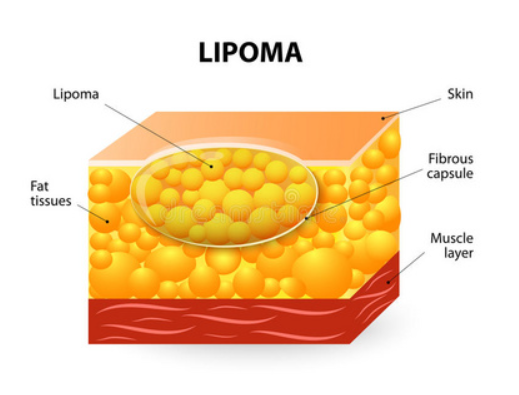
One of the most well-known non-surgical fat reduction techniques is CoolSculpting, also known as cryolipolysis. This innovative approach harnesses the principle of controlled cooling to selectively target and eliminate fat cells without harming the surrounding skin or tissue. During the procedure, a specialized applicator is placed on the desired treatment area, delivering precisely controlled cooling energy that causes fat cells to undergo apoptosis (natural cell death). Over time, the body's natural metabolic processes eliminate these dead fat cells, resulting in a noticeable reduction in fat bulges. CoolSculpting is FDA-approved for various body areas, including the abdomen, flanks (love handles), thighs, and upper arms, offering a safe and effective solution for spot reduction.
SculpSure: Laser-Assisted Lipolysis
SculpSure, on the other hand, utilizes laser energy to target and destroy fat cells in a non-invasive manner. This technology employs a unique wavelength of laser light that is absorbed by fat cells, causing them to heat up and eventually break down. The body's lymphatic system then gradually eliminates these destroyed fat cells over the following weeks and months, leading to a slimmer appearance. SculpSure treatments are customizable, allowing for precise targeting of multiple areas in a single session, making it an efficient option for those with busy schedules. Additionally, the procedure is generally well-tolerated, with many patients reporting minimal discomfort and a quick return to their daily activities.
Ultrasonic Fat Cavitation: A Sound Wave Solution
Ultrasonic fat cavitation, another advanced non-surgical fat reduction method, employs high-frequency sound waves to break down fat cells. These sound waves create tiny bubbles within the fat cells, which expand and eventually rupture the cell membranes. Once the fat cells are disrupted, their contents are released into the interstitial fluid and eventually metabolized by the body. This process not only reduces the number of fat cells in the treated area but also stimulates collagen production, contributing to improved skin tone and texture. Ultrasonic fat cavitation treatments are typically fast and relatively painless, offering patients a gentle yet effective way to achieve their body contouring goals.
Consultation: The Key to Success
Regardless of which non-surgical fat removal method you choose, it is crucial to consult with a qualified and experienced professional before embarking on your journey. A thorough consultation will help you understand the pros and cons of each treatment option, taking into account your individual anatomy, goals, and lifestyle. Your provider will assess your skin type, the amount and distribution of fat to be treated, and any potential health concerns to determine the most suitable treatment plan. By working closely with a professional, you can ensure that you are making an informed decision and maximize the chances of achieving your desired outcome.
In conclusion, non-surgical fat removal methods have revolutionized the world of body contouring, offering safe, effective, and convenient alternatives to traditional surgical procedures. Whether you opt for CoolSculpting, SculpSure, or ultrasonic fat cavitation, remember that proper consultation and personalized treatment planning are key to achieving optimal results. Say goodbye to stubborn fat and hello to a slimmer, more contoured you with the help of these innovative non-invasive technologies.