
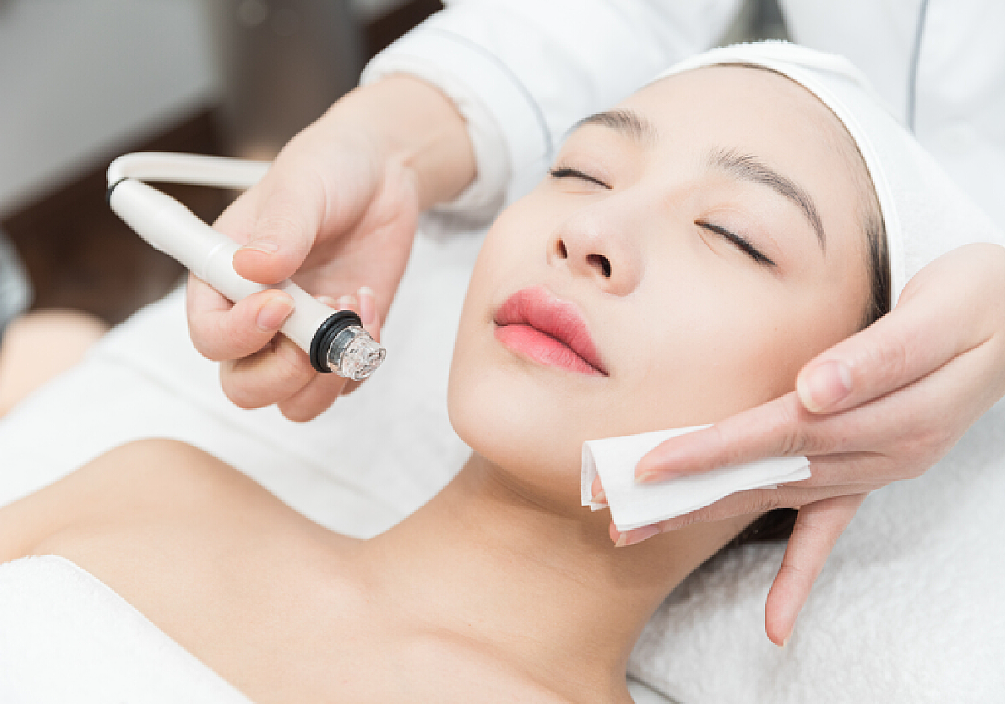
Discover Effective Tips to Overcome Forehead Acne and Achieve Healthy Skin
Introduction
Forehead acne, like acne in general, can be a persistent and frustrating skin condition that affects people of all ages, but particularly teenagers going through puberty. It can significantly damage self-confidence and overall well-being. In this article, we will delve deeper into what forehead acne is, its underlying causes, and provide practical tips to overcome it and achieve healthy, radiant skin.
What is Forehead Acne?
Forehead acne refers to pimples, whiteheads, blackheads, or cysts that develop on the forehead area. It occurs when the sebaceous glands located beneath the skin's surface become clogged with excess oil, dead skin cells, and bacteria. This blockage leads to inflammation and the formation of acne lesions.
Underlying Causes of Forehead Acne
Hormonal Changes: Hormonal fluctuations during puberty, pregnancy, or menopause can stimulate the sebaceous glands to produce more oil, leading to clogged pores and acne.
Stress: Chronic stress can increase cortisol levels, which in turn can stimulate the sebaceous glands, contributing to acne outbreaks.
Medication: Certain medications, such as steroids, anticonvulsants, barbiturates, or lithium, can cause acne as a side effect.
Hygiene: Improper hygiene practices, such as not washing the hair and face regularly, can lead to oily deposits on the forehead, increasing the risk of acne.
Hair Products: Gels, oils, or waxes can clog pores and cause acne known as pomade acne.
Diet and Lifestyle: Unhealthy diets high in sugar, processed foods, and dairy products can exacerbate acne. Lack of exercise and inadequate sleep can also contribute to skin problems.
The Importance of Healthy Skin
Healthy skin is not just about aesthetics; it's a reflection of our overall health and well-being. Skin is the largest organ of the body, and it performs several vital functions, including protecting us from pathogens, regulating body temperature, and maintaining hydration. Clear, radiant skin can significantly boost self-confidence and contribute to a positive self-image.
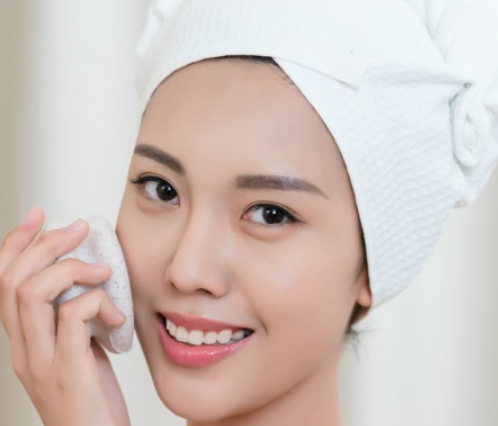
Effective Tips to Overcome Forehead Acne
Maintain Good Hygiene: Wash your face thoroughly with a gentle cleanser twice daily, focusing on the forehead area. Use non-comedogenic hair products that won't clog pores.
Manage Stress: Practice stress-relieving techniques such as meditation, yoga, or deep breathing exercises. Regular exercise and a good night's sleep can also help reduce stress levels.
Diet and Nutrition: Eat a balanced diet rich in fruits, vegetables, and whole grains. Limit your intake of sugar, processed foods, and dairy products, which can trigger acne outbreaks.
Use Suitable Skincare Products: Choose skincare products that are specifically designed for acne-prone skin. Avoid products with harsh chemicals or irritants that can exacerbate acne.
Face Yoga: Incorporate face yoga exercises into your daily routine. These exercises can help tone and firm the skin, reducing the appearance of fine lines and wrinkles. They can also improve blood circulation, promoting healthier skin.
Stay Hydrated: Drink plenty of water throughout the day to keep your skin hydrated. Dehydrated skin is more prone to acne and can appear dull and lifeless.
Consult a Dermatologist: If your acne persists despite home remedies, consult a dermatologist for professional advice. They can prescribe medication or recommend specialized treatments tailored to your skin's needs.
Conclusion
Forehead acne can be a frustrating skin condition, but with the right approach, it can be managed and overcome. By understanding its underlying causes, maintaining good hygiene, managing stress, eating a healthy diet, using suitable skincare products, incorporating face yoga, staying hydrated, and seeking professional help when necessary, you can achieve healthy, radiant skin that boosts your confidence and well-being.
Understanding Forehead Acne: A Comprehensive Guide
To effectively combat forehead acne, it's essential to have a comprehensive understanding of the various types of acne that commonly manifest on this area, as well as the underlying factors that contribute to their development. By gaining this insight, you can tailor your skincare routine and lifestyle habits to better address the issue and achieve clearer, healthier skin.
Types of Forehead Acne
-
Whiteheads: Also known as closed comedones, whiteheads are small, white bumps that form under the skin's surface when pores become clogged with oil, dead skin cells, and bacteria. They are typically non-inflammatory and can be difficult to remove without proper treatment.
-
Blackheads: Blackheads, or open comedones, are similar to whiteheads but have a darker appearance due to oxidation of the trapped oil and debris. They occur when the clogged pore is open to the air, allowing the oil to darken.
-
Papules: Papules are small, red, inflamed bumps that are caused by infected hair follicles. They are often painful to the touch and can develop into pustules if left untreated.
-
Pustules: Pustules are similar to papules but contain pus at their tips. They are more inflamed and can be quite painful.
-
Cysts and Nodules: These are the most severe forms of acne and can occur on the forehead. Cysts are deep, painful, and filled with pus, while nodules are large, solid lumps beneath the skin's surface. Both can cause significant scarring if not treated properly.
Factors Contributing to Forehead Acne
-
Hormonal Imbalances: Hormonal fluctuations, particularly during puberty, pregnancy, or menopause, can stimulate the sebaceous glands to produce excess oil. This excess oil can clog pores and lead to acne outbreaks, particularly on the forehead.
-
Diet: A diet high in sugar, processed foods, and dairy products can exacerbate acne. Inflammatory foods can trigger the release of certain hormones and chemicals that contribute to acne development.
-
Stress: Chronic stress can increase cortisol levels, which can stimulate the sebaceous glands and promote acne. Additionally, stress can disrupt sleep patterns and contribute to unhealthy lifestyle habits that can further aggravate acne.
-
Skincare Routine: Using skincare products that are too harsh or contain comedogenic ingredients can clog pores and lead to acne. Not cleansing the skin thoroughly or failing to remove makeup before bedtime can also contribute to acne outbreaks.
-
Hair Products and Styling: Hair products such as gels, oils, and waxes can clog pores on the forehead, causing acne. Wearing tight hats or headbands can also irritate the skin and exacerbate acne.
-
Touching and Picking: Constantly touching or picking at acne lesions on the forehead can introduce bacteria, causing further inflammation and potentially leading to scarring.
Effective Strategies to Combat Forehead Acne
-
Address Hormonal Imbalances: If you suspect hormonal imbalances are contributing to your forehead acne, consult a healthcare professional for advice on managing them.
-
Improve Your Diet: Eat a balanced diet rich in fruits, vegetables, and whole grains. Limit your intake of sugar, processed foods, and dairy products.
-
Manage Stress: Practice stress-relieving techniques such as meditation, yoga, or deep breathing exercises. Ensure you get enough sleep and exercise regularly.
-
Review Your Skincare Routine: Use non-comedogenic, oil-free skincare products that are suitable for acne-prone skin. Cleanse your face thoroughly twice daily and remove makeup before bedtime.
-
Choose Wisely When It Comes to Hair Products: Use hair products that are non-comedogenic and avoid applying them too close to your forehead. Wash your hair regularly to remove excess oil and product residue.
-
Avoid Touching and Picking: Resist the urge to touch or pick at your acne lesions. Use gentle, non-abrasive skincare products and avoid scrubbing or squeezing your skin.
By understanding the different types of forehead acne and the factors that contribute to their development, you can develop a comprehensive strategy to combat this skin condition. By making mindful changes to your diet, skincare routine, and lifestyle habits, you can achieve clearer, healthier skin that boosts your confidence and well-being.

Tips to Get Rid of Forehead Acne: Cleansing Properly
When it comes to tackling forehead acne, cleansing is a cornerstone of any effective skincare routine. Proper cleansing helps remove excess oil, dirt, makeup, and dead skin cells that can clog pores and lead to acne breakouts. Here are some detailed tips on how to cleanse properly to get rid of forehead acne:
1. Choose a Gentle Cleanser
The first step in cleansing properly is selecting a cleanser that is gentle yet effective for acne-prone skin. Look for cleansers that are labeled as "non-comedogenic" and "oil-free," as these are less likely to clog pores. Avoid cleansers with harsh chemicals such as sulfates, which can strip the skin of its natural oils and irritate acne-prone skin.
Instead, opt for cleansers that contain gentle ingredients like amino acid-based surfactants or glycerin, which help remove dirt and oil without causing dryness or irritation. Some natural ingredients that are beneficial for acne-prone skin include salicylic acid, tea tree oil, and witch hazel, which have anti-inflammatory and antibacterial properties.
2. Double Cleanse
Cleansing twice a day is crucial for maintaining clear skin, especially if you have forehead acne. A double cleanse involves using two different cleansers or methods to ensure that your skin is thoroughly cleansed. Here's how to do it:
-
First Cleanse: Start with an oil-based cleanser or balm. This helps dissolve and remove oil, makeup, and sunscreen, which can be stubborn and water-resistant. Massage the cleanser onto your skin in circular motions, paying particular attention to the forehead. Rinse off with lukewarm water.
-
Second Cleanse: Follow up with a water-based cleanser. This step ensures that any residual dirt, oil, or cleanser is removed from the skin. Use your fingertips to gently massage the cleanser onto your skin, focusing on areas prone to acne. Rinse thoroughly with lukewarm water.
3. Avoid Harsh Chemicals
As mentioned earlier, it's essential to avoid harsh chemicals that can irritate acne-prone skin. This includes ingredients like fragrances, dyes, and alcohol, which can dry out the skin and exacerbate acne. Instead, opt for cleansers that are free from these irritants and contain soothing, skin-friendly ingredients.
4. Pat Dry Gently
After cleansing, gently pat your skin dry with a clean towel instead of rubbing or scrubbing. Rubbing can irritate the skin and potentially worsen acne.
5. Follow Up with Moisturizer
After cleansing, it's essential to apply a moisturizer to help lock in hydration and protect the skin's natural barrier. Look for a moisturizer that is suitable for acne-prone skin and contains ingredients like hyaluronic acid, glycerin, or ceramides to help retain moisture without clogging pores.
Conclusion
By cleansing properly, you can remove excess oil, dirt, and dead skin cells that contribute to forehead acne. Choose a gentle cleanser that is suitable for acne-prone skin, double cleanse to ensure thoroughness, avoid harsh chemicals, pat dry gently, and follow up with a moisturizer. By incorporating these tips into your daily skincare routine, you can help get rid of forehead acne and maintain clearer, healthier skin.
2. Exfoliate Regularly: The Key to Preventing Clogged Pores and Acne Breakouts
Exfoliation is a crucial step in maintaining clear, healthy skin, particularly when it comes to preventing forehead acne. By removing dead skin cells and unclogging pores, exfoliation helps prevent acne breakouts and promotes a smoother, more radiant complexion. Here's a detailed look at the benefits of exfoliation, suitable exfoliants for forehead acne, and guidance on the frequency of exfoliation.
Benefits of Exfoliation
-
Removes Dead Skin Cells: Over time, dead skin cells accumulate on the surface of the skin, leading to dullness and clogged pores. Exfoliation helps remove these dead cells, revealing smoother, brighter skin.
-
Unclogs Pores: Acne often occurs when pores become clogged with oil, dirt, and dead skin cells. Regular exfoliation helps prevent this by keeping pores clear and allowing sebum (natural skin oil) to flow freely.
-
Improves Skin Texture: By removing rough, dead skin cells, exfoliation improves the overall texture of the skin, making it feel softer and smoother.
-
Enhances Product Absorption: When the skin's surface is smooth and free of dead cells, skincare products can penetrate more effectively, allowing active ingredients to work their magic.
Suitable Exfoliants for Forehead Acne
When choosing an exfoliant for forehead acne, it's essential to opt for gentle, non-irritating options that are suitable for acne-prone skin. Here are some options to consider:
-
Chemical Exfoliants: Chemical exfoliants, such as alpha-hydroxy acids (AHAs) like glycolic acid and lactic acid, and beta-hydroxy acids (BHAs) like salicylic acid, work by breaking down the bonds between dead skin cells. Salicylic acid is particularly effective for acne-prone skin as it has both exfoliating and anti-inflammatory properties.
-
Physical Exfoliants: Physical exfoliants, such as microbeads, sugar scrubs, or exfoliating gloves, use tiny particles to physically remove dead skin cells. However, it's important to choose a gentle option that won't irritate acne-prone skin. Avoid rough, abrasive scrubs that can damage the skin's barrier.
-
Enzyme Exfoliants: Enzyme exfoliants use natural enzymes, such as papain (from papaya) or bromelain (from pineapple), to gently break down dead skin cells. These are often suitable for sensitive skin and can be found in some skincare products.
Frequency of Exfoliation
The frequency of exfoliation depends on your skin type and the type of exfoliant you're using. In general, it's recommended to exfoliate no more than two to three times a week to avoid over-exfoliation, which can strip the skin of its natural oils and irritate acne-prone skin.
-
If you have oily or acne-prone skin: You may be able to tolerate exfoliation more frequently, up to three times a week, especially if you're using a gentle chemical exfoliant.
-
If you have dry or sensitive skin: Stick to exfoliating once or twice a week, using a gentle physical or enzyme exfoliant.
-
Listen to your skin: Pay attention to how your skin responds to exfoliation. If you notice redness, irritation, or peeling, reduce the frequency or switch to a gentler exfoliant.
Conclusion
Regular exfoliation is an essential step in preventing clogged pores and acne breakouts on the forehead. By choosing a gentle exfoliant that is suitable for acne-prone skin and exfoliating at the right frequency, you can help maintain clear, healthy skin. Remember to listen to your skin and adjust your routine as needed to achieve the best results.
3. Use Non-Comedogenic Products: The Key to Preventing Pore Blockage and Acne
Choosing non-comedogenic products is a vital step in maintaining healthy skin, particularly for those prone to acne. Non-comedogenic products are specifically designed to minimize the risk of pore blockage and acne development. In this detailed expansion, we will define non-comedogenic products, explain their importance, and provide recommendations for various skincare and makeup products that are suitable for acne-prone skin.
What are Non-Comedogenic Products?
Non-comedogenic products are those that are formulated to be less likely to clog pores. This term refers to the product's ability to penetrate the skin without leaving behind a residue that can block pores, leading to acne breakouts. Non-comedogenic products often have a lighter, oil-free formula that is easily absorbed by the skin.
Importance of Non-Comedogenic Products
-
Prevents Pore Blockage: The primary benefit of non-comedogenic products is that they minimize the risk of pore blockage. This is crucial for acne-prone skin as clogged pores are a common precursor to acne breakouts.
-
Promotes Clear Skin: By reducing pore blockage, non-comedogenic products help maintain clear, healthy skin. They can be used daily without fear of contributing to acne development.
-
Suitable for All Skin Types: While particularly beneficial for acne-prone skin, non-comedogenic products are also suitable for all skin types, including oily, dry, and sensitive skin.
Recommendations for Non-Comedogenic Products
Moisturizers
-
Look for lightweight, oil-free moisturizers labeled as non-comedogenic. These often contain hyaluronic acid, glycerin, or other water-based ingredients that provide hydration without leaving a greasy residue.
-
Avoid heavy creams or moisturizers with mineral oil, lanolin, or other comedogenic ingredients.
Sunscreen
-
Sunscreen is essential for protecting skin from harmful UV rays, but it can also clog pores if not chosen carefully. Opt for non-comedogenic sunscreens that are labeled as oil-free or water-based.
-
Look for sunscreens with physical blockers like zinc oxide or titanium dioxide, as they tend to be less irritating and less likely to clog pores than chemical sunscreens.
Makeup
-
When choosing makeup, prioritize non-comedogenic products that are labeled as "oil-free" or "non-acnegenic."
-
Foundation, concealer, and blush should be lightweight and easily blendable. Avoid products with heavy silicone or oil-based formulas.
-
Makeup removers should also be non-comedogenic and effectively remove all traces of makeup without leaving behind residue.
Additional Tips
-
Read product labels carefully and avoid any ingredients known to be comedogenic, such as isopropyl myristate, cocoa butter, or certain synthetic fragrances.
-
Test new products on a small patch of skin before using them on your face to ensure they don't cause irritation or breakouts.
-
Keep in mind that even non-comedogenic products can cause acne if used excessively or in combination with other comedogenic products.
In conclusion, using non-comedogenic products is a crucial step in preventing pore blockage and acne development. By choosing suitable moisturizers, sunscreens, and makeup, you can maintain healthy, clear skin and minimize the risk of acne breakouts.

4. Maintain a Healthy Diet: Nourishing Your Skin from the Inside Out
The relationship between diet and skin health is a complex yet undeniably important one. The foods we consume play a significant role in influencing the appearance and overall health of our skin. A balanced, nutritious diet can help promote clear, radiant skin, while an unhealthy diet can contribute to acne breakouts and other skin issues. In this detailed expansion, we will explore the connection between diet and skin health, explain how certain foods can affect acne, and suggest a diet rich in antioxidants and low in processed sugars for optimal skin health.
The Connection Between Diet and Skin Health
Our skin is the largest organ of the body, and it requires a steady supply of nutrients to function properly. The foods we eat provide the building blocks for healthy skin cells, and deficiencies in certain nutrients can manifest as skin problems. For example, a lack of essential fatty acids, vitamins, and minerals can lead to dryness, irritation, and even acne.
How Certain Foods Contribute to Acne Breakouts
-
High-Glycemic Foods: Foods with a high glycemic index (GI) cause a rapid spike in blood sugar levels, which can trigger an inflammatory response in the body. Over time, this chronic inflammation can contribute to acne development. High-GI foods include refined sugars, white bread, and many processed snacks.
-
Dairy Products: Some studies have linked dairy consumption, particularly high-fat dairy, to acne. The hormones and growth factors present in dairy may stimulate the sebaceous glands, leading to increased oil production and acne. However, it's important to note that not everyone experiences acne from dairy, and the exact mechanism is not fully understood.
-
Fried and Processed Foods: These foods are often high in unhealthy fats, preservatives, and additives that can irritate the skin and contribute to inflammation.
A Diet Rich in Antioxidants and Low in Processed Sugars
To promote clear, radiant skin, it's essential to adopt a diet that is rich in nutrients and low in inflammatory foods. Here are some key recommendations:
-
Increase Antioxidant-Rich Foods: Antioxidants help neutralize free radicals, which can damage skin cells and contribute to premature aging. Foods rich in antioxidants include berries, dark leafy greens, nuts, seeds, and certain herbs and spices like turmeric and ginger.
-
Eat Plenty of Whole Foods: Focus on whole, unprocessed foods like fruits, vegetables, whole grains, and lean proteins. These foods provide a range of essential nutrients that support skin health.
-
Limit Processed Sugars and Refined Carbohydrates: Avoid sugary drinks, candy, and other high-sugar snacks. Opt for natural sweeteners like honey or stevia in moderation. Choose whole grains over refined grains whenever possible.
-
Healthy Fats: Incorporate healthy fats like avocados, olive oil, nuts, and seeds into your diet. These fats help nourish the skin and support overall health.
-
Hydration: Stay well-hydrated by drinking plenty of water and herbal teas. Good hydration is essential for healthy skin.
-
Mindful Eating: Be mindful of portion sizes and avoid overeating. A balanced diet is key to maintaining a healthy weight, which can also impact skin health.
Additional Tips
-
Consider taking a high-quality multivitamin to ensure you're getting all the essential nutrients your skin needs.
-
Limit alcohol and caffeine consumption, as these can dehydrate the skin and contribute to inflammation.
-
If you suspect that dairy or other foods are triggering your acne, consider eliminating them from your diet for a period of time to see if there is an improvement.
In conclusion, maintaining a healthy diet is crucial for promoting clear, radiant skin. By focusing on antioxidant-rich foods, limiting processed sugars and inflammatory foods, and staying well-hydrated, you can nourish your skin from the inside out and support its overall health and appearance.
5. Reduce Stress: The Link Between Stress and Acne, and Strategies for Relief
Stress is an inevitable part of modern life, but its impact on our physical and mental health, including skin health, should not be overlooked. When it comes to acne, stress can play a significant role in triggering breakouts, particularly on areas like the forehead. In this detailed expansion, we will delve into the connection between stress and skin health, explore how stress affects acne, and provide practical stress-reducing techniques to promote overall well-being and clear skin.
The Link Between Stress and Skin Health
Stress triggers a cascade of physiological changes in the body, including the release of hormones like cortisol. Cortisol, known as the "stress hormone," plays a crucial role in our body's response to stress. However, chronic exposure to high levels of cortisol can disrupt the normal functioning of various systems, including the skin.
When cortisol levels are elevated, it can stimulate the sebaceous glands, leading to increased oil production. This excess oil can clog pores and create an environment conducive to acne-causing bacteria. Additionally, stress can impair the skin's natural barrier function, making it more susceptible to irritation and inflammation.
How Stress Affects Acne
-
Increased Oil Production: As mentioned earlier, stress stimulates the sebaceous glands, leading to an increase in oil production. This excess oil can clog pores and contribute to acne formation.
-
Inflammation: Stress triggers an inflammatory response in the body, which can exacerbate existing acne and slow down the healing process.
-
Hormonal Imbalances: Stress can disrupt the body's hormonal balance, further exacerbating acne-prone skin.
Stress-Reducing Techniques
To combat the negative effects of stress on acne and overall skin health, it's important to incorporate stress-reducing techniques into your daily routine. Here are some practical strategies:
-
Meditation: Meditation is a powerful tool for managing stress. It helps to calm the mind and body, reducing cortisol levels and promoting relaxation. Even a few minutes of meditation each day can make a significant difference.
-
Exercise: Regular exercise has numerous health benefits, including stress relief. Exercise releases endorphins, the body's natural feel-good hormones, which can improve mood and reduce stress. Aim for at least 30 minutes of moderate-intensity exercise most days of the week.
-
Sufficient Rest: Sleep is essential for overall health and well-being. Lack of sleep can exacerbate stress and worsen acne. Aim for 7-9 hours of quality sleep each night to support skin health and reduce stress.
-
Mindfulness and Breathing Exercises: Simple mindfulness practices, such as deep breathing or focusing on the present moment, can help reduce stress and anxiety. Try taking a few slow, deep breaths whenever you feel overwhelmed.
-
Healthy Diet: A balanced, nutritious diet can support stress management and overall skin health. Focus on antioxidant-rich foods, whole grains, lean proteins, and healthy fats.
-
Time Management and Prioritization: Effective time management can help reduce stress by ensuring that you have time for important tasks and self-care. Prioritize your tasks and set realistic goals to avoid feeling overwhelmed.
-
Hobbies and Interests: Engaging in activities you enjoy can provide a much-needed distraction from stress and promote relaxation. Whether it's reading, painting, hiking, or playing a musical instrument, find hobbies that bring you joy and make time for them regularly.
In conclusion, stress can have a significant impact on acne breakouts and overall skin health. By incorporating stress-reducing techniques like meditation, exercise, and sufficient rest into your daily routine, you can help manage stress levels and promote clear, radiant skin. Remember, taking care of your mental health is just as important as taking care of your physical health, and the benefits will show on your skin.
6. Avoid Touching the Face: Breaking the Habit for Clearer Skin
Touching or picking at acne-prone skin is a common yet harmful habit that can exacerbate existing acne and lead to further breakouts. This urge, often driven by a desire to alleviate discomfort or the misconception that popping pimples will speed up healing, can actually have the opposite effect. In this detailed expansion, we will highlight the importance of avoiding facial touching and picking, explore the consequences of these behaviors, and provide practical tips to help you resist the urge and promote faster healing.
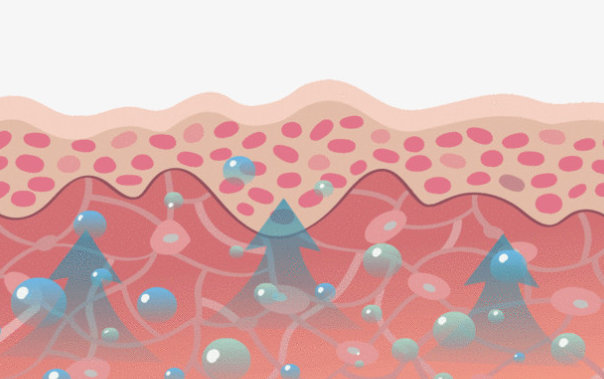
The Dangers of Touching and Picking
-
Bacterial Transfer: Our hands are constantly exposed to bacteria and dirt from the environment. Touching or picking at acne-prone skin can transfer these microorganisms to the skin, leading to infection and inflammation.
-
Damage to Skin Tissue: Picking at acne can damage the delicate skin tissue, causing scarring, redness, and irritation. This damage can also slow down the healing process and make acne more resistant to treatment.
-
Spread of Inflammation: Picking at acne can also spread inflammation to surrounding skin, triggering a chain reaction of acne breakouts.
-
Psychological Effects: Constantly touching and picking at acne can also have a negative impact on mental health, leading to feelings of frustration, anxiety, and low self-esteem.
The Importance of Avoiding Facial Touching
By avoiding facial touching and picking, you can help prevent the spread of bacteria, reduce inflammation, and promote faster healing. This, in turn, can lead to clearer skin and improved self-confidence.
Practical Tips to Resist the Urge
-
Keep Hands Busy: Find activities that keep your hands occupied, such as fidget toys, stress balls, or knitting. This can help redirect your attention away from your face.
-
Awareness and Mindfulness: Practice mindfulness and become aware of when you tend to touch your face. Use reminders or apps to help you stay conscious of this habit.
-
Good Hygiene: Wash your hands frequently with soap and water to reduce the number of bacteria on your hands. This can help minimize the risk of bacterial transfer when you accidentally touch your face.
-
Use Non-Comedogenic Products: Choose skincare products that are non-comedogenic, meaning they won't clog pores. This can help reduce the temptation to touch or pick at acne-prone areas.
-
Seek Professional Help: If you struggle to resist the urge to touch or pick at acne, consider seeking professional help from a dermatologist or therapist. They can provide personalized advice and support to help you overcome this habit.
-
Distraction Techniques: When you feel the urge to touch your face, try distracting yourself with a favorite hobby, a walk outside, or a conversation with a friend.
-
Positive Self-Talk: Replace negative self-talk about your skin with positive affirmations. Remind yourself that your skin is healing and that picking at acne will only slow down the process.
In conclusion, avoiding facial touching and picking is crucial for maintaining clear, healthy skin. By understanding the dangers of these behaviors and implementing practical tips to resist the urge, you can promote faster healing, prevent further breakouts, and improve your overall skin health. Remember, patience and self-care are key to achieving and maintaining clear skin.
7. Seek Professional Help if Needed: Unlocking the Path to Clearer Skin
When forehead acne becomes persistent or severe, it's essential to recognize the importance of seeking professional help from a dermatologist. Dermatologists are medical professionals specializing in skin conditions, and they have the expertise and knowledge to diagnose the underlying cause of your acne and prescribe the most effective treatment plan. In this detailed expansion, we will encourage readers to take this crucial step and provide an overview of the various treatments available for forehead acne.
The Benefits of Seeking Professional Help
-
Accurate Diagnosis: Dermatologists can conduct a thorough examination of your skin and identify the specific type of acne you're dealing with. This allows for a more targeted treatment approach.
-
Personalized Treatment Plan: Based on your diagnosis, a dermatologist will develop a personalized treatment plan that takes into account your skin type, lifestyle, and any underlying health conditions.
-
Expert Advice: Dermatologists can provide expert advice on skincare routines, dietary changes, and lifestyle adjustments that can help improve your skin health.
-
Access to Advanced Treatments: Dermatologists have access to a wide range of advanced treatments, including topical medications, oral medications, and procedures like laser therapy, that can significantly improve skin condition.
Treatments Available for Forehead Acne
-
Topical Medications: Topical medications, such as retinoids, benzoyl peroxide, and salicylic acid, are commonly prescribed by dermatologists to treat acne. These medications work by reducing inflammation, killing bacteria, and unclogging pores.
-
Oral Medications: For more severe cases, dermatologists may prescribe oral medications, such as antibiotics or hormonal treatments. These medications can help reduce inflammation, control sebum production, and address any underlying hormonal imbalances that may be contributing to acne.
-
Laser Therapy: Laser therapy is a non-invasive treatment option that uses laser light to target acne-causing bacteria and stimulate collagen production. This can help reduce inflammation, shrink pores, and improve skin texture.
-
Chemical Peels: Chemical peels involve applying a chemical solution to the skin to remove the top layer of dead skin cells. This can help unclog pores, reduce acne scars, and improve skin tone.
-
Microdermabrasion: Microdermabrasion is a skin resurfacing procedure that uses tiny exfoliating crystals to gently remove the outer layer of skin. This can help reduce acne scars, improve skin texture, and promote healthier skin cell growth.
Taking the First Step
If you're struggling with persistent or severe forehead acne, we strongly encourage you to seek professional help from a dermatologist. Don't be afraid to ask for help or feel embarrassed about your skin condition. Remember, dermatologists are here to help you achieve clearer, healthier skin.
To find a dermatologist, you can ask for recommendations from friends, family, or your primary care physician. You can also search online for dermatologists in your area and read reviews to get a sense of their expertise and bedside manner.
In conclusion, seeking professional help from a dermatologist is a crucial step in addressing persistent or severe forehead acne. With the right diagnosis and treatment plan, you can achieve clearer, healthier skin and regain your confidence.
General Skincare Tips for Healthy Skin:
A. Hydration: The Key to Radiant and Healthy Skin
Achieving overall healthy skin is not just about targeting specific skin concerns like acne; it's about nurturing your skin from within to promote a radiant, glowing complexion. Hydration plays a vital role in maintaining skin health, and ensuring that your body gets enough water is crucial for keeping your skin hydrated, supple, and looking its best.
The Importance of Hydration for Skin
-
Moisture Retention: Water helps your skin retain moisture, preventing it from becoming dry and flaky. Dry skin can lead to irritation, redness, and even premature aging.
-
Cell Function: Adequate hydration supports the proper functioning of skin cells, allowing them to perform essential tasks like repairing damage, producing collagen, and eliminating waste products.
-
Nutrient Delivery: Water acts as a transporter for nutrients, delivering essential vitamins and minerals to your skin cells, helping them stay healthy and vibrant.
-
Detoxification: Good hydration also supports the body's natural detoxification processes, helping to eliminate toxins and impurities that can contribute to skin problems.
Daily Water Intake Recommendations
The amount of water you need to drink each day can vary depending on factors such as your age, weight, activity level, and climate. However, as a general guideline, the National Academies of Sciences, Engineering, and Medicine recommend that men consume approximately 3.7 liters (about 15.5 cups) of water per day, while women should aim for about 2.7 liters (about 11.5 cups).
It's important to note that these recommendations are for total water intake, which includes water from beverages and foods like fruits and vegetables that contain high water content. If you're active or live in a hot, humid climate, you may need to drink even more water to stay hydrated.
Tips for Staying Hydrated
-
Carry a Water Bottle: Keep a refillable water bottle with you at all times, so you always have access to clean, fresh water.
-
Set Reminders: Use a phone app or set alarms to remind yourself to drink water throughout the day.
-
Eat Hydrating Foods: Incorporate fruits and vegetables with high water content, like watermelon, berries, oranges, and cucumbers, into your diet.
-
Listen to Your Body: Pay attention to your body's cues and drink water when you feel thirsty.
-
Sip Slowly: Drink water slowly throughout the day instead of gulping it down all at once. This helps your body absorb the water more effectively.
The Benefits of Proper Hydration for Skin
When your skin is properly hydrated, it appears more plump, supple, and radiant. Proper hydration also helps to reduce the appearance of fine lines and wrinkles, improve skin elasticity, and even out skin tone. Additionally, well-hydrated skin is better able to protect itself from environmental stressors like pollution and UV radiation.
In conclusion, hydration is essential for maintaining overall skin health. By drinking enough water each day and incorporating hydrating foods into your diet, you can keep your skin looking and feeling its best. Remember, healthy skin starts from within, so make hydration a priority in your daily routine.
B. Sun Protection: The Essential Shield Against Skin Damage and Aging
In our quest for healthy, radiant skin, protecting it from the sun's harmful ultraviolet (UV) rays is of paramount importance. Sun exposure is a leading cause of skin damage, premature aging, and even skin cancer. Therefore, incorporating sunscreen into your daily skincare routine is crucial for safeguarding your skin's health and beauty.
The Significance of Sunscreen
-
Prevention of Skin Cancer: Regular use of sunscreen can significantly reduce the risk of developing skin cancer, including melanoma, the most dangerous form of skin cancer.
-
Prevention of Premature Aging: UV rays break down collagen and elastin fibers in the skin, leading to wrinkles, fine lines, and sagging skin. Sunscreen helps slow down this process, keeping your skin looking younger for longer.
-
Prevention of Sunburn: Sunburns are painful and can cause long-term damage to the skin. Sunscreen provides a barrier that prevents UV rays from damaging your skin, reducing the risk of sunburn.
-
Protection from UV-Induced Pigmentation: UV rays can stimulate the production of melanin, leading to dark spots and uneven skin tone. Sunscreen helps prevent this, keeping your skin tone even and bright.
Sunscreen Application Tips
-
Choose the Right SPF: SPF (Sun Protection Factor) measures how well a sunscreen protects against UVB rays, which are responsible for sunburn. Look for a sunscreen with an SPF of at least 30 for daily use. If you're spending extended periods outdoors or in direct sunlight, opt for an SPF of 50 or higher.
-
Broad-Spectrum Protection: Ensure your sunscreen is broad-spectrum, meaning it protects against both UVA and UVB rays. UVA rays contribute to skin aging and can penetrate glass, so they're present even on cloudy days.
-
Apply Generously: Apply sunscreen liberally to all exposed skin, including your face, neck, ears, arms, legs, and back. Don't forget to reapply every two hours or immediately after swimming or sweating.
-
Use Sunscreen as Part of Your Morning Routine: Make sunscreen application a habit by incorporating it into your morning skincare routine. Apply it after cleansing and moisturizing, but before makeup.
-
Look for Water-Resistant Formulas: If you plan to swim or perspire heavily, choose a water-resistant sunscreen that will stay on your skin even when wet.
Additional Sun Protection Measures
-
Wear Protective Clothing: Cover up with lightweight, long-sleeved shirts, pants, and wide-brimmed hats when spending time outdoors.
-
Seek Shade: Avoid direct sun exposure during peak hours, typically between 10 AM and 4 PM.
-
Wear Sunglasses: Protect your eyes and the delicate skin around them with UV-blocking sunglasses.
Conclusion
As you strive to overcome forehead acne and achieve healthy skin, remember that sun protection is an essential part of your skincare routine. By using sunscreen daily and taking additional precautions to shield your skin from UV rays, you can prevent skin damage, slow down the aging process, and maintain a radiant, youthful complexion. A holistic approach to skincare, including proper hydration, sun protection, and a tailored skincare routine, will help you enjoy the confidence and well-being that comes with healthy skin.