
I. Introduction
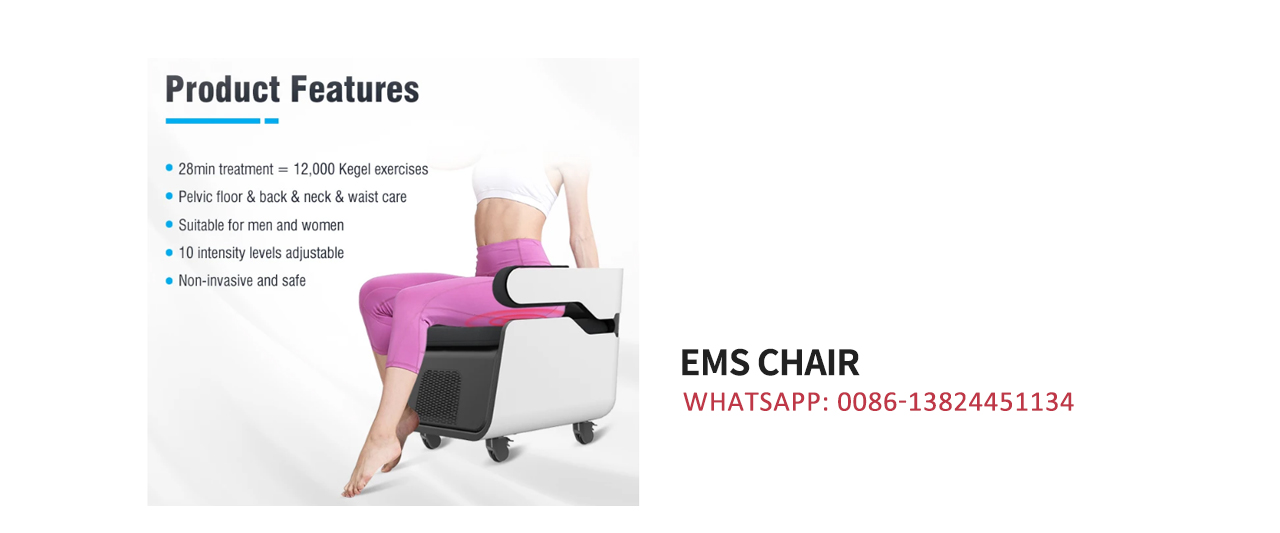
Postpartum incontinence is a common issue that many women face after childbirth. It can have physical and emotional impacts, affecting their quality of life. Fortunately, a revolutionary solution called the EMS Chair is now available, offering both postpartum incontinence treatment and pelvic floor muscle stimulation in one device. In this blog post, we will explore the causes and symptoms of postpartum incontinence, traditional treatments, and the effectiveness of the EMS Chair in treating this condition.
II. Understanding Postpartum Incontinence
A. Causes of postpartum incontinence
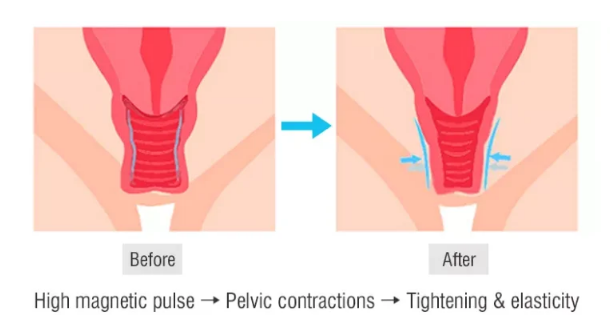
Childbirth, specifically the stretching and weakening of the pelvic floor muscles during labor, is the primary cause of postpartum incontinence. The muscles that support the bladder and control urine flow can become damaged or weakened during the process, leading to urinary incontinence.
B. Common symptoms experienced by women
Postpartum incontinence is characterized by the involuntary leakage of urine. Women may experience urine leakage during activities such as coughing, sneezing, laughing, or exercising. The severity of symptoms can vary depending on the individual.
C. Physical and emotional effects on women's lives
Postpartum incontinence can have significant physical and emotional effects on a woman's life. It can lead to embarrassment, self-consciousness, and a decline in self-esteem. Many women may also limit their social activities, experience anxiety, or even depression due to the condition.
III. Traditional Treatments for Postpartum Incontinence
A. Pelvic floor exercises and their limitations
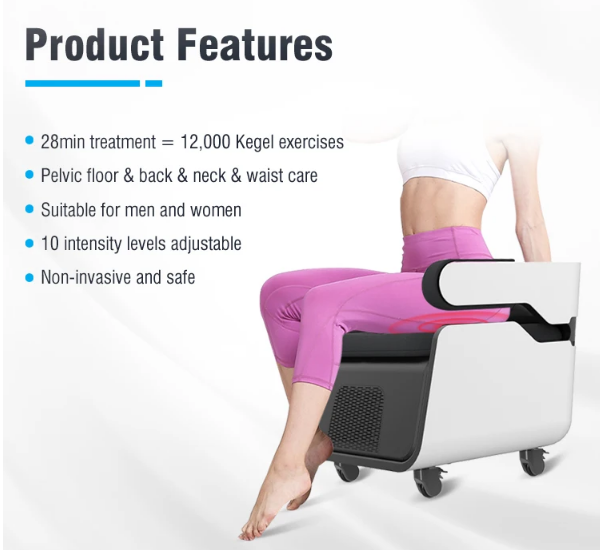
Pelvic floor exercises, such as Kegels, are often recommended as a first-line treatment for postpartum incontinence. These exercises aim to strengthen the pelvic floor muscles and improve urinary control. However, adherence to the exercises can be challenging, and it may take several months before noticeable improvements are observed.
B. Medications and surgeries as alternative options
In cases where pelvic floor exercises do not provide satisfactory results, medications or surgeries may be considered. Medications can help manage postpartum incontinence symptoms but do not address the underlying issue. Surgeries, such as bladder neck suspension or sling procedures, are invasive options that may come with risks and extended recovery times.
IV. Introducing the Revolutionary EMS Chair
A. Explanation of what EMS stands for and how it works
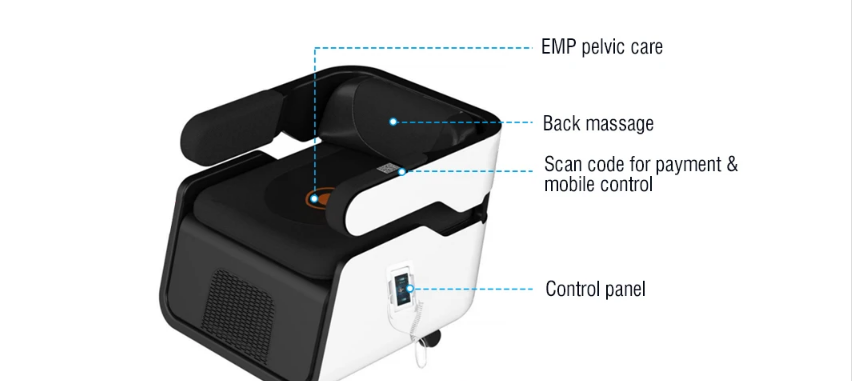
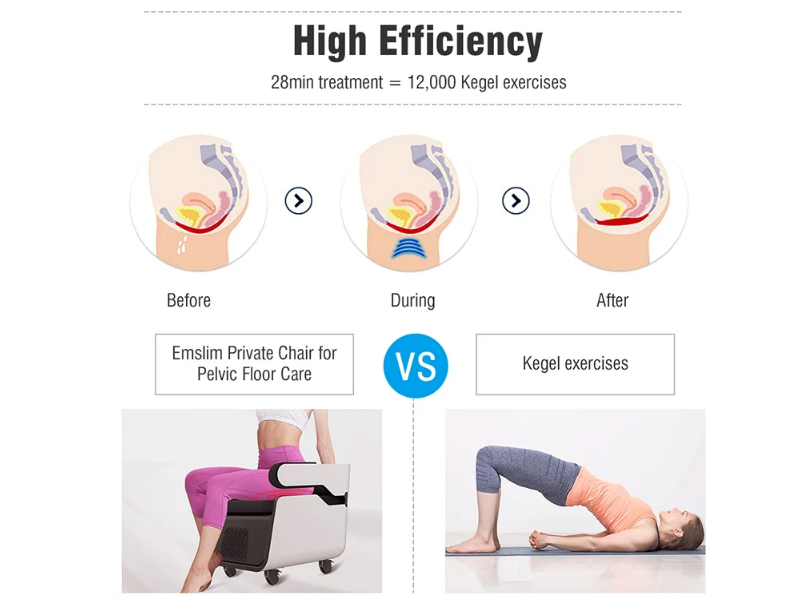
EMS stands for Electrical Muscle Stimulation. The EMS Chair utilizes this technology to provide targeted muscle stimulation to the pelvic floor area. By delivering electrical impulses to the muscles, it encourages contractions and improves their strength and tone.
B. Unique features and benefits of the EMS Chair
The EMS Chair is designed to be a multi-functional chair that not only treats postpartum incontinence but also provides pelvic floor muscle stimulation. It offers a comfortable seating experience while delivering effective and personalized treatment. Additionally, it can be used safely at home, allowing women to regain control of their bladder and enhance their quality of life.
V. How the EMS Chair Treats Postpartum Incontinence
A. Explanation of how pelvic floor stimulation works in the chair
The EMS Chair utilizes electrical muscle stimulation to target the pelvic floor muscles directly. The gentle electrical impulses cause the muscles to contract, strengthening and toning them over time. With regular use, this stimulation can significantly improve urinary control and reduce leakage.
B. Why combining treatment with pelvic floor stimulation is advantageous
By combining postpartum incontinence treatment with pelvic floor muscle stimulation, the EMS Chair provides a comprehensive approach to addressing the condition. While traditional treatments focus solely on strengthening the pelvic floor, the EMS Chair adds the element of therapy, improving muscle function and overall bladder control.
VI. User Experience and Success Stories
A. Personal stories of women who have found relief using the EMS Chair
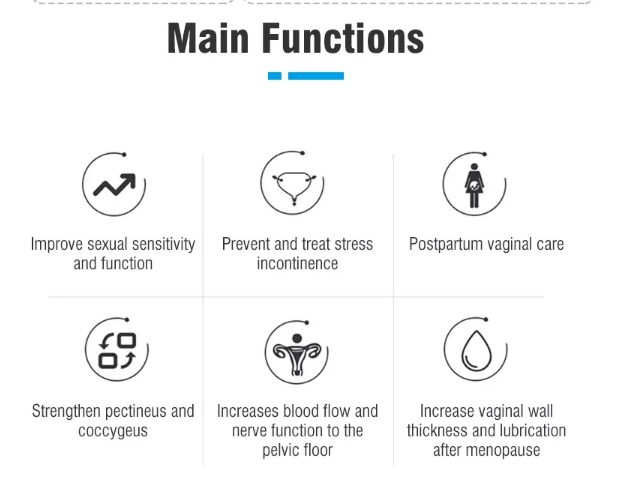
Many women have reported significant improvements in their postpartum incontinence symptoms after using the EMS Chair. They have regained their confidence and have been able to resume their normal activities without the fear of leakage. Their testimonials demonstrate the effectiveness and life-changing impact of this innovative solution.
B. Testimonials from experts in the field
Experts in the field of women's health have also recognized the benefits of the EMS Chair. Obstetricians, gynecologists, and physical therapists have recommended this device to their patients for postpartum incontinence treatment and pelvic floor muscle stimulation.
VII. The Science Behind the EMS Chair
A. Research and studies supporting the effectiveness of pelvic floor stimulation
Numerous studies have shown the positive effects of pelvic floor muscle stimulation in treating postpartum incontinence. The EMS Chair provides a controlled and targeted approach, delivering electrical impulses that mimic natural muscle contractions. These studies validate the efficacy of the EMS Chair as a reliable and effective treatment option.
B. Comparisons to other treatment options
When compared to traditional treatments such as pelvic floor exercises or medications, the EMS Chair offers several advantages. Its targeted muscle stimulation is more efficient and consistent, providing quicker and more noticeable results. Unlike surgeries, it is non-invasive, convenient, and can be used comfortably in the privacy of one's own home.
VIII. Frequently Asked Questions
A. Common concerns and misconceptions addressed
Address common concerns and misconceptions about the EMS Chair, such as safety, comfort, and potential side effects. Explain how the device has been designed with user comfort and safety in mind, and why it is clinically proven to be effective.
B. Additional information about using the EMS chair safely
Provide guidelines for using the EMS Chair correctly and safely. Explain how to adjust settings, frequency, and duration of use to ensure optimal results without any risk of harm.
IX. How to Get Started with the EMS Chair
A. Where to purchase the chair and cost considerations
Provide information about where readers can purchase the EMS Chair, whether through official distributors or authorized retailers. Address any cost considerations, including payment plans or insurance coverage that may be applicable.
B. Steps to follow for successful use of the EMS chair
Outline the step-by-step process for using the EMS Chair effectively. Cover aspects such as proper positioning, adjusting settings, and creating a routine that fits into daily life.
X. Conclusion
A. Summarize the benefits of the EMS chair for postpartum incontinence treatment
Highlight the key benefits of the EMS Chair as a revolutionary solution for postpartum incontinence treatment. Emphasize the convenience, effectiveness, and life-changing impact it can have on women's lives.
B. Encourage readers to explore this innovative solution for their own needs
Urge readers who are struggling with postpartum incontinence to consider the EMS Chair as a viable option. Encourage them to consult with their healthcare provider and take steps towards regaining control of their bladder and improving their overall well-being.
In conclusion, the EMS Chair offers a revolutionary approach to postpartum incontinence treatment. By combining postpartum incontinence treatment with pelvic floor muscle stimulation, it provides a comprehensive solution for women looking to regain control of their bladder and improve their quality of life. With its ease of use and proven effectiveness, the EMS Chair stands as a game-changer in the field of women's health. Don't let postpartum incontinence hold you back, explore the benefits of the EMS Chair today and take a step towards a brighter and more confident future.