Introduction
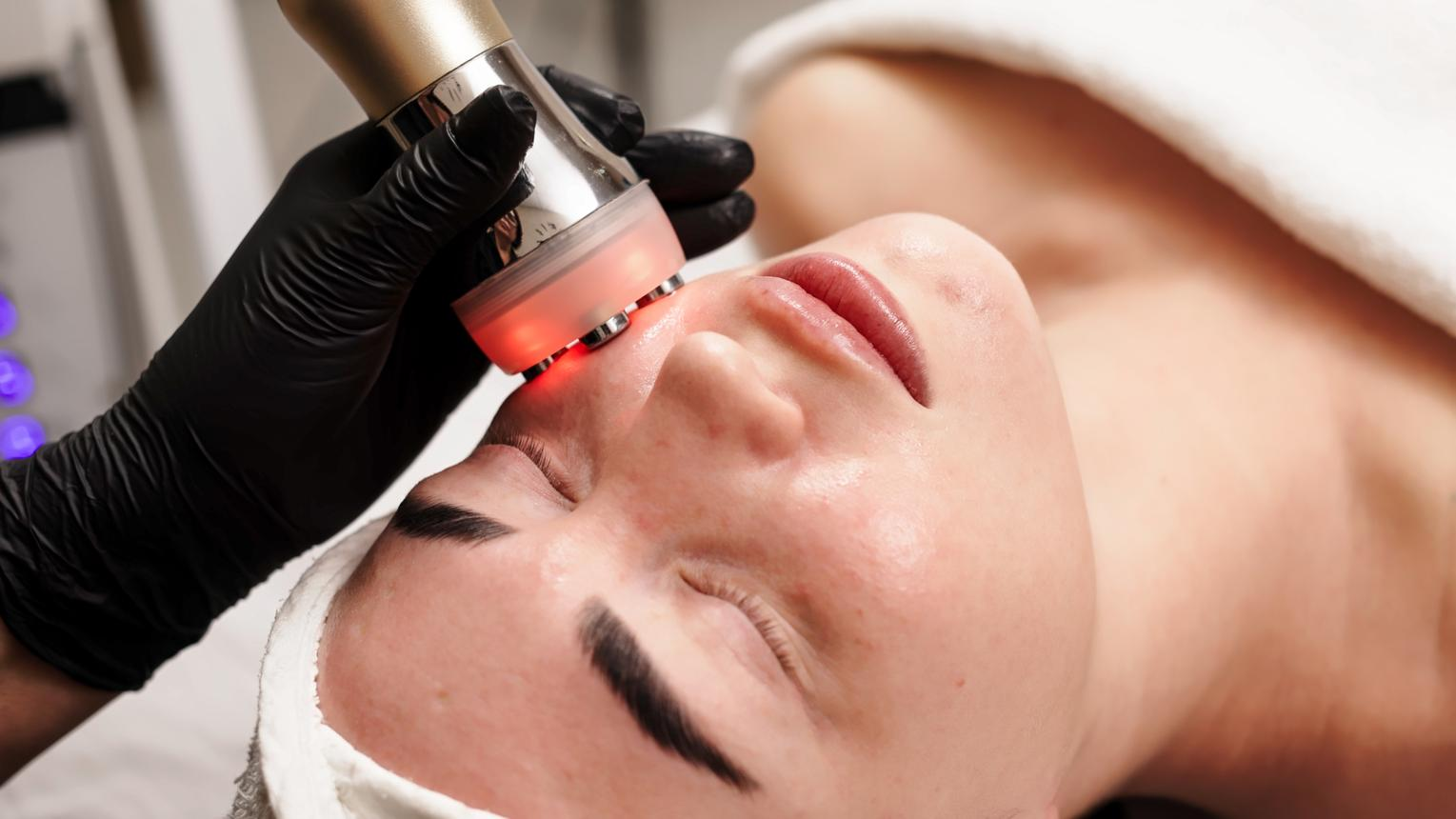
In today's aesthetic industry, clients expect treatments that deliver visible improvements without surgery, lengthy recovery periods, or significant discomfort. As a result, non-invasive technologies have become the cornerstone of modern skincare clinics and professional beauty salons. Among the many innovations available today, red light therapy and radio frequency (RF) have consistently proven their effectiveness for skin rejuvenation.
Individually, each technology has earned widespread recognition. Red light therapy is valued for stimulating cellular activity and supporting tissue repair, while RF technology is known for its ability to tighten skin by heating deeper dermal layers and encouraging collagen remodeling. However, recent advancements have shown that combining these two technologies within a single professional device offers greater treatment versatility and potentially enhanced clinical outcomes.
Instead of treating the skin through a single biological pathway, combination devices address multiple layers simultaneously. Red light targets cellular metabolism, while RF focuses on structural remodeling beneath the skin surface. Together, they create a comprehensive treatment approach that appeals to clinics seeking efficient, multi-functional equipment capable of treating various skin concerns.
For professional aesthetic businesses, understanding the science behind this combination helps explain why integrated systems have become increasingly popular—not simply because they include more technologies, but because these technologies complement each other biologically.
Background: Why Single-Technology Treatments Have Limitations
The skin is a remarkably complex organ composed of multiple interconnected layers. Aging affects each of these layers differently, making it difficult for any single technology to address every concern effectively.
Typical signs of skin aging include:
- Reduced collagen production
- Loss of skin elasticity
- Fine lines and wrinkles
- Uneven skin tone
- Dull complexion
- Slower tissue repair
- Decreased microcirculation
While many aesthetic devices target one or two of these concerns, clients increasingly expect comprehensive improvements from fewer treatment sessions.
For example:
- LED light therapy primarily stimulates biological activity within skin cells.
- RF primarily remodels collagen through controlled thermal energy.
- Neither technology alone completely addresses every stage of skin aging.
Professional clinics therefore seek equipment capable of delivering multi-dimensional treatment protocols without significantly increasing treatment complexity or appointment duration.
This growing demand has accelerated the development of combination devices that integrate complementary technologies into one platform.
Understanding Red Light Therapy: Turning Photons into Cellular Energy
How Red Light Works
Red light therapy belongs to the broader category of photobiomodulation (PBM), a process in which specific wavelengths of visible light interact with cells without causing thermal damage.
Professional aesthetic systems commonly utilize wavelengths between:
- 630–660 nm (red light)
- 810–850 nm (near-infrared, depending on device configuration)
Unlike ultraviolet light, these wavelengths do not damage DNA. Instead, they penetrate the skin and are absorbed by intracellular structures called mitochondria
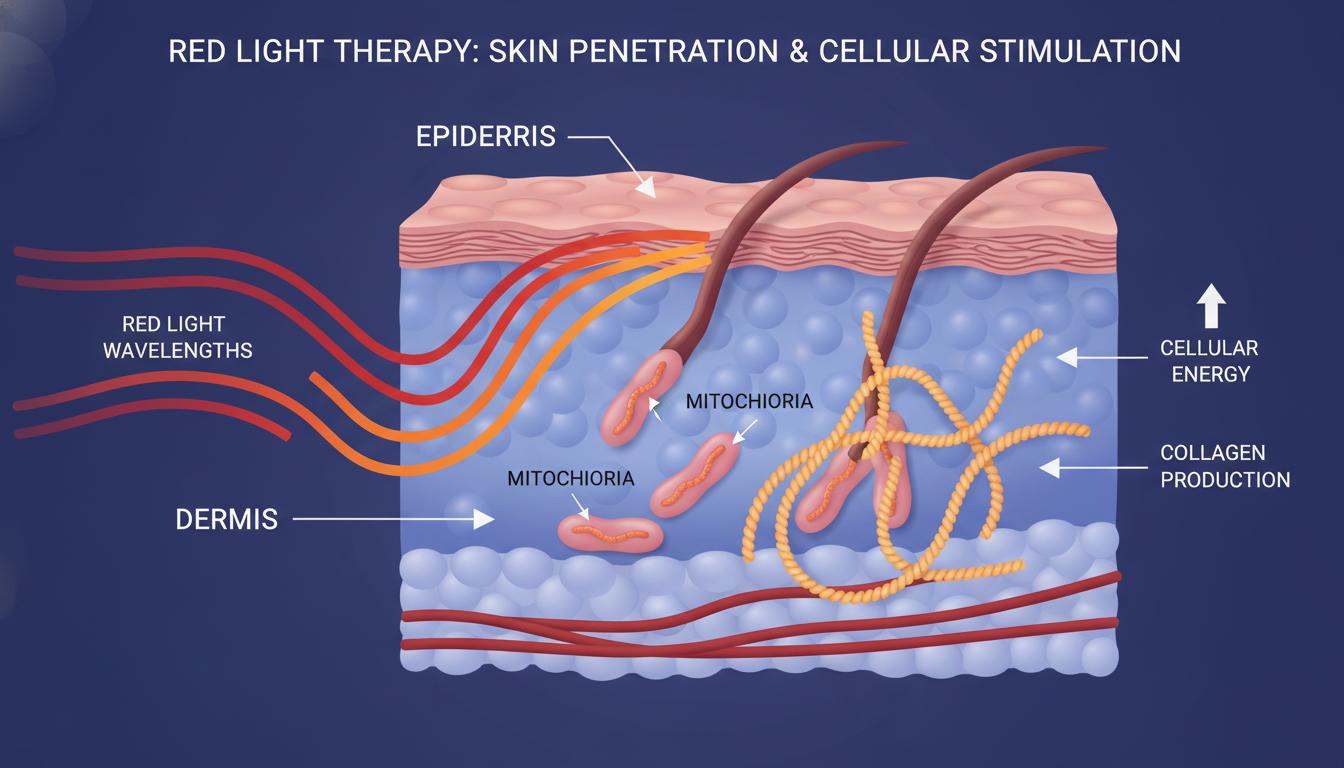
Inside the mitochondria, a molecule known as cytochrome c oxidase absorbs the incoming light energy. This interaction increases cellular respiration and encourages greater production of ATP (adenosine triphosphate)—the primary energy source used by virtually every cell in the body.
With more available ATP, skin cells become more metabolically active, supporting several important biological processes:
- Faster cellular repair
- Improved fibroblast activity
- Enhanced collagen synthesis
- Better circulation
- Reduced oxidative stress
- Improved skin recovery after treatments
This explains why red light therapy is often incorporated into post-treatment recovery protocols in professional clinics.
Why Fibroblasts Matter
One of the primary treatment goals in aesthetic medicine is stimulating fibroblasts.
Fibroblasts are responsible for producing:
- Collagen
- Elastin
- Extracellular matrix proteins
As people age, fibroblast activity naturally slows. Existing collagen fibers begin breaking down faster than new collagen can be produced.
The visible consequences include:
- Wrinkles
- Skin laxity
- Loss of firmness
- Rougher skin texture
Red light does not directly create collagen.
Instead, it provides an environment in which fibroblasts function more efficiently, enabling the body's natural collagen production mechanisms to work more effectively.
This distinction is important because professional treatments increasingly focus on supporting natural biological processes rather than artificially altering tissue.
Beyond Collagen: Additional Biological Benefits
Professional practitioners value red light therapy not only because it supports collagen production but also because it enhances the skin's overall biological environment.
Clinical observations have associated appropriate red light exposure with improvements in:
- Skin hydration
- Barrier function
- Microcirculation
- Mild inflammatory responses
- Recovery following aesthetic procedures
- Skin brightness and radiance
These supportive effects make red light an excellent companion technology for procedures involving thermal stimulation, microneedling, facial treatments, and other professional skin therapies.
Rather than replacing primary treatment technologies, red light often enhances the overall treatment experience by promoting healthier skin function before, during, or after aesthetic procedures.
Radio Frequency: Remodeling Skin from Within
While red light works primarily at the cellular level, radio frequency (RF) targets the skin's structural framework.
RF devices generate high-frequency electrical energy that produces controlled heating within the dermis. Unlike lasers, RF energy is not dependent on skin pigment, allowing it to be suitable for a broader range of skin types when operated appropriately by trained professionals.
The controlled heat reaches temperatures that encourage collagen fibers to contract while stimulating fibroblasts to initiate a longer-term remodeling response.
The treatment process generally involves two stages:
Immediate Response
Existing collagen fibers contract slightly when heated, creating a temporary tightening effect that many clients notice shortly after treatment.
Long-Term Remodeling
Over the following weeks and months, the body's natural wound-healing mechanisms gradually produce new collagen and elastin fibers.
As this remodeling continues, many patients experience improvements in:
- Skin firmness
- Facial contours
- Elasticity
- Wrinkle appearance
- Overall skin texture
Unlike superficial skincare products that primarily affect the epidermis, RF technology reaches deeper dermal structures where much of the skin's supportive architecture resides.
For this reason, RF has become one of the foundational technologies in professional non-invasive skin tightening treatments
How Red Light and RF Work Better Together
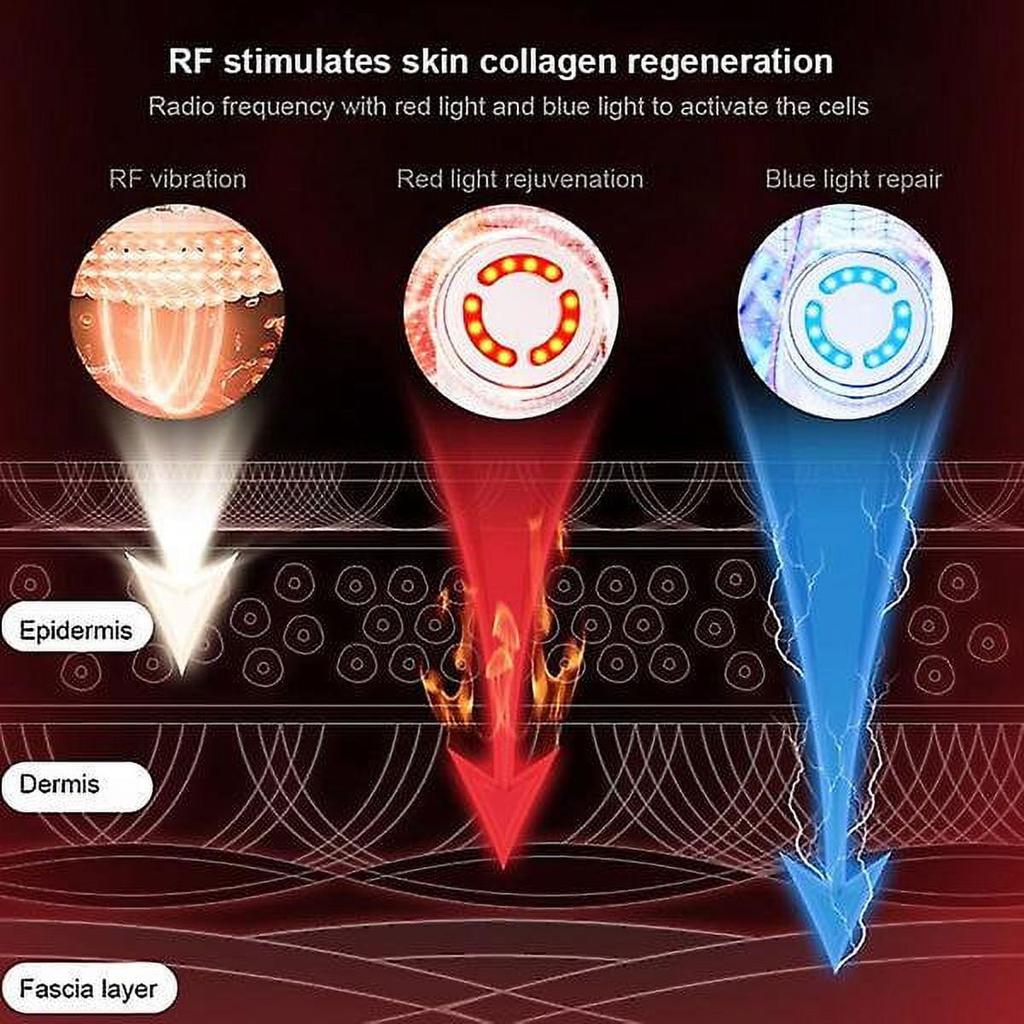
Individually, red light therapy and radio frequency are well-established technologies. Together, they create a treatment strategy that targets the skin through complementary biological pathways rather than relying on a single mechanism.
Red light primarily enhances cellular activity, while RF focuses on dermal remodeling. Instead of competing, these technologies support different stages of skin rejuvenation.
A useful way to understand the combination is to think of building a stronger structure:
- Red light helps "energize the workers" (skin cells and fibroblasts).
- RF provides the "construction signal" that encourages rebuilding collagen.
- Together, they promote a healthier environment for skin renewal while stimulating structural improvement beneath the surface.
This layered approach is one reason why many modern professional systems integrate both technologies into a single treatment platform.
The Biological Synergy
The interaction between red light and RF can be summarized in four stages.
Step 1: Cellular Activation
Red light increases ATP production inside fibroblasts and other skin cells.
Higher cellular energy allows these cells to respond more efficiently to physiological stimulation.
Step 2: Controlled Thermal Stimulation
RF gently heats the dermis, creating a controlled biological response without damaging the epidermis when proper treatment parameters are used.
This thermal effect encourages collagen contraction and initiates collagen remodeling.
Step 3: Enhanced Repair Environment
Because red light supports cellular metabolism and tissue recovery, many practitioners incorporate it before, during, or after RF treatments to help optimize the skin's regenerative environment.
The objective is not simply to heat the tissue but to encourage healthier biological recovery afterward.
Step 4: Progressive Collagen Remodeling
Over the following weeks, fibroblasts continue producing new collagen and elastin.
The result is gradual improvement in:
- Skin firmness
- Elasticity
- Fine lines
- Overall skin texture
- Facial contour definition
Since collagen remodeling is a natural biological process, improvements typically develop progressively rather than appearing overnight
Why Combination Devices Are Becoming Industry Standards
Professional clinics continually evaluate equipment based on treatment versatility, efficiency, client satisfaction, and long-term return on investment. Combination devices align well with these priorities.
1. Multiple Treatment Goals in One Session
Clients rarely present with only one concern. A typical consultation may include:
- Fine lines
- Mild skin laxity
- Uneven skin tone
- Dull complexion
- Loss of elasticity
Using a device that combines red light and RF allows practitioners to address several concerns during a single appointment, streamlining workflows while delivering a more comprehensive treatment experience.
2. Improved Treatment Efficiency
Operating multiple standalone devices often requires additional setup time, room changes, and protocol adjustments.
Integrated systems simplify the treatment process by offering complementary technologies within one platform, helping clinics improve efficiency without compromising professional standards.
3. Comfortable Non-Invasive Experience
Modern clients increasingly seek treatments that fit into busy lifestyles.
Compared with more invasive procedures, professionally administered red light and RF treatments generally involve:
- Minimal downtime
- Comfortable treatment experiences
- Gradual, natural-looking improvements
- Compatibility with ongoing skincare programs
These characteristics make them suitable for clients looking for preventative care as well as those seeking visible rejuvenation.
4. Suitable for Various Skin Types
Unlike some light-based technologies that rely heavily on skin pigmentation, RF energy works independently of melanin.
Combined with appropriately selected red light wavelengths, professional systems can often accommodate a wide range of skin types when used by trained practitioners following proper protocols.
This versatility expands treatment opportunities for clinics serving diverse client populations.
Professional Applications in Aesthetic Clinics
The versatility of red light and RF combination devices makes them valuable across multiple professional treatment programs.
Common applications include:
Facial Skin Tightening
Helping improve mild to moderate skin laxity by supporting collagen remodeling.
Anti-Aging Programs
Reducing the appearance of fine lines while improving overall skin texture and elasticity.
Post-Treatment Recovery Support
Red light therapy is frequently integrated into comprehensive treatment plans following other aesthetic procedures to promote a healthier recovery environment.
Preventative Skin Maintenance
Many younger clients seek non-invasive treatments before significant aging develops.
Routine collagen-supporting treatments can become part of long-term skin maintenance strategies under professional supervision.
Premium Facial Treatments
High-end spas and medical aesthetic clinics increasingly combine RF, red light, hydration technologies, and customized skincare protocols to create differentiated treatment experiences.
Professional Equipment vs. Home Devices
The growing popularity of home-use beauty devices has increased consumer awareness of both red light therapy and RF. However, professional systems remain the preferred choice for clinics and medical aesthetic practices due to their broader treatment capabilities.
Professional equipment typically offers:
| Professional Systems | Home Devices |
|---|---|
| Higher and more stable energy output | Lower energy for consumer safety |
| Larger treatment areas | Smaller treatment heads |
| Advanced temperature monitoring | Limited control features |
| Multiple treatment modes | Basic functions |
| Customizable protocols | Fixed settings |
| Designed for continuous clinical use | Intended for occasional personal use |
Home devices can support daily skincare routines, but professional systems are generally better suited for clients seeking more comprehensive skin rejuvenation under trained supervision.
Meeting Modern Client Expectations
Today's aesthetic clients are increasingly informed. They often research treatment technologies before booking an appointment and expect practitioners to explain not only what a treatment does but also how it works.
Devices that combine scientifically recognized technologies such as red light therapy and RF help clinics communicate treatment value with greater confidence.
Rather than relying on marketing claims alone, practitioners can explain the complementary biological mechanisms behind each technology and how they work together to support healthier-looking skin.
This educational approach builds trust while helping clients develop realistic expectations about gradual collagen remodeling and long-term skin maintenance.
Conclusion
The evolution of aesthetic technology continues to move toward intelligent combinations rather than isolated treatment methods. Red light therapy and radio frequency exemplify this trend by addressing skin rejuvenation through complementary mechanisms—one enhancing cellular energy and biological activity, the other promoting collagen remodeling within the dermis.
For professional aesthetic clinics and beauty centers, combination devices offer more than convenience. They provide the flexibility to create customized treatment protocols, improve workflow efficiency, and address multiple skin concerns with a single integrated platform.
As client demand continues to shift toward non-invasive, science-backed treatments, technologies that combine photobiomodulation with controlled RF energy are likely to remain an important part of modern aesthetic practice. By understanding the journey from photons to collagen, practitioners can better appreciate how these technologies work together to support healthier, firmer, and more youthful-looking skin
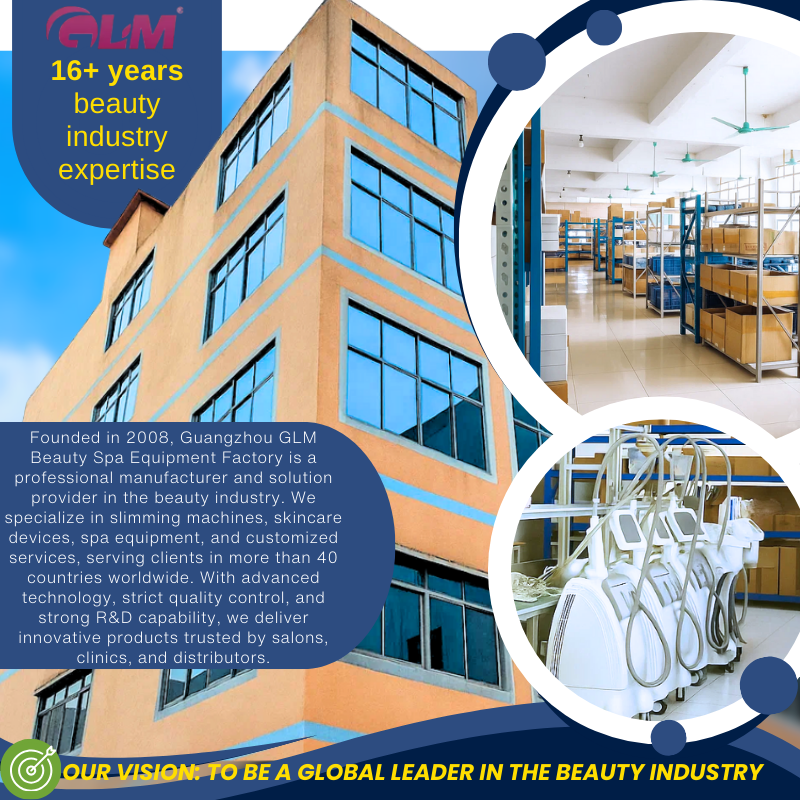
Founded in 2008, Guangzhou GLM Beauty Spa Equipment Factory specializes in research, development, manufacture and selling of beauty and slimming machines. Our production base is located in Guangzhou City, Guangdong Province, China. Since our foundation, we have introduced advanced technologies and equipment, to assure high quality and high performance of our products. With professional marketing guide and excellent after-sales service, our products have been exported to over 20 countries and regions, including Southeast Asia, the Middle East, Europe and the United States, won worldwide praises and gained a good reputation