1. Introduction
The professional beauty industry is increasingly focusing on treatments that combine multiple technologies to improve skin appearance, enhance treatment experiences, and provide more personalized facial care. In 2026, hot and cold facial therapy is attracting attention as an effective approach to integrating temperature-based technology into professional skincare services.
Unlike conventional facial treatments that rely primarily on cleansing, moisturizing, or applying skincare products, thermal contrast therapy uses controlled temperature changes to support different stages of a facial treatment. Warmth can help soften the skin surface, improve the application experience, and prepare the skin for subsequent procedures. Cooling, on the other hand, can provide a refreshing sensation, help temporarily reduce the appearance of redness, and leave the skin feeling comfortable after treatment.
When these two temperature-based approaches are combined in a structured protocol, beauty professionals can create a more comprehensive facial experience. The treatment can be incorporated into cleansing, hydration, soothing, and skin-conditioning programs, making it suitable for a variety of professional beauty environments.
For beauty salons, medical spas, and aesthetic clinics, professional hot and cold facial devices offer more than a simple temperature adjustment. They provide operators with greater control over treatment procedures, help standardize service delivery, and create opportunities to develop differentiated facial care packages.
2. Background and Problems: Why Does Skin Need Thermal Balance?
Skin is constantly exposed to environmental changes, including temperature fluctuations, air pollution, ultraviolet radiation, and indoor heating or air conditioning. These factors, together with individual skincare habits and lifestyle conditions, can influence the skin's comfort, hydration, and overall appearance.
Many clients experience temporary skin concerns such as dryness, dullness, visible redness, uneven texture, and a feeling of tightness. After cleansing or exfoliation, some people may also experience temporary sensitivity or discomfort. For professional skincare providers, addressing these concerns requires more than simply applying additional skincare products.
Temperature is an important factor in the way the skin responds to external stimulation. Warmth can temporarily increase superficial blood flow and soften accumulated surface oils and impurities, while cooling can produce a soothing sensation and temporarily reduce superficial blood flow.
However, the purpose of professional thermal facial care is not to expose the skin to extreme temperatures. Instead, it is to apply carefully controlled warmth and cooling according to the skin's condition and the objectives of each treatment stage.
This distinction is important because excessive heat may aggravate redness or discomfort, while overly cold temperatures may cause irritation or excessive sensitivity. Clients with rosacea-prone skin, impaired skin barriers, active inflammation, or temperature sensitivity may require modified protocols or alternative treatments.
Traditional facial treatments often use warm towels, manual cooling techniques, or basic temperature-controlled accessories. Although these methods can be useful, they may offer limited control over temperature consistency, treatment duration, and operator workflow.
Professional thermal contrast devices help address these limitations by providing more standardized temperature delivery. This allows beauty professionals to incorporate temperature-based procedures into structured treatment programs rather than relying entirely on manual techniques.
3. Technology and Mechanism: How Does Hot and Cold Facial Therapy Work?
Hot and cold facial therapy is based on the controlled application of thermal stimulation to the skin surface. Professional equipment typically uses heating and cooling components, temperature sensors, and operator-controlled settings to deliver different temperature experiences during a facial treatment.
The exact temperature range, contact method, and treatment duration depend on the device design and manufacturer's instructions. Therefore, professional operators should always follow the equipment specifications rather than applying universal temperature settings.
3.1 Warm Therapy: Preparing the Skin for Treatment
The warm phase generally focuses on preparing the skin and improving the comfort of subsequent facial procedures.
Controlled warmth can temporarily increase superficial blood flow through a process known as vasodilation. It may also soften surface oils and help loosen accumulated impurities, making it useful as part of a professional cleansing routine.
In practical applications, warm facial therapy can be incorporated before selected cleansing, hydration, or skin-conditioning procedures. It may help improve the overall treatment experience by making the skin feel softer and more comfortable.
For example, during a professional facial session, an operator may use a warm treatment head as part of the preparation stage before applying suitable skincare products or performing other non-invasive procedures.
It is important to understand that warmth does not automatically open pores or remove impurities from deep within the skin. Instead, its value lies in supporting surface preparation and creating suitable conditions for subsequent skincare steps.
3.2 Cold Therapy: Cooling and Skin Comfort
The cold phase introduces controlled cooling to the skin surface.
Cooling can temporarily cause superficial blood vessels to constrict, a response known as vasoconstriction. This may help reduce the appearance of temporary redness and create a refreshed, soothing sensation.
In professional facial treatments, cooling is often incorporated toward the end of a procedure, particularly after cleansing, exfoliation, or hydration steps when clients may appreciate additional comfort.
A cooling treatment head can also become part of a relaxation-focused facial service. Its refreshing sensation may be particularly appealing during warmer seasons or for clients who prefer a soothing finish to their skincare routine.
However, cold therapy should not be presented as a permanent solution for enlarged pores, inflammation, or other dermatological conditions. Its effects are generally temporary and primarily related to skin sensation and superficial vascular responses.
3.3 Thermal Contrast: Combining Warm and Cold Stimulation
The defining feature of thermal contrast technology is the planned combination of warm and cold phases.
Rather than treating warmth and cooling as separate services, professional operators can integrate them into a coordinated treatment sequence based on individual skin needs.
A typical approach may include:
-
Skin preparation: Cleanse the skin and assess its condition before treatment.
-
Warm phase: Apply controlled warmth according to the device's recommended settings.
-
Main facial procedure: Perform appropriate cleansing, hydration, or skin-conditioning steps.
-
Cold phase: Introduce controlled cooling to provide a refreshing and soothing finish.
-
Final care: Apply suitable moisturizer and sunscreen when appropriate.
Alternating warm and cold stimulation produces different short-term vascular responses. Warmth generally promotes superficial vasodilation, while cooling encourages vasoconstriction.
Nevertheless, thermal contrast should not be described as a guaranteed method of improving deep circulation, detoxifying the skin, or stimulating collagen production. Its professional value is better understood through controlled temperature application, treatment comfort, and its integration into a comprehensive facial protocol.
3.4 Integration with Other Professional Beauty Technologies
One of the advantages of thermal contrast equipment is its potential to complement other non-invasive facial technologies.
For example, hot and cold functions may be incorporated into facial programs that also include:
-
Ultrasonic skin cleansing.
-
Hydrodermabrasion and hydration treatments.
-
LED light therapy.
-
Oxygen-based facial treatments.
-
Gentle skin-conditioning procedures.
-
Professional moisturizing and soothing protocols.
Each technology serves a different purpose. Thermal treatment primarily manages the temperature experience, while other technologies may focus on cleansing, exfoliation, hydration, or light-based skin conditioning.
Combining these functions within an appropriate treatment sequence allows beauty professionals to design more comprehensive services without relying on a single treatment modality.
4. Advantages and Comparison: Professional Thermal Devices vs. Traditional Methods
As client expectations continue to evolve, professional beauty providers need equipment that supports consistent service delivery, efficient operation, and flexible treatment design.
Professional hot and cold facial devices offer several practical advantages compared with conventional manual methods.
4.1 More Controlled Temperature Delivery
Traditional warm towels and manual cooling methods can be affected by room temperature, preparation time, and operator technique.
Professional equipment is designed to provide more controlled heating and cooling according to its technical specifications. This helps operators maintain a more consistent treatment process and reduces reliance on subjective temperature judgments.
4.2 More Standardized Treatment Procedures
In a busy beauty salon or aesthetic clinic, treatment consistency is essential.
A professional device with adjustable settings and clearly defined operating procedures allows staff members to follow a repeatable treatment sequence. This is particularly useful for businesses with multiple operators or standardized facial packages.
4.3 Greater Treatment Flexibility
A combination of hot and cold functions allows professionals to adapt their services to different treatment objectives.
For example, warm therapy may be used during skin preparation, while cooling may be selected for a soothing finishing stage. Depending on the equipment, operators may also adjust the treatment duration or temperature intensity within the manufacturer's recommended range.
This flexibility supports customized facial services without requiring separate devices for every temperature-based procedure.
4.4 Improved Client Experience
The sensory experience of a facial treatment is an important part of customer satisfaction.
Warmth can create a relaxing feeling, while cooling provides a refreshing finish. When applied appropriately, these contrasting sensations can make a facial session feel more structured and distinctive.
For beauty businesses, this creates an opportunity to enhance the perceived value of existing facial services and introduce new treatment combinations.
4.5 Professional Equipment and Home-Use Devices
Home-use facial tools are generally designed for individual convenience and simple operation. They may provide basic warming or cooling functions, but their adjustment options, output consistency, and treatment workflow can vary considerably.
Professional equipment is developed for repeated use in commercial environments. Depending on the model, it may offer more precise temperature control, stronger operational stability, ergonomic treatment heads, and settings suitable for different professional procedures.
Professional devices also allow trained operators to assess the client's skin condition before selecting a treatment approach.
The main difference is therefore not simply the temperature itself, but the level of treatment control, operational consistency, and integration into a professional service system.
5. Applications and Client Needs: Where Can Thermal Contrast Facial Therapy Be Used?
Hot and cold facial therapy can be incorporated into various professional beauty services. Its versatility makes it particularly suitable for businesses looking to expand their facial treatment menus.
5.1 Professional Deep-Cleansing Facials
Warm therapy can be used as a preparation step before selected cleansing procedures.
By softening surface oils and supporting a comfortable cleansing experience, it can complement ultrasonic cleansing, hydrodermabrasion, and other non-invasive facial services.
Cold therapy may then be introduced as a finishing step to provide a refreshed skin sensation.
5.2 Hydration and Skin-Conditioning Treatments
Clients frequently seek facial services that help improve the appearance of dry, dull, or dehydrated skin.
Thermal contrast functions can be incorporated into hydration-focused treatments. Warmth may be used during preparation, while cooling can provide a comfortable finish after suitable moisturizing products have been applied.
The primary hydration benefits still come from appropriate skincare formulations and treatment procedures rather than temperature changes alone.
5.3 Soothing Facial Treatments
Some clients prefer facial services that emphasize relaxation and skin comfort rather than intensive exfoliation or aggressive procedures.
A carefully controlled cooling phase may be incorporated into gentle facial programs to provide a refreshing sensation.
However, clients with active inflammation, broken skin, or pronounced temperature sensitivity should be assessed before treatment. Cooling should never be used to mask a potentially adverse skin reaction.
5.4 Seasonal Facial Care
Seasonal changes create different skincare demands.
During warmer months, clients may prefer cooling facial treatments that provide a refreshing experience. During colder seasons, warm preparation procedures may become more attractive as part of a moisturizing and comfort-focused facial service.
Beauty salons can adapt their treatment combinations according to seasonal preferences while maintaining appropriate temperature and safety protocols.
5.5 Medical Spas and Aesthetic Clinics
Medical spas and aesthetic clinics can incorporate thermal contrast technology into selected non-invasive facial programs.
For example, it may serve as a supplementary step within a broader treatment plan involving cleansing, hydration, or post-procedure comfort care, provided the treating professional considers it appropriate.
Thermal contrast is not a substitute for medical assessment or prescribed post-procedure care. Following energy-based procedures, chemical peels, or other treatments that compromise the skin barrier, the operator must follow the relevant professional aftercare instructions.
5.6 Different Client Groups and Customized Treatment Plans
Not every client responds to temperature stimulation in the same way.
A professional consultation should consider:
-
Skin type and current skin condition.
-
Sensitivity to heat or cold.
-
The presence of visible redness or irritation.
-
Recent exfoliation or aesthetic procedures.
-
Skin barrier condition.
-
The client's treatment expectations.
For clients with sensitive or reactive skin, a gentler approach or an alternative treatment may be more appropriate.
This is where professional equipment and trained operation become particularly important. Rather than applying identical temperature settings to everyone, operators can select suitable procedures based on individual assessments and manufacturer guidance.
6. Conclusion: A Practical Direction for Professional Facial Technology in 2026
In 2026, the development of professional facial equipment is increasingly focused on treatment personalization, multifunctional applications, and improved client experiences.
Hot and cold facial therapy reflects this direction by combining two complementary temperature-based approaches within a structured skincare procedure. Warmth can support skin preparation and treatment comfort, while cooling can provide a refreshing sensation and help temporarily reduce the appearance of redness.
More importantly, thermal contrast technology offers beauty professionals a practical way to enrich existing facial programs, improve treatment consistency, and create differentiated services for different client needs.
For beauty salons, medical spas, and aesthetic clinics, investing in professional hot and cold facial equipment is not simply about adding another temperature function. It is about improving treatment workflow, expanding service possibilities, and delivering a more controlled and professional skincare experience.
As the beauty industry continues to evolve, equipment that combines reliable temperature management, user-friendly operation, and compatibility with other facial technologies will remain valuable for professional skincare businesses
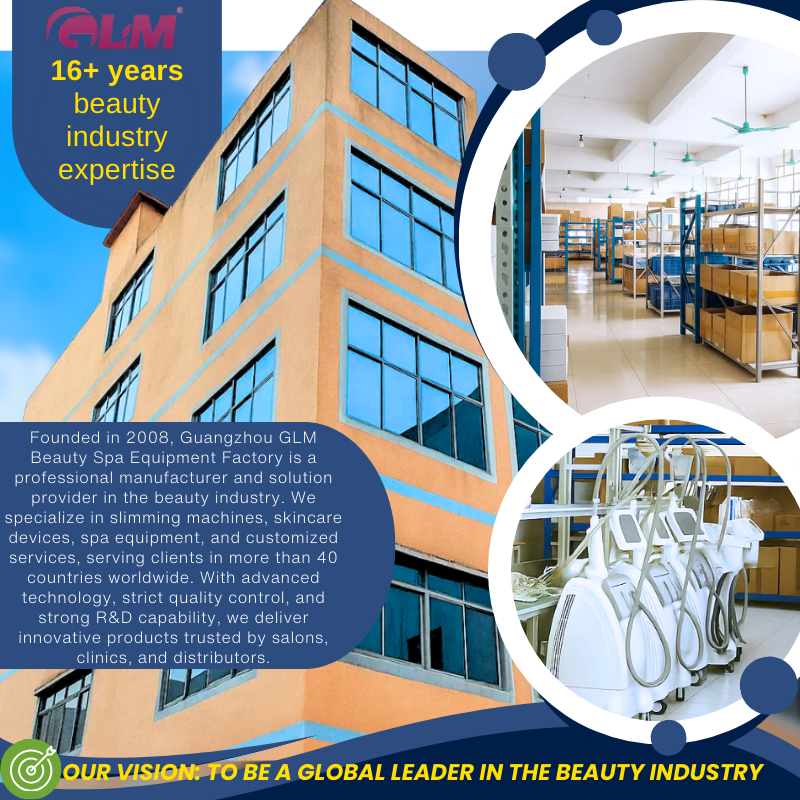
Founded in 2008, Guangzhou GLM Beauty Spa Equipment Factory specializes in research, development, manufacture and selling of beauty and slimming machines. Our production base is located in Guangzhou City, Guangdong Province, China. Since our foundation, we have introduced advanced technologies and equipment, to assure high quality and high performance of our products. With professional marketing guide and excellent after-sales service, our products have been exported to over 20 countries and regions, including Southeast Asia, the Middle East, Europe and the United States, won worldwide praises and gained a good reputation