
1. Introduction
The professional aesthetics industry is moving toward integrated facial treatments that address multiple skin concerns within a single treatment plan. Rather than focusing exclusively on cleansing, hydration, or skin tightening, beauty clinics and medical spas are increasingly exploring combination technologies that deliver complementary benefits.
One notable approach in 2026 is the combination of hydro-hydrogen facial technology and radiofrequency (RF). By bringing together water-based skin cleansing, hydration-focused treatments, and controlled thermal energy, this combination offers a more comprehensive approach to professional facial rejuvenation.
Hydro-hydrogen technology is commonly associated with water-based exfoliation, pore cleansing, and the application of hydrogen-rich solutions. Depending on the device design, it may also incorporate suction, serum infusion, and other facial treatment functions. RF technology, meanwhile, uses electrical energy to generate controlled heat within targeted skin tissues, supporting collagen remodeling and improving the appearance of skin firmness.
These technologies address different aspects of skin quality. Hydro-hydrogen treatments focus primarily on surface preparation, cleansing, and hydration, while RF treatments target deeper tissue structures associated with elasticity and firmness.
For professional beauty salons, aesthetic clinics, and skincare centers, combining these technologies creates opportunities to develop more customized facial protocols. It also allows practitioners to address several client concerns through a structured treatment experience rather than relying on a single treatment modality.
Understanding how hydro-hydrogen and RF work together is therefore important for businesses evaluating multifunctional facial equipment and developing competitive professional skincare services.
2. Background: Why Hydration and Skin Firmness Need a Combined Approach
Skin aging is influenced by several interconnected factors, including reduced collagen production, environmental exposure, oxidative stress, changes in skin barrier function, and the gradual loss of moisture.
As these changes develop, clients may experience rough skin texture, visible fine lines, reduced elasticity, enlarged-looking pores, and a dull complexion. Dehydrated skin can also appear less smooth and make existing fine lines more noticeable.
Traditional facial treatments often focus on one primary concern. Basic cleansing procedures remove surface impurities, while moisturizing treatments aim to improve skin hydration. However, these approaches do not necessarily address the structural changes associated with declining dermal collagen.
On the other hand, energy-based treatments such as RF focus on tissue heating and collagen remodeling. Although these treatments can improve the appearance of skin firmness, they are not designed to replace routine cleansing or hydration procedures.
This creates an opportunity for combination treatments.
A hydro-hydrogen facial session can help prepare the skin through gentle exfoliation, cleansing, and hydration-focused procedures. An appropriately selected RF treatment can then address concerns related to skin laxity, texture, and visible signs of aging.
The two technologies serve different purposes rather than competing with each other.
For professional practitioners, this distinction is particularly important. A client with dehydrated, rough skin may require a different treatment priority from someone primarily concerned about mild skin laxity or reduced facial firmness. A combined platform provides more flexibility when designing treatment programs around individual skin conditions.
However, treatment sequencing and compatibility must be determined according to the manufacturer's instructions, the specific RF technology, and the client's skin condition. Combining technologies does not automatically mean that every function should be performed during the same session.
3. Technology and Mechanism: How Hydro-Hydrogen and RF Work
3.1 Hydro-Hydrogen Technology: Cleansing, Exfoliation, and Hydration
Hydro-hydrogen facial technology is commonly incorporated into multifunctional facial machines designed for professional skin cleansing and hydration.
Depending on the equipment configuration, the treatment may combine several functions:
-
Hydrodermabrasion: Uses a controlled stream of liquid and a specialized treatment tip to help loosen and remove surface impurities and dead skin cells.
-
Vacuum-assisted cleansing: Uses adjustable suction to help remove loosened debris from the skin surface and pores.
-
Hydrogen-rich water application: Uses hydrogen-containing water as part of a facial treatment protocol. Molecular hydrogen is being investigated for its potential antioxidant properties, although the clinical benefits of topical hydrogen facial treatments require further standardized research.
-
Serum infusion: Applies selected cosmetic solutions, such as hydrating formulations containing hyaluronic acid, to support surface hydration.
-
Multi-step facial care: Allows practitioners to organize cleansing, exfoliation, hydration, and soothing procedures into a structured treatment.
The primary value of hydro-hydrogen technology lies in combining several skin-preparation functions within one professional platform.
For example, a hydrodermabrasion handpiece can help remove accumulated surface debris, while a hydration-focused handpiece can apply suitable cosmetic solutions. This creates a smoother and more comfortable starting point for subsequent skincare procedures.
It is important to distinguish hydration from deeper tissue remodeling. Water-based facial treatments primarily support the skin surface and its moisture balance. They should not be described as directly rebuilding deep dermal collagen.
3.2 Radiofrequency Technology: Controlled Heating and Collagen Remodeling
Radiofrequency is an established energy-based technology used in professional aesthetic treatments.
Unlike conventional cleansing equipment, RF devices deliver electrical energy through specialized electrodes. The electrical current interacts with tissue impedance and generates heat within the targeted treatment area.
Under appropriately controlled conditions, RF-induced heating can produce several biological responses.
1. Immediate collagen fiber contraction
Controlled thermal exposure can alter the structure of existing collagen fibers, producing an initial tightening response. This is one reason some clients notice a temporary improvement in skin firmness following RF treatment.
2. Fibroblast activation
Thermal stimulation can influence fibroblast activity. Fibroblasts are important cells responsible for producing components of the extracellular matrix, including collagen.
3. Collagen remodeling
Following controlled thermal stimulation, the skin initiates a repair and remodeling response. Over time, changes in collagen organization and production may contribute to improvements in skin texture and firmness.
4. Improved appearance of skin elasticity
As collagen remodeling develops, some clients may experience gradual improvements in the appearance of mild skin laxity and fine lines.
The actual treatment effect depends on several factors, including RF frequency, electrode configuration, energy level, treatment duration, tissue characteristics, and the operator's technique.
Monopolar, bipolar, and multipolar RF systems also differ in how energy is delivered and distributed. Therefore, professional practitioners should select equipment and parameters according to the intended treatment area and the manufacturer's validated operating protocol.
3.3 Why Combine Hydro-Hydrogen with RF?
The combination is based on functional complementarity.
Hydro-hydrogen technology focuses on cleansing and hydration, while RF focuses on controlled thermal stimulation and collagen remodeling.
A professional treatment program may therefore address two different dimensions of skin quality:
-
Surface-level concerns: accumulated impurities, rough texture, and dehydration.
-
Firmness-related concerns: mild skin laxity, fine lines, and changes in skin elasticity.
This integrated approach can make facial treatment programs more adaptable to different client needs.
However, better results should not be assumed simply because two technologies are used together. Appropriate treatment selection, sequencing, equipment quality, and operator training remain essential.
4. Advantages and Comparison: Integrated Facial Equipment vs. Single-Function Devices
4.1 More Comprehensive Treatment Options
Single-function facial devices are designed to address a relatively specific treatment objective. A cleansing device may focus on exfoliation and pore care, while an RF device primarily supports skin tightening and rejuvenation.
An integrated hydro-hydrogen and RF platform can provide both treatment categories within one equipment system.
This gives professional operators more options when developing facial programs for clients with different concerns.
For example, a clinic may offer a hydration-focused facial for clients with dull or dehydrated skin, an RF-focused treatment for clients concerned about mild skin laxity, and a professionally selected combination protocol for clients requiring a broader skin-quality approach.
4.2 Greater Treatment Customization
Not every client requires the same treatment intensity or combination.
Multifunctional equipment allows operators to select suitable handpieces and functions according to the client's skin condition, treatment goals, and tolerance.
A younger client primarily concerned with skin dehydration may benefit from a cleansing and hydration-focused program. A client with early signs of skin laxity may require a separately planned RF treatment.
This flexibility helps clinics move away from standardized facial procedures and toward more individualized service planning.
4.3 Better Equipment Utilization
For beauty salons and aesthetic clinics, equipment investment is closely connected to treatment utilization.
A multifunctional facial machine may support several service categories without requiring separate machines for every procedure. This can help optimize treatment-room space, simplify equipment management, and create opportunities for different facial service packages.
It may also support business development by allowing clinics to introduce basic, premium, and combination facial programs using a shared equipment platform.
However, buyers should evaluate the actual functions, consumable requirements, treatment efficiency, maintenance costs, and training requirements rather than judging equipment value solely by the number of handpieces.
4.4 Professional Devices vs. Home-Use Facial Equipment
Home-use facial devices are generally designed around simplified operation, lower complexity, and convenient personal skincare routines.
Professional hydro-hydrogen and RF equipment is developed for a different service environment.
Depending on the model, professional platforms may provide:
-
More comprehensive treatment configurations.
-
Adjustable operating parameters within manufacturer specifications.
-
Multiple specialized handpieces.
-
Professional treatment interfaces.
-
Higher flexibility for customized service protocols.
-
Equipment support, operator training, and maintenance services.
The distinction is not simply that professional equipment is always more powerful. Rather, professional devices are designed to support trained operators who can assess skin conditions, select appropriate treatment settings, and manage the complete treatment process.
For clinics, this professional control is an important part of delivering consistent and responsible services.
5. Applications and Client Needs in Professional Beauty Clinics
Hydro-hydrogen and RF combination equipment can support several categories of professional facial services.
5.1 Hydration-Focused Facial Treatments
Clients with dull-looking, rough, or dehydrated skin often seek treatments that improve surface smoothness and hydration.
A hydro-hydrogen treatment can combine gentle exfoliation, cleansing, and the application of suitable hydrating formulations.
Depending on the client's skin condition, practitioners may use a hydration-focused protocol without adding RF.
This treatment category is particularly suitable for facial maintenance services and clients who prioritize skin freshness and moisture.
5.2 Skin Rejuvenation and Firmness Treatments
Clients concerned about early signs of aging may be more interested in improving the appearance of fine lines, mild skin laxity, and reduced firmness.
RF technology can be incorporated into a professionally planned rejuvenation program to support collagen remodeling.
Practitioners should select appropriate energy levels and treatment areas according to the equipment instructions and individual client assessment.
5.3 Combined Facial Maintenance Programs
For clients with multiple concerns, clinics may develop structured treatment plans that incorporate cleansing, hydration, and RF at appropriate intervals.
A typical program may include:
-
Skin consultation and condition assessment.
-
Gentle cleansing and preparation.
-
Hydro-hydrogen treatment according to skin tolerance.
-
Evaluation of whether RF is appropriate for the client.
-
RF treatment using validated device settings, when indicated.
-
Application of suitable post-treatment skincare.
-
Documentation and follow-up assessment.
The sequence is not universal. Some RF devices require clean, dry skin or specific conductive media. Hydro-hydrogen procedures and RF should only be combined in the same session when the device instructions and professional protocol explicitly support that approach.
5.4 Supporting Different Business Models
This combination technology can be relevant to several professional business environments.
Beauty salons: Can develop hydration, cleansing, and skin-maintenance packages to expand facial service options.
Medical spas: Can incorporate suitable non-invasive RF treatments into broader aesthetic programs, subject to local regulations and professional scope of practice.
Aesthetic clinics: Can use consultation-based treatment planning to address different skin-quality concerns through complementary technologies.
Beauty equipment distributors: Can present multifunctional systems to buyers seeking versatile equipment for professional facial services.
For equipment manufacturers, understanding these different customer requirements is essential when developing product configurations, handpiece options, user interfaces, and OEM/ODM solutions.
6. Safety, Treatment Planning, and Equipment Selection
Technology integration should always be supported by appropriate safety procedures.
Before treatment, practitioners should review the client's skin condition, medical and treatment history, sensitivity, and relevant contraindications.
RF treatment requires particular attention to temperature management, electrode contact, energy settings, and treatment duration. Excessive heating or inappropriate application may cause burns, discomfort, or other adverse effects.
Hydrodermabrasion and suction-based procedures also require appropriate pressure settings and careful technique, particularly for clients with sensitive or compromised skin.
The following factors should be considered when selecting professional equipment:
-
RF configuration: Understand whether the system uses monopolar, bipolar, or multipolar RF and what treatment applications the manufacturer supports.
-
Parameter control: Check whether energy, intensity, and treatment time can be adjusted within specified operating limits.
-
Hydro-hydrogen functions: Confirm the actual water treatment, suction, infusion, and cleansing functions rather than relying on marketing terminology.
-
Treatment handpieces: Evaluate their materials, ergonomics, durability, and suitability for professional operation.
-
Safety features: Review temperature monitoring, output control, automatic protection, and applicable electrical and product safety certifications.
-
After-sales support: Consider operator training, technical assistance, spare parts, and warranty coverage.
Clients with active skin infections, open wounds, significant irritation, or other contraindications should not receive inappropriate procedures. RF treatment may also be unsuitable for certain clients with implanted electronic devices or other medical conditions. Screening and referral should follow the device instructions and applicable professional standards.
7. Conclusion: The Future of Integrated Facial Technology in 2026
The development of professional facial equipment is increasingly focused on combining complementary technologies rather than relying on a single treatment function.
Hydro-hydrogen technology offers a practical approach to surface cleansing, exfoliation, and hydration-focused skincare, while RF provides a different treatment pathway through controlled thermal stimulation and collagen remodeling.
Together, these technologies can support more flexible professional facial programs addressing hydration, skin texture, and the appearance of firmness.
For beauty salons, medical spas, and aesthetic clinics, multifunctional facial equipment can create opportunities to expand treatment menus, improve equipment utilization, and respond to clients seeking more comprehensive skincare experiences.
Nevertheless, successful combination treatments depend on more than technology integration. Equipment quality, validated treatment parameters, operator expertise, appropriate client assessment, and responsible treatment planning all contribute to the overall service experience.
As the professional beauty market develops in 2026, hydro-hydrogen and RF combination platforms represent an interesting direction for clinics seeking versatile facial treatment solutions and manufacturers developing the next generation of professional aesthetic equipment
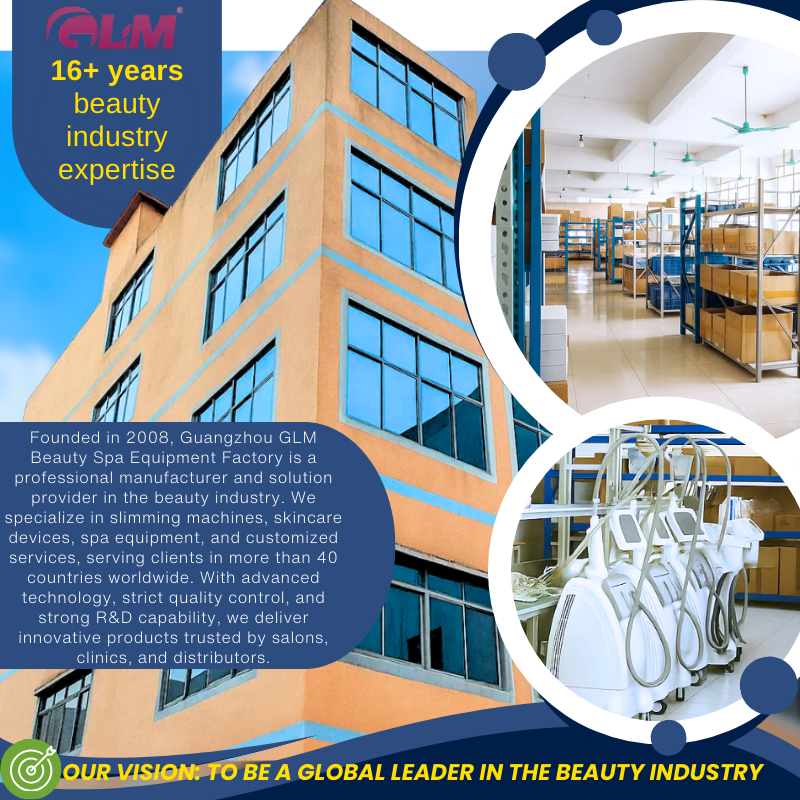
Founded in 2008, Guangzhou GLM Beauty Spa Equipment Factory specializes in research, development, manufacture and selling of beauty and slimming machines. Our production base is located in Guangzhou City, Guangdong Province, China. Since our foundation, we have introduced advanced technologies and equipment, to assure high quality and high performance of our products. With professional marketing guide and excellent after-sales service, our products have been exported to over 20 countries and regions, including Southeast Asia, the Middle East, Europe and the United States, won worldwide praises and gained a good reputation