
Introduction
Hair loss, thinning hair, oily scalp, dandruff, and scalp sensitivity are becoming increasingly common concerns among consumers of all ages. While the demand for hair restoration and scalp rejuvenation continues to grow, treatment success depends on much more than simply choosing a popular device or applying high-end hair care products.
Professional clinics and aesthetic salons have recognized an important fact: effective hair treatment begins with accurate diagnosis.
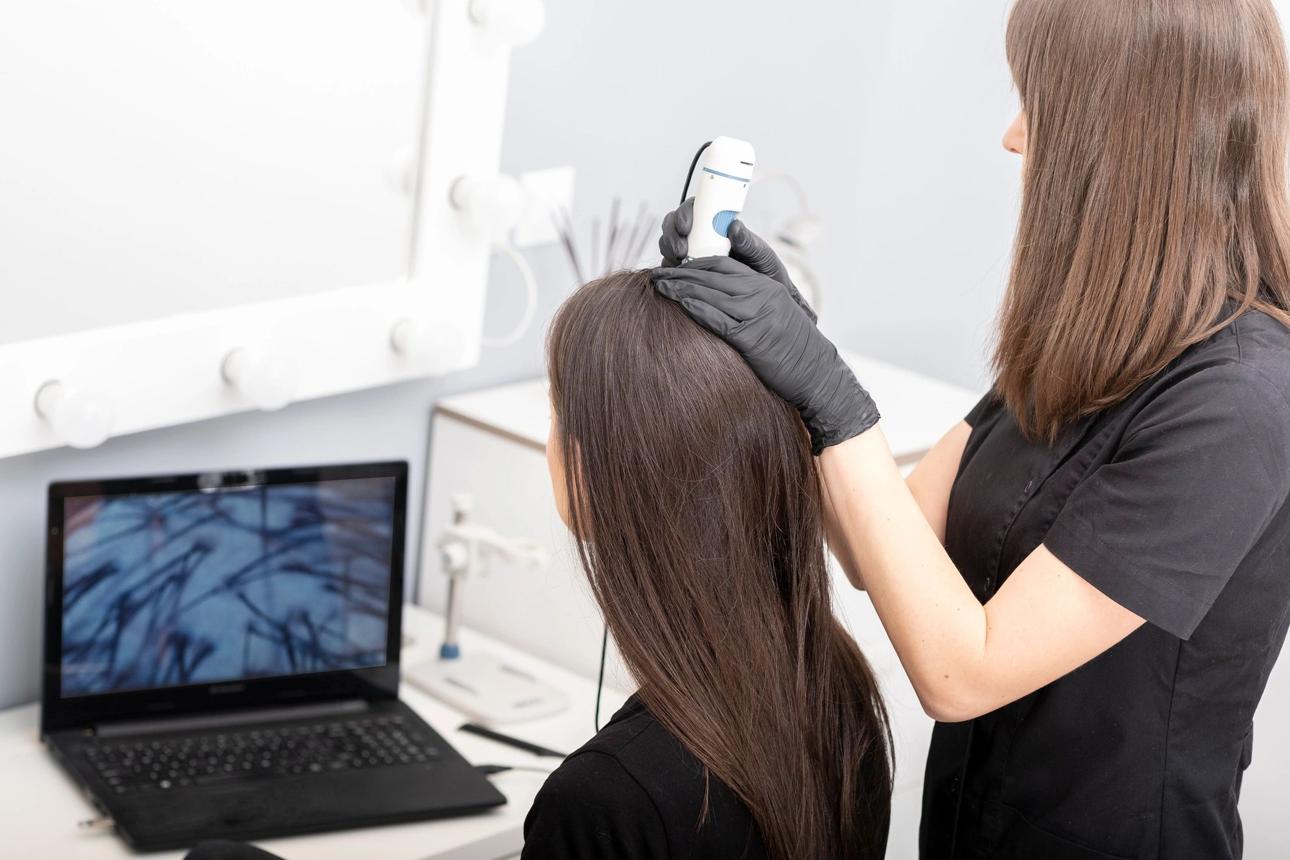
Rather than relying on visual observation or customer descriptions alone, modern scalp diagnostic technology allows practitioners to analyze scalp conditions, follicle health, hair density, sebum balance, hydration levels, and even treatment progress with remarkable precision. This scientific approach enables practitioners to design personalized treatment plans that significantly improve treatment efficiency while enhancing client satisfaction.
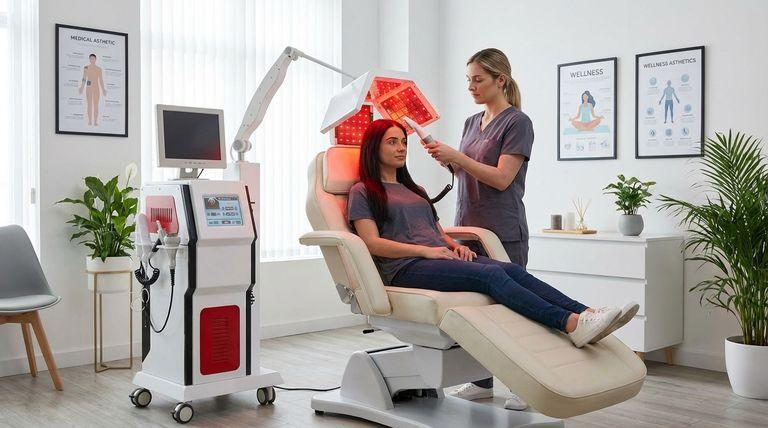
For manufacturers of professional aesthetic equipment, scalp diagnostic systems have become more than just inspection tools—they are increasingly regarded as the starting point of intelligent hair treatment workflows. When integrated with technologies such as LED light therapy, high-frequency stimulation, electroporation, oxygen infusion, microneedling, and scalp hydration systems, diagnosis transforms treatment from generalized care into data-driven precision therapy.
Why Generic Hair Treatments Often Produce Inconsistent Results
Many consumers expect a single hair treatment to solve every scalp concern. Unfortunately, hair and scalp conditions are highly individual.
Someone experiencing hair thinning may actually suffer from:
- Excessive scalp oil production
- Follicular blockage
- Poor scalp circulation
- Early androgenetic alopecia
- Chronic inflammation
- Dry scalp causing weak follicles
- Nutritional deficiencies
- Stress-related hair shedding
Although these conditions may appear similar to the naked eye, their causes—and therefore their treatments—are completely different.
Without proper diagnosis, practitioners may unintentionally choose inappropriate technologies or treatment parameters. This often leads to:
- Slower visible improvement
- Reduced client confidence
- Unnecessary treatment sessions
- Lower treatment efficiency
- Increased operating costs
Professional diagnosis minimizes this uncertainty before treatment even begins
The Evolution of Professional Scalp Diagnosis
Several years ago, scalp assessments mainly relied on magnifying lamps and practitioner experience.
Today's professional diagnostic systems combine multiple imaging technologies, including:
- High-definition digital microscopy
- Polarized light imaging
- UV scalp analysis
- Moisture detection
- Sebum evaluation
- Hair density measurement
- Follicle counting
- AI-assisted comparison software
- Treatment progress documentation
Instead of subjective opinions, practitioners receive measurable information that supports evidence-based decision making.
Many systems can even compare "before" and "after" images over weeks or months, allowing clients to visually understand treatment progress.
This transparency greatly improves trust between practitioners and clients.
How Diagnosis Improves Treatment Efficiency
1. Identifying the Real Cause Instead of Treating Symptoms
Hair thinning is a symptom—not a diagnosis.
A scalp analyzer helps determine whether the primary issue involves:
- Weak follicles
- Poor scalp circulation
- Excess oil
- Keratin buildup
- Inflammation
- Dehydration
- Aging scalp tissue
Once the underlying condition is identified, practitioners can immediately choose the most appropriate technology.
For example:
| Diagnosis | Recommended Professional Technology |
|---|---|
| Oily scalp | Deep scalp cleansing + hydradermabrasion |
| Dry scalp | Oxygen infusion + hydration therapy |
| Weak follicles | Low-Level Laser Therapy (LLLT) + LED |
| Poor circulation | High-frequency stimulation |
| Reduced product absorption | Microneedling + electroporation |
| Inflammatory scalp | Blue LED + soothing infusion |
Instead of trial-and-error treatments, every session becomes more targeted.
2. Personalizing Energy Settings
Professional devices often provide adjustable parameters including:
- Energy output
- Pulse duration
- Treatment intensity
- Frequency
- Exposure time
Without diagnosis, operators may use standardized settings for every client.
However, scalp thickness, sensitivity, and follicle condition vary significantly.
Diagnostic findings allow practitioners to customize treatment intensity, improving both safety and effectiveness
3. Combining Technologies More Effectively
Modern professional hair treatment rarely relies on one technology alone.
Instead, clinics increasingly combine multiple modalities within a complete treatment protocol.
For example:
Step 1: Digital scalp diagnosis
↓
Step 2: Deep scalp cleansing
↓
Step 3: Oxygen infusion
↓
Step 4: Electroporation or microneedling
↓
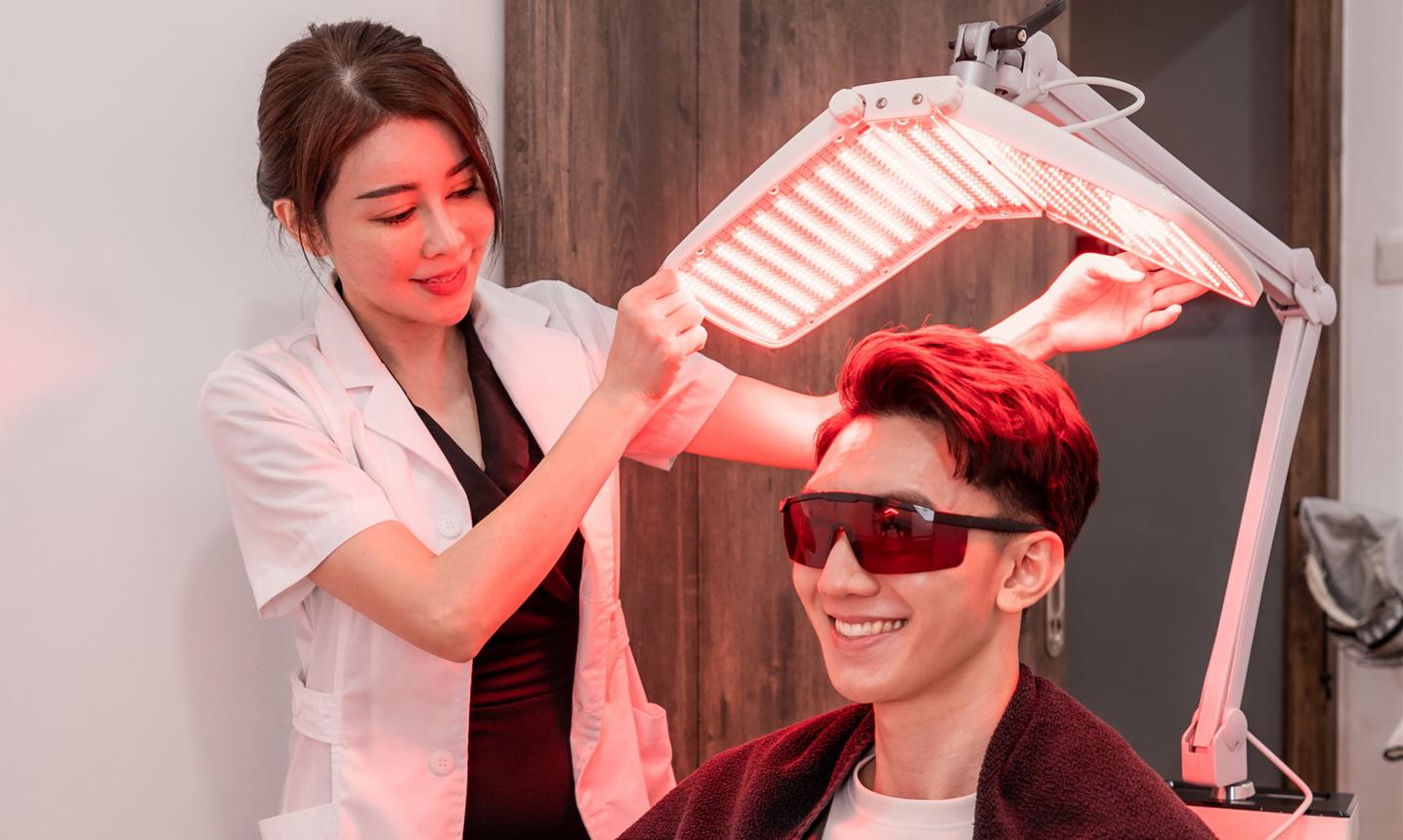
Step 5: LED light therapy
↓
Step 6: Home-care recommendations
Diagnosis determines the optimal sequence and intensity of each stage, improving the overall efficiency of the treatment program.
4. Monitoring Progress Scientifically
One challenge in hair restoration is that improvements often occur gradually.
Clients may not notice subtle changes over several months.
Digital scalp imaging provides objective comparisons by documenting:
- Hair density
- Hair shaft thickness
- Follicle activity
- Sebum levels
- Scalp cleanliness
- Hair growth patterns
Visual evidence strengthens client confidence and encourages treatment adherence.
The Technology Behind Professional Scalp Diagnostic Devices
Modern diagnostic systems combine optical imaging with software analysis.
Common components include:
High-Definition Cameras
Capture detailed images of follicles and scalp texture.
Adjustable Magnification
Typically ranging from 50× to over 500×, enabling close examination of hair shafts and follicles.
Polarized Lighting
Reduces glare while revealing vascular structures and inflammation.
UV Illumination
Highlights excess oil, bacterial activity, and certain scalp conditions.
AI Image Analysis
Advanced software can automatically estimate:
- Hair density
- Follicle occupancy
- Hair diameter
- Growth trends
- Treatment progress
These technologies reduce operator subjectivity while improving diagnostic consistency.
Why Professional Diagnosis Outperforms Home Assessment
Home users often rely on mirrors or smartphone cameras.
While convenient, these methods have limitations:
| Home Assessment | Professional Diagnosis |
|---|---|
| Limited image quality | High-resolution imaging |
| Subjective observation | Objective measurement |
| No follicle analysis | Detailed follicle evaluation |
| No historical comparison | Long-term progress tracking |
| Generic product selection | Personalized treatment planning |
Professional equipment supports comprehensive analysis that is difficult to achieve with consumer-grade tools.
Applications in Professional Clinics and Salons
Scalp diagnosis has become an essential part of many professional treatment programs.
Typical applications include:
Hair Loss Consultations
Determining the type and severity of hair thinning before selecting treatment protocols.
Preventive Hair Care
Identifying early scalp changes before noticeable hair loss develops.
Scalp Detox Programs
Evaluating sebum accumulation and follicular blockage before cleansing procedures.
Hair Growth Therapy
Monitoring follicle response throughout multi-session treatment plans.
Post-Treatment Evaluation
Comparing clinical outcomes after LED therapy, microneedling, PRP-supportive care, or scalp rejuvenation treatments.
Meeting Modern Client Expectations
Today's clients expect more than treatment—they expect evidence.
Showing magnified scalp images helps practitioners explain:
- Why hair loss occurs
- Why one technology is recommended
- How treatment works
- What progress has been achieved
This educational process builds stronger client trust while improving acceptance of comprehensive treatment programs.
Rather than feeling they are purchasing a single procedure, clients understand they are investing in a personalized treatment strategy.
Choosing the Right Diagnostic Equipment
When selecting professional scalp diagnostic systems, clinics should consider:
- High-definition imaging quality
- Multiple magnification options
- Stable illumination
- Easy image capture and storage
- Before-and-after comparison software
- AI-assisted analysis (where available)
- User-friendly interface
- Compatibility with broader hair treatment workflows
Equipment that integrates seamlessly with professional aesthetic devices allows practitioners to create efficient, standardized treatment protocols.
Conclusion
In modern aesthetic practice, successful hair restoration begins long before the first treatment session—it begins with accurate diagnosis.
Professional scalp diagnostic systems enable practitioners to understand each client's unique scalp condition, personalize treatment parameters, combine technologies more effectively, and monitor progress with objective evidence. As a result, treatments become more efficient, predictable, and client-centered.
As the hair restoration industry continues to embrace precision-based care, diagnostic technology is no longer an optional accessory. It has become the foundation of professional hair and scalp treatment, helping clinics deliver measurable results while maximizing the value of advanced aesthetic devices
Founded in 2008, Guangzhou GLM Beauty Spa Equipment Factory specializes in research, development, manufacture and selling of beauty and slimming machines. Our production base is located in Guangzhou City, Guangdong Province, China. Since our foundation, we have introduced advanced technologies and equipment, to assure high quality and high performance of our products. With professional marketing guide and excellent after-sales service, our products have been exported to over 20 countries and regions, including Southeast Asia, the Middle East, Europe and the United States, won worldwide praises and gained a good reputation