.jpg?w=324&h=212)
Introduction
In modern aesthetics, patients and consumers are no longer satisfied with surface-level results. They want treatments that maximize the effectiveness of the products they invest in, whether high-end serums at home or specialized actives in professional clinics. One of the most significant breakthroughs in this area is hydrodermabrasion, a technology that combines exfoliation, hydration, and infusion to improve both immediate and long-term skin health. What sets hydrodermabrasion apart is not just its cleansing ability but its scientifically documented capacity to enhance skincare absorption—by up to 70%.
This article explores how hydrodermabrasion works, why absorption is crucial in skincare, how it compares with traditional exfoliation, and why it is becoming a core offering in aesthetic practices worldwide.
Background: Why Skincare Absorption Matters
The effectiveness of skincare is directly linked to how well active ingredients can penetrate the skin. However, the skin is not designed to absorb substances easily. Its primary function is protective: the stratum corneum, the outermost layer, acts as a shield that locks in moisture while preventing external irritants from entering.
While this barrier is essential for health, it creates a challenge in aesthetics. Many clients use premium products containing peptides, hyaluronic acid, antioxidants, or growth factors, yet experience disappointing results. Studies show that, under normal conditions, only a small fraction of these active molecules penetrate beyond the surface. This inefficiency is why treatments that enhance absorption—without damaging the skin—are in such high demand.
Technology and Principles of Hydrodermabrasion
Hydrodermabrasion is often referred to as the “next-generation microdermabrasion.” While traditional microdermabrasion relies on abrasive crystals or diamond tips to mechanically exfoliate the skin, hydrodermabrasion incorporates water or serum solutions into the process, making it gentler and multifunctional.
The procedure involves three core steps:
-
Exfoliation and Cleansing
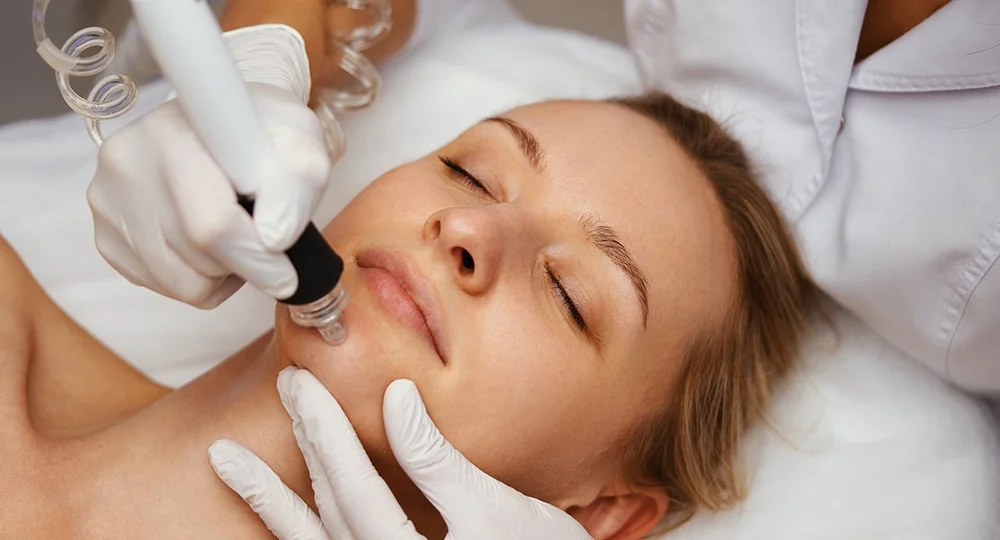
A specialized handpiece directs a jet of water or solution across the skin while simultaneously suctioning away dead skin cells, oil, and debris. This controlled exfoliation clears the surface without scratching or irritating. -
Hydration
Unlike dry exfoliation, hydrodermabrasion infuses the skin with hydrating serums during treatment. This maintains skin comfort, prevents post-treatment dryness, and begins the process of delivering active ingredients. -
Infusion and Enhanced Absorption
The removal of the stratum corneum’s outer layer temporarily reduces the barrier effect. Micro-channels created in the skin allow for deeper penetration of serums applied during or after the procedure. Clinical data suggests absorption rates improve by up to 70%, making subsequent treatments and skincare more effective.
The combination of mechanical exfoliation, hydration, and transdermal delivery is what makes hydrodermabrasion unique compared to traditional exfoliation methods.
Advantages Over Traditional Exfoliation
Traditional exfoliation methods—such as scrubs, chemical peels, or microdermabrasion—have long been used to improve skin texture. However, each comes with limitations.
-
Scrubs: Affordable but inconsistent, with potential for irritation if used aggressively.
-
Chemical peels: Effective for resurfacing but may cause redness, peeling, and require downtime.
-
Microdermabrasion: Improves texture but can leave the skin dry or sensitive afterward.
Hydrodermabrasion offers several key advantages:
-
Gentle yet effective: It removes dead skin cells without harsh abrasives or strong acids.
-
Simultaneous hydration: The infusion step maintains moisture balance, reducing irritation.
-
Enhanced absorption: Unlike traditional methods, hydrodermabrasion is clinically proven to improve product penetration.
-
Versatility: Safe for most skin types, including sensitive or acne-prone skin.
-
Minimal downtime: Clients can return to normal activities immediately.
These benefits explain why hydrodermabrasion is rapidly replacing older exfoliation techniques in both clinical and spa settings.
Application Scenarios and Client Needs
Hydrodermabrasion has wide-ranging applications across aesthetic practice:
-
Pre-treatment Preparation
Clinics often use hydrodermabrasion as a preparatory step before advanced treatments like laser, radiofrequency (RF), microneedling, or LED therapy. By clearing debris and opening micro-channels, the skin becomes more receptive, leading to better treatment outcomes. -
Enhancing Skincare Routines
For clients frustrated with ineffective products, hydrodermabrasion boosts absorption, allowing ingredients like hyaluronic acid or vitamin C to reach deeper layers. This maximizes the value of both in-clinic treatments and at-home routines. -
Targeted Skin Concerns
-
Dehydration: Immediate infusion of hydrating serums restores balance.
-
Dullness and Congestion: Exfoliation and cleansing improve clarity and brightness.
-
Acne-Prone Skin: Removal of debris reduces clogged pores, while hydration soothes inflammation.
-
Aging Skin: Enhanced penetration of anti-aging actives supports collagen production.
-
-
Client Demand for Non-Invasive Care
With increasing preference for treatments that require no downtime, hydrodermabrasion meets the demand for effective yet comfortable procedures.
Market Trends: Why Hydrodermabrasion Is Growing
The global demand for non-invasive, multi-benefit treatments has fueled the rapid adoption of hydrodermabrasion. According to industry reports, the hydrodermabrasion devices market is expected to see consistent growth in the next decade, driven by:
-
Consumer Awareness: Clients are more knowledgeable about skincare science and seek treatments that improve product efficiency.
-
Medspa Expansion: Growth in medspas worldwide has created a demand for versatile devices that deliver multiple benefits in a single session.
-
Social Media Influence: Visible, immediate results make hydrodermabrasion highly marketable online.
-
Preventive Aesthetics: Younger clients use hydrodermabrasion not only for correction but also for prevention, aligning with broader wellness trends.
Clinics that offer hydrodermabrasion position themselves at the intersection of science, comfort, and consumer demand.
Conclusion
Hydrodermabrasion is more than a cleansing treatment; it is a scientifically validated method to break through the skin’s barrier and maximize product absorption. By improving penetration by up to 70%, it addresses one of the most significant challenges in aesthetics: making active ingredients more effective.
As clients continue to seek treatments that are safe, comfortable, and impactful, hydrodermabrasion stands out as a technology that meets both clinical needs and consumer expectations. It represents the evolution of exfoliation—moving beyond surface-level results toward deeper, more meaningful outcomes.
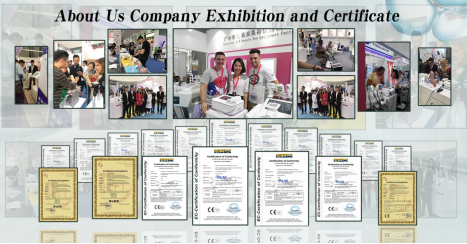
Founded in 2008, Guangzhou GLM Beauty Spa Equipment Factory specializes in research, development, manufacture and selling of beauty and slimming machines. Our production base is located in Guangzhou City, Guangdong Province, China. Since our foundation, we have introduced advanced technologies and equipment, to assure high quality and high performance of our products. With professional marketing guide and excellent after-sales service, our products have been exported to over 20 countries and regions, including Southeast Asia, the Middle East, Europe and the United States, won worldwide praises and gained a good reputation.