Introduction
The aesthetics industry has undergone a remarkable transformation over the past two decades. Treatments that once required invasive surgery, lengthy recovery periods, and significant patient commitment are increasingly being replaced by advanced non-invasive and minimally invasive technologies. Among these innovations, laser technology has become one of the most influential developments, reshaping how clinics address concerns ranging from unwanted hair and pigmentation to skin rejuvenation and vascular lesions.
Modern laser systems are no longer viewed as single-purpose devices. Instead, they have evolved into versatile treatment platforms capable of delivering customized solutions for different skin conditions, treatment goals, and patient profiles. By adjusting wavelengths, pulse durations, energy levels, and cooling mechanisms, practitioners can perform highly targeted procedures while minimizing damage to surrounding tissues.
For professional aesthetic clinics, this technological evolution means more than improved treatment outcomes. It also represents greater operational efficiency, broader service offerings, higher client satisfaction, and stronger long-term business competitiveness. As patient expectations continue to rise, investing in reliable laser technologies has become an important strategy for clinics seeking sustainable growth.
This article explores how laser technology works, why it has become a cornerstone of modern aesthetic treatments, and how professional laser equipment continues to redefine the future of medical aesthetics.
Background: Why Traditional Aesthetic Treatments Are Changing
Consumer expectations have changed dramatically. Today's clients want treatments that produce noticeable improvements without interrupting their busy lifestyles. Rather than accepting long recovery periods after invasive procedures, many people actively seek solutions that offer visible results with minimal discomfort and shorter downtime.
Traditional aesthetic methods certainly still have their place. Chemical peels, manual extraction, topical skincare, waxing, and surgical lifting remain valuable in appropriate situations. However, these approaches often face several limitations:
- Results may depend heavily on practitioner experience.
- Some procedures require multiple recovery days.
- Certain skin concerns are difficult to treat precisely.
- Treatment consistency can vary between operators.
- Long-term maintenance may require frequent appointments.
Laser technology addresses many of these challenges through controlled energy delivery and precise tissue targeting.
Unlike manual techniques that rely primarily on physical manipulation, laser systems interact with specific biological structures inside the skin using carefully selected wavelengths. This principle allows practitioners to treat particular targets while preserving surrounding healthy tissue.
For modern clinics, precision has become one of the strongest competitive advantages. Clients increasingly appreciate treatments that are not only effective but also predictable, comfortable, and scientifically supported.
Understanding the Science Behind Laser Technology
The word LASER stands for Light Amplification by Stimulated Emission of Radiation. Although the scientific terminology sounds complex, the underlying principle is straightforward.
A laser device produces highly concentrated light at a specific wavelength. Different biological tissues absorb different wavelengths with varying efficiency. By selecting the appropriate wavelength, practitioners can direct energy toward a particular target inside the skin.
These treatment targets may include:
- Melanin responsible for pigmentation
- Hair follicles during hair removal
- Hemoglobin inside blood vessels
- Water within skin tissue
- Tattoo pigments
- Collagen-rich dermal layers
Once absorbed, laser energy creates controlled thermal effects that trigger desired biological responses while minimizing injury to adjacent tissues.
This selective approach is known as selective photothermolysis, one of the most important concepts in modern laser medicine. Rather than affecting the entire treatment area equally, the laser concentrates its energy on carefully chosen chromophores, making procedures both safer and more effective.
As laser engineering has advanced, modern systems now combine precise energy control with sophisticated cooling technologies, intelligent software, and adjustable treatment parameters. These innovations significantly improve both treatment safety and patient comfort.
Different Types of Lasers for Different Treatment Goals
Because every skin concern behaves differently, no single laser can effectively treat every indication. Professional aesthetic equipment therefore incorporates various laser technologies designed for specific clinical applications.
1. Hair Removal Lasers
Laser hair removal remains one of the most requested procedures worldwide.
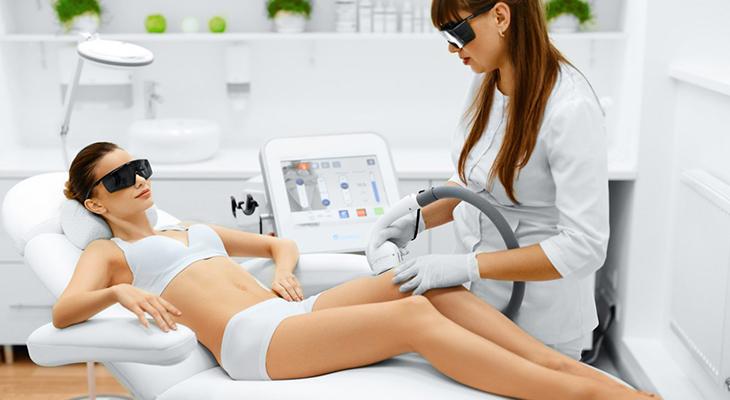
These systems target melanin inside actively growing hair follicles. The absorbed energy heats the follicle sufficiently to reduce future hair growth while leaving surrounding skin largely unaffected.
Modern professional devices often support multiple wavelengths, allowing practitioners to safely treat a broader range of skin tones and hair characteristics.
Compared with temporary methods such as shaving or waxing, laser treatments provide significantly longer-lasting results and improved client convenience.
2. Pigmentation Treatment Lasers
Uneven skin tone, freckles, age spots, and sun damage are common concerns among clients seeking facial rejuvenation.
Pigment-specific lasers selectively fragment excess melanin into tiny particles that the body's natural immune processes gradually remove.
Because the surrounding skin experiences minimal disruption, treatment recovery is generally faster than more aggressive resurfacing procedures.
Professional diagnosis remains essential, as different pigment disorders respond differently to laser wavelengths.
3. Skin Rejuvenation Lasers
Skin aging involves far more than wrinkles alone.
Over time, collagen production decreases, skin elasticity declines, and overall texture becomes less smooth.
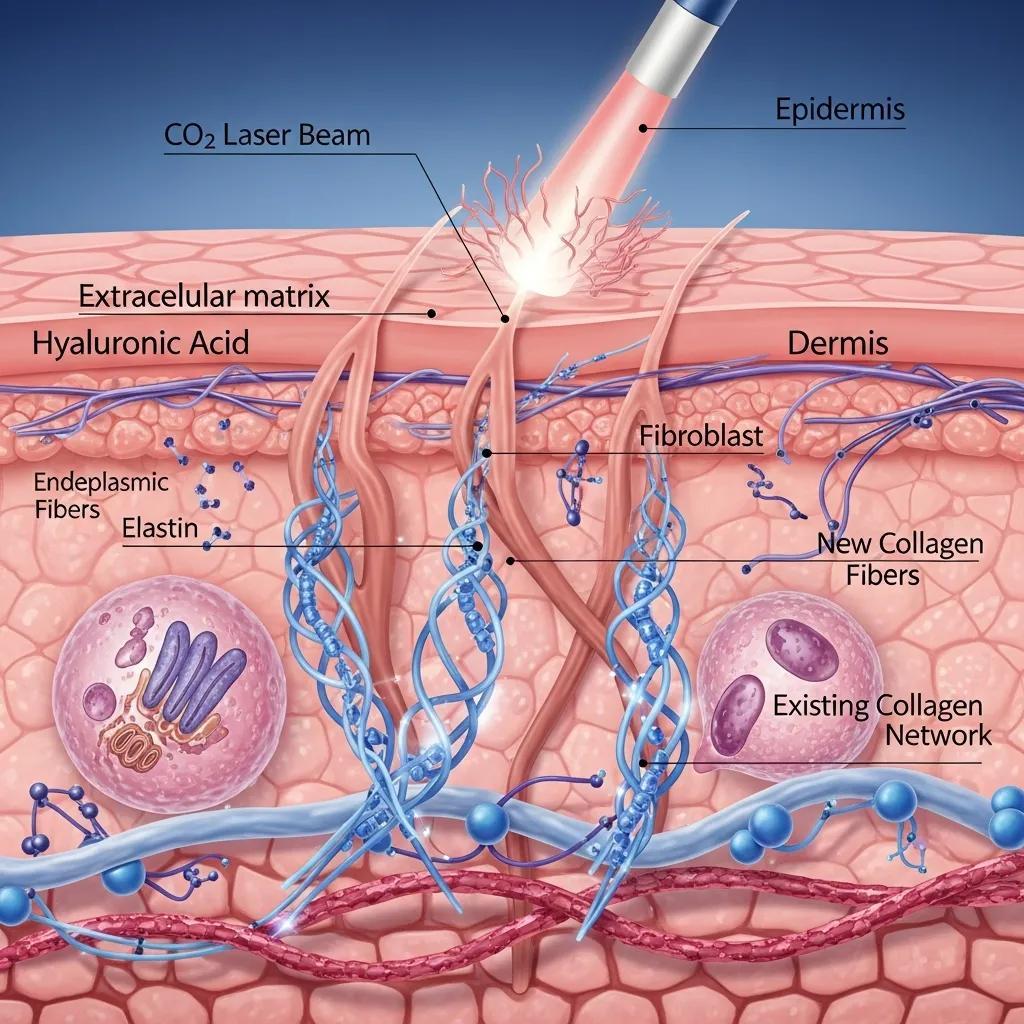
Fractional laser systems stimulate controlled microscopic zones within the skin, encouraging the body's natural healing response.
Rather than removing large areas of tissue, these microscopic treatment columns leave surrounding healthy skin intact, allowing faster healing while promoting new collagen production.
Many clinics combine laser rejuvenation with complementary technologies such as radio frequency, LED light therapy, or skin cooling systems to optimize overall treatment outcomes
How Fractional Technology Improves Safety and Recovery
One of the biggest breakthroughs in laser aesthetics is the development of fractional laser technology.
Earlier laser systems often treated the entire skin surface uniformly, which could result in longer downtime and increased discomfort. Fractional technology changed this approach by delivering laser energy in thousands of microscopic treatment zones while leaving surrounding tissue untouched.
This untreated skin acts as a reservoir of healthy cells, accelerating the natural healing process and reducing recovery time.
The benefits of fractional treatment include:
- Faster skin regeneration
- Reduced treatment downtime
- Lower risk of complications
- Improved collagen remodeling
- Better patient comfort
- Suitable for repeated treatment protocols
For aesthetic clinics, fractional laser systems provide an excellent balance between efficacy and patient experience, making them one of the most valuable technologies in contemporary skin rejuvenation
Advantages of Professional Laser Technology Compared with Traditional Methods
As laser technology has matured, it has become more than simply an alternative to conventional aesthetic procedures. For many treatment indications, it has become the preferred clinical option because it combines precision, efficiency, and predictable outcomes.
While traditional treatments continue to serve important roles, professional laser systems offer several advantages that are particularly valuable in medical aesthetic clinics.
Greater Treatment Precision
One of the defining strengths of laser technology is its ability to target specific chromophores without unnecessarily affecting surrounding tissue.
For example:
- Hair removal lasers focus on melanin within the hair follicle.
- Vascular lasers selectively treat hemoglobin in blood vessels.
- Pigment lasers target excess melanin responsible for discoloration.
- Resurfacing lasers interact primarily with water molecules inside skin tissue.
This selective targeting enables practitioners to customize treatment parameters according to each client's skin type, concern, and desired outcome.
More Consistent Clinical Results
Unlike highly manual procedures that depend almost entirely on operator technique, professional laser platforms deliver carefully controlled energy output.
Modern systems include features such as:
- Adjustable pulse duration
- Multiple wavelength options
- Intelligent cooling systems
- Real-time parameter adjustment
- Preset treatment protocols
These functions help improve treatment consistency between sessions while supporting safer operation.
For clinics managing a growing client base, standardized treatment protocols also contribute to improved workflow efficiency.
Shorter Recovery Times
Many clients today want effective treatments without significant disruption to work or daily activities.
Advancements such as fractional laser technology, dynamic cooling, and optimized pulse delivery have significantly reduced downtime compared with earlier generations of laser equipment.
Although recovery depends on treatment intensity, many non-ablative laser procedures allow clients to resume normal routines relatively quickly while continuing to see progressive improvements over the following weeks.
Versatility Within One Platform
Another reason laser technology has become increasingly popular is its versatility.
Rather than investing in multiple single-function devices, many professional clinics choose modular or multi-application laser systems capable of addressing several treatment categories.
Common applications include:
- Hair reduction
- Skin rejuvenation
- Pigmentation correction
- Acne management
- Vascular lesion treatment
- Tattoo removal
- Scar improvement
This flexibility allows clinics to expand service offerings while maximizing equipment utilization and return on investment.
Applications That Continue to Drive Market Growth
The global demand for non-invasive aesthetic procedures continues to increase as clients prioritize treatments that combine visible results with minimal downtime.
Laser technology plays a central role across a wide range of professional applications.
Hair Removal
Laser hair removal remains one of the highest-demand aesthetic procedures worldwide.
Clients appreciate:
- Long-lasting reduction in hair growth
- Greater comfort than frequent waxing
- Improved convenience
- Reduced risk of ingrown hairs
- Suitable treatment for multiple body areas
Professional multi-wavelength systems further expand treatment possibilities across different skin tones and hair characteristics.
Skin Rejuvenation and Anti-Aging
As collagen production naturally declines with age, many clients seek treatments that improve skin quality without surgery.
Laser rejuvenation treatments can help improve the appearance of:
- Fine lines
- Wrinkles
- Enlarged pores
- Uneven texture
- Mild skin laxity
- Photoaging
When incorporated into comprehensive treatment plans, laser procedures can complement other technologies such as radio frequency, ultrasound, oxygen infusion, or LED phototherapy to provide more comprehensive skin improvement.
Pigmentation Management
Hyperpigmentation remains one of the most common aesthetic concerns, particularly following sun exposure or inflammatory skin conditions.
Professional laser systems offer practitioners greater precision when treating concerns such as:
- Age spots
- Solar lentigines
- Freckles
- Certain melasma cases (with careful patient selection)
- Post-inflammatory pigmentation
Accurate diagnosis and individualized treatment planning remain essential for achieving optimal outcomes while minimizing recurrence risks.
Acne and Acne Scar Treatment
Laser technology has also become increasingly important in acne management.
Different laser systems may help by:
- Reducing bacteria associated with acne
- Controlling sebaceous gland activity
- Improving inflammation
- Stimulating collagen remodeling
- Softening acne scars
Because acne often involves multiple contributing factors, laser treatments are frequently combined with topical skincare, chemical peels, or other professional therapies as part of a comprehensive treatment strategy
Meeting the Evolving Needs of Modern Clients
Today's aesthetic clients are generally well informed. They compare technologies, read online reviews, and expect evidence-based recommendations rather than generic promises.
As a result, clinics are increasingly seeking equipment that supports personalized treatment planning, delivers consistent performance, and accommodates a wide range of skin types and treatment goals.
Modern professional laser platforms help meet these expectations through features such as:
- Multiple wavelength configurations
- Adjustable treatment parameters
- Integrated cooling systems
- User-friendly interfaces
- Efficient treatment workflows
- Expandable treatment capabilities
Beyond technical performance, clients also value confidence in safety. Professional equipment designed for trained operators enables careful parameter selection, standardized protocols, and thorough consultation, all of which contribute to a positive treatment experience.
For equipment manufacturers, this trend underscores the importance of continuous innovation—not only in laser engineering, but also in ergonomics, software intelligence, treatment versatility, and after-sales support. Clinics increasingly view aesthetic devices as long-term investments that should evolve alongside market demand.
Conclusion
Laser technology has fundamentally reshaped modern aesthetic medicine by enabling treatments that are more precise, efficient, and adaptable than many traditional approaches. From hair removal and pigmentation correction to skin rejuvenation and scar improvement, laser-based procedures continue to expand the range of solutions available to professional clinics.
What truly distinguishes today's systems is not simply higher energy output, but smarter energy delivery. Advances in wavelength selection, pulse control, cooling technology, and fractional treatment have made procedures safer, more comfortable, and suitable for a broader range of clients.
For aesthetic clinics, investing in advanced laser platforms is about more than adding another service. It is an opportunity to enhance treatment quality, improve operational efficiency, and respond to the growing demand for personalized, minimally invasive care.
As innovation continues, laser technology is expected to remain one of the driving forces behind the next generation of aesthetic treatments—helping practitioners deliver reliable results while giving clients greater confidence in every stage of their skincare journey
Founded in 2008, Guangzhou GLM Beauty Spa Equipment Factory specializes in research, development, manufacture and selling of beauty and slimming machines. Our production base is located in Guangzhou City, Guangdong Province, China. Since our foundation, we have introduced advanced technologies and equipment, to assure high quality and high performance of our products. With professional marketing guide and excellent after-sales service, our products have been exported to over 20 countries and regions, including Southeast Asia, the Middle East, Europe and the United States, won worldwide praises and gained a good reputation