Introduction: Why Light Has Become the New Language of Skin Care
In modern aesthetic medicine and professional skincare, the concept of “treating skin with light” has moved from experimental science to mainstream practice. For decades, beauty treatments relied primarily on topical products, manual techniques, or invasive procedures. Today, energy-based devices—particularly LED (Light Emitting Diode) therapy—have reshaped how clinics, dermatologists, and aestheticians approach skin health. Rather than simply addressing visible symptoms, LED light therapy works at a cellular level, influencing biological processes that determine how skin functions, repairs, and ages.
Clients increasingly seek non-invasive, painless, and science-backed solutions that fit into busy lifestyles. LED light therapy meets these expectations because it requires no downtime, carries minimal risk, and can be seamlessly integrated into existing facial protocols. Beyond its clinical benefits, LED has also gained popularity in home-use beauty devices, further validating its role as a versatile and accessible technology.
For professional clinics and beauty equipment manufacturers, LED therapy represents more than a treatment option—it is a strategic pillar of modern skin care. Understanding how and why LED supports skin health allows practitioners to educate clients more effectively, design better treatment plans, and position their services as advanced, results-driven, and future-oriented.

Background and the Core Problem: Why Skin Needs More Than Topical Care
Skin health is influenced by multiple internal and external factors, including genetics, aging, environmental stressors, inflammation, and lifestyle habits. Over time, these factors disrupt normal cellular function, leading to common concerns such as acne, redness, pigmentation, fine lines, dullness, and compromised barrier function. Traditional skincare products—serums, creams, and exfoliants—primarily act on the outermost layers of the skin. While beneficial, they often fail to fully address deeper biological processes like collagen production, mitochondrial energy, or chronic inflammation.
One major challenge in modern dermatology is inflammation. Even when not visibly apparent, low-grade inflammation can weaken the skin barrier, slow healing, accelerate aging, and trigger acne or sensitivity. Many conventional treatments, such as chemical peels or aggressive lasers, attempt to “force” skin improvement through controlled injury. While effective in some cases, these methods can cause discomfort, downtime, and risk of irritation.
Another issue is declining cellular energy with age. Skin cells rely on mitochondria to produce ATP, the energy required for repair, renewal, and collagen synthesis. As we age or experience stress, mitochondrial efficiency decreases, leading to slower healing, reduced elasticity, and a tired complexion.
LED light therapy addresses these underlying problems by gently stimulating cellular activity rather than damaging tissue. It offers a restorative approach that complements rather than competes with traditional skincare, making it particularly valuable for long-term skin health management.
Technology and Principle: How LED Light Therapy Works at a Cellular Level
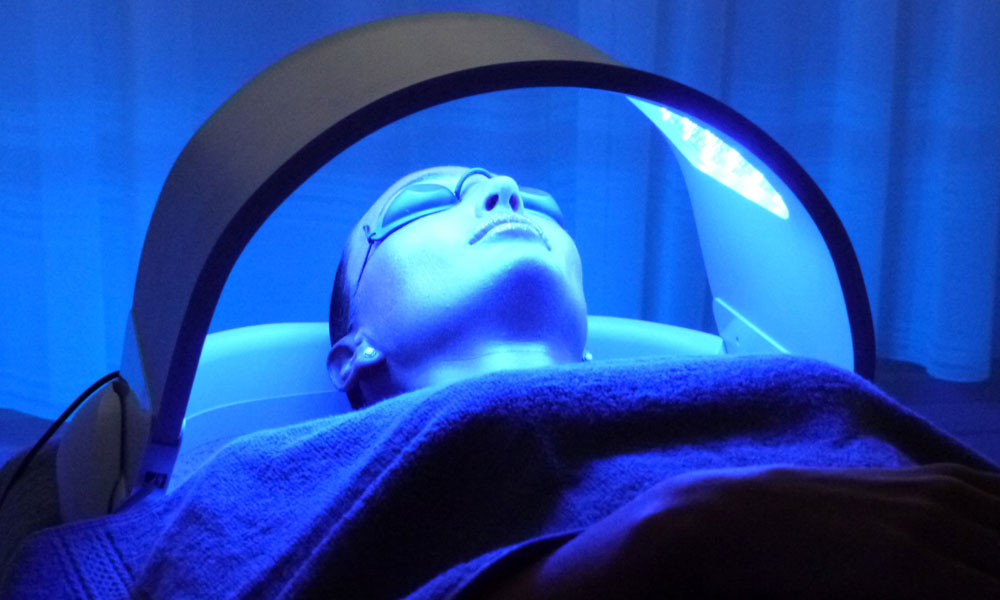
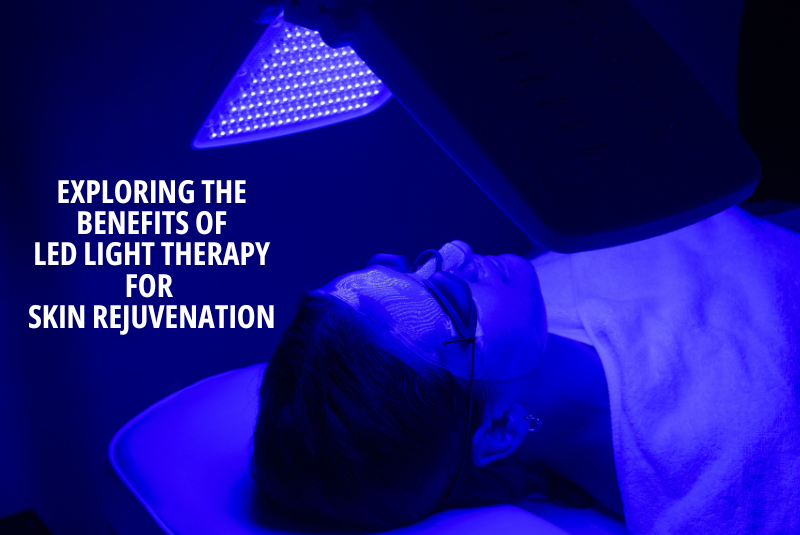
LED therapy uses specific wavelengths of visible and near-infrared light to interact with skin cells. Different colors penetrate to different depths and trigger distinct biological responses. Unlike lasers, LED light is non-thermal and non-destructive, meaning it does not heat or injure the skin.
1. Red Light (630–660 nm): Collagen Stimulation and Repair
Red light is one of the most widely used wavelengths in LED therapy. It penetrates into the dermis, where fibroblasts—the cells responsible for collagen production—reside. When exposed to red light, these cells increase their metabolic activity and generate more collagen and elastin. This process helps:
-
Improve skin firmness and elasticity
-
Reduce the appearance of fine lines and wrinkles
-
Accelerate wound healing and post-treatment recovery
-
Enhance overall skin texture and radiance
From a biological standpoint, red light boosts mitochondrial activity, increasing ATP production. This “re-energizes” skin cells, enabling them to repair damage more efficiently.
2. Blue Light (415–470 nm): Acne Control and Bacterial Reduction
Blue light targets acne-causing bacteria, particularly Cutibacterium acnes, which produces porphyrins that react to blue light. This reaction generates a mild antibacterial effect that reduces bacterial load inside pores without antibiotics. As a result, blue light therapy can:
-
Decrease active breakouts
-
Reduce inflammation in acne-prone skin
-
Help regulate sebum-related bacterial activity
Unlike harsh topical acne treatments, blue light does not dry out or irritate the skin, making it suitable for sensitive or reactive skin types.
3. Near-Infrared Light (800–880 nm): Deep Repair and Circulation
Near-infrared wavelengths penetrate deeper into the skin, reaching the subcutaneous tissue and microcirculation. This improves blood flow, oxygen delivery, and lymphatic drainage, which are essential for detoxification and tissue repair. Benefits include:
-
Reduced swelling and inflammation
-
Faster healing after aesthetic procedures
-
Enhanced nutrient transport to skin cells
Near-infrared light is particularly valuable in post-laser, post-microneedling, or post-peel recovery protocols.
4. Synergistic Multi-Wavelength Approach
Many professional LED devices combine multiple wavelengths in a single treatment. This multi-layered approach allows practitioners to target acne, aging, and inflammation simultaneously, making LED therapy highly adaptable to diverse skin concerns.
Advantages Compared with Traditional Skin Treatments
Non-Invasive and Pain-Free
Unlike chemical peels, microneedling, or ablative lasers, LED therapy does not damage the skin’s surface. Clients experience no pain, redness, or peeling, making it ideal for individuals with low tolerance for discomfort or limited recovery time.
Safe for Most Skin Types and Tones
Because LED light does not rely on heat or pigment targeting, it is safe for all skin tones, including darker phototypes that may be at higher risk with certain laser treatments. This broad applicability makes LED therapy inclusive and versatile.
Complementary Rather Than Standalone
LED does not replace other aesthetic treatments—it enhances them. It can be used before procedures to prepare the skin or afterward to accelerate healing. This flexibility increases its value in professional settings.
Cumulative and Long-Term Benefits
While some treatments deliver immediate but short-lived results, LED therapy builds benefits over time. Regular sessions lead to sustained improvements in collagen density, skin clarity, and barrier resilience.
Low Operational Cost for Clinics
Compared to high-end lasers or RF systems, LED devices are relatively affordable, easy to maintain, and require minimal consumables. This makes them an excellent investment for clinics looking to expand service offerings without excessive overhead.
Application Scenarios and Client Needs
Acne Management
For clients struggling with persistent breakouts, LED therapy—especially blue light—offers a gentle yet effective alternative to antibiotics or harsh topicals. It can be combined with deep cleansing, high-frequency treatment, or hydrodermabrasion for enhanced results.
Anti-Aging and Skin Rejuvenation
Red light is widely used in anti-aging protocols to stimulate collagen and improve elasticity. Many clinics integrate LED into microneedling, RF, or HIFU treatments to amplify rejuvenation outcomes and speed recovery.
Post-Procedure Recovery
After treatments such as laser resurfacing, chemical peels, or microneedling, near-infrared and red light help reduce inflammation, minimize downtime, and support tissue repair.
Sensitive and Compromised Skin
Clients with rosacea, dermatitis, or weakened skin barriers benefit from LED’s calming and regenerative effects. It soothes redness while strengthening skin resilience over time.
Home Maintenance and Professional Integration
Many clients use home LED devices between professional sessions to maintain results. Clinics that offer compatible professional-grade LED systems create continuity of care, reinforcing client loyalty and treatment efficacy.
Integration with Professional Beauty Equipment
Modern multi-functional facial machines often include LED panels alongside steamers, ultrasonic scrubbers, and RF handpieces. This integration allows practitioners to cleanse, treat, and repair within a single workflow—an approach increasingly favored by high-end aesthetic centers.
Why LED Light Therapy Matters in Modern Aesthetic Practice
The shift toward preventative and restorative skincare has elevated LED therapy from a supportive tool to a core treatment modality. Clients today value gentle, evidence-based solutions that align with their long-term skin goals. LED therapy fulfills this demand by enhancing natural healing processes rather than imposing artificial changes.
For manufacturers like Guangzhou GLM Beauty Spa Equipment Factory, developing high-quality LED devices with stable output, precise wavelength control, and ergonomic design is essential. Such equipment empowers practitioners to deliver consistent, effective treatments while differentiating their services in a competitive market.
Conclusion: Light as a Foundation of Skin Health
LED light therapy supports skin health by working with the body’s own biological systems rather than against them. Through targeted wavelengths, it reduces inflammation, stimulates collagen, enhances circulation, and promotes cellular repair—addressing both the causes and consequences of skin aging and dysfunction.
As the beauty industry continues to embrace science-driven, non-invasive technologies, LED therapy stands as a cornerstone of modern aesthetics. It bridges the gap between traditional facials and advanced medical treatments, helping clients achieve healthier, clearer, and more resilient skin over time.
Founded in 2008, Guangzhou GLM Beauty Spa Equipment Factory specializes in research, development, manufacture and selling of beauty and slimming machines. Our production base is located in Guangzhou City, Guangdong Province, China. Since our foundation, we have introduced advanced technologies and equipment, to assure high quality and high performance of our products. With professional marketing guide and excellent after-sales service, our products have been exported to over 20 countries and regions, including Southeast Asia, the Middle East, Europe and the United States, won worldwide praises and gained a good reputation.