
1. Introduction
Body swelling and fluid retention are increasingly common concerns among people with sedentary lifestyles, limited physical activity, prolonged standing hours, and frequent travel. From swollen legs and heavy-feeling arms to temporary abdominal bloating and facial puffiness, excess fluid accumulation can affect both physical comfort and body appearance.
In 2026, lymphatic drainage therapy is receiving renewed attention in the professional beauty and wellness industry. More aesthetic clinics, medical spas, and body treatment centers are incorporating non-invasive body treatments into their service portfolios to address clients' concerns about fluid retention, temporary swelling, and overall body wellness.
Unlike traditional body contouring treatments that primarily focus on fat reduction or skin tightening, lymphatic drainage approaches concentrate on supporting fluid movement through the lymphatic system. Professional technologies, particularly pneumatic compression therapy systems, offer structured and repeatable treatment experiences that can complement manual techniques and other wellness services.
For beauty professionals, understanding how lymphatic drainage works, why fluid retention occurs, and how compression technology supports treatment protocols is essential for developing responsible and effective service offerings.
This article explores the relationship between lymphatic circulation, body swelling, compression therapy, and non-invasive aesthetic equipment, while highlighting how professional treatment technologies can support modern beauty and wellness businesses.
2. Background: Why Does Fluid Retention Cause Body Swelling?
Understanding Fluid Retention
Fluid retention, also known as edema when it involves abnormal fluid accumulation in body tissues, occurs when more fluid remains in the spaces between cells than the body can effectively remove.
Under normal conditions, blood vessels deliver oxygen and nutrients to surrounding tissues. Some fluid moves out of the capillaries into the interstitial spaces, while the lymphatic system collects excess fluid and returns it to the bloodstream.
When this balance is disrupted, fluid may accumulate in certain areas, resulting in visible or uncomfortable swelling.
Common factors associated with temporary fluid retention include:
-
Prolonged sitting or standing.
-
Limited physical movement.
-
High sodium intake.
-
Hormonal fluctuations.
-
Hot weather.
-
Certain medications.
-
Changes in circulation and lymphatic function.
Swelling commonly appears in the ankles, lower legs, feet, hands, and occasionally the face. Some clients may also report a sensation of heaviness, tightness, or temporary changes in body measurements.
However, persistent or unexplained swelling should not automatically be considered a cosmetic concern. It may be associated with venous insufficiency, lymphatic disorders, kidney or heart conditions, blood clots, or other medical problems.
The Role of the Lymphatic System
The lymphatic system is an essential part of the body's fluid balance and immune function. It consists of lymphatic vessels, lymph nodes, and other lymphatic structures that transport lymph throughout the body.
Unlike the cardiovascular system, which relies on the heart as its central pump, the lymphatic system does not have a single central pumping organ. Lymph movement depends on several mechanisms, including:
-
Contraction of surrounding skeletal muscles.
-
Breathing-related pressure changes.
-
Smooth muscle activity within lymphatic vessels.
-
External tissue movement and pressure.
When lymphatic circulation is functioning normally, excess interstitial fluid can be collected and transported back into the bloodstream.
When lymphatic drainage becomes impaired, fluid may accumulate in tissues. This is particularly relevant for people with lymphedema, which requires appropriate medical assessment and long-term management.
Understanding this mechanism explains why movement, specialized massage, and properly selected compression techniques are important components of lymphatic care.
3. Technology and Mechanism: How Lymphatic Drainage Therapy Works
Manual Lymphatic Drainage
Manual lymphatic drainage (MLD) is a specialized, gentle massage technique performed using controlled movements designed to encourage lymph movement toward functioning lymphatic pathways.
Unlike conventional deep-tissue massage, MLD generally uses light pressure and carefully planned movement patterns.
Professional practitioners may incorporate manual lymphatic drainage into wellness or post-treatment services when appropriate. However, MLD for diagnosed lymphedema should be performed by appropriately trained healthcare professionals.
For aesthetic clinics, manual techniques can provide a personalized treatment experience, particularly when clients prefer hands-on services.
Pneumatic Compression Therapy
Pneumatic compression therapy is one of the most recognizable equipment-based approaches associated with lymphatic drainage.
A professional compression system generally includes an air-pressure control unit and specially designed garments or sleeves. These garments contain multiple air chambers that inflate and deflate in a controlled sequence.
The treatment process typically involves several stages:
Step 1: Controlled Pressure Application
The device delivers air into selected chambers, creating gentle external pressure around the treatment area.
Step 2: Sequential Compression
Different chambers inflate according to a programmed sequence. Depending on the system design, pressure may progress from the distal part of a limb toward the proximal area.
Step 3: Fluid Movement Support
The controlled pressure and release cycle can help move interstitial fluid and support venous and lymphatic return in appropriately selected users.
Step 4: Pressure Release
The chambers deflate before the next cycle begins, allowing the treatment to continue in a repeated and structured pattern.
The main advantage of this technology is consistency. Rather than relying entirely on manual pressure, professional equipment can deliver repeatable pressure patterns according to its operating parameters.
However, compression systems are not interchangeable with every medical lymphatic drainage protocol. Treatment direction, pressure, garment design, and suitability must be determined according to the device instructions and the client's condition.
Compression Therapy and Fluid Management
Compression therapy works by applying controlled external pressure to body tissues.
In appropriate clinical settings, this pressure can support venous return, improve fluid movement, and help control swelling. Compression garments and pneumatic compression devices are used in different healthcare and rehabilitation contexts, including selected cases of lymphedema and venous disorders.
For professional beauty and wellness businesses, compression-based equipment offers an opportunity to introduce structured body wellness services.
The important distinction is that cosmetic wellness treatments should not be presented as substitutes for medical compression therapy or specialist lymphedema management.
4. Advantages and Comparison: Professional Equipment vs. Traditional Methods
More Consistent Treatment Parameters
Manual massage depends significantly on the practitioner's training, technique, and physical condition.
Professional pneumatic compression systems provide adjustable operating parameters, including pressure levels, treatment duration, and inflation sequences, depending on the model.
This allows trained operators to establish more consistent treatment procedures while following the manufacturer's instructions.
Hands-Free Treatment Experience
One practical advantage of compression equipment is that it can operate through specialized garments without requiring continuous hands-on manipulation.
During a properly supervised session, practitioners can prepare the treatment area, monitor the equipment, and manage other aspects of the client's service experience.
This can improve workflow efficiency in busy aesthetic clinics and wellness centers.
Broader Body Treatment Applications
Depending on the garment configuration, compression systems may be designed for different treatment areas, including:
-
Lower legs and feet.
-
Thighs and hips.
-
Arms.
-
Other body areas supported by the equipment design.
The flexibility of these systems makes them relevant to wellness centers that want to expand their body treatment services without relying exclusively on manual massage.
Professional Equipment vs. Home-Use Tools
Home-use products such as massage rollers, basic vibration devices, and compression garments can provide convenient options for personal wellness routines.
However, professional equipment generally offers several operational advantages:
| Comparison | Home-Use Tools | Professional Equipment |
|---|---|---|
| Pressure control | Often limited | Model-dependent adjustable settings |
| Treatment programs | Usually basic | More structured programs |
| Coverage | Often localized | Multiple garment configurations |
| Operation | Self-operated | Professional supervision |
| Application | Personal wellness | Clinic and spa service protocols |
| Maintenance | Consumer-level | Professional servicing and maintenance requirements |
Professional systems are not automatically more effective for every individual. Their main business advantages are structured operation, treatment consistency, broader configuration options, and integration into professional service workflows.
Supporting a More Complete Body Wellness Experience
Lymphatic drainage equipment can also complement selected non-invasive wellness services.
For example, clinics may combine compression-based treatments with appropriate relaxation services, gentle movement recommendations, and skin care routines.
The objective is not to promise dramatic weight loss or permanent body-size reduction. Instead, the focus is on providing a more comprehensive approach to temporary fluid-related discomfort and body wellness.
5. Applications and Client Needs: Where Can Lymphatic Drainage Equipment Be Used?
Beauty Salons and Wellness Centers
Beauty salons and wellness centers can incorporate compression-based services into body relaxation and wellness packages.
Clients who spend long hours sitting or standing may be interested in treatments designed to support comfort and address temporary feelings of heaviness.
A professional operator can explain the treatment process, check client suitability, and select appropriate equipment settings according to the manufacturer's guidelines.
Medical Spas and Aesthetic Clinics
Medical spas often provide a broader range of non-invasive body treatments.
Lymphatic drainage services may complement selected body wellness programs, especially when clients are interested in temporary swelling management and relaxation.
Clinics serving clients after cosmetic procedures should follow the treating surgeon's instructions. Postoperative swelling is not a condition that should be managed independently through ordinary spa equipment.
Post-Treatment and Recovery Support
Lymphatic drainage and compression are also associated with selected medical recovery protocols.
For example, some patients with lymphedema may receive complex decongestive therapy, which can include manual lymphatic drainage, compression, exercise, and skin care.
Nevertheless, equipment used in aesthetic businesses should only be applied within its intended purpose and appropriate professional scope. Medical rehabilitation requires suitable clinical assessment and qualified supervision.
Choosing Equipment for Different Business Models
When selecting a lymphatic drainage machine, salon and clinic owners should evaluate more than the appearance of the device.
Important purchasing considerations include:
-
Pressure adjustment: Does the system provide suitable pressure settings and clear operating instructions?
-
Compression sequence: Can operators select or understand the available inflation patterns?
-
Garment configuration: Are the sleeves or garments suitable for the intended treatment areas?
-
Ease of operation: Is the control interface clear enough for daily professional use?
-
Safety features: Does the device include appropriate pressure protection and emergency release functions?
-
Maintenance: Are replacement garments, accessories, and technical support available?
-
Compliance: Does the product meet the applicable regulatory requirements in its target market?
For equipment manufacturers and distributors, these features are also important selling points. Buyers increasingly evaluate not only the device's appearance but also its operating logic, serviceability, training requirements, and suitability for their business model.
6. Safety Considerations: When Is Compression Therapy Not Appropriate?
Although non-invasive compression treatments are generally designed to avoid surgical intervention, they are not suitable for everyone.
Clients with unexplained swelling, suspected deep vein thrombosis, acute infection, severe or unstable cardiovascular conditions, or significant arterial circulation problems require medical assessment before compression treatment.
Other considerations may include pregnancy, recent surgery, skin injuries, impaired sensation, and certain chronic medical conditions.
A professional operator should:
-
Conduct an appropriate client consultation.
-
Identify potential contraindications.
-
Follow the manufacturer's operating instructions.
-
Avoid excessive pressure.
-
Monitor comfort throughout the session.
-
Stop treatment if unusual pain, numbness, or other concerning symptoms occur.
Sudden swelling in one leg, particularly when accompanied by pain, warmth, or redness, requires prompt medical evaluation. Swelling associated with chest pain or shortness of breath requires emergency medical attention.
Professional responsibility is an essential part of providing safe and sustainable aesthetic services.
7. Conclusion: The Future of Professional Lymphatic Drainage Treatments in 2026
In 2026, lymphatic drainage therapy continues to attract attention as consumers become more interested in non-invasive body wellness treatments and professional compression technologies.
Fluid retention, limited movement, and impaired lymphatic circulation can all contribute to swelling, although the underlying causes vary considerably. Understanding these differences allows beauty professionals to develop more appropriate treatment services and communicate realistic expectations.
For professional salons, wellness centers, and aesthetic clinics, pneumatic compression systems offer a structured approach to supporting fluid movement and expanding non-invasive body treatment portfolios.
Compared with basic home-use tools, professional equipment can provide more controlled operating parameters, multiple treatment configurations, and better integration into clinic workflows.
For manufacturers and distributors, the opportunity lies in developing reliable, user-friendly, and adaptable equipment that meets the practical requirements of professional operators.
Ultimately, successful lymphatic drainage services depend on more than advanced technology. Appropriate client assessment, trained operation, equipment quality, and responsible treatment planning are equally important.
As the professional beauty industry continues to evolve, well-designed compression therapy equipment can become a valuable addition to modern body wellness services.
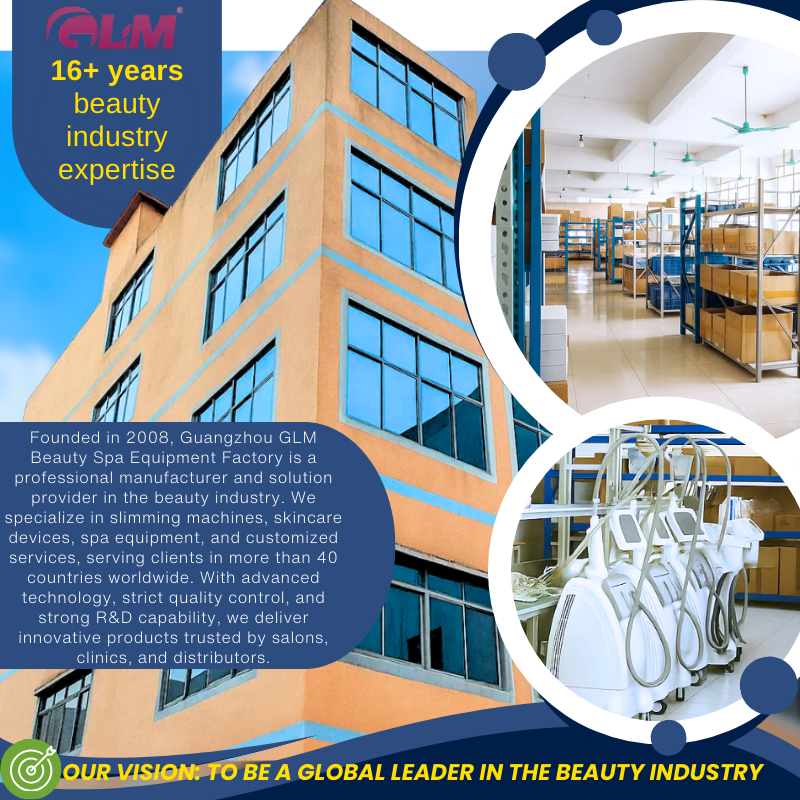
Founded in 2008, Guangzhou GLM Beauty Spa Equipment Factory specializes in research, development, manufacture and selling of beauty and slimming machines. Our production base is located in Guangzhou City, Guangdong Province, China. Since our foundation, we have introduced advanced technologies and equipment, to assure high quality and high performance of our products. With professional marketing guide and excellent after-sales service, our products have been exported to over 20 countries and regions, including Southeast Asia, the Middle East, Europe and the United States, won worldwide praises and gained a good reputation