Introduction
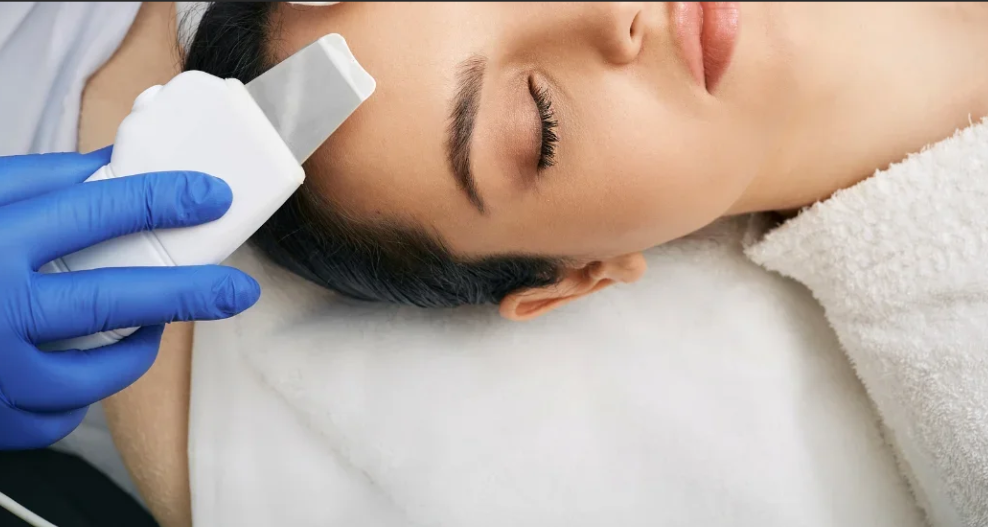
Ultrasonic skin scrubbers have become a staple device in modern aesthetic clinics and professional beauty salons. Known for their ability to deliver deep cleansing, gentle exfoliation, and enhanced product absorption, these devices are now considered a foundational tool in many facial treatment protocols.
However, one of the most common questions from both clients and practitioners is: how often should an ultrasonic skin scrubber be used to achieve optimal results?
The answer is not simply about frequency—it is closely tied to how professional-grade devices are designed to be integrated into structured treatment programs. In clinical settings, ultrasonic equipment is not used randomly or excessively; instead, it is applied strategically to maximize performance while maintaining skin balance.
Understanding the correct usage frequency is essential not only for treatment effectiveness but also for positioning ultrasonic devices as a reliable, results-driven solution in professional skincare.
Background/Problem
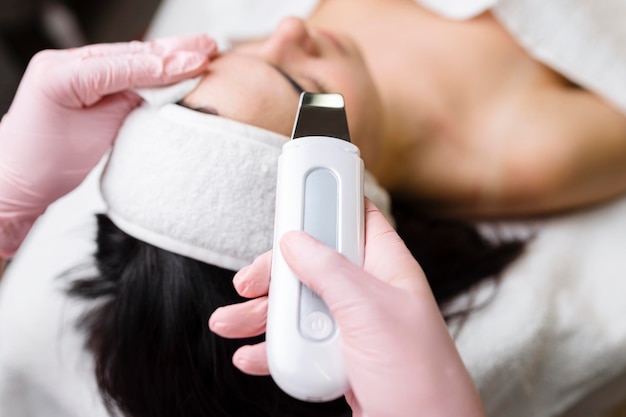
While ultrasonic skin scrubbers are widely recognized for their benefits, improper usage frequency can limit their effectiveness or even compromise skin condition.
Overuse may lead to:
- Skin sensitivity or irritation
- Disruption of the skin barrier
- Reduced treatment efficiency over time
On the other hand, underuse may result in:
- Incomplete cleansing of pores
- Poor removal of dead skin cells
- Limited absorption of active ingredients
In many cases, this confusion arises from comparing professional equipment with home-use devices. Home users may apply scrubbers more frequently due to lower power output, while professional machines operate at higher efficiency and require a more controlled approach.
For clinics, establishing the correct usage frequency is critical. It ensures consistent results, protects skin health, and reinforces the value of device-based treatments within structured skincare programs.
Technology/Mechanism
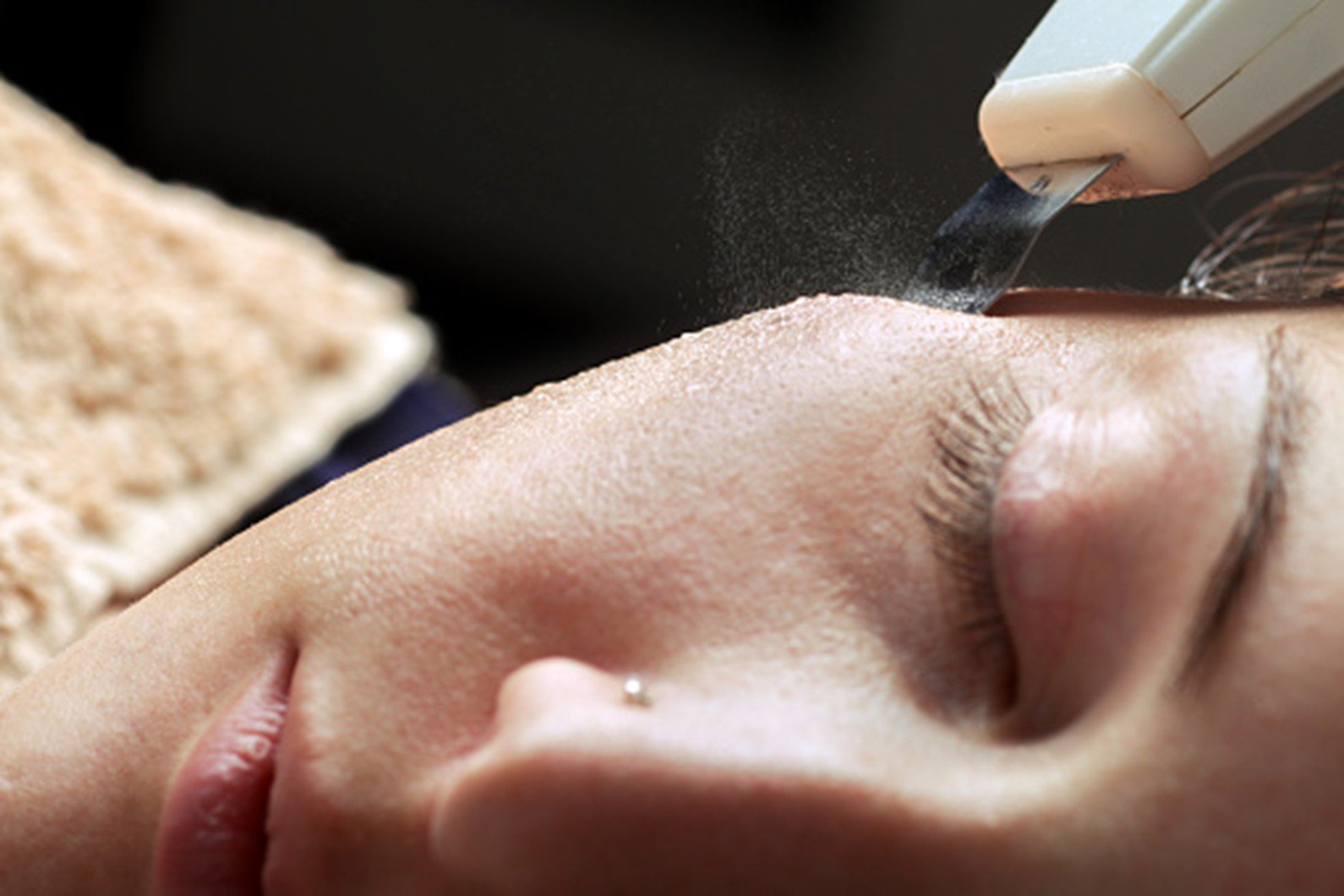
Ultrasonic skin scrubbers operate using high-frequency vibrations, typically above 20,000 Hz, delivered through a metal spatula. When used on damp skin, these vibrations create a cavitation effect that helps dislodge impurities, sebum, and debris from pores.
At the same time, the device performs gentle exfoliation by removing dead skin cells without the need for abrasive materials. In professional treatments, this process prepares the skin for subsequent steps such as serum infusion, RF treatments, or LED therapy.
Because professional ultrasonic devices deliver stable and relatively strong vibration output, each session already provides a high level of effectiveness. This is why frequency must be carefully controlled—overuse is unnecessary and may reduce overall treatment quality.
Additionally, many clinic-grade ultrasonic machines include multiple modes (cleansing, lifting, infusion), allowing practitioners to adjust usage depending on the treatment stage. This flexibility further emphasizes that frequency should be based on treatment design rather than fixed daily routines.
Advantages/Comparison
From a device-centered perspective, the usage frequency of ultrasonic scrubbers highlights a key difference between professional and non-professional equipment.
Professional ultrasonic devices are designed for efficiency over repetition. Their stronger and more stable output allows practitioners to achieve deep cleansing and exfoliation in fewer sessions, reducing the need for frequent use.
In contrast, home-use devices often require more frequent application due to:
- Lower vibration intensity
- Limited functional modes
- Reduced treatment depth
Another important advantage of controlled professional use is skin safety and consistency. By spacing treatments appropriately, clinics can maintain the skin barrier while still delivering visible improvements.
Compared to traditional exfoliation methods such as scrubs or chemical peels, ultrasonic devices offer a more predictable and adjustable approach. Frequency can be customized based on skin condition, rather than following a fixed routine that may not suit all clients.
From a business standpoint, this structured usage model allows clinics to design treatment packages. Instead of encouraging frequent self-use, practitioners can position ultrasonic treatments as part of a professional program—enhancing both results and service value.
Applications/Client Needs
In professional settings, the frequency of ultrasonic skin scrubber use is typically determined by skin type, condition, and treatment goals.
For normal to combination skin:
Ultrasonic treatments are commonly performed once every 2–3 weeks as part of a regular facial maintenance program. This frequency supports consistent pore cleansing and skin renewal without over-exfoliation.
For oily or acne-prone skin:
More frequent sessions may be recommended, such as once every 1–2 weeks. In these cases, ultrasonic devices help control sebum buildup and maintain a cleaner skin environment, improving the effectiveness of acne treatments.
For sensitive or thin skin:
Treatments are usually spaced further apart, typically every 3–4 weeks. Gentle settings are used to avoid overstimulation while still providing mild exfoliation and preparation benefits.
For intensive treatment programs:
Ultrasonic scrubbers may be used as a preparatory step within multi-step treatments. In these cases, frequency is aligned with the overall treatment schedule rather than used as a standalone procedure.
It is important to note that in professional clinics, ultrasonic devices are rarely used daily. Instead, they are integrated into structured protocols where each session delivers maximum value.
This approach not only ensures better skin outcomes but also reinforces the role of the device as a high-performance professional tool.
Conclusion
The frequency of ultrasonic skin scrubber use is not a fixed rule but a strategic decision based on device capability, skin condition, and treatment goals. In professional settings, less frequent but more effective use is the key to achieving optimal results.
By leveraging the power and precision of clinic-grade ultrasonic devices, practitioners can deliver deep cleansing, gentle exfoliation, and enhanced treatment outcomes without compromising skin health.
For aesthetic clinics, positioning ultrasonic treatments within structured programs—rather than as high-frequency routines—not only improves results but also elevates the perceived value of the service.
Ultimately, ultrasonic skin scrubbers are most effective when used as part of a well-designed, device-driven treatment strategy—where quality of application outweighs frequency.
Founded in 2008, Guangzhou GLM Beauty Spa Equipment Factory specializes in research, development, manufacture and selling of beauty and slimming machines. Our production base is located in Guangzhou City, Guangdong Province, China. Since our foundation, we have introduced advanced technologies and equipment, to assure high quality and high performance of our products. With professional marketing guide and excellent after-sales service, our products have been exported to over 20 countries and regions, including Southeast Asia, the Middle East, Europe and the United States, won worldwide praises and gained a good reputation.