Introduction
Dermal fillers have become an important part of modern aesthetic treatments. By restoring volume, improving facial contours, and softening the appearance of selected lines and folds, fillers can create subtle changes without surgical intervention. However, the treatment does not end when the injection is complete.
The period immediately after a filler treatment is an important part of the overall aesthetic experience. The skin may appear temporarily swollen, red, tender, or slightly bruised, while the treated tissue adapts to the injection and filler material. For this reason, professional post-treatment skin care should focus on protecting the treated area, maintaining a comfortable skin environment, and carefully monitoring the recovery process.
For aesthetic clinics and professional beauty centers, this creates an opportunity to provide more than an injection service. A well-designed post-treatment care program can combine professional observation, appropriate skincare, cooling solutions, gentle LED-based care, and scheduled follow-up to create a more complete client experience.
The key principle is simple: after dermal fillers, less aggressive treatment is often better. The objective is not to stimulate the skin aggressively, but to create the right conditions for comfortable recovery.
Background / Problem: Why Does Skin Need Special Care After Fillers?
Dermal fillers are injected beneath the skin to restore or add volume in selected areas. Depending on the treatment area and filler type, clients may experience temporary swelling, bruising, redness, tenderness, sensitivity, or a feeling of firmness around the injection points.
These reactions do not automatically indicate a problem. Mild post-treatment changes can occur as part of the body's response to the injection. However, clients often become concerned when their face looks different immediately after treatment.
This is where professional aftercare becomes important.
A client may leave a clinic expecting an immediate final result, while the actual appearance can change during the first several days as swelling settles. Professional operators therefore need to explain the expected recovery process clearly rather than simply telling clients to “take care of their skin.”
Aftercare should also consider the fact that the skin barrier and injection sites have just been exposed to a minimally invasive procedure. Excessive rubbing, unnecessary pressure, aggressive exfoliation, intense heat, or inappropriate cosmetic treatments may create additional irritation.
According to the American Society of Plastic Surgeons, temporary swelling, bruising, redness, numbness, tenderness, and palpable areas can occur after dermal filler treatment. Recovery varies according to the individual and the type of filler used.
For professional clinics, this means aftercare should be individualized rather than based on a single universal routine.
Technology / Mechanism: How Professional Skin-Care Technology Can Support Aftercare
Professional beauty equipment should not be viewed as a replacement for medical assessment after dermal filler injections. Instead, selected technologies can become part of a carefully controlled skin-management program when the treating professional considers them appropriate.
1. Controlled Cooling for Immediate Comfort
Cooling is one of the simplest technologies used in post-treatment skin management.
A professional cooling device can help create a controlled, comfortable cooling environment around the treated area. Unlike placing an extremely cold object directly against the skin, professional systems can provide more consistent temperature management when used according to the device's specifications.
Cooling may be particularly useful when the client's main concern is temporary warmth, redness, or discomfort.
However, cooling should never involve excessive pressure over freshly injected areas. The objective is comfort and controlled skin management, not mechanical manipulation of the filler.
2. LED Light Therapy for Gentle Skin Management
LED-based facial devices are another technology that can be incorporated into a broader professional skincare program.
Different wavelengths of LED light interact with skin tissue in different ways, which is why professional LED systems are commonly designed with multiple modes for different skincare objectives. For post-filler clients, the focus should be on gentle, non-invasive skin care rather than aggressive resurfacing.
A clinic may incorporate appropriate LED sessions into a follow-up skincare program after the initial recovery period, depending on the treatment protocol and the condition of the client's skin.
This is particularly valuable for clinics that want to build a complete facial rejuvenation program instead of offering isolated procedures.
3. Skin Analysis Before Additional Treatments
One of the most useful technologies in a professional clinic is often diagnostic rather than treatment-based.
A skin analyzer can help operators observe characteristics such as hydration, oil distribution, pigmentation, texture, and visible skin condition. After filler treatment, this information can support a more individualized skincare plan.
For example, instead of automatically recommending an exfoliating facial treatment, a professional operator can first assess whether the client's skin appears dry, sensitive, congested, or otherwise unsuitable for intensive procedures.
This creates a more evidence-oriented approach to treatment planning.
4. Gentle Hydration and Non-Invasive Facial Care
Once the treating professional determines that the skin is ready, selected non-invasive facial technologies may be incorporated into a longer-term maintenance program.
Hydration-focused equipment, oxygen-based facial systems, or gentle infusion technologies can be used in professional skincare settings to support the overall appearance and comfort of the skin.
The timing is critical.
Immediately after filler injection is not the appropriate moment to perform every facial treatment available in a clinic. Professional operators should distinguish between immediate aftercare, early recovery care, and long-term maintenance.
This treatment sequencing is one of the major differences between professional aesthetic care and a generic home skincare routine.
Advantages / Comparison: Professional Aftercare vs. Basic Home Skincare
Home skincare still plays an important role after dermal fillers. Gentle cleansing, appropriate moisturization, and daily sun protection can become part of a client's routine.
However, professional aftercare offers several additional advantages.
Professional Observation
A trained practitioner can observe changes in the treated area and determine whether the recovery appears consistent with the expected course.
This is particularly important because not every post-treatment change should be managed with cosmetic skincare. Some symptoms require professional medical evaluation rather than another facial treatment.
Controlled Equipment Parameters
Professional devices can provide controlled settings for temperature, light exposure, treatment duration, or other operating parameters.
This level of control is difficult to reproduce with many consumer skincare tools.
Personalized Treatment Planning
A professional clinic can combine consultation, skin analysis, treatment history, and follow-up observations.
Instead of asking, “What device should we use?” the better question is, “What does the client's skin need at this stage of recovery?”
That change in thinking allows equipment to become part of a professional treatment protocol rather than simply another machine on the treatment menu.
Better Integration With Long-Term Skin Management
Dermal fillers primarily address volume and contour concerns. They do not replace fundamental skin-quality management.
A client may therefore benefit from a long-term program that combines appropriate injectable treatments with professional skin analysis, hydration care, LED-based treatments, and other non-invasive services when suitable.
This creates a more comprehensive aesthetic pathway for clinics.
Applications / Client Needs: Building a Professional Post-Filler Care Program
A professional clinic can organize post-filler services according to different stages and client needs.
Stage 1: Immediate Post-Treatment Support
Immediately after treatment, the priority is observation, comfort, and clear aftercare education.
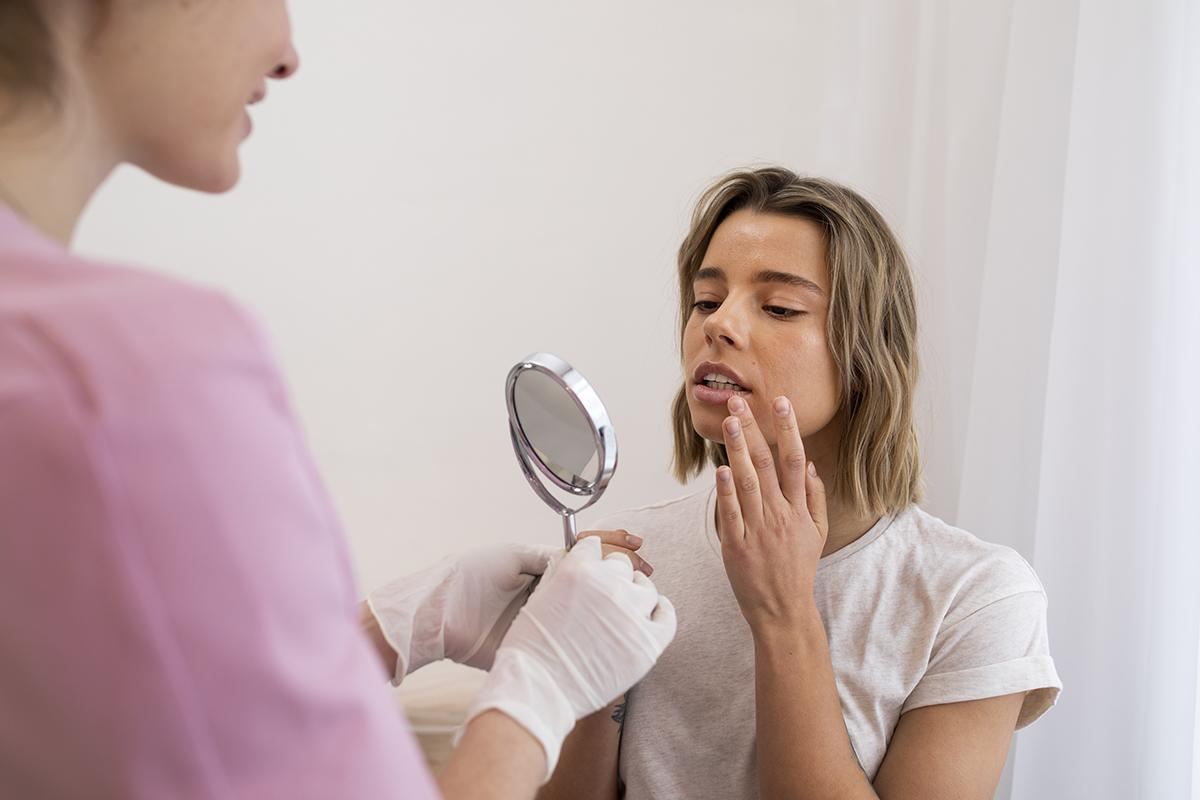
The practitioner can explain what temporary swelling or bruising may look like and provide instructions regarding activities, skincare products, and follow-up.
ASPS notes that intense physical activity is generally avoided for the first 24–48 hours after filler treatment to help minimize swelling and bruising, although individual instructions may differ.
At this stage, unnecessary facial manipulation should be minimized.
Stage 2: Early Recovery
During the early recovery period, the clinic can maintain communication with the client and monitor the appearance of the treated area.
If appropriate under the clinic's protocol, gentle professional skincare technologies may be introduced after the initial recovery period. The exact timing should depend on the injection site, filler product, skin condition, and treating professional's instructions.
The purpose is not to “speed up” the filler itself. Instead, the goal is to support the surrounding skin and provide a controlled, comfortable skincare experience.
Stage 3: Long-Term Maintenance
Once the skin has recovered, clients can transition into a broader maintenance program.
This may include:
- Professional skin analysis
- Hydration-focused facial treatments
- LED light therapy
- Gentle oxygen facial treatments
- Selected non-invasive infusion technologies
- Customized skincare programs
- Periodic professional assessments
For clinics, this approach can also transform a one-time filler appointment into an ongoing skin-management relationship.
Meeting Different Client Expectations
Not every filler client has the same objective.
A client receiving lip filler may have different aftercare requirements and concerns from someone receiving cheek or chin contouring. Similarly, clients with sensitive or dry skin may require a different skincare strategy from clients with oily or resilient skin.
Professional equipment becomes particularly valuable when the clinic needs flexibility.
A multi-function facial platform, for example, may allow operators to provide different skincare services during different stages of a client's treatment journey rather than relying on one fixed procedure.
The equipment itself is not the treatment plan. The professional operator's assessment determines which function, setting, and timing are appropriate.
Important Safety Considerations
Post-filler skincare should never be used to disguise symptoms that require medical attention.
The FDA states that patients should seek immediate medical attention for unusual pain, vision changes, or white, gray, or blue skin near the injection site, as well as symptoms associated with stroke. These can be signs of a serious filler complication.
Clinics should therefore establish clear escalation procedures and ensure that clients know when to contact the treating medical professional.
It is also important to remember that dermal fillers are medical products, and injection should be performed by appropriately trained and qualified healthcare professionals according to applicable regulations. The FDA specifically advises providers to understand facial anatomy, product indications, and potential complications.
Professional skincare equipment should complement this clinical framework—not replace it.
Conclusion
Caring for the skin after dermal fillers is about more than applying moisturizer or waiting for swelling to disappear. Effective aftercare combines patient education, professional observation, appropriate skincare, and carefully selected technologies.
For aesthetic clinics, this creates an opportunity to develop a more complete treatment experience. Skin analyzers can support individualized assessment, cooling technologies can provide controlled comfort, LED systems can contribute to gentle skin management, and hydration-focused facial equipment can become part of a longer-term maintenance program when appropriately timed.
The most important principle is treatment sequencing. Freshly treated skin does not necessarily need more stimulation. It needs the right level of care at the right time.
When professional operators combine clinical judgment with suitable aesthetic technology, post-filler care can become a structured part of the overall client journey—supporting comfort, skin quality, and long-term treatment planning while maintaining the professional standards expected in modern aesthetic clinics
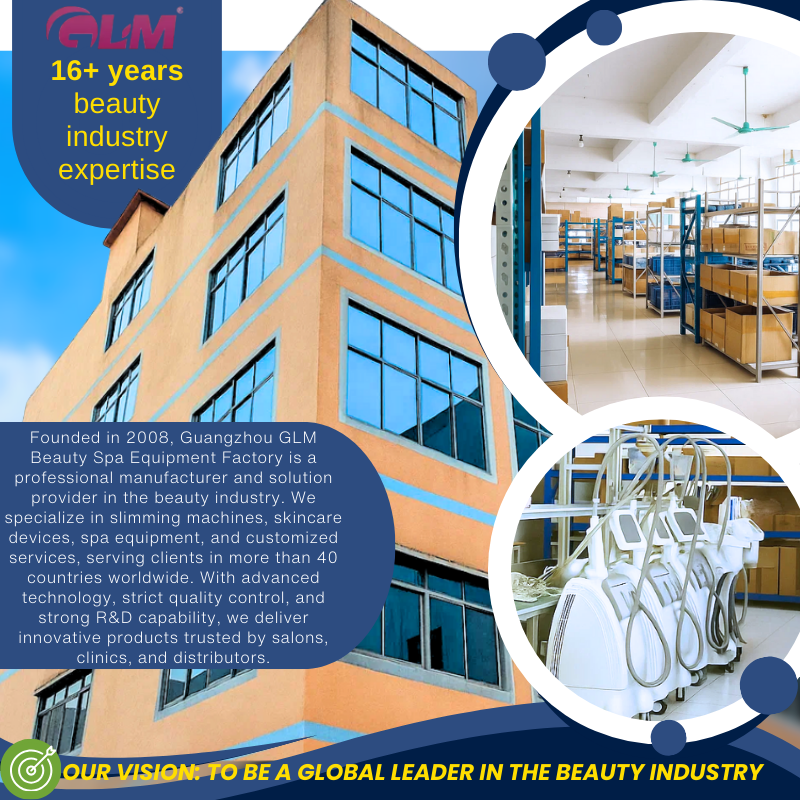
Founded in 2008, Guangzhou GLM Beauty Spa Equipment Factory specializes in research, development, manufacture and selling of beauty and slimming machines. Our production base is located in Guangzhou City, Guangdong Province, China. Since our foundation, we have introduced advanced technologies and equipment, to assure high quality and high performance of our products. With professional marketing guide and excellent after-sales service, our products have been exported to over 20 countries and regions, including Southeast Asia, the Middle East, Europe and the United States, won worldwide praises and gained a good reputation