
1. Introduction
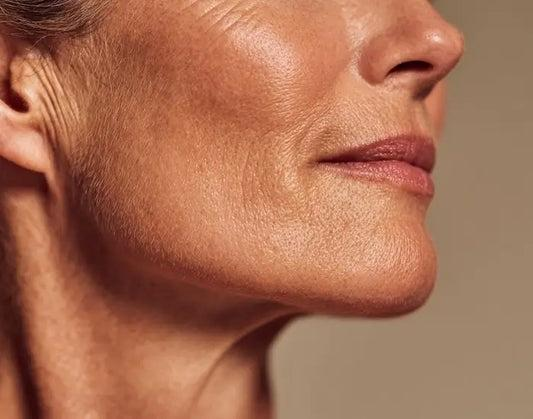
A well-defined jawline is often associated with a youthful, balanced facial appearance. However, as the skin ages and underlying facial structures change, the lower face may gradually lose its definition. Soft tissue can begin to descend along the jawline, creating small areas of fullness commonly known as jowls. For many people, this change affects the overall facial contour more than individual wrinkles do.
In 2026, interest in non-surgical jawline tightening continues to make lower-face rejuvenation an important consideration for aesthetic clinics and professional beauty centers. Clients increasingly seek treatments that improve skin firmness, preserve their natural facial features, and avoid the downtime associated with surgery.
Professional aesthetic technologies, including radiofrequency (RF) skin tightening and focused ultrasound, can play a role in carefully selected treatment plans. However, effective jowl reduction requires more than choosing a popular device. Practitioners must understand whether skin laxity, facial volume loss, tissue descent, or localized fullness is primarily responsible for the concern.
For clinics and beauty equipment providers, this distinction creates an opportunity to develop more personalized treatment services. By combining appropriate technology, professional assessment, and realistic expectations, practitioners can offer clients a more informed approach to jawline rejuvenation.
2. Background: Why Do Jowls Develop?
Jowls are not caused by a single aging process. They generally develop through a combination of changes in the skin, fat compartments, connective tissues, and facial support structures.
Skin laxity and collagen decline
Collagen and elastin help maintain the skin's firmness and elasticity. With age, the production and organization of these structural proteins change, and the skin may gradually become less resilient. Environmental exposure, smoking, and other lifestyle factors can also influence skin quality.
When the skin loses some of its supporting capacity, tissue around the lower cheeks and jawline may appear looser. Mild skin laxity can make the transition between the cheek and jaw less defined, particularly when combined with changes in the underlying tissues.
Facial volume loss and tissue descent
Facial volume loss is another important contributor. The fat compartments that provide fullness to the cheeks and midface may shrink or change position over time. Changes in the deeper supporting structures can also affect how soft tissue sits over the jaw.
As support diminishes, tissue may become more prominent near the lower cheeks, creating the appearance of jowls. This explains why tightening the skin alone may not fully address every case.
Localized fullness and individual anatomy
Not every heavy-looking jawline is caused by loose skin. Some clients have naturally fuller lower cheeks, localized fat, a softer chin-to-neck angle, or anatomical features that reduce jawline definition.
Weight fluctuations and individual facial structure may further influence the appearance of the lower face. These differences matter because treatments designed to improve skin firmness do not necessarily reduce fat, restore lost volume, or reposition descended tissue.
For professional practitioners, the first step is therefore to identify the primary concern rather than treating every client with the same procedure.
3. Technology and Mechanism: How Can Professional Devices Help?
Non-surgical jowl treatments aim to improve selected aspects of lower-face appearance without surgically removing excess skin or repositioning deeper tissues. The most appropriate technology depends on the client's anatomy, skin condition, treatment goals, and the device's authorized indications.
Radiofrequency skin tightening
Radiofrequency technology delivers electrical energy into tissue, generating heat through tissue resistance. Depending on the device design and treatment protocol, controlled heating can affect dermal collagen and stimulate remodeling processes associated with improved skin firmness.
Professional RF systems are used in selected facial rejuvenation protocols to address mild skin laxity, fine lines, and changes in skin texture. For clients whose jowls are partly associated with reduced skin firmness, an appropriate RF treatment may help the lower face appear smoother and more defined.
The potential benefit depends on the technology used, the delivered energy, treatment depth, and individual response. RF should not be presented as a guaranteed lifting treatment or a substitute for surgery when substantial tissue descent is present.
It is also important to distinguish non-invasive RF from RF microneedling. RF microneedling penetrates the skin and has a different risk profile. The US Food and Drug Administration issued a safety communication in October 2025 concerning reported serious complications from certain RF microneedling uses, including burns, scarring, fat loss, and nerve damage. These procedures require appropriate medical expertise, device-specific training, and careful patient selection.
Focused ultrasound and deeper tissue targeting
Focused ultrasound technologies deliver acoustic energy to selected tissue depths, depending on the system and its configuration. Certain professional systems are designed to target deeper tissue planes and may be used for lifting or tightening indications within their authorized scope.
For suitable clients, ultrasound-based procedures may help improve the appearance of lower-face laxity. However, the depth reached, treatment response, and safety profile vary by device. Not every ultrasound beauty machine is a focused-ultrasound lifting system, and not every device is suitable for the same facial area.
Practitioners should verify the manufacturer's instructions, intended use, training requirements, and local regulatory status before offering treatment.
Skin-quality support and complementary treatments
Some clients may benefit from complementary procedures that improve hydration, surface texture, or overall skin quality. These treatments can support a comprehensive facial rejuvenation program, although they do not directly replace lost structural volume or correct substantial sagging.
Where facial volume loss is a major concern, qualified medical professionals may discuss additional options, such as carefully selected dermal fillers. These are medical procedures, not functions that should be attributed to an RF or ultrasound device.
The goal is to match each intervention to the underlying problem rather than expecting one technology to address every aspect of facial aging.
4. Advantages and Comparison: Professional Treatments Versus Home Devices
Home beauty devices may appeal to consumers seeking convenient skincare routines. However, professional aesthetic systems and consumer devices are not interchangeable.
Greater control over treatment planning
Professional systems may offer device-specific energy settings, applicators, treatment protocols, and monitoring features. These capabilities can help trained practitioners tailor a procedure to the treatment area and the client's needs, provided the system is used according to its instructions.
The available features differ substantially between manufacturers and models. Clinics should evaluate actual specifications and validated indications rather than assuming that a higher energy rating automatically means better results.
Professional assessment and application
A trained practitioner can evaluate skin laxity, facial proportions, tissue fullness, medical history, and contraindications before recommending treatment. This assessment is especially important around the lower face, where excessive tissue heating or inappropriate treatment selection may produce undesirable changes.
Home users generally have fewer opportunities for comprehensive assessment and supervised treatment. A device marketed for home skincare should not be assumed to deliver the same performance, depth, or safety profile as a professional system.
Medical-grade treatments, particularly those involving needles or deeper tissue targets, should only be performed by appropriately qualified practitioners under the applicable regulations.
More realistic expectations
Non-surgical treatments can offer gradual or modest improvements for selected clients, but they cannot reproduce every effect of a surgical facelift.
| Treatment approach | Primary focus | Important limitation |
|---|---|---|
| Professional non-invasive RF | Selected skin-firmness and texture concerns | Does not remove substantial excess skin or restore lost facial volume |
| Focused ultrasound | Targeted tissue tightening or lifting, depending on the system | Results and suitability depend on the device and treatment indication |
| Home beauty devices | Routine skincare and device-specific cosmetic goals | Capabilities vary; not equivalent to professional treatment systems |
| Medical volume restoration | Replacing selected areas of lost support | Requires qualified medical assessment and carries procedure-specific risks |
| Surgical facelift | More substantial tissue repositioning and excess-skin correction | Involves surgery, recovery, and surgical risks |
The best approach is not necessarily the most intensive treatment. For clients who prioritize natural-looking results, conservative planning and an accurate understanding of treatment limitations are essential.
5. Applications and Client Needs: Building a Personalized Jowl Treatment Plan
For professional beauty centers and aesthetic clinics, successful lower-face services begin with consultation and a structured assessment.
Clients with early skin laxity
Clients with mild loss of firmness and relatively preserved facial volume may be candidates for selected non-invasive skin-tightening procedures. Depending on the equipment and its authorized indications, RF or focused ultrasound may form part of the treatment plan.
Practitioners should explain that improvement may develop gradually and that the extent and duration of results vary. A series of treatments or maintenance sessions may be appropriate for some systems, but scheduling must follow the manufacturer's protocol and the client's clinical needs.
Clients with noticeable facial volume loss
When hollowing of the cheeks or loss of structural support contributes significantly to jowling, skin tightening alone may not produce a balanced result. Further tightening without careful assessment may be inappropriate, particularly for clients with limited facial volume.
A qualified medical practitioner can determine whether volume restoration, another intervention, or a combination of approaches is more suitable. The treatment objective should be improved facial balance rather than simply making the jawline look sharper at any cost.
Clients with more advanced sagging
When there is substantial excess skin or pronounced descent of deeper tissues, non-surgical devices may provide limited improvement. Transparent consultation is important: clients should understand when a device-based procedure is unlikely to meet their expectations and when referral for a surgical opinion may be more appropriate.
Ethical treatment planning protects clients and helps clinics build long-term trust.
The importance of professional equipment selection
For clinics investing in aesthetic equipment, device selection should reflect the services they intend to provide, the training available to staff, local regulations, and the needs of their client base.
Before purchasing an RF or ultrasound system, decision-makers should evaluate:
-
Technology and intended use: Confirm whether the device is non-invasive, minimally invasive, or designed for a specific medical procedure.
-
Treatment parameters: Review energy delivery, applicator design, available settings, and manufacturer-recommended protocols.
-
Safety and compliance: Check relevant regulatory documentation, contraindications, operator qualifications, and maintenance requirements.
-
Training and technical support: Consider operator education, troubleshooting assistance, and ongoing service availability.
-
Business suitability: Assess whether the equipment fits the clinic's treatment menu, target clientele, operating costs, and service model.
A device's commercial value depends on more than its feature list. Appropriate training, reliable technical support, clear documentation, and realistic treatment claims all contribute to responsible service delivery.
6. Conclusion: A More Informed Approach to Jawline Rejuvenation in 2026
Reducing jowls without surgery requires a clear understanding of what is changing in the lower face. Skin laxity, facial volume loss, tissue descent, and individual anatomy can all contribute to a less-defined jawline, but each requires a different treatment strategy.
Professional radiofrequency and focused ultrasound technologies can support selected non-surgical rejuvenation plans, particularly when skin firmness is a meaningful part of the concern. Their value lies in appropriate application, controlled treatment, and integration into a broader assessment—not in promises of dramatic lifting for every client.
For aesthetic clinics and professional beauty centers, a consultation-led approach creates opportunities to deliver more personalized services while maintaining realistic expectations. For beauty equipment buyers, selecting technology based on verified specifications, intended use, training, and safety is essential to building a sustainable treatment offering.
Ultimately, natural-looking results come from matching the right treatment to the right client. In 2026, professional expertise and responsible technology selection remain central to effective, client-focused jawline rejuvenation
Founded in 2008, Guangzhou GLM Beauty Spa Equipment Factory specializes in research, development, manufacture and selling of beauty and slimming machines. Our production base is located in Guangzhou City, Guangdong Province, China. Since our foundation, we have introduced advanced technologies and equipment, to assure high quality and high performance of our products. With professional marketing guide and excellent after-sales service, our products have been exported to over 20 countries and regions, including Southeast Asia, the Middle East, Europe and the United States, won worldwide praises and gained a good reputation
