
Introduction
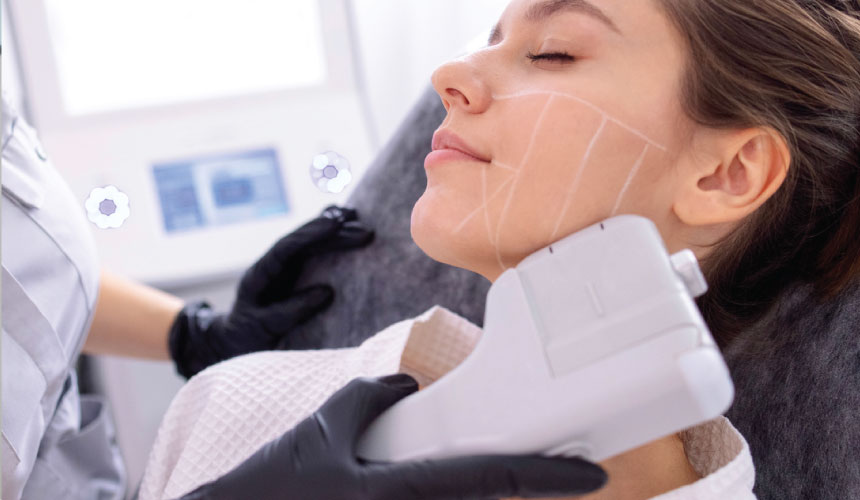
High-Intensity Focused Ultrasound (HIFU) has become one of the most popular non-surgical skin tightening technologies in aesthetic clinics worldwide. Known for its ability to lift, firm, and redefine facial and body contours without downtime, HIFU is often positioned as an alternative to surgical facelifts.
As its popularity grows, clients with different skin tones, sensitivities, and conditions frequently ask the same question: Is HIFU safe for all skin types?
To answer this accurately, it is essential to understand how HIFU works, how skin types differ biologically, and why professional HIFU devices are designed to accommodate these variations.
Background: Why Skin Type Matters in Energy-Based Treatments
Differences Between Skin Types
Skin types vary in:
-
Melanin concentration
-
Dermal thickness
-
Sensitivity levels
-
Healing response
These differences are particularly important for energy-based treatments. Technologies that rely on light or heat absorption at the skin surface can pose higher risks for darker or sensitive skin tones.
Why HIFU Is Often Considered Different
Unlike lasers or IPL, HIFU does not rely on light energy or chromophore absorption. This fundamental distinction is key to understanding its safety profile across diverse skin types.
How HIFU Technology Works
Focused Ultrasound Energy
HIFU devices deliver focused ultrasound waves that bypass the epidermis and dermis, targeting deeper structural layers such as:
-
The deep dermis
-
Subcutaneous tissue
-
The SMAS layer (Superficial Musculoaponeurotic System)
These are the same foundational layers addressed in surgical facelifts.
Thermal Coagulation at Controlled Depths
At precise depths, ultrasound energy creates controlled thermal coagulation points that:
-
Stimulate collagen denaturation
-
Trigger natural collagen regeneration
-
Gradually tighten and lift tissue
Because the energy is focused below the skin surface, the epidermis remains largely unaffected.
Why HIFU Is Safe for Most Skin Types
No Dependence on Melanin
One of HIFU’s biggest safety advantages is that it does not interact with melanin. This means:
-
No risk of pigment absorption
-
Lower chance of post-inflammatory hyperpigmentation
-
Safer application on darker skin tones
This makes HIFU a preferred option in clinics treating diverse client populations.
Non-Ablative, Non-Invasive Delivery
HIFU does not break the skin barrier or remove tissue. There is:
-
No open wound
-
Minimal surface heating
-
No light-induced damage
This significantly reduces infection risk and downtime.
Skin Types That Respond Well to HIFU
HIFU is generally safe and effective for:
-
Light to dark skin tones
-
Thick or medium dermal skin
-
Mild to moderate skin laxity
Clients seeking gradual, natural lifting without dramatic surface changes are ideal candidates.
When Extra Caution Is Needed
Although HIFU is safe for most people, professional assessment is essential for clients who:
-
Have extremely thin skin
-
Experience active inflammatory skin conditions
-
Have severe laxity requiring surgical intervention
In these cases, treatment parameters must be adjusted or combined with complementary technologies.
The Role of Professional HIFU Devices
Precision and Depth Control
High-quality HIFU machines offer:
-
Multiple cartridge depths
-
Stable energy output
-
Accurate focal point targeting
This allows practitioners to customize treatments according to facial anatomy and skin condition, greatly improving safety.
Consistent Energy Delivery
Professional devices ensure that energy is delivered evenly and predictably. This consistency reduces:
-
Hot spots
-
Uneven tightening
-
Client discomfort
Device quality plays a critical role in determining whether HIFU remains safe across different skin types.
HIFU vs. Other Energy-Based Technologies
Compared to RF, laser, or IPL:
-
HIFU penetrates deeper
-
HIFU avoids epidermal heating
-
HIFU minimizes pigment-related risks
This is why many clinics choose HIFU as a core lifting technology rather than a supplementary option.
Combining HIFU with Other Treatments
To enhance safety and results, clinics often pair HIFU with:
-
RF skin tightening for superficial layers
-
LED therapy for recovery and calming
-
Lymphatic drainage for post-treatment comfort
This layered approach allows safer, more comprehensive rejuvenation programs.
Client Education and Expectation Management
Proper consultation is essential. Clients should understand that:
-
Results are gradual
-
Mild tenderness may occur temporarily
-
Collagen remodeling takes time
Clear communication builds trust and improves satisfaction.
Market Trends Supporting HIFU Growth
HIFU continues to expand globally due to:
-
Rising demand for non-surgical lifting
-
Improved device safety standards
-
Growing acceptance across different skin types
Modern HIFU systems are increasingly designed with inclusivity and precision in mind.
Conclusion
HIFU is safe for most skin types when performed using professional-grade equipment and proper treatment protocols. Because it bypasses the skin surface and does not rely on melanin interaction, HIFU offers a unique safety advantage compared to many other energy-based technologies.
For clinics, investing in high-quality HIFU devices allows safe treatment of a broader client base. For clients, HIFU provides a science-backed, non-invasive solution for lifting and tightening—without the risks traditionally associated with skin type differences.