Laser Hair Removal: A New Profit Opportunity for Beauty Salons and Clinics?
Laser hair removal has rapidly gained popularity in the beauty and medical fields in recent years due to its significant and long-lasting effects, as well as high customer satisfaction. For beauty salons and medical clinics, this treatment service seems to hold great market potential and profit margins. However, is laser hair removal really as profitable as it appears? This article will deeply analyze the cost structure, pricing model, market trends, and profit margins of laser hair removal, aiming to help beauty salons and clinics fully assess its true business potential.
I. Laser Hair Removal: A Promising Business with High Profits
Laser hair removal services have become a high-profit business segment for beauty salons and clinics. This is mainly due to the booming market demand and the substantial potential for investment returns. Industry data shows that the profit margin of laser hair removal services typically ranges from 15% to 40%, which is highly attractive for enterprises in the beauty and health industries.
The profitability of laser hair removal depends on several key factors. Among them, the substantial income generated by each customer is one of the important driving forces. The cost of a single laser hair removal session varies depending on the treatment area and location, ranging from a few hundred dollars to several thousand dollars. Since most customers need to undergo multiple sessions to achieve the desired hair removal effect, the total income brought by each customer throughout the treatment process is quite considerable. Merchants can also further expand their revenue sources and enhance customer loyalty by ingeniously designing multiple-session packages.
II. Cost Structure: High upfront investment, considerable long-term returns
Launching laser hair removal services requires significant upfront costs. However, considering the potential for continuous revenue and high customer retention rate, this investment remains a valuable decision for salons and clinics in the long run. The following is a detailed classification of the main cost categories for laser hair removal services:
2.1 Equipment Cost
Laser equipment is the core investment for providing laser hair removal services. Its price is influenced by various factors such as technology, brand, and origin.
Medium-range diode laser: priced between 20,000 and 70,000 US dollars, commonly found in ordinary salons. This equipment is effective for most skin types and can meet the needs of a wide range of customers.
High-end amethyst or ice laser: priced at over 80,000 to 150,000 US dollars or even higher. These devices have better treatment effects for lighter skin tones and shorter treatment sessions, providing customers with a more efficient service experience.
Second-hand/refurbished equipment: priced relatively low, ranging from 10,000 to 30,000 US dollars, providing a lower entry threshold for some businesses with limited budgets. However, purchasing second-hand equipment may involve issues such as lack of warranty and technical support, and careful evaluation is necessary.
In addition to the equipment purchase cost, annual maintenance and calibration expenses are also unignorable, approximately ranging from 5,000 to 20,000 US dollars per year. Regular maintenance and calibration are crucial for ensuring the safety of the equipment and the consistency of treatment effects. The lifespan of most laser equipment is 5 - 7 years, and the break-even period depends on session volume and pricing strategies, generally ranging from 6 to 18 months.
It is worth noting that Mico Aes Company offers highly cost-effective equipment solutions to businesses. The company provides efficient laser equipment at an affordable price (within $5000) to help businesses avoid high upfront investments. Additionally, Mico Aes offers free training services, saving businesses a significant amount of costs for opening new clinics. Businesses can contact Mico Aes via WhatsApp to obtain the latest prices and the best model information.
2.2 Consumables and Operating Supplies
Although laser treatment itself does not require a large amount of heavy consumables, certain supplies play a crucial role in ensuring the safety of patients and the quality of treatment.
Laser phone head: The average monthly cost ranges from 1,000 to 6,000 US dollars, and the specific cost varies depending on the device model and usage frequency.
Cooling gel: The monthly cost is approximately 100 to 400 US dollars, used to provide customers with comfort during the treatment and protect the skin from laser damage.
Anesthesia cream: The monthly cost is between 50 and 300 US dollars, an optional consumable, mainly used for treating sensitive areas to alleviate customers' discomfort.
Goggles: The initial purchase cost is between 100 and 300 US dollars. It can be purchased once or replenished regularly to ensure the eye safety of both customers and operators during the treatment process.
Cleaning and disinfection supplies: The monthly cost is approximately 50 to 150 US dollars, used to maintain the hygiene standards of the treatment environment and prevent cross-infection.
Mico Aes Company also has significant advantages in consumables. The phone consumables it provides cost less, each handle only costs 500 - 700 US dollars, the gel costs only 10 US dollars per piece, and it also offers goggles for free, further reducing the operating costs of the merchants.
2.3 Personnel Costs
Qualified and well-trained staff are the key factors ensuring the safety and effectiveness of laser hair removal treatments.
Certified Laser Technician: Annual salary ranges from 30,000 to 60,000 US dollars. The specific salary level varies depending on the region and experience. Laser technicians need to possess professional knowledge and skills, be able to operate laser equipment proficiently, and develop personalized treatment plans based on the client's skin type and hair condition.
Medical Supervisor (if necessary): Annual salary ranges from 60,000 to 120,000 US dollars. In clinics or medical spa centers, a medical supervisor is usually required to oversee the treatment process and ensure compliance with medical standards and regulations. While this position is not typically necessary in ordinary salons.
Front Desk/Support Staff: Annual salary ranges from 25,000 to 40,000 US dollars. They are mainly responsible for customer reception, consultation services, and scheduling, providing customers with a high-quality service experience.
It should be noted that pricing in first-tier cities is generally higher. The pricing of brand institutions may be 2 - 3 times higher than that of ordinary beauty salons, which also indirectly affects the expenditure level of personnel costs.
III. Average Price of Laser Hair Removal
The price of laser hair removal varies depending on the treatment area, the number of sessions, and the location. The following are the average price ranges for different treatment areas:
Treatment Area Single Course Price (USD) Typical Package (3 - 6 Classes) Price (USD) Notes
Upper Lip 40 - 140 100 - 300 Small and quick treatment area, suitable for customers with high detail requirements
Armpit 30 - 90 150 - 350 Popular treatment area, moderate price, favored by a wide range of customers
Arm (Full Arm or Half Arm) 80 - 250 300 - 800 Arm area is large, treatment requires more time, thus the price is relatively higher
Leg (Entire Leg or Half Leg) 150 - 450 500 - 1,200 Large leg area, treatment costs are higher, but it is also a common demand area for customers
Bikini Line 75 - 200 300 - 700 Sensitive area, high requirements for treatment techniques and safety, moderate cost
Back (Entire) 200 - 450 700 - 1,600 Back area is large, mostly chosen by male customers, treatment requires certain time and skills
Chest/Abdomen 150 - 400 600 - 1,400 Universal treatment area, prices vary according to hair density and area
Full Body 1,000 - 2,500 3,500 - 6,500 Full body hair removal usually covers multiple treatment areas, providing a one-stop service experience for customers
3.1 Pricing Explanation
Regional Differences: The prices in major cities of the United States, Canada, Australia, the United Kingdom, and Western Europe are generally at a higher level. In contrast, the prices in developing markets or smaller cities may be 20% to 50% lower than these regions. This is mainly due to factors such as the economic development level, consumption capacity, and market competition in different regions.
Package Discounts: To encourage customers to choose multiple treatments, most clinics offer multiple-treatment packages, and the price of a single treatment can enjoy a discount of 15 - 30%. Since effective hair removal usually requires multiple treatments, package sales can not only increase customer loyalty but also bring more stable revenue streams to the clinics.
Promotional Pricing: Introduction discounts and seasonal promotions are effective means to attract new customers. Merchants can temporarily lower prices through these activities, up to 50%. For example, launching a bikini line hair removal promotion before summer can attract more customers with demand.
Technical Impact: Different levels of laser equipment also have an impact on prices. High-end lasers (such as Alexander lasers, Ice lasers) due to their more advanced technology and better treatment effects, have relatively higher prices; while entry-level diode lasers have more affordable prices.
3.2 Examples
Taking the US market as an example, the cost of a typical underarm laser hair removal package (5 treatments) is approximately $300 to $400, and each treatment lasts 10 to 15 minutes. The cost of a full-leg treatment may exceed $1,000, and usually requires 6 or more treatments to achieve the desired effect.
IV. Profitability Analysis: High Frequency, Low Cost Winner?
The variable cost per session of laser hair removal is relatively low, and it has a high potential for repeat customers, which creates an extremely attractive profit model for beauty salons and clinics. The following is an in-depth analysis of the key factors affecting the profitability of laser hair removal:
4.1 Revenue Drivers
High-capacity potential: The duration of each laser hair removal treatment varies depending on the treatment area, typically ranging from 15 to 60 minutes. This means that each laser device can accommodate multiple clients for treatment each day, for example, up to 10 - 15 treatments per day. The high-capacity treatment capability brings more revenue opportunities to the business.
Repetitive treatments: As mentioned earlier, effective hair removal requires 3 - 8 treatments, which encourages the sale of multi-treatment packages and helps to increase customer retention rates. Clients usually complete the entire treatment course as recommended by the doctor to achieve the desired hair removal effect, thereby bringing continuous revenue to the business.
Package pricing: The launch of multi-session packages not only improves the clinic's cash flow but also locks in customers and increases their lifetime value. After purchasing the package, customers are more likely to continue receiving subsequent treatments at the clinic, reducing the risk of customer attrition.
4.2 Impact of Cost Structure on Profit Margin
Cost category Typical revenue percentage Description
Equipment depreciation 10 - 15% The lifespan of laser equipment is generally 5 to 7 years, and the equipment cost needs to be amortized over this period.
Supplies and consumables 5 - 10% Includes laser handpieces, cooling gel, anesthetic cream, goggles, etc., as well as cleaning and disinfection supplies.
Labor costs 20 - 30% Primarily includes the salary expenses of certified laser technicians, medical supervisors (if necessary), and front desk/support staff.
Rent and utilities 10 - 15% Varies depending on the location and size of the clinic or beauty salon.
Marketing and administrative expenses 5 - 10% Expenses for customer acquisition, brand promotion, and daily administrative management.
4.3 Typical Profit Margin
4.3.1 Revenue per Customer
The average treatment package for each body part consists of 6 sessions, with costs ranging from $300 to $1,000. Therefore, the lifetime value of each customer throughout the entire treatment process can easily exceed $2,000. If the equipment has a high daily utilization rate, for example, being able to serve 10 - 15 customers per day, then it will accelerate the return on investment and bring a long-term revenue stream to the business.
4.3.2 ROI Calculation
Key Indicators:
Initial Investment: Generally ranging from 50,000 to 100,000 US dollars, depending on the type and brand of the selected laser equipment.
Monthly Operating Costs: Approximately 3,000 to 8,000 US dollars, including rent, employee wages, consumable purchases, etc.
Revenue Potential: Assuming each treatment costs 100 US dollars, with 10 clients visiting per day and 26 days per month, the monthly revenue can reach 26,000 US dollars.
ROI Formula Example:
Return on Investment (%) = [(Annual Profit - Annual Cost) ÷ Initial Investment] × 100
Payback Period = Initial Investment ÷ Monthly Net Profit
A well-operated clinic, through reasonable cost control and efficient operation management, can typically recover its initial investment within 6 to 12 months.
Return on investment drivers:
High equipment utilization: Ensuring that the laser equipment operates at full capacity or near full capacity (with more than 15 sessions per day) can significantly increase the return on investment.
Strong customer retention rate: By providing high-quality services and personalized treatment plans, increasing customer satisfaction and the repeat booking rate, thereby enhancing the lifetime value of customers.
Additional sales of skincare kits or related care products: During the treatment process, recommending skincare products or other related care services suitable for the customer's skin type can further increase the average transaction value and increase revenue sources.
Efficient operation management: Including a simplified appointment scheduling system, employee training plans, and consumable management, which helps to reduce downtime and operational costs, and improve overall operational efficiency.
Gross profit margin and net profit margin:
Gross profit margin: After deducting direct costs such as consumables and labor, the gross profit margin of laser hair removal services typically ranges from 60% to 75%. For example, the cost of underarm care is $150, after deducting labor costs ($30), consumable costs ($10), and equipment depreciation costs ($15), the gross profit margin is approximately $95 (63%).
Net profit margin: After deducting administrative expenses (rent, marketing, management, etc.), the net profit margin of beauty salons and clinics is typically 25% to 40%. Continuing with the above example, after deducting rent and administrative fees, the net profit is approximately $45 - $60 ($30 - $40%).
4.4 Key factors for enhancing profitability
High utilization: As mentioned earlier, the profitability of laser hair removal services is largely dependent on maximizing equipment utilization. Merchants should reasonably schedule treatment times to ensure that the equipment can accommodate a sufficient number of customers each day, thereby achieving higher return on investment.
Additional sales and cross-selling: In addition to the laser hair removal service itself, merchants can also offer a range of supplementary services, such as skin care, facial care, and other laser treatments, to meet customers' diverse beauty needs. Through additional sales and cross-selling, the average transaction value of customers can be increased, and revenue sources can be expanded.
Efficient operation: Establish a simplified appointment scheduling system to ensure that customers can easily and quickly make appointments for treatment times; strengthen employee training to improve professional skills and service levels; optimize consumable management to avoid waste and inventory accumulation. Through these measures, downtime and operational costs can be reduced, and overall operational efficiency can be improved.
Pricing power: Well-reputed or technologically advanced clinics usually have strong competitiveness in the market and can increase profit margins by adopting premium pricing strategies. For example, using high-end laser equipment, providing personalized treatment plans, and offering high-quality customer service, all of which can earn the trust and recognition of customers, allowing for some flexibility in pricing.
4.5 Challenges faced by profit margins
High initial investment: The cost of laser equipment and related certifications is relatively high, and merchants need to bear significant financial pressure when launching laser hair removal services. Therefore, they must carefully plan the amortization and capital recovery strategies for equipment to ensure the rationality and sustainability of the investment.
Competition and pricing pressure: As the laser hair removal market continues to develop, more merchants enter this field, leading to increasingly fierce competition. Some discount suppliers may lower prices to attract customers, thereby squeezing the profit margins of the entire industry. Merchants need to respond to competition pressure by providing differentiated services, enhancing brand image, and other means to maintain reasonable price levels.
Regulatory compliance: Different regions have different regulatory requirements for laser hair removal treatments, and merchants need to understand and comply with relevant training, licensing, and insurance regulations. The costs of regulatory compliance vary by region and increase the management expenses of merchants. Businesses should closely monitor changes in regulations and policies, promptly adjust their operational strategies to ensure compliance with laws and regulations.
Customer retention risk: If the laser hair removal treatment does not achieve satisfactory results or there are issues with service quality, it may lead to a decline in customer satisfaction, reduced repeat bookings and lifetime value. Businesses should focus on treatment effectiveness and customer experience, establish a comprehensive customer feedback mechanism, promptly address customer issues, and enhance customer loyalty.
V. Market Demand and Customer Retention
Driven by consumers' preference for non-invasive and long-lasting beauty treatments, global demand for laser hair removal is experiencing a surge. According to market forecasts, the size of the laser hair removal industry is expected to increase from $1.58 billion in 2025 to $5.34 billion in 2032, with a compound annual growth rate (CAGR) of 18 - 19%.
5.1 Treatment Frequency and Customer Behavior
Most customers require 3 to 8 treatments for each treatment area to achieve the best results. Over 60% of the customers opt for the full treatment package instead of a single treatment, which indicates that customers have high expectations and recognition for the long-term effects of laser hair removal. Additionally, over 70% of the industry's revenue comes from repeat customers, which fully highlights the importance of customer retention for the laser hair removal business.
5.2 Loyalty Drivers
The following factors are the key elements that drive customers to repeatedly choose laser hair removal treatments:
Visible results: Laser hair removal typically reduces 70 - 90% of hair, providing significant visual improvement for clients and enhancing their perception of the treatment's effectiveness.
Comfort and safety: Modern laser technologies, such as ice point cooling lasers, can effectively alleviate discomfort during the treatment process, improving the client's treatment experience and encouraging them to complete the entire treatment course.
Trust and personalization: Clinics that offer personalized treatment plans, ensure consistent treatment results, and provide comprehensive post-treatment care support are more likely to achieve high customer satisfaction and word-of-mouth recommendations. After clients feel the professionalism and care of the clinic, they are more willing to choose this clinic for laser hair removal treatment in the long term.
Summary of key points: The repeatability and high satisfaction rate of laser hair removal make it a reliable source of income for beauty salons and clinics, with strong customer lifetime value. Merchants should focus on treatment effects and customer experience, by providing high-quality services and personalized treatment plans, to increase customer loyalty and achieve continuous business growth.
VI. Other Key Factors Affecting Profitability
Apart from the aforementioned factors, the profitability of laser hair removal is also influenced by various operational and market-related variables. Understanding and optimizing these factors is crucial for beauty salons and clinics to achieve sustained success.
6.1 Treatment Area Size
The larger the treatment area (such as the legs or the back), the higher the cost per treatment session will be. This is because these areas usually require more treatment time and resources, such as laser energy and cooling gel. However, since each visit can generate higher profits, businesses can increase equipment utilization by properly scheduling treatment times, thereby maximizing revenue.
6.2 Hair Type and Density
Thick, black hair responds more quickly to laser treatment and usually requires fewer sessions. This means that businesses can complete the treatment for customers in a shorter period of time, increasing customer turnover. On the other hand, fine or light hair may require more treatments to achieve the desired effect, which not only increases total revenue but also increases operating time and costs. Businesses should develop personalized treatment plans based on the hair type and density of the customers, reasonably estimate the number of treatments and costs, and enhance customer satisfaction.
6.3 Equipment Type and Technology
High-end equipment (such as diodes or amethyst laser units with cooling systems) offers greater treatment comfort and efficiency. Although the initial investment is higher, high-end equipment can attract discerning customers and allow businesses to implement premium pricing strategies, thereby increasing profit margins. When choosing laser equipment, businesses should comprehensively consider factors such as equipment performance, cost, and market demand, and select equipment that is suitable for their business development.
6.4 Employee Professional Knowledge
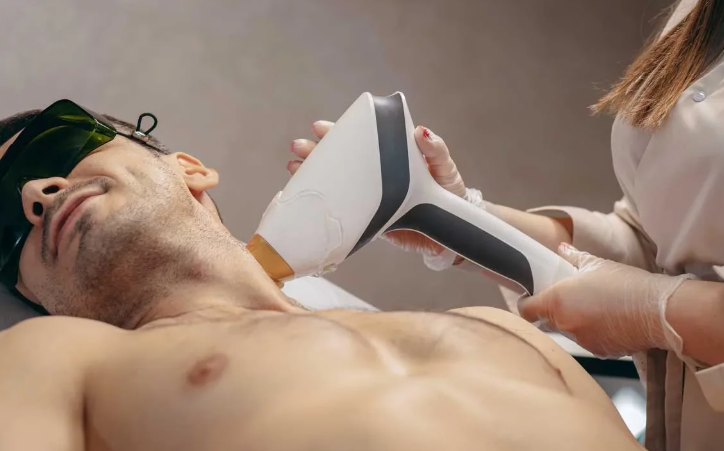
Skilled and certified technicians are crucial for ensuring the safety and effectiveness of laser hair removal treatments. They can provide more consistent treatment results, reduce treatment risks, and increase customer retention rates. Moreover, effectively utilizing the time of each treatment and scheduling customer appointments rationally can enhance the daily treatment capacity and thereby increase the return on investment. Merchants should attach importance to employee training and regularly organize technicians to participate in professional training courses to improve their skill levels and service quality.
6.5 Local Market Competition
In a highly competitive market environment, pricing must be competitive and sustainable. Clinics in saturated markets may need to differentiate themselves through providing excellent service quality, adopting advanced technologies, or launching bundled packages. For instance, some clinics might offer free post-operative consultation services, gift skincare products, or implement membership programs to attract customers and enhance customer loyalty.
6.6 Outstanding Operations
Profitability depends on strict cost control, effective scheduling, and a strong customer retention strategy. Merchants should establish a comprehensive operation management system, including cost control systems, appointment scheduling systems, customer feedback mechanisms, etc., to ensure the efficient operation of all operational links. High equipment utilization, additional sales (such as full-body packages), and smooth customer service operations all contribute to improving the profit level.
By combining top-notch equipment, well-trained staff, and data-driven pricing in the clinic, it is possible to consistently achieve a profit margin of 30% to 50%. Business owners should constantly optimize their operational strategies, pay attention to market trends and changes in customer needs, in order to adapt to market competition and maximize profits.
VII. Profitability Compared with Other Services
To conduct a more comprehensive assessment of the profitability of laser hair removal services, we compare it with other beauty services such as waxing and tattoo removal:
|Service Type|Initial Cost|Average Cost
GLM is a specialized beauty instrument factory that produces instruments for a variety of functions, including weight loss devices. We have vacuum negative press, radio frequency fat blasting equipment, frozen fat dissolving machine and EMS body shaping machine. GLM is a 14 year old supplier of beauty instruments with guaranteed quality.https://gdglmbeauty.com/