
Laser Tattoo Removal: Unmasking the Power of Laser Technology
Over the years, tattoos have become increasingly popular as a form of self-expression. However, as tastes and circumstances change, many individuals find themselves wanting to remove their tattoos. While there are various tattoo removal methods available, laser technology has emerged as a powerful and effective approach. In this blog, we will delve into the process and benefits of laser tattoo removal, as well as explore the advancements in laser technology that have revolutionized this field.
Understanding Laser Tattoo Removal: A Comprehensive Guide
Introduction
Laser tattoo removal has emerged as a popular and effective method for eliminating unwanted tattoos. By utilizing advanced laser technology, this procedure targets tattoo ink with precision, breaking it down into smaller particles that the body can naturally eliminate over time. This guide delves into the intricacies of laser tattoo removal, covering everything from the basics of how it works to advanced techniques, aftercare, and real-life success stories.
How Laser Tattoo Removal Works
Laser tattoo removal operates on the principle of selective photothermolysis. This involves the use of short pulses of intense light, typically emitted by Q-switched or picosecond lasers, to target the tattoo ink. The laser energy is absorbed by the ink particles, causing them to fragment into smaller pieces. These smaller ink particles are then gradually eliminated by the body's lymphatic system, which carries them away through natural processes.
-
Q-Switched Lasers: These lasers emit rapid, high-intensity light pulses that effectively break down tattoo ink while minimizing damage to the surrounding skin. They are particularly effective for treating a wide range of tattoo colors and types.
-
Picosecond Lasers: Representing the latest advancement in laser technology, picosecond lasers deliver ultra-short pulses of light, resulting in even faster ink fragmentation. This often leads to shorter treatment sessions and improved clearance rates, especially for stubborn ink colors like blue and green.
Preparing for Laser Tattoo Removal
Before undergoing laser tattoo removal, it is essential to consult with a qualified professional to assess your specific situation. Several factors can influence the treatment plan, including:
-
Skin Type: Different skin types may respond differently to laser treatment. Darker skin tones, for example, may require special considerations to avoid pigmentation changes.
-
Tattoo Color and Age: The color and age of the tattoo can affect the number of sessions required for complete removal. Darker colors like black and blue are generally easier to remove, while lighter colors like yellow and white may be more challenging. Older tattoos may also require more sessions as the ink tends to settle deeper into the skin over time.
-
Medical History: It is important to disclose any medical conditions or medications that may affect the healing process or increase the risk of complications.
During the consultation, the professional will also discuss potential risks and side effects, such as:
-
Skin Irritation: Temporary redness, swelling, and blistering may occur after treatment.
-
Changes in Skin Pigmentation: Hyperpigmentation (darkening) or hypopigmentation (lightening) of the skin may occur, particularly in individuals with darker skin tones.
-
Scarring: While rare, scarring is a potential risk with any invasive procedure. However, modern laser techniques and proper aftercare significantly reduce this risk.
The Laser Tattoo Removal Process
The laser tattoo removal process typically involves multiple sessions, each lasting around 10-30 minutes depending on the size and complexity of the tattoo. During each session, the following steps are typically followed:
-
Cleaning and Numbing: The treatment area is cleaned, and a numbing cream may be applied to minimize discomfort.
-
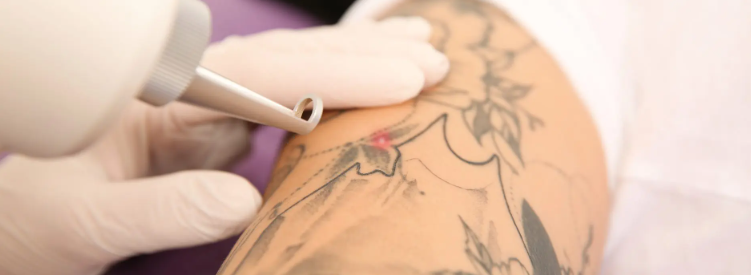
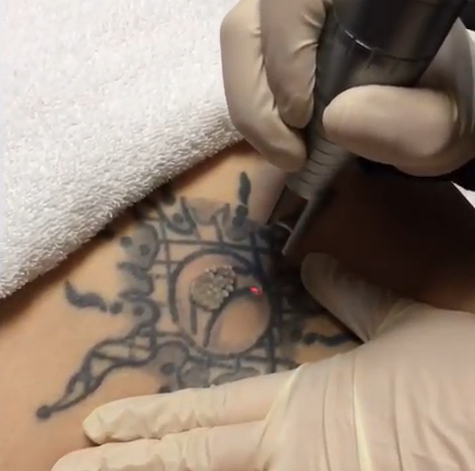
Laser Treatment: The laser is directed at the tattoo, selectively breaking down the ink particles. The sensation is often described as similar to the snap of a rubber band against the skin.
-
Cooling and Protection: After the treatment, the area may be cooled with a cold compress or gel to reduce swelling and discomfort. A protective dressing may be applied to keep the area clean and prevent infection.
It is important to manage expectations, as complete removal may require several sessions spaced several weeks apart. The exact number of sessions will depend on the individual and the tattoo's characteristics.
Advancements in Laser Technology
Recent advancements in laser technology have significantly improved the effectiveness and efficiency of tattoo removal. In addition to Q-switched and picosecond lasers, researchers are continually exploring new ways to enhance the procedure, such as:
-
Multi-Wavelength Lasers: These lasers can target a broader range of ink colors, improving clearance rates for tattoos with multiple colors.
-
Fractional Lasers: By creating microscopic zones of injury in the skin, fractional lasers may enhance the body's natural healing process and improve ink elimination.
-
Customized Treatment Plans: Utilizing advanced imaging techniques, professionals can now create more personalized treatment plans that take into account the unique characteristics of each tattoo.
Laser Tattoo Removal Aftercare
Proper aftercare is essential to ensure optimal healing and minimize the risk of complications. Here are some key aftercare tips:
-
Keep the Area Clean: Gently clean the treated area with mild soap and water, and pat dry with a clean towel.
-
Apply Ointments: Use a thin layer of antibiotic ointment or a specialized aftercare cream to keep the area moisturized and prevent infection.
-
Avoid Sun Exposure: Protect the treated area from excessive sun exposure, as UV rays can increase the risk of pigmentation changes and scarring.
-
Follow Instructions: Carefully follow the aftercare instructions provided by your practitioner, including any restrictions on activities or products to avoid.
Case Studies and Success Stories
To provide insight into the effectiveness of laser tattoo removal, let's look at some real-life examples:
-
Case Study 1: A 30-year-old woman with a black and gray tattoo on her forearm underwent laser tattoo removal. After six sessions spaced six weeks apart, the tattoo was completely removed, with no visible scarring or pigmentation changes.
-
Case Study 2: A 45-year-old man with a colorful tattoo on his chest had been unsuccessful with other removal methods. After four sessions with a picosecond laser, the tattoo faded significantly, and he was satisfied with the results.
These success stories demonstrate the potential of laser tattoo removal to safely and effectively eliminate unwanted tattoos, offering encouragement for those considering the procedure.
Addressing Common Myths and Concerns
There are several common misconceptions surrounding laser tattoo removal. Here are some of the most frequent concerns and the facts to debunk them:
-
Pain: While everyone's pain tolerance varies, modern techniques and numbing creams help minimize discomfort. Many patients describe the sensation as tolerable and similar to a rubber band snap.
-
Scarring: Scarring is rare with laser tattoo removal, especially when performed by a qualified professional and with proper aftercare. Unlike other removal methods that may be more invasive, laser treatment targets only the ink particles, minimizing damage to the surrounding skin.
-
Cost: While laser tattoo removal can be more expensive than other methods, the long-term results and safety make it a worthwhile investment for many. Additionally, many clinics offer financing options or packages to make the procedure more affordable.
Conclusion
Tattoo regret is a common experience, but with laser tattoo removal, individuals have the opportunity for a clean slate. The power of laser technology to safely and effectively remove tattoos cannot be understated. Whether it's a change in personal tastes, a professional necessity, or a desire for a fresh start, laser tattoo removal offers a pathway to remove unwanted tattoos and reveal your true self once again.
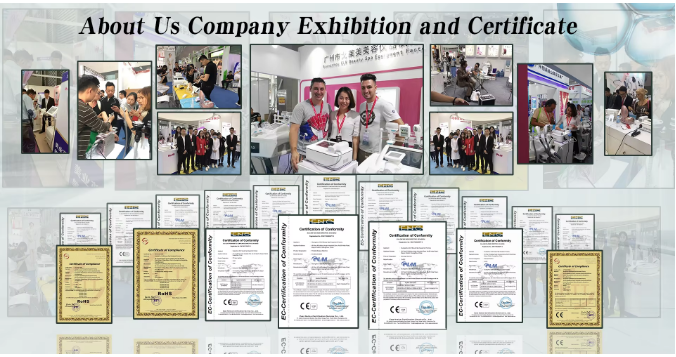
GLM is a specialized beauty instrument factory that produces instruments for a variety of functions, including weight loss devices. We have vacuum negative press, radio frequency fat blasting equipment, frozen fat dissolving machine and EMS body shaping machine. GLM is a 14 year old supplier of beauty instruments with guaranteed quality.https://gdglmbeauty.com/