Laser Therapy for Treating Melasma and Rosacea: A Comprehensive Guide
Melasma and rosacea are two common skin conditions that can cause significant distress and affect a person's self-esteem. Fortunately, advances in dermatological treatments have led to the development of laser therapy as an effective solution for managing these conditions. In this comprehensive guide, we will explore the benefits, risks, and alternatives associated with laser therapy for melasma and rosacea.
Understanding Melasma and Rosacea
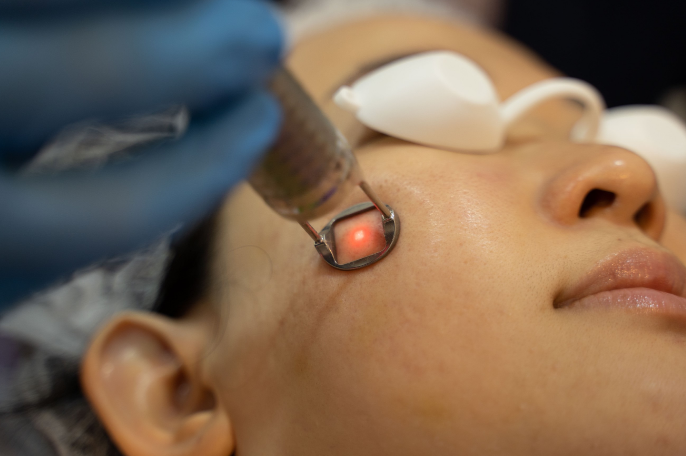
Melasma: Melasma is a prevalent skin disorder marked by dark, irregular patches on the face. It predominantly affects women, particularly during pregnancy or when utilizing hormonal contraceptives. Additional factors, including sun exposure and genetic predisposition, can also play a role in the development of melasma.
Rosacea: Rosacea is a persistent inflammatory skin condition primarily impacting the facial area. It manifests as redness, prominent blood vessels, and occasionally tiny, pus-filled pimples. Various triggers can exacerbate rosacea, such as sun exposure, stress, specific dietary items, and alcohol intake.
Understanding Laser Therapy
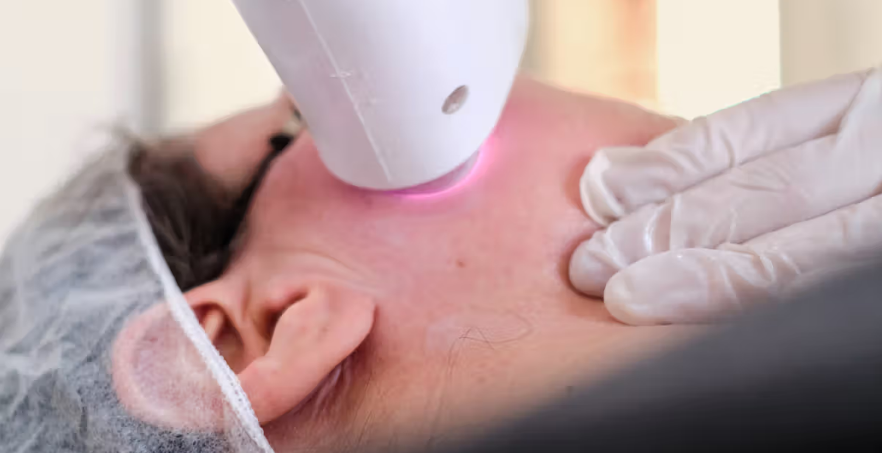
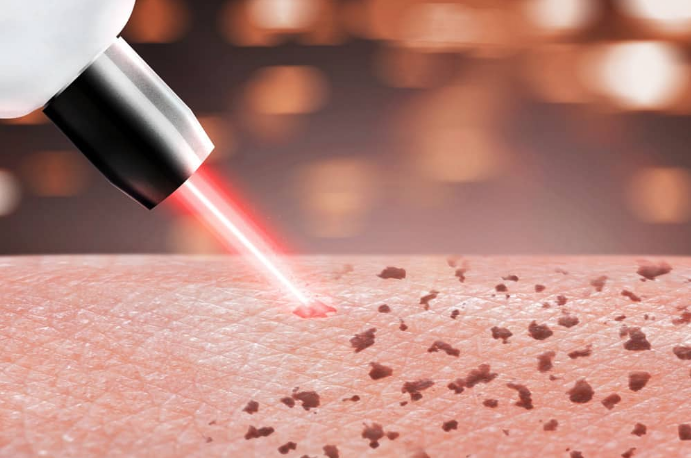
Laser therapy has profoundly transformed the treatment landscape for various dermatological conditions, notably melasma and rosacea. This advanced technique employs high-energy laser beams that precisely target specific skin pigments or blood vessels, offering effective and tailored treatment solutions.
Types of Lasers Utilized: In the treatment of melasma and rosacea, various types of lasers are employed. These include intense pulsed light (IPL) lasers, fractional lasers, and Nd:YAG lasers. Each laser type features a unique wavelength designed to target distinct skin structures, enabling dermatologists to customize the treatment plan according to individual patient needs.
Advantages of Laser Therapy: Laser therapy boasts numerous benefits in addressing melasma and rosacea. It can significantly lighten the pigmentation associated with melasma and diminish the redness characteristic of rosacea. The treatment is non-invasive, relatively painless, and necessitates minimal recovery time. Furthermore, laser therapy promotes collagen production, enhancing the overall texture and tone of the skin.
Laser Therapy for Melasma
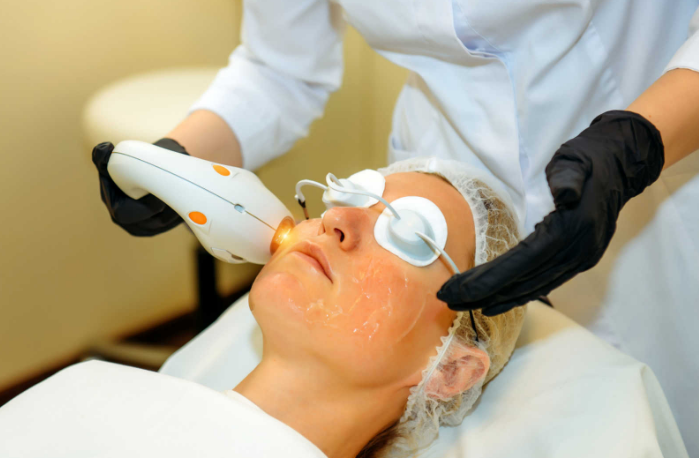
Treating melasma can be particularly difficult, but laser therapy has demonstrated promising outcomes for numerous individuals. Treatments such as intense pulsed light (IPL) or fractional lasers specifically target excess pigmentation in the skin. These treatments work by breaking down melanin cells, thereby reducing discoloration.
However, it's crucial to acknowledge that laser therapy may not be appropriate for all types of melasma. It typically yields the best results for epidermal or superficial melasma but is less effective for dermal or mixed types of melasma. A dermatologist will assess the type and severity of melasma to determine the most suitable treatment approach.
Laser Therapy for Rosacea
Rosacea is a persistent condition that necessitates ongoing management. Laser therapy offers a valuable tool in reducing the redness and visible blood vessels associated with rosacea. The laser beams precisely target and destroy the blood vessels that contribute to the redness, resulting in a more uniform skin tone.
To attain optimal results, laser treatments for rosacea generally require multiple sessions. However, it's important to understand that laser therapy does not provide a complete cure for rosacea. Instead, it effectively manages the symptoms and offers long-term control, allowing individuals to maintain a healthier and more balanced complexion.
Choosing the Right Laser Treatment
When selecting laser therapy for melasma or rosacea, various factors must be taken into consideration. These include your skin type, the severity of your condition, and any pre-existing medical conditions. It is imperative to consult with a qualified dermatologist who can thoroughly assess your unique needs and recommend the most appropriate treatment option.
A consultation with a dermatologist is indispensable. During this appointment, the dermatologist will conduct a thorough examination of your skin, review your medical history, and assess the type and severity of your melasma or rosacea. Based on this comprehensive evaluation, they will suggest the most suitable laser treatment and provide a clear understanding of the anticipated outcomes. This ensures that you receive a personalized treatment plan tailored to your specific condition and skin type.
Preparing for Laser Therapy
Pre-treatment Guidelines: Prior to undergoing laser therapy, your dermatologist will outline specific pre-treatment guidelines. These may encompass avoiding sun exposure, discontinuing certain medications, and utilizing topical creams or ointments to prepare your skin adequately for the treatment.
Setting Realistic Expectations: It's crucial to maintain realistic expectations regarding the outcomes of laser therapy. While it can markedly enhance the appearance of melasma and rosacea, complete eradication might not be attainable in every case. Your dermatologist will elucidate what improvements you can realistically anticipate from the treatment and discuss any potential risks or side effects in detail. This ensures that you are fully informed and prepared for the treatment process.
The Laser Therapy Procedure
During Treatment: The duration of a laser therapy session generally ranges from 15 minutes to one hour, contingent upon the size of the area being treated. While you may feel a warm or mildly uncomfortable sensation during the procedure, most patients find it tolerable. Your dermatologist will ensure your comfort and safety by taking all necessary precautions throughout the treatment.
Post-treatment Instructions: Following each laser therapy session, your dermatologist will provide detailed post-treatment instructions. These may encompass applying calming creams, steering clear of sun exposure, and using mild skincare products. Adhering strictly to these instructions is vital for minimizing potential side effects and maximizing the treatment's effectiveness. By following the post-treatment guidelines closely, you can enhance the overall outcome and ensure a smoother recovery process.
Managing Side Effects and Recovery
Common Side Effects: While laser therapy is generally considered safe, it's important to be aware of potential side effects. These may include redness, swelling, temporary pigmentation changes, or the formation of small blisters. The majority of these side effects are temporary and typically resolve within a few days to weeks.
Post-treatment Recommendations: To facilitate your recovery and minimize any adverse effects, it's essential to adhere to the post-treatment care instructions provided by your dermatologist. This may involve refraining from strenuous physical activities, safeguarding your skin from excessive sun exposure, and using mild, non-irritating skincare products. By closely following these recommendations, you can help ensure a smoother recovery process and optimize the outcome of your laser therapy.
Alternatives to Laser Therapy
Topical Treatments: Alongside laser therapy, there are several alternative treatment options available for addressing melasma and rosacea. Your dermatologist may prescribe topical creams formulated with ingredients like hydroquinone, retinoids, or corticosteroids. For individuals with severe rosacea, oral medications may also be recommended.
Combination Therapy: In certain instances, combining laser therapy with other treatment methods can yield the most effective outcomes. Your dermatologist might suggest integrating laser therapy with topical creams, chemical peels, or additional cosmetic procedures to ensure optimal results. This multi-faceted approach can help tailor the treatment plan to your specific needs and enhance the overall effectiveness of the therapy.
In summary, laser therapy has emerged as a highly effective treatment option for managing melasma and rosacea. With its targeted approach and minimal downtime, it offers promising results for individuals seeking to improve their skin's appearance and regain their confidence. However, it's crucial to consult with a qualified dermatologist who can assess your specific needs and develop a personalized treatment plan. By following the recommended guidelines and maintaining realistic expectations, laser therapy can provide significant benefits in the management of melasma and rosacea.
Founded in 2008, Guangzhou GLM Beauty Spa Equipment Factory, specializing in the manufacture, development and sales of beauty and fitness equipment. Our production base is located in Guangzhou, Guangdong Province, China. Since its establishment, we have introduced advanced production technology and equipment.
Adhering to the principle of "high starting point, high quality, high specialization", our company has produced a series of cost-effective, high-quality beauty and bodybuilding equipment. With professional marketing guidance and quality after-sales service, our products are exported to more than 20 countries and regions such as Southeast Asia, the Middle East, Europe and the United States, and won wide praise from customers, and won a good reputation.