1. Introduction
Lower back pain remains one of the most common musculoskeletal problems affecting adults worldwide. In Melbourne, Australia, long working hours, sedentary office routines, physically demanding occupations, sports injuries, and age-related changes can all contribute to recurring discomfort and reduced mobility.
For many people, lower back pain is more than an occasional inconvenience. It can interfere with walking, sitting, sleeping, exercising, and maintaining productivity at work. When symptoms persist, even simple everyday activities may become difficult.
In 2026, the approach to lower back pain relief in Melbourne increasingly focuses on individualized, non-surgical care. Rather than relying exclusively on medication or passive treatments, healthcare professionals are emphasizing physiotherapy, structured exercise therapy, movement rehabilitation, and comprehensive pain management.
Professional physiotherapy clinics play an important role in this process. Through clinical assessment, supervised rehabilitation, and appropriate treatment technologies, practitioners can help patients improve physical function, develop better movement habits, and manage persistent discomfort.
Understanding how these treatments work can help patients make informed decisions and choose a rehabilitation program that addresses their individual needs.
2. Background and Common Causes of Lower Back Pain
Lower back pain generally refers to discomfort in the area between the lower ribs and the buttocks. It may develop suddenly after lifting a heavy object or gradually through repetitive movements, prolonged sitting, or insufficient physical activity.
Common contributing factors include:
-
Prolonged sitting: Office workers and people who spend extended periods driving may experience stiffness and reduced movement tolerance.
-
Muscle weakness: Insufficient strength in the abdominal, gluteal, and spinal supporting muscles can affect movement control.
-
Poor movement habits: Repeated bending, twisting, and incorrect lifting techniques may aggravate symptoms.
-
Sports-related injuries: Sudden increases in training intensity or inappropriate exercise techniques can contribute to lower back discomfort.
-
Age-related changes: Changes involving spinal discs, joints, and surrounding tissues may contribute to persistent symptoms.
-
Stress and lifestyle factors: Poor sleep, psychological stress, and fear of movement can influence how people experience and manage chronic pain.
It is important to recognize that not all lower back pain has an identifiable structural cause. Many cases are classified as non-specific lower back pain, meaning that no single anatomical problem adequately explains the symptoms.
Pain can also be acute, subacute, or chronic. Acute pain usually develops over a relatively short period, while chronic lower back pain generally refers to symptoms lasting longer than three months.
For Melbourne residents experiencing recurring symptoms, identifying contributing factors is an important first step. A qualified healthcare professional can assess movement patterns, physical function, medical history, and possible warning signs before recommending treatment.
3. Technology and Treatment Mechanisms: How Non-Surgical Therapies Work
Modern lower back pain management combines different treatment approaches. The objective is not simply to temporarily reduce discomfort but also to restore movement capacity, improve muscle function, and support long-term self-management.
3.1 Physiotherapy: Personalized Assessment and Rehabilitation
Physiotherapy is one of the central approaches to managing lower back pain.
A professional physiotherapist begins by assessing the patient's symptoms, mobility, muscle strength, movement patterns, and functional limitations. Depending on the patient's condition, the assessment may include spinal mobility, hip movement, core stability, and the ability to perform everyday activities.
Treatment may involve:
-
Individualized therapeutic exercises.
-
Mobility and flexibility training.
-
Manual therapy when clinically appropriate.
-
Postural and movement education.
-
Functional rehabilitation.
-
Guidance on returning to work and physical activity.
Manual techniques and soft-tissue treatment may help some patients manage stiffness and discomfort. However, they are generally most useful as part of a broader rehabilitation program rather than as standalone solutions.
The main objective is to help patients regain confidence in movement and become less dependent on repeated passive treatment.
3.2 Exercise Therapy: Strengthening the Muscles That Support the Spine
Exercise therapy is a fundamental component of evidence-based lower back pain management.
Rather than prescribing the same routine to everyone, physiotherapists develop exercise programs according to individual strength, mobility, symptoms, and recovery goals.
Common exercise categories include:
Core stabilization exercises
Exercises targeting the abdominal and deep trunk muscles can help improve trunk control and coordination during daily movements.
Gluteal and hip strengthening
The gluteal muscles contribute to pelvic and lower-limb movement control. Strengthening these muscles may improve functional movement patterns, particularly during walking, lifting, and stair climbing.
Flexibility and mobility exercises
Gentle stretching and controlled movement exercises can help improve flexibility and reduce movement restrictions.
Low-impact aerobic exercise
Walking, swimming, and stationary cycling can support general physical conditioning while allowing patients to gradually increase their activity levels.
Functional strength training
Squats, step-ups, and controlled lifting exercises can help patients rebuild the physical capacity required for work and everyday activities.
Consistency is more important than choosing an exercise with a complicated name or advanced equipment. A qualified practitioner should determine the appropriate intensity and progression.
3.3 Rehabilitation Equipment and Assisted Exercise Technology
Professional rehabilitation clinics may use specialized equipment to support assessment, exercise delivery, and progressive strength training.
Examples include:
-
Adjustable resistance machines for controlled strengthening.
-
Rehabilitation benches and exercise stations for supported movement.
-
Balance platforms for coordination and stability training.
-
Stationary cycling equipment for low-impact cardiovascular conditioning.
-
Biofeedback systems that help patients understand and improve muscle activation or movement control.
These technologies can make rehabilitation sessions more structured and measurable. For example, adjustable resistance equipment allows practitioners to modify exercise intensity as patients regain strength.
Biofeedback may also provide visual or other sensory information about muscle activity, helping patients develop greater awareness of movement patterns.
However, equipment should support a clinically appropriate exercise plan rather than replace professional assessment and individualized rehabilitation.
3.4 Non-Surgical Pain Management Technologies
Some clinics incorporate additional non-surgical modalities to complement active rehabilitation.
Therapeutic heat
Heat therapy may temporarily reduce muscle tension and improve comfort. It can be useful before gentle movement or exercise for selected patients.
Transcutaneous Electrical Nerve Stimulation (TENS)
TENS delivers low-voltage electrical stimulation through surface electrodes. It may provide temporary pain relief for some individuals, although responses vary and it is not a substitute for active rehabilitation.
Therapeutic ultrasound
Therapeutic ultrasound uses sound waves to deliver energy into superficial or deeper soft tissues. It is available in some physiotherapy settings, but evidence for its routine effectiveness in lower back pain is limited. It should not be presented as a primary treatment or a proven method of repairing spinal discs.
Manual and soft-tissue techniques
Selected hands-on techniques may provide short-term symptom relief and help patients participate more comfortably in exercise programs.
The selection of these modalities should be based on clinical assessment, contraindications, patient preferences, and available evidence.
3.5 Integrated Pain Management
Persistent lower back pain can involve physical, psychological, and lifestyle-related factors.
For some patients, fear of movement, work-related stress, poor sleep, and reduced confidence can make recovery more complicated.
An integrated approach may therefore combine physiotherapy, exercise therapy, patient education, pacing strategies, and psychological support when appropriate.
Cognitive behavioural therapy and other evidence-based pain management strategies may help patients develop healthier responses to persistent symptoms.
The aim is to improve both physical function and the patient's ability to manage pain independently.
4. Advantages and Comparison of Non-Surgical Treatment Options
For many people with non-specific lower back pain, conservative treatment is an appropriate starting point. However, different treatment methods provide different benefits and should not be considered interchangeable.
| Treatment | Main Purpose | Typical Role |
|---|---|---|
| Physiotherapy | Improve mobility and movement function | Individualized assessment and rehabilitation |
| Exercise therapy | Improve strength, flexibility, and endurance | Long-term functional improvement |
| Manual therapy | Manage stiffness and discomfort | Short-term supportive treatment |
| TENS | Modulate pain signals | Optional symptom management |
| Therapeutic heat | Improve comfort and reduce muscle tension | Short-term supportive care |
| Psychological support | Address fear, stress, and pain-related behaviours | Persistent or complex pain management |
Why Professional Physiotherapy Clinics Matter
Compared with relying entirely on self-directed exercises, professional rehabilitation provides several practical advantages.
Individualized treatment planning: Practitioners can adapt exercises according to physical limitations, symptoms, and recovery progress.
Supervised exercise: Patients receive guidance on movement technique, resistance, exercise duration, and progression.
Access to professional equipment: Suitable rehabilitation equipment can support controlled loading, functional training, and measurable progress.
Ongoing evaluation: Practitioners can review mobility, strength, and daily function to determine whether the treatment plan needs adjustment.
Comprehensive support: Professional clinics can coordinate care with general practitioners, exercise physiologists, pain specialists, and other healthcare professionals when necessary.
Home exercises remain essential, but professional guidance can help patients avoid unsuitable movements and build a sustainable rehabilitation routine.
It is also important to understand that more equipment does not automatically mean better treatment. Clinical reasoning, practitioner qualifications, appropriate exercise selection, and patient participation are more important than the number of devices in a treatment room.
5. Applications and Client Needs: Finding Lower Back Pain Relief in Melbourne
Melbourne has a diverse population with different occupational, recreational, and lifestyle demands. Consequently, lower back pain treatment should be adapted to individual circumstances.
5.1 Office Workers and Sedentary Professionals
People who spend most of their working day sitting may experience recurring stiffness and reduced tolerance for prolonged positions.
Treatment may focus on movement breaks, hip mobility, trunk strengthening, walking routines, and ergonomic adjustments.
The goal is not to maintain one supposedly perfect posture throughout the day, but to develop the ability to change positions regularly and tolerate everyday activities.
5.2 Physically Active People and Athletes
Runners, gym users, cyclists, and recreational athletes may develop lower back discomfort following excessive training loads, inadequate recovery, or changes in exercise technique.
Their rehabilitation programs may include progressive resistance training, movement retraining, trunk and hip strengthening, and a structured return-to-sport plan.
5.3 Older Adults
Age-related changes and reduced physical activity may affect strength, balance, and mobility.
For older adults, rehabilitation often emphasizes safe strengthening, walking capacity, balance exercises, and maintaining independence in daily activities.
Exercise intensity should be adjusted according to health status and physical capacity.
5.4 People Experiencing Chronic Lower Back Pain
Individuals with symptoms lasting longer than three months may require a more comprehensive approach.
A suitable program may combine physiotherapy, individualized exercise, education, activity pacing, and psychological pain management support.
Progress should be evaluated through meaningful functional improvements, such as walking farther, sitting more comfortably, returning to work, or completing daily activities with greater confidence.
5.5 Choosing a Physiotherapy Clinic in Melbourne
When selecting a lower back pain treatment provider, patients should consider:
-
Whether practitioners have appropriate professional registration and qualifications.
-
Whether the clinic performs an individualized initial assessment.
-
Whether treatment includes active exercise and rehabilitation.
-
Whether professional equipment is used appropriately.
-
Whether progress is monitored and treatment plans are reviewed.
-
Whether the clinic can refer patients for further medical assessment when needed.
Patients should be cautious of providers promising guaranteed cures, instant spinal correction, or permanent pain elimination through a single machine-based treatment.
When Medical Assessment Is Important
Although most lower back pain is not caused by a serious condition, certain symptoms require urgent medical attention.
These include new bladder or bowel dysfunction, numbness around the groin or saddle region, progressive leg weakness, or other symptoms suggesting serious neurological involvement.
Significant trauma, fever, unexplained weight loss, a history of cancer, or severe unexplained pain may also require prompt medical assessment.
People experiencing these warning signs should seek appropriate medical care rather than attempting to manage the problem with exercise equipment or massage alone.
6. Conclusion
Lower back pain relief in Melbourne in 2026 is increasingly centered on individualized, evidence-based, and non-surgical rehabilitation.
Physiotherapy provides professional assessment and movement guidance, while exercise therapy helps improve strength, flexibility, endurance, and functional capacity. Additional approaches, including manual therapy, heat, selected pain-management technologies, and psychological support, may complement the rehabilitation process when clinically appropriate.
For physiotherapy clinics and rehabilitation providers, professional equipment can support more structured, controlled, and measurable treatment sessions. Nevertheless, technology delivers the greatest practical value when it is integrated into a well-designed clinical program led by qualified practitioners.
For patients, the most meaningful outcome is not simply temporary pain reduction. It is the ability to move more confidently, return to normal activities, maintain physical independence, and manage future symptoms more effectively.
Choosing an experienced Melbourne physiotherapy provider and following a personalized rehabilitation plan can be an important step toward sustainable mobility and long-term lower back health
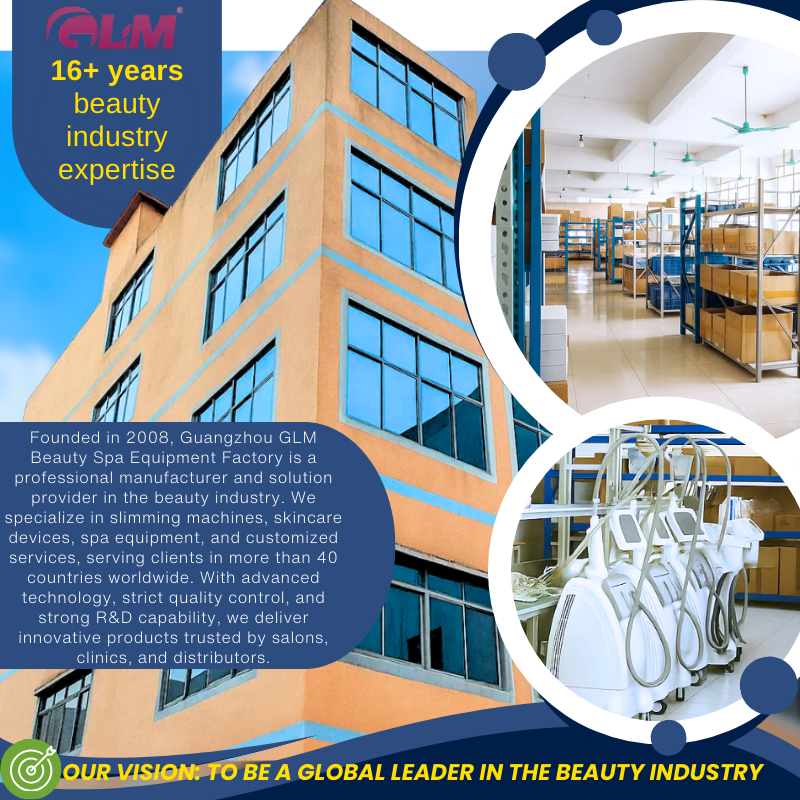
Founded in 2008, Guangzhou GLM Beauty Spa Equipment Factory specializes in research, development, manufacture and selling of beauty and slimming machines. Our production base is located in Guangzhou City, Guangdong Province, China. Since our foundation, we have introduced advanced technologies and equipment, to assure high quality and high performance of our products. With professional marketing guide and excellent after-sales service, our products have been exported to over 20 countries and regions, including Southeast Asia, the Middle East, Europe and the United States, won worldwide praises and gained a good reputation