1. Introduction
Healthy-looking skin and a well-contoured body depend on more than topical skincare products and cosmetic treatments. Beneath the skin, two important systems—the lymphatic system and the circulatory system—play essential roles in maintaining fluid balance, transporting nutrients, and supporting normal tissue function.
In 2026, lymphatic drainage and circulation-focused treatments are receiving increasing attention in professional beauty salons, medical spas, and body wellness centers. Clients are becoming more interested in treatments that combine relaxation, body care, skin appearance, and overall comfort. As a result, professional massage techniques and advanced beauty devices are becoming valuable additions to modern treatment programs.
From manual lymphatic drainage to mechanical roller massage and pneumatic compression technology, different treatment approaches offer professionals more ways to address individual client needs. These technologies can provide controlled mechanical stimulation, support temporary improvements in the appearance of puffiness, and enhance the overall massage experience.
For beauty professionals, understanding the relationship between lymphatic drainage and blood circulation is essential when selecting equipment and designing effective treatment protocols. The right combination of professional techniques and advanced devices can help salons expand their service offerings while delivering more structured and consistent body care experiences.
2. Background and Common Problems: Why Lymphatic Drainage and Circulation Matter
The lymphatic system and circulatory system work together to maintain the body's internal balance, but they perform different functions.
The circulatory system transports oxygen, nutrients, and other essential substances throughout the body through the blood. It also helps regulate body temperature and supports normal tissue metabolism.
The lymphatic system collects excess fluid from surrounding tissues and returns it to the bloodstream. It also plays an important role in immune defense by transporting immune cells and filtering substances through lymph nodes.
When these systems function normally, they help maintain tissue fluid balance and support healthy skin and body conditions.
However, several everyday factors can influence how the body feels and looks.
Prolonged Sitting and Limited Physical Activity
Long periods of sitting or standing can contribute to leg heaviness and temporary fluid accumulation, particularly in the lower extremities. Reduced muscle movement also means less assistance from the natural muscle pump that supports venous return.
Temporary Puffiness and Fluid Retention
Some clients experience facial puffiness, a feeling of fullness in the legs, or temporary swelling associated with lifestyle factors, hormonal fluctuations, travel, or prolonged inactivity. Gentle massage techniques may help improve the appearance of temporary puffiness, although they do not treat the underlying medical causes of swelling.
Reduced Skin Comfort and Uneven Body Appearance
When clients experience temporary fluid accumulation or tissue congestion, certain areas may appear less defined or feel uncomfortable. These concerns often encourage interest in body massage, relaxation treatments, and professional skin care services.
Demand for More Comprehensive Beauty Treatments
Today's beauty clients increasingly prefer treatments that combine multiple benefits, such as relaxation, skin conditioning, body massage, and a more comfortable treatment experience.
For professional salons, this creates an opportunity to introduce circulation-focused body treatments and lymphatic-inspired massage services using appropriate equipment and qualified operating techniques.
3. Technology and Mechanism: How Massage and Advanced Beauty Devices Work
Modern professional beauty equipment uses different mechanical approaches to stimulate body tissues. Although these technologies do not replace the body's natural circulatory or lymphatic systems, they can provide controlled external stimulation as part of a professional massage program.
3.1 Manual Lymphatic Drainage
Manual lymphatic drainage (MLD) is a specialized massage technique that uses gentle, rhythmic, and carefully directed movements.
Unlike conventional deep-tissue massage, MLD generally involves light pressure applied according to the anatomical pathways of the lymphatic system. The purpose is to encourage the movement of lymphatic fluid through functioning lymphatic vessels.
This technique is particularly relevant in medically supervised lymphedema management, where it may be included as part of a broader decongestive treatment program.
In professional beauty environments, gentle lymphatic-inspired massage techniques may also be incorporated into facial and body wellness services. However, cosmetic massage should not be presented as a substitute for medical lymphatic therapy.
3.2 Mechanical Roller Massage Technology
Mechanical roller massage devices use rotating rollers, motor-driven massage heads, or specialized mechanical structures to deliver repeated stimulation to targeted body areas.
Depending on the equipment design, the rollers may provide rolling, kneading, or rhythmic massage movements.
These mechanical actions can:
-
Provide consistent massage stimulation across selected body areas.
-
Support relaxation and temporary improvements in the appearance of skin puffiness.
-
Improve the comfort and structure of professional body massage sessions.
-
Help operators deliver repeatable treatment movements.
-
Support the appearance of smoother-looking skin when incorporated into suitable body care programs.
Some advanced body contouring devices combine roller massage with other technologies, such as controlled vacuum suction or radiofrequency. These functions serve different purposes and should be evaluated according to their individual mechanisms rather than being described as interchangeable lymphatic treatments.
3.3 Pneumatic Compression Technology
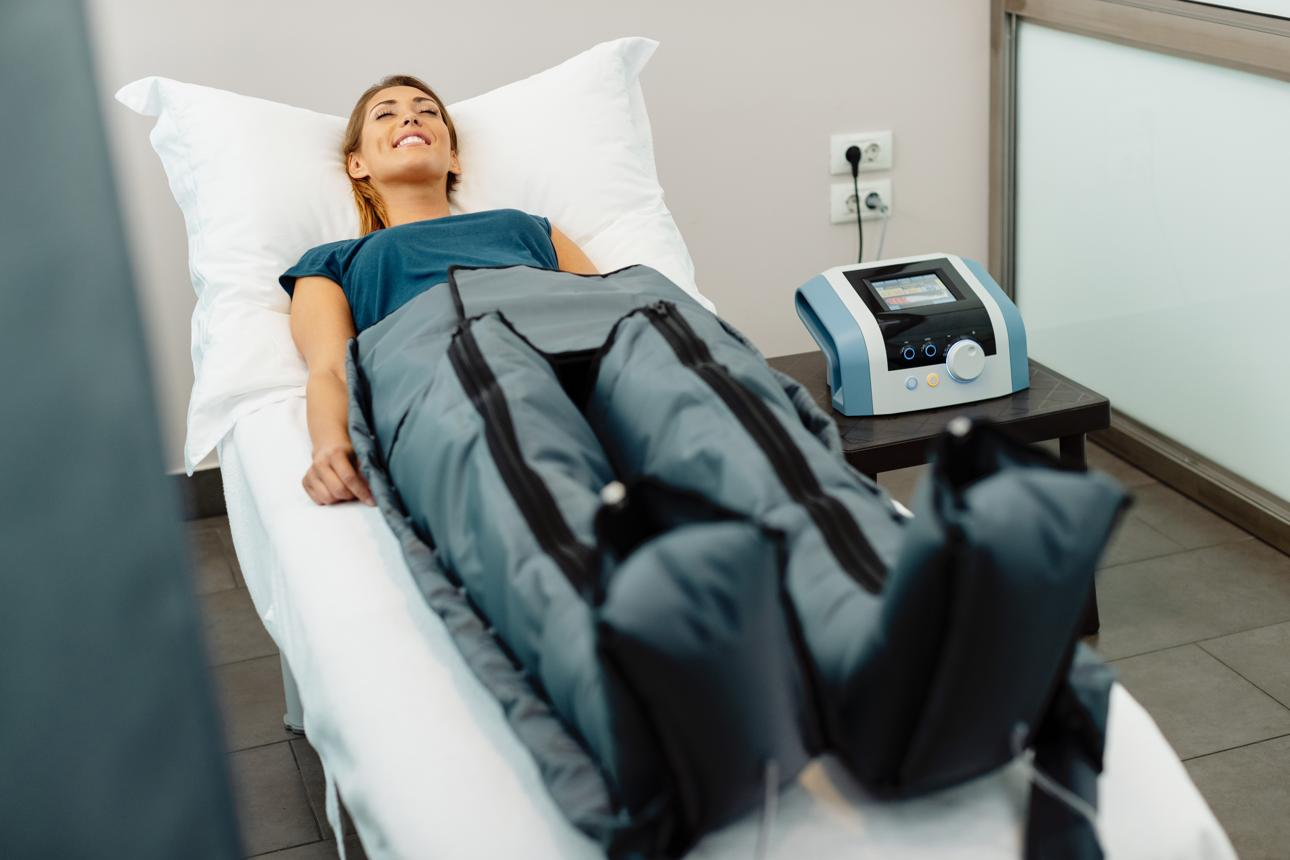
Pneumatic compression systems use inflatable chambers or specialized garments to apply controlled, sequential pressure to selected body areas.
The pressure is typically delivered in programmed cycles, often progressing from the distal parts of a limb toward the proximal areas.
This approach is designed to create external compression that supports fluid movement and venous and lymphatic return in appropriate clinical settings.
In professional wellness and aesthetic environments, compression-based equipment can provide structured leg and body treatments. However, medical-grade pneumatic compression systems used for lymphedema or vascular conditions require appropriate indications, screening, and professional supervision.
3.4 Vibration and Rhythmic Massage
Some professional massage devices use vibration or rhythmic mechanical movements to stimulate superficial tissues.
These technologies can enhance the sensory experience of massage, help relax tense muscles, and provide consistent treatment patterns.
Depending on the device, vibration may be combined with rolling or compression functions to create different treatment experiences.
It is important to distinguish these effects from direct improvements in lymphatic function. Not every vibration or massage device has been clinically demonstrated to improve lymphatic drainage.
3.5 The Role of Combined Technologies
One important development in professional beauty equipment is the integration of multiple mechanical functions into a single treatment platform.
For example, a body massage system may combine:
-
Mechanical roller massage for repeated tissue stimulation.
-
Vacuum technology for controlled suction-based massage.
-
Adjustable massage intensity for different body areas.
-
Programmable treatment settings for improved operational consistency.
Such combinations allow beauty professionals to customize treatment experiences according to client comfort, body areas, and service objectives.
The key advantage is not simply the number of functions available, but how effectively each function supports a well-designed professional treatment protocol.
4. Advantages and Comparison: Professional Massage Devices vs. Traditional Methods
Both manual massage and professional beauty equipment have important roles in modern body care. Rather than replacing manual techniques, advanced devices can complement professional skills and improve treatment workflow.
4.1 Greater Treatment Consistency
Manual massage depends heavily on the practitioner's experience, technique, and physical endurance.
Professional devices provide more standardized mechanical movements and adjustable operating parameters. This can help operators maintain a more consistent treatment experience across different sessions.
For salons with multiple therapists, equipment-based protocols can also make staff training and service management more structured.
4.2 More Flexible Treatment Options
Different clients have different comfort levels and body care requirements.
Professional massage equipment may offer adjustable intensity, different massage modes, and interchangeable treatment heads. These features allow operators to select suitable settings for different body areas.
For example, a gentle massage approach may be more appropriate for sensitive areas, while other areas may tolerate a firmer mechanical massage, depending on the device and the client's condition.
4.3 Improved Operational Efficiency
Traditional manual massage requires continuous physical effort from the therapist.
Mechanical massage equipment can assist with repetitive movements, allowing operators to maintain a more organized workflow and allocate their attention to client communication, treatment monitoring, and service quality.
For busy beauty salons and medical spas, this can help expand service capacity and improve daily operational efficiency.
4.4 A More Professional Client Experience
Modern clients often evaluate a treatment based on more than the immediate result. Equipment appearance, operating comfort, treatment consistency, and professional explanations all influence their perception of service quality.
Well-designed professional equipment can help salons create a more standardized and premium treatment environment.
4.5 Comparison of Different Treatment Approaches
| Treatment Method | Main Mechanism | Professional Application |
|---|---|---|
| Manual lymphatic drainage | Gentle, directional manual movements | Specialized lymphatic care |
| Mechanical roller massage | Rotating and rolling stimulation | Body massage and aesthetic body care |
| Pneumatic compression | Sequential external pressure | Appropriate clinical and wellness applications |
| Vibration massage | Rhythmic mechanical stimulation | Relaxation and body massage |
| Combined massage systems | Multiple mechanical functions | Customized professional body treatments |
No single method is suitable for every client. Treatment selection should depend on the intended service, equipment specifications, client assessment, and operator qualifications.
5. Applications and Client Needs: Where Professional Devices Make a Difference
As demand for comprehensive body wellness services grows, professional massage and circulation-focused equipment can serve several important applications.
5.1 Body Wellness and Relaxation Programs
Many clients seek body treatments to relieve the feeling of tiredness associated with long working hours, prolonged sitting, and limited physical activity.
Professional roller massage and rhythmic massage systems can provide structured body relaxation sessions, helping create a comfortable and enjoyable service experience.
Salons can incorporate these services into wellness packages, full-body massage programs, and regular body maintenance plans.
5.2 Leg Massage and Comfort Treatments
Leg heaviness and temporary discomfort are common concerns among clients who spend extended periods sitting or standing.
Depending on the client's condition, professional massage services may include gentle mechanical stimulation or appropriately selected compression-based treatments.
For aesthetic salons, these services can be positioned around relaxation, massage comfort, and body wellness rather than claiming to treat vascular disorders or medical swelling.
5.3 Body Contouring and Skin Appearance Programs
Some professional body contouring devices combine mechanical roller massage, vacuum suction, or other aesthetic technologies.
These systems are designed to address different aspects of body appearance, including skin texture and the appearance of localized unevenness.
When combined with appropriate massage techniques, they can become part of a broader body care program.
However, it is important to understand that massage-induced fluid shifts are not equivalent to fat loss. Claims about cellulite reduction, body circumference changes, or long-term contouring results should be supported by evidence specific to the equipment and treatment protocol.
5.4 Facial Massage and Skin Care
Lymphatic-inspired facial massage is another growing application in professional beauty services.
Gentle massage techniques can temporarily improve the appearance of facial puffiness and provide a relaxing treatment experience.
Professional facial massage devices may offer controlled vibration, gentle rolling, or other superficial stimulation functions.
These treatments can be incorporated into facial care programs alongside cleansing, hydration, and skin conditioning services, provided that the device is appropriate for facial use.
5.5 Post-Treatment Care and Specialized Recovery
Lymphatic drainage techniques are sometimes used in postoperative care following procedures such as liposuction or abdominoplasty.
Clinical evidence suggests that manual lymphatic drainage may help reduce postoperative swelling in some patients, although results vary according to the procedure and treatment protocol.
However, postoperative care must follow the treating surgeon's instructions. Beauty salons should not independently provide medical rehabilitation or use compression equipment on postoperative clients without appropriate clearance and professional authorization.
5.6 Meeting the Needs of Professional Beauty Businesses
For salon owners and medical spa operators, choosing the right equipment involves more than evaluating its advertised functions.
Important purchasing considerations include:
-
Functional versatility: Whether the device supports the salon's intended treatment services.
-
Adjustable parameters: Whether operators can modify intensity and treatment modes appropriately.
-
Operating stability: Whether the equipment is suitable for repeated professional use.
-
Ergonomic design: Whether treatment heads and accessories are convenient for daily operation.
-
Maintenance and support: Whether the manufacturer provides technical assistance, training, and replacement components.
-
Customization: Whether OEM branding, packaging, and treatment accessories can be adapted to different business requirements.
For manufacturers and equipment suppliers, providing clear technical specifications, operator training, and reliable after-sales support is equally important in building long-term partnerships with professional beauty businesses.
6. Safety and Professional Considerations
Although massage and compression technologies are widely used in body care, they are not appropriate for every individual.
Clients with suspected deep vein thrombosis, acute infection, unexplained swelling, decompensated heart failure, or certain vascular and medical conditions should not receive routine massage or compression treatments without medical assessment.
Pregnancy, recent surgery, active skin conditions, and other individual circumstances may also require additional screening or modified treatment protocols.
Professional operators should:
-
Review relevant client history before treatment.
-
Identify contraindications and refer clients for medical assessment when necessary.
-
Select equipment and settings according to the manufacturer's instructions.
-
Avoid excessive pressure, aggressive manipulation, or unsuitable treatment areas.
-
Monitor client comfort throughout the session.
-
Maintain appropriate equipment hygiene and maintenance procedures.
It is also important to communicate treatment benefits accurately. A healthy lymphatic system naturally maintains fluid circulation. Massage devices should not be marketed as necessary detoxification tools or as replacements for medical treatment.
7. Conclusion: The Future of Professional Circulation and Body Massage Technology
In 2026, lymphatic drainage and blood circulation-focused treatments are becoming increasingly relevant to the professional beauty and wellness industry.
As clients seek more comprehensive body care experiences, salons and medical spas are exploring treatment solutions that combine manual techniques, mechanical roller massage, pneumatic compression, and other advanced technologies.
Each approach has its own mechanism and application. When selected appropriately, professional massage devices can help standardize treatment movements, improve operational efficiency, and expand the range of services available to clients.
For beauty equipment manufacturers, this trend creates opportunities to develop versatile, reliable, and user-friendly systems that meet the evolving needs of professional operators.
Ultimately, the value of advanced beauty equipment lies not in making exaggerated health claims, but in providing practical technology, consistent performance, and a more professional treatment experience.
By combining suitable equipment with qualified operators and client-centered protocols, beauty businesses can build more comprehensive body wellness services and remain competitive in the evolving aesthetic market
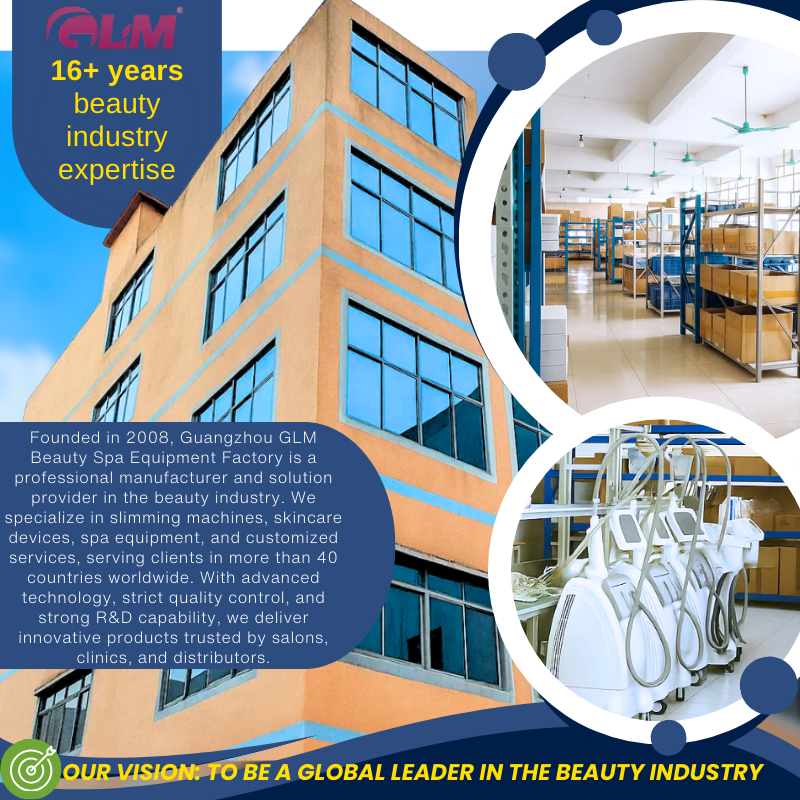
Founded in 2008, Guangzhou GLM Beauty Spa Equipment Factory specializes in research, development, manufacture and selling of beauty and slimming machines. Our production base is located in Guangzhou City, Guangdong Province, China. Since our foundation, we have introduced advanced technologies and equipment, to assure high quality and high performance of our products. With professional marketing guide and excellent after-sales service, our products have been exported to over 20 countries and regions, including Southeast Asia, the Middle East, Europe and the United States, won worldwide praises and gained a good reputation