1. Introduction
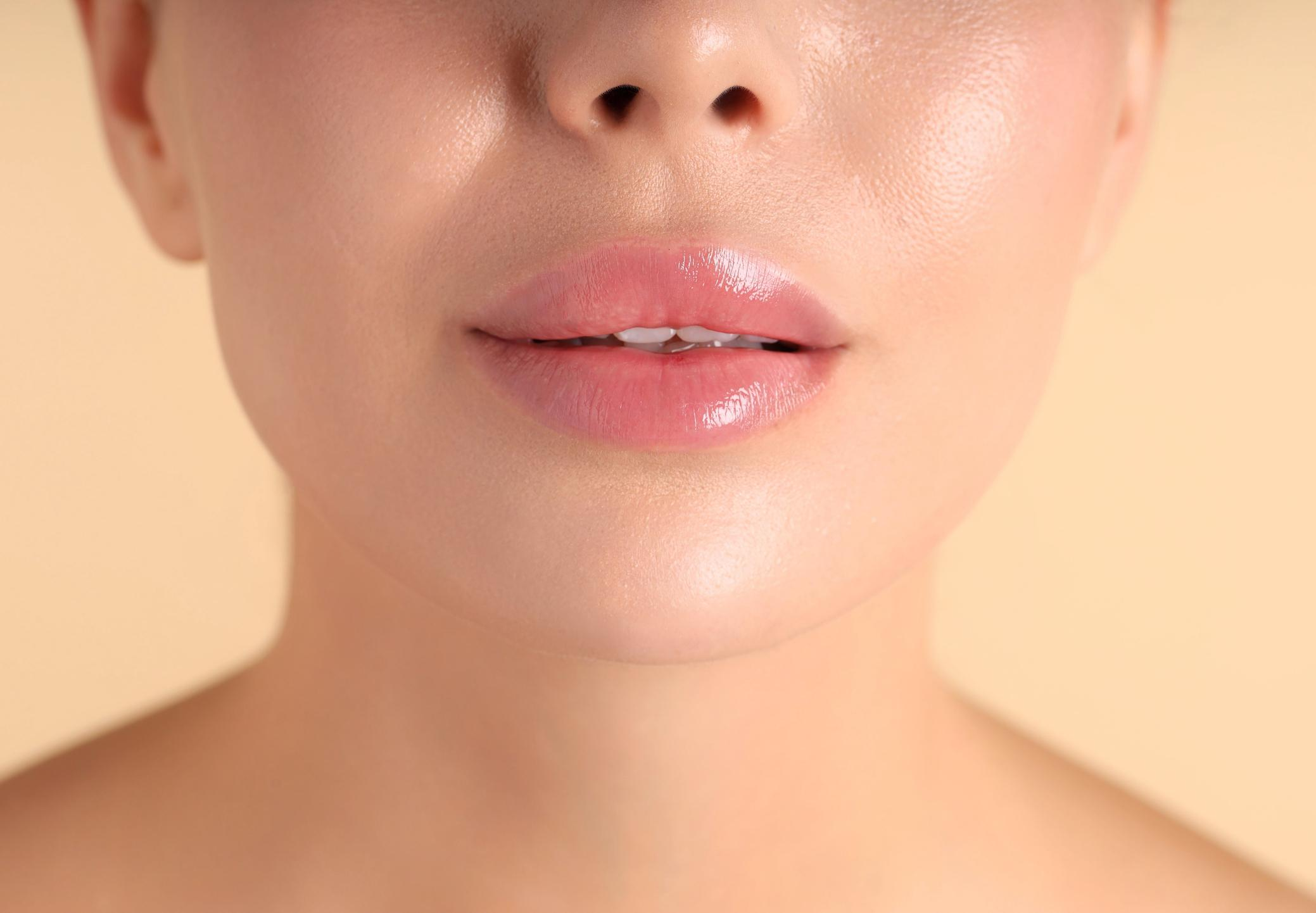
In 2026, lip aesthetics is moving beyond the idea that fuller lips must always mean more filler. Many clients are looking for a softer, healthier appearance: lips that look hydrated, smooth, and naturally defined without dramatically changing their original shape. This shift is creating opportunities for professional beauty salons, aesthetic studios, and clinics to expand their lip care services with personalized, non-invasive treatments.
Needle-free lip enhancement has become an increasingly visible term in beauty marketing. However, it can describe several very different approaches, from topical lip conditioning and cosmetic hydration treatments to high-pressure devices marketed for filler delivery. Understanding these differences is essential for businesses that want to develop responsible, commercially attractive services.
For professional beauty equipment suppliers, the opportunity lies in supporting the growing demand for skin-quality-focused treatments. Depending on their intended use and regulatory clearance, professional facial devices may complement lip-area care through gentle cleansing, controlled exfoliation of surrounding skin, or hydration-focused cosmetic treatments. These services can help salons build a broader treatment menu without presenting a non-invasive facial device as a substitute for injectable lip augmentation.
The central question is not simply how to make lips look bigger. It is how professionals can address dryness, fine surface lines, uneven texture, and concerns about natural-looking results while choosing technologies that match client needs and established safety requirements.
2. Background and Problem: What Do Clients Really Want?
Traditional lip fillers, particularly hyaluronic acid (HA) fillers, remain an established option for clients seeking measurable increases in lip volume, improved contours, or correction of volume loss. When administered by appropriately trained and licensed healthcare professionals, suitable fillers can produce visible changes. Nevertheless, injectable treatments involve medical considerations, potential adverse effects, recovery requirements, and financial commitments that not every client wishes to undertake.
Many clients instead prefer subtle improvements. They may want their lips to appear less dry, feel smoother under lipstick, show fewer visible flakes, or look healthier in close-up photographs. Others have naturally thin lips but are not ready for an injectable procedure. For these clients, hydration-focused cosmetic care may be a useful starting point, provided expectations remain realistic.
There are several common concerns behind this demand.
Dryness and a rough surface: The lips have a relatively delicate surface barrier and are exposed to environmental conditions, frequent movement, and repeated contact with food, cosmetics, and saliva. Dryness can make lip lines more noticeable and reduce the appearance of smoothness.
Fine lines and reduced definition: Surface dehydration and age-related changes around the mouth can affect how the lips and surrounding skin look. However, superficial cosmetic treatments cannot reliably correct deeper structural changes or substantial volume loss.
Fear of an artificial appearance: Some clients are concerned about excessive projection, uneven contours, or results that do not match their facial proportions. A conservative approach that prioritizes skin quality may better suit their preferences.
Concern about needles and downtime: Needle aversion can influence treatment choices, although avoiding needles does not automatically make a procedure safe or equivalent to filler treatment.
For salon owners and clinic managers, these concerns create an opportunity to develop clearly differentiated services. Rather than promising dramatic enlargement, providers can offer hydration-oriented lip care, gentle perioral skin treatments where appropriate, and consultations that explain when a medical assessment or injectable treatment may be more suitable.
The commercial advantage is a more credible service proposition: clients receive a treatment matched to their actual concern, while businesses build trust through realistic claims and professional consultation.
3. Technology and Mechanism: How Can Non-Invasive Devices Support Lip-Area Care?
The phrase “needle-free lip enhancement” should not be treated as the name of one standardized technology. Different devices work in different ways, and their suitability depends on the treatment area, intended purpose, product formulation, and applicable regulations.
3.1 Hydration-Focused Cosmetic Treatments
Hydration is one of the most practical starting points for clients who want healthier-looking lips without injectable volume enhancement.
Hyaluronic acid is widely used in cosmetic formulations because it can attract and retain water. When included in an appropriate topical lip product, it helps condition the surface and improve the appearance of hydration. Emollients and occlusive ingredients can also help soften the surface and reduce moisture loss.
Professional treatments may combine compatible topical formulations with careful cleansing and cosmetic skin preparation. The objective is to improve the appearance and feel of the lip surface, not to inject material into the tissue or permanently increase lip volume.
Some professional facial systems offer hydration-focused functions for facial skin. These may be useful as part of a broader facial service, but operators must confirm that the device, its accessories, and the intended cosmetic products are specifically suitable for use near the lips. A device designed for the cheeks or forehead should not automatically be used on the vermilion, the naturally colored part of the lips.
3.2 Gentle Exfoliation and Surface Conditioning
Dry flakes and uneven surface texture can make lips look less smooth. Gentle cosmetic exfoliation of the surrounding facial skin may help improve the overall appearance of the perioral area, while suitable lip products can soften the lip surface itself.
Professional cleansing and exfoliation systems can support the preparation of surrounding skin when the manufacturer's instructions permit this use. Treatment should remain conservative because the lip surface is more delicate than many other facial areas.
Aggressive abrasion, strong acids, excessive suction, and poorly controlled energy delivery may cause irritation rather than improvement. Active inflammation, cracks, cold sores, or damaged skin are reasons to postpone treatment and assess whether medical care is needed.
For equipment manufacturers and distributors, this distinction matters: a professional device should be promoted according to its documented functions and intended treatment areas, not through unsupported claims of lip enlargement.
3.3 LED and Other Energy-Based Technologies
LED photobiomodulation is used in some professional aesthetic settings to support selected skin-care goals. Its effects depend on wavelength, irradiance, exposure time, treatment protocol, and the condition being addressed. Evidence for one skin indication does not automatically establish efficacy for lip enlargement.
Likewise, radiofrequency, ultrasound, and other energy-based technologies have specific operating parameters and intended treatment areas. They should not be assumed suitable for direct lip application simply because they are used elsewhere on the face.
Where a device is appropriately indicated for surrounding facial skin, it may form part of a broader skin-quality treatment plan. The treatment objective must remain consistent with the device's labeling and available evidence.
For professional operators, the most important principle is to select technology according to a defined clinical or cosmetic objective. A device's presence in a treatment room does not, by itself, justify using it on every facial area.
3.4 What About Needle-Free Injection Pens?
High-pressure needle-free injection devices are sometimes promoted online as a painless way to deliver hyaluronic acid fillers into the lips. This is a different category from non-invasive topical hydration.
The U.S. Food and Drug Administration (FDA) warns against using needle-free devices to inject dermal fillers. Such devices have not been FDA-approved for filler injection, and serious injuries involving the lips, skin, and eyes have been reported. The pressure-driven delivery mechanism may also make precise placement difficult. These risks mean that a needle-free label should never be treated as proof of safety.
Professional clinics should not offer filler injection using such devices. Where actual volumetric augmentation is desired, clients should be referred to appropriately qualified healthcare professionals who use authorized products and accepted injection methods in accordance with local regulations.
This distinction allows beauty businesses to discuss non-invasive alternatives responsibly without implying that every product marketed as “needle-free” is safe or effective.
4. Advantages and Comparison: Non-Invasive Lip Care vs. Injectable Fillers
Non-invasive lip care and injectable fillers serve different purposes. Neither is universally better; the appropriate option depends on the client's goals, anatomy, medical suitability, and expectations.
| Consideration | Non-invasive cosmetic lip care | Injectable HA lip fillers |
|---|---|---|
| Primary objective | Surface hydration, softness, and cosmetic conditioning | Increased lip volume and contour modification |
| Expected change | Subtle improvement in surface appearance | More direct and measurable volumetric change |
| Needle requirement | No needle for genuinely topical treatments | Injection using an appropriate needle or cannula |
| Maintenance | Often requires regular home care and repeat cosmetic treatments | Duration varies by product, treatment, and individual factors |
| Main considerations | Product compatibility, irritation, barrier condition, and device suitability | Medical assessment, injection risks, product selection, and follow-up |
| Best suited to | Clients prioritizing hydration and a natural surface appearance | Suitable clients seeking actual volumetric augmentation |
The Value of a Non-Invasive Service
A hydration-focused service can be relatively easy to integrate into a facial treatment menu when the products and equipment are appropriate. It may appeal to clients who are not seeking an injectable procedure, including those who want a simple cosmetic maintenance treatment.
For businesses, the service can also support repeat visits. Clients who value comfortable, consistent skin-care experiences may return for maintenance and purchase compatible home-care products. These commercial benefits should be measured through client satisfaction and repeat bookings rather than assumed from the use of a particular device.
However, professional equipment does not automatically outperform home care for every concern. A suitable lip balm may be sufficient for ordinary dryness. The value of an in-salon service depends on the expertise of the operator, the quality of the formulation, the appropriateness of the technology, and the overall treatment experience.
Why Professional Equipment Still Matters
Professional equipment can offer standardized operating settings, repeatable workflows, compatible accessories, operator training, and documentation that helps a business implement a service consistently. These features may be valuable when a device is genuinely designed for the intended cosmetic application.
Home-use products generally emphasize convenience, while professional services can provide consultation, assessment, controlled treatment protocols, and coordinated aftercare. The difference is not simply device power; it is the complete service framework.
For manufacturers, this creates a more credible B2B positioning strategy. Instead of promising that a machine will enlarge lips without injections, suppliers can demonstrate documented performance, suitable treatment applications, training support, and integration into broader facial-care programs.
5. Applications and Client Needs: Building a Professional Lip-Care Menu
A successful service begins with identifying what the client actually wants to change. The same treatment should not be recommended to someone with dry, flaky lips and someone seeking a substantial increase in lip volume.
Client Type 1: Clients Seeking Hydrated, Smooth-Looking Lips
These clients may be suitable for cosmetic hydration and conditioning services. A professional consultation can review current lip-care habits, possible irritants, and the condition of the surrounding skin.
A conservative service may include gentle cleansing of suitable surrounding skin, application of compatible topical products, and a simple aftercare plan. Operators should avoid treating compromised lip tissue with devices or ingredients that may worsen irritation.
The objective is a softer, more comfortable appearance—not a guaranteed increase in lip size.
Client Type 2: Clients Who Prefer Natural-Looking Results
Clients who are cautious about changing their facial proportions may appreciate a maintenance-focused approach. Professionals can discuss realistic outcomes, distinguish temporary surface plumping caused by hydration from true tissue-volume changes, and explain the limitations of cosmetic devices.
Photographs taken under consistent lighting may help document surface appearance, provided clients consent and privacy procedures are followed. Providers should avoid misleading before-and-after images, exaggerated claims, or filters that make results appear more dramatic than they are.
Client Type 3: Clients Concerned About Fine Lines Around the Mouth
Fine lines around the lips may relate to dryness, repeated muscle movement, sun exposure, smoking, or age-related structural changes. A topical cosmetic service may improve dryness and surface smoothness, but it cannot reliably correct all causes of perioral lines.
Professionals should assess whether the concern is primarily cosmetic surface texture or a deeper structural issue. Where necessary, clients should be referred for medical evaluation rather than being offered an unsuitable device treatment.
Client Type 4: Clients Seeking Noticeably Fuller Lips
Clients seeking a meaningful increase in lip volume should be told clearly that topical hydration and most non-invasive facial devices do not reproduce the effect of injectable fillers.
An appropriately qualified healthcare professional can discuss suitable options, expected results, risks, contraindications, and alternatives. In the United States, the FDA notes that approved dermal fillers are intended for use by qualified healthcare professionals and that needle-free injection devices are not approved for delivering these fillers.
Transparent guidance protects the client and strengthens the credibility of the salon or clinic.
A Practical Workflow for Professional Operators
A well-structured service can follow five steps:
-
Consultation: Identify whether the goal is hydration, surface conditioning, contour definition, or actual volume enhancement.
-
Suitability assessment: Review skin condition, sensitivities, contraindications, and the device's intended treatment area.
-
Treatment selection: Choose compatible topical products and approved device functions based on the manufacturer's instructions.
-
Controlled delivery: Follow hygiene procedures, equipment protocols, and appropriate exposure or application parameters.
-
Aftercare and review: Explain home-care practices, potential irritation, realistic results, and when the client should seek professional medical advice.
This workflow is particularly relevant for clinics and salons using multiple facial technologies. It encourages operators to select the right tool for the right indication rather than treating every aesthetic concern as a device problem.
6. Conclusion: A More Responsible Direction for Lip Enhancement in 2026
Needle-free lip enhancement is best understood as a broad marketing term, not a single proven method of increasing lip volume. In 2026, the more sustainable opportunity for professional beauty businesses is to distinguish between cosmetic hydration, surface conditioning, and medical volumetric augmentation.
For clients who want softer, smoother, healthier-looking lips, appropriately selected topical products and suitable professional skin-care services may offer a practical alternative to injectable treatment. For clients seeking substantial or measurable volume enhancement, a consultation with a qualified healthcare professional remains the appropriate route.
Professional beauty equipment can contribute to this market through documented functions, suitable treatment applications, standardized workflows, and operator training. Its value lies in helping businesses deliver consistent, responsible services—not in promising results that the technology has not been shown to achieve.
For salons, clinics, and equipment suppliers alike, the strongest strategy is to build services around client needs, realistic expectations, and safety. Natural-looking results begin with choosing the right treatment for the right goal
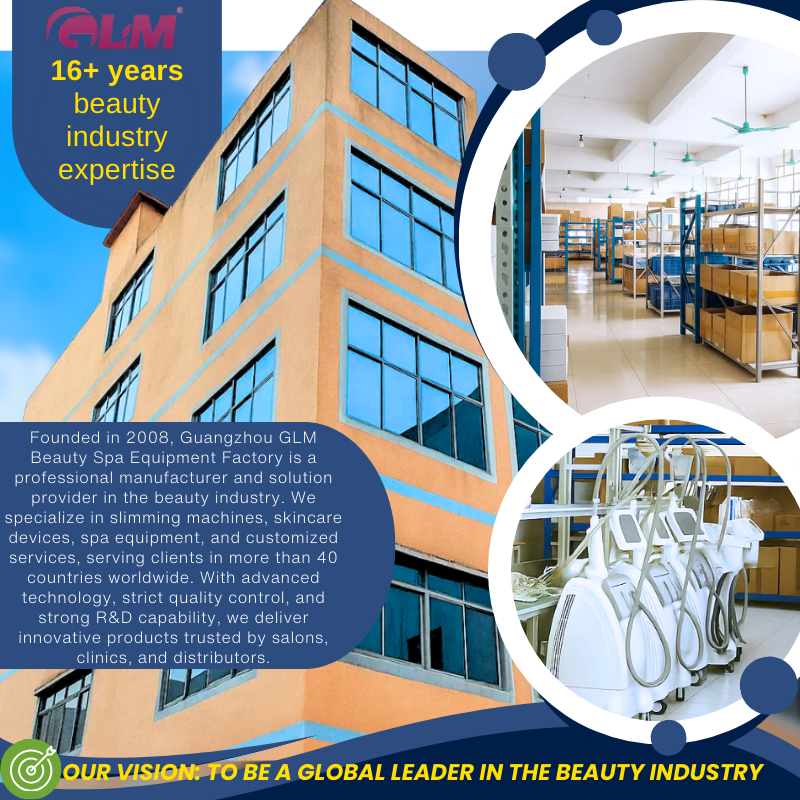
Founded in 2008, Guangzhou GLM Beauty Spa Equipment Factory specializes in research, development, manufacture and selling of beauty and slimming machines. Our production base is located in Guangzhou City, Guangdong Province, China. Since our foundation, we have introduced advanced technologies and equipment, to assure high quality and high performance of our products. With professional marketing guide and excellent after-sales service, our products have been exported to over 20 countries and regions, including Southeast Asia, the Middle East, Europe and the United States, won worldwide praises and gained a good reputation.