1. Introduction
The future of professional skincare is moving beyond surface-level beauty toward a deeper understanding of cellular communication, skin barrier function, and the biological processes that maintain healthy-looking skin. As aesthetic clinics and professional beauty salons seek more evidence-informed treatment approaches, nitric oxide (NO) is attracting attention as an important signaling molecule involved in several physiological functions of the skin.
Unlike conventional cosmetic ingredients that are primarily valued for hydration, exfoliation, or surface conditioning, nitric oxide participates in a complex network of cellular activities. Research has linked it to blood vessel regulation, immune responses, keratinocyte activity, inflammation, and wound healing. These functions make nitric oxide an interesting subject for researchers exploring skin vitality and tissue repair. However, its effects depend on concentration, location, timing, and the condition of the surrounding tissue. More nitric oxide does not automatically mean healthier skin. Source: PubMed review
At the same time, professional skincare technology is becoming increasingly focused on combining complementary treatment methods. Oxygen facial systems, LED photobiomodulation devices, hydrodermabrasion machines, and other non-invasive platforms offer practitioners different ways to support skin conditioning and address visible concerns.
Understanding the relationship between nitric oxide biology and professional beauty technology helps explain where future innovation may emerge—and where current claims require more evidence. For beauty equipment manufacturers, distributors, clinic owners, and treatment professionals, the opportunity lies in connecting scientific understanding with practical, well-designed treatment protocols.
2. Background and Problem: Why Skin Vitality Requires More Than Surface Treatment
Healthy-looking skin depends on the interaction of several biological systems. The epidermis forms a protective barrier, dermal cells maintain the extracellular matrix, and the microcirculation supplies oxygen and nutrients to living tissue. Immune cells also help the skin respond to environmental stressors and microbial exposure.
These processes can become less efficient with age, ultraviolet exposure, inflammation, environmental pollution, and disruption of the skin barrier. The visible consequences may include dryness, uneven texture, dullness, fine lines, and slower recovery from irritation or certain procedures.
Traditional facial treatments commonly focus on cleansing, exfoliation, hydration, and the temporary improvement of skin appearance. These services remain valuable, but professional practitioners increasingly need to understand the biological context behind the concerns they treat. A dehydrated complexion, for example, does not necessarily indicate impaired oxygen delivery, while persistent inflammation should not automatically be treated as a cosmetic problem.
Nitric oxide provides one useful perspective on this complexity. Skin cells can produce NO through nitric oxide synthase enzymes, and the molecule participates in signaling pathways that regulate vascular tone, cellular responses, and barrier-related processes. A review of skin biology describes its involvement in keratinocyte differentiation, immune regulation, microcirculation, and wound healing. Source: PubMed Central
Nevertheless, nitric oxide is not universally beneficial at every concentration. Physiological signaling helps maintain normal function, whereas excessive or poorly regulated production can contribute to oxidative and inflammatory damage. Its relationship with skin health is therefore a question of balance rather than simple stimulation.
This distinction matters in professional skincare. Treatments should be selected according to the client's skin condition, treatment history, and goals—not according to the assumption that activating a particular biological pathway will automatically improve appearance.
3. Technology and Mechanism: Understanding Nitric Oxide, Oxygen, and Skin Repair
3.1 Nitric Oxide as a Cellular Signaling Molecule
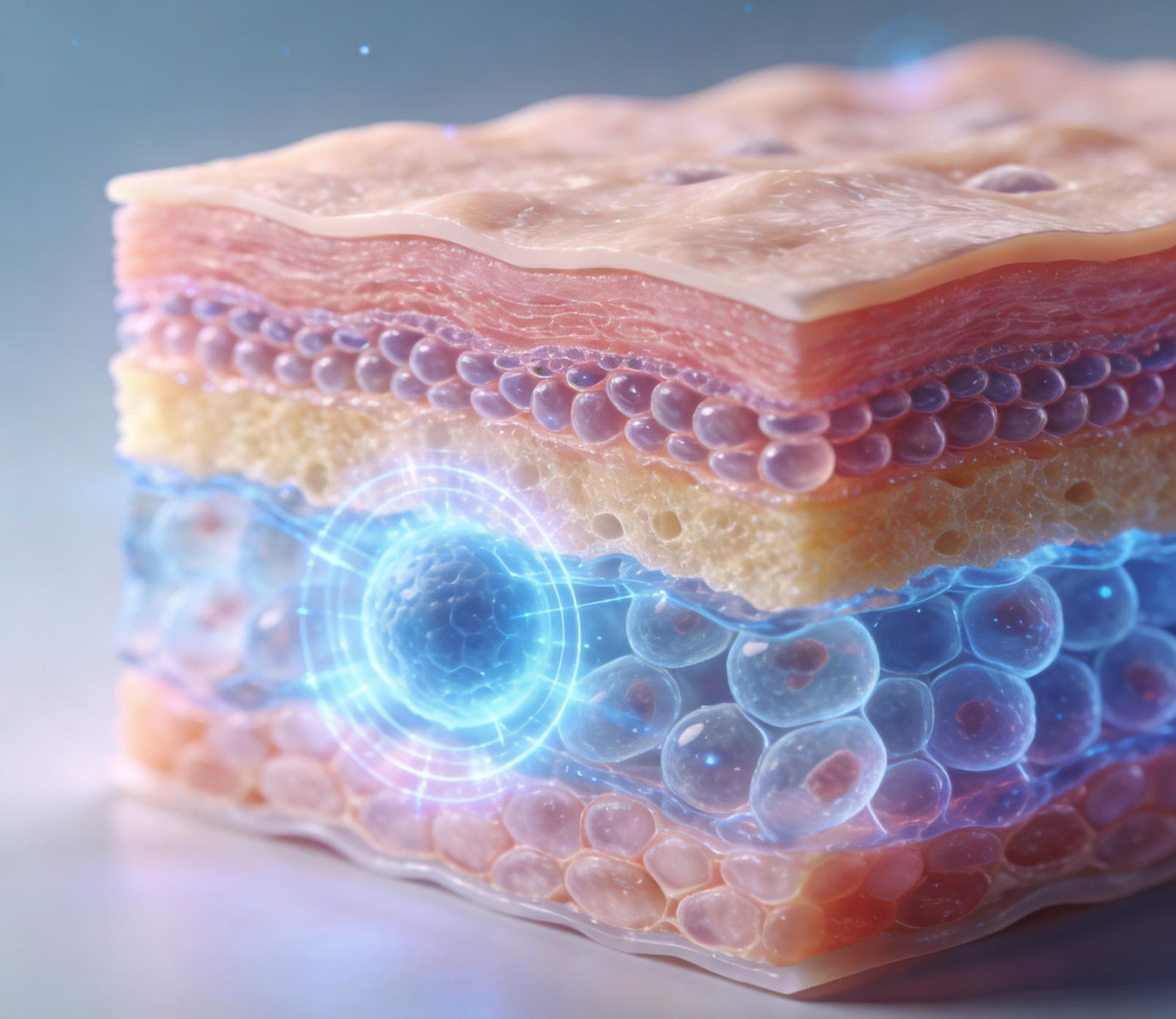
Nitric oxide is a small, highly reactive gaseous molecule that can diffuse across cell membranes and influence nearby cellular processes. In the skin, it is produced by multiple cell types, including keratinocytes, endothelial cells, fibroblasts, and immune cells.
One of its best-known functions is regulating vascular tone. By influencing the relaxation of blood vessel walls, NO helps control local blood flow. It also participates in immune signaling and communication between cells, making it relevant to the complex sequence of events that occurs during tissue repair.
Keratinocytes, the principal cells of the epidermis, are particularly important because they contribute to barrier formation and renewal. Research suggests that nitric oxide signaling is involved in their proliferation, differentiation, and lipid metabolism, all of which can influence epidermal barrier homeostasis. However, the effects vary with the type and amount of NO exposure, and some externally applied NO-generating compounds may delay barrier recovery under certain experimental conditions. Source: Experimental Dermatology review
For aesthetic professionals, the practical lesson is straightforward: understanding cellular signaling can inform treatment development, but it does not justify claiming that an ordinary facial device increases beneficial nitric oxide activity unless that effect has been specifically demonstrated.
3.2 Oxygen Therapy and Nitric Oxide Are Related but Different
Oxygen and nitric oxide are frequently discussed together in tissue repair research, but they perform different functions.
Oxygen supports cellular energy production and is required for many metabolic processes. In wound healing, adequate oxygen availability contributes to collagen synthesis, immune defense, and the formation of new blood vessels. Nitric oxide, by contrast, acts primarily as a signaling mediator that influences vascular responses, inflammation, immune activity, and tissue repair.
The two systems interact biologically. Recent research reviews have explored how oxygen availability and NO signaling may influence angiogenesis and immune responses during wound healing. Nevertheless, the delivery of oxygen and nitric oxide involves different technologies, dosing requirements, and safety considerations. Research on combined gas-delivery systems remains distinct from evidence for conventional cosmetic oxygen facials. Source: 2026 review of gas-based wound therapeutics
This distinction is especially important when evaluating beauty equipment. An oxygen infusion facial generally uses a device to direct an oxygen stream, sometimes alongside a cosmetic serum, toward the skin surface. It should not be described as a nitric oxide treatment unless the equipment actually incorporates a validated NO-delivery mechanism.
Nor should surface oxygen application be equated with medical oxygen therapy. Hyperbaric oxygen therapy involves breathing oxygen at elevated pressure in a specialized chamber. An evidence-based review published in the Journal of Cosmetic Dermatology noted that aesthetic rejuvenation is not among its established indications. Source: Wiley Online Library
Professional communication should therefore distinguish among oxygen infusion, medical oxygen delivery, and nitric oxide-based therapeutics.
3.3 Skin Repair Science and Emerging Delivery Technologies
Nitric oxide has attracted interest in wound research because it can influence several processes involved in tissue repair, including vascular regulation, immune responses, and antimicrobial defense.
One challenge is that NO is highly reactive and short-lived. Delivering a controlled amount to a specific tissue location without unwanted effects is technically difficult. Researchers are investigating delivery platforms such as nitric oxide-releasing nanoparticles, hydrogels, responsive biomaterials, and specialized wound dressings.
These technologies aim to improve stability, control release, and localize delivery. Reviews have identified potential applications in skin infections and wound healing, but many approaches remain under development and should not be treated as established salon treatments. Source: Nitric oxide-releasing nanomaterials review
For manufacturers of professional beauty equipment, this research highlights a broader direction: future devices may increasingly integrate controlled energy delivery, skin assessment, and evidence-based topical products into coordinated treatment systems. The commercial opportunity is not to imply that every beauty machine directly manipulates nitric oxide, but to develop platforms that address clearly defined treatment needs with measurable performance and appropriate safety controls.
3.4 Where Existing Beauty Technologies Fit
Several professional technologies can complement a skin-conditioning or maintenance program, although their mechanisms should not be confused with direct NO delivery.
-
Oxygen facial systems: Commonly used to apply cosmetic serums and provide a refreshing, hydrating facial experience. Claims of deeper tissue oxygenation or nitric oxide stimulation require separate evidence.
-
Hydrodermabrasion and aqua peeling: Combine controlled exfoliation, cleansing, and fluid-based skin conditioning. These systems can support the management of surface congestion and dullness when appropriately selected.
-
LED photobiomodulation: Uses defined wavelengths of light to influence cellular responses. Evidence varies by indication, wavelength, dose, and protocol; LED treatment is not equivalent to nitric oxide therapy.
-
Skin analysis systems: Help practitioners document visible characteristics, monitor changes, and tailor treatment plans. They can improve consultation quality without directly altering cellular signaling.
The strongest professional approach is to understand each technology's actual capabilities and use it for the purpose it was designed to serve.
4. Advantages and Comparison: Professional Equipment Versus Home Skincare
Professional beauty equipment offers operational advantages that extend beyond the device itself. Trained practitioners can assess the client's skin, select suitable settings, control treatment duration, monitor tolerance, and combine procedures with appropriate cosmetic products.
This structured approach can be particularly useful for clients who require a consistent maintenance program rather than an isolated facial. Equipment designed for professional use may also offer adjustable parameters, specialized applicators, treatment records, and workflow features that are not available in basic home devices.
However, professional equipment is not automatically more effective simply because it is larger or more expensive. Outcomes depend on the technology, treatment indication, device quality, operator training, and available clinical evidence. Home devices may be suitable for routine maintenance, while more complex procedures require professional assessment or medical supervision.
| Comparison factor | Professional beauty equipment | Home skincare devices |
|---|---|---|
| Treatment planning | Can be integrated into practitioner-led protocols | Usually follows a simpler personal routine |
| Parameter control | May provide broader, device-specific adjustments | Often offers fewer settings |
| Skin assessment | Can be paired with consultation and analysis tools | Typically relies on the user's own assessment |
| Service delivery | Supports standardized salon or clinic workflows | Designed for individual use |
| Evidence requirements | Must substantiate performance and treatment claims | Must also meet applicable safety and claim requirements |
For clinic owners, the business value of professional equipment depends on more than technical specifications. Reliability, consumable costs, staff training, maintenance requirements, treatment time, and client satisfaction all affect the return on investment.
The same principle applies to emerging nitric oxide technologies. A scientifically interesting mechanism is not, by itself, proof of commercial effectiveness. Manufacturers should provide clear technical documentation and distinguish validated device functions from potential future applications.
5. Applications and Client Needs: Building Evidence-Informed Professional Protocols
5.1 Hydration and Dull-Looking Skin
Clients seeking a fresher appearance often benefit from treatments centered on gentle cleansing, appropriate exfoliation, and hydration. Hydrodermabrasion and serum-based facial systems can be considered according to skin tolerance and professional assessment.
Oxygen facial treatments may serve as an additional cosmetic service for clients who prefer a refreshing experience with minimal downtime. Practitioners should explain that immediate smoothness or radiance may result from surface hydration and temporary changes in skin appearance, rather than proven nitric oxide activation or long-term tissue regeneration.
5.2 Sensitive Skin and Barrier Maintenance
For clients experiencing dryness or sensitivity, treatment selection should prioritize barrier protection and minimizing unnecessary irritation. Aggressive exfoliation, unsuitable active ingredients, or excessive treatment intensity may worsen discomfort.
Because nitric oxide participates in epidermal barrier regulation, it is relevant to skin science. Yet this biological relationship does not mean that clients with a compromised barrier should receive NO-based products or devices without appropriate evidence and assessment.
A conservative professional protocol may emphasize gentle cleansing, compatible moisturizing products, careful observation of skin responses, and referral to a qualified healthcare professional when symptoms suggest an underlying skin disorder.
5.3 Post-Procedure Care and Skin Repair
After certain aesthetic procedures, practitioners may need to focus on comfort, hydration, and protection while the skin recovers. The appropriate approach depends on the procedure performed, the degree of barrier disruption, and the client's clinical circumstances.
Research into NO-releasing materials and oxygen-based wound care may eventually inform specialized medical applications. However, evidence from wound dressings, laboratory studies, or hyperbaric oxygen therapy cannot automatically be transferred to ordinary cosmetic machines.
For clinics, clear aftercare instructions and adherence to device-specific protocols are more defensible than promising accelerated healing without direct clinical evidence.
5.4 Equipment Selection for Clinics and Beauty Businesses
When evaluating equipment for a professional treatment menu, buyers should begin with client demand and the service model. A salon specializing in routine facials may prioritize hydration systems, cleansing equipment, and skin analysis. A medically supervised clinic may require different technologies, documentation, and safety procedures.
Before purchasing a device, decision-makers should assess:
-
Treatment purpose: Which client concern is the device designed to address?
-
Technical performance: Are its operating parameters, consumables, and intended uses clearly documented?
-
Safety and compliance: Does the device meet the requirements applicable in its target market?
-
Training and support: Are operator training, maintenance, and technical assistance available?
-
Commercial feasibility: Can treatment time, consumable costs, service pricing, and realistic client demand support a sustainable business model?
For equipment manufacturers and distributors, transparent specifications, reliable after-sales service, and practical training materials can be as important as new features. Scientific credibility also supports long-term customer relationships by helping practitioners explain what a device can—and cannot—reasonably achieve.
6. Conclusion: The Future of Professional Skincare Is Evidence-Led
Nitric oxide offers an important window into the biological complexity of skin vitality. Its involvement in vascular regulation, cellular communication, immune responses, epidermal barrier function, and tissue repair makes it a promising subject for continued dermatological research.
At the same time, oxygen-based treatments, LED systems, hydrodermabrasion, and skin analysis technologies continue to serve distinct roles in professional beauty environments. Their value should be assessed according to their actual mechanisms, intended uses, safety profiles, and supporting evidence—not through an assumed connection to nitric oxide biology.
For beauty clinics and equipment manufacturers, the next stage of innovation will depend on combining scientific understanding with practical treatment design, reliable devices, trained operators, and realistic client expectations. Emerging NO-delivery technologies may eventually contribute to specialized skin and wound care, but further validation is needed before their potential can be translated into routine cosmetic practice.
Ultimately, the future of professional skincare will not be defined by the number of technologies a device claims to combine. It will be shaped by how accurately those technologies address client needs, how consistently they perform, and how responsibly their benefits are communicated
Founded in 2008, Guangzhou GLM Beauty Spa Equipment Factory specializes in research, development, manufacture and selling of beauty and slimming machines. Our production base is located in Guangzhou City, Guangdong Province, China. Since our foundation, we have introduced advanced technologies and equipment, to assure high quality and high performance of our products. With professional marketing guide and excellent after-sales service, our products have been exported to over 20 countries and regions, including Southeast Asia, the Middle East, Europe and the United States, won worldwide praises and gained a good reputation