
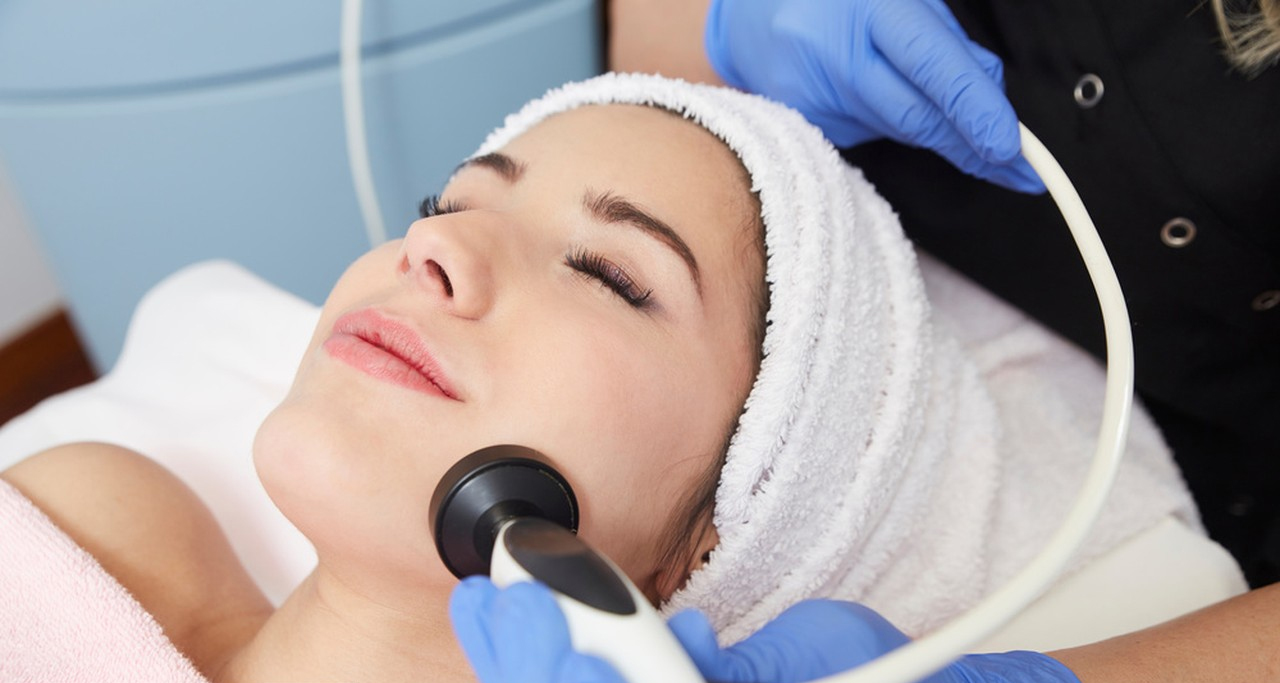
Non-Invasive Radio Frequency Skin Tightening: Say Goodbye to Skin Laxity
As we age, our skin gradually loses its firmness and elasticity, resulting in skin laxity or sagging. This can be especially apparent in areas such as the face, neck, abdomen, and thighs. While surgical procedures like facelifts and tummy tucks have long been popular options for tightening loose skin, they are invasive, expensive, and require significant downtime for recovery.
Fortunately, advancements in technology have led to the development of non-invasive treatments that effectively combat skin laxity, such as radio frequency skin tightening. This innovative procedure offers a safe and convenient alternative to surgical options, providing impressive results without the need for surgery.
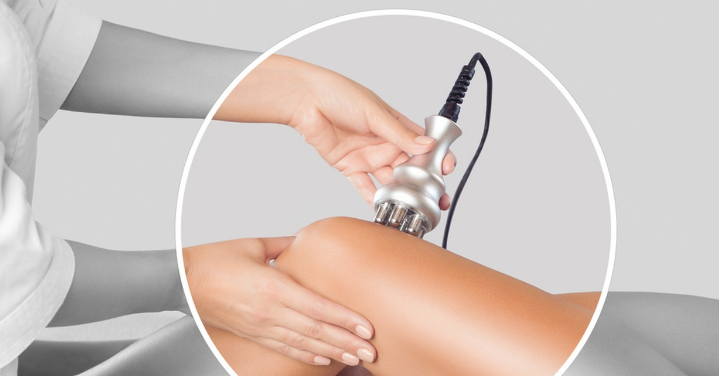
Understanding Skin Laxity
Skin laxity, often referred to as skin sagging or loose skin, is a common condition that affects individuals as they age. It is a result of various factors that contribute to the weakening of the skin's structure, ultimately leading to a loss of firmness and elasticity.
One of the primary causes of skin laxity is the natural aging process. As we grow older, our bodies undergo a series of physiological changes that impact the skin. One such change is a decrease in the production of collagen and elastin, two crucial proteins responsible for maintaining the skin's strength and elasticity. As these proteins decline, the skin loses its ability to retain its firm and youthful appearance.
Sun damage is another significant factor that contributes to skin laxity. Ultraviolet (UV) rays from the sun penetrate the skin's layers, damaging the collagen fibers that support its structure. Repeated sun exposure over the years can accumulate this damage, leading to the breakdown of collagen and the development of skin laxity.
Genetics also plays a role in skin laxity. Some individuals may inherit genes that make them more prone to developing loose skin as they age. These genetic factors can influence the skin's natural elasticity and resilience.
The effects of skin laxity can be distressing for individuals, often causing them to feel self-conscious about their appearance. Common signs of skin laxity include wrinkles and fine lines, which develop as the skin loses its elasticity and begins to sag. Sagging jowls, a common concern for many individuals, occur when the skin on the jawline loses its firmness and begins to droop. Loose abdominal skin, another common manifestation of skin laxity, can develop after significant weight loss or as a result of aging.
Furthermore, the formation of cellulite is often associated with skin laxity. Cellulite, which appears as dimpled or uneven skin, is caused by the breakdown of collagen fibers in the deeper layers of the skin. As these fibers weaken, the fat cells beneath the skin become more prominent, resulting in the characteristic dimpled appearance.
In summary, skin laxity is a complex condition that results from a combination of factors, including aging, sun damage, and genetics. It can have distressing effects on individuals' appearance, leading to feelings of self-consciousness. Understanding the causes and manifestations of skin laxity can help individuals take appropriate measures to address this condition and maintain a youthful and vibrant appearance.
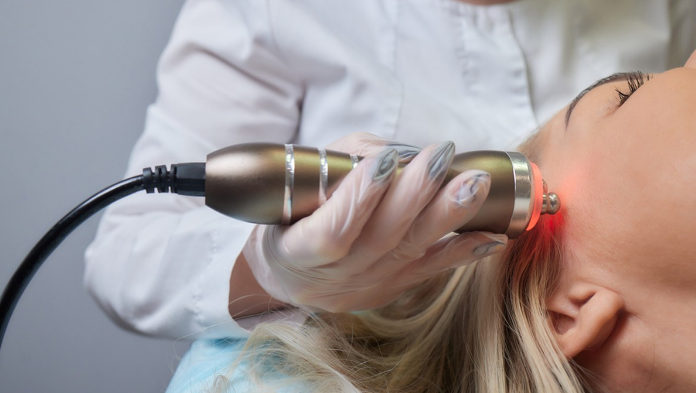
Introduction to Non-Invasive Radio Frequency Skin Tightening
In the ever-evolving field of cosmetic procedures, non-invasive radio frequency skin tightening stands as a promising and cutting-edge technique for achieving youthful, rejuvenated skin. This advanced treatment utilizes radio frequency energy to stimulate collagen production, effectively tightening and revitalizing the skin without the need for invasive surgical methods.
The Mechanism of Action
The key to non-invasive radio frequency skin tightening lies in its ability to deliver controlled heat to the deeper layers of the skin. As the radio frequency energy penetrates the skin, it heats the underlying tissues, triggering a natural response in the body. This response stimulates the production of collagen, a protein that is essential for maintaining skin's elasticity and firmness.
The heat also promotes collagen remodeling and contraction, effectively tightening the skin and reducing the appearance of wrinkles, fine lines, and sagging. Unlike some other cosmetic treatments, non-invasive radio frequency skin tightening does not damage the surface of the skin, ensuring a safe and comfortable experience for patients.
Advantages Over Surgical Options
One of the primary advantages of non-invasive radio frequency skin tightening is its speed and convenience. This procedure is typically quick, requiring minimal time for both the treatment itself and any post-treatment recovery. Patients can resume their normal activities immediately after the treatment, without the need for extended downtime or recovery periods.
In addition to its speed, non-invasive radio frequency skin tightening is also significantly more affordable than surgical alternatives. While surgical procedures can offer dramatic results, they often come with a hefty price tag and a series of potential risks and complications. Non-invasive radio frequency skin tightening, on the other hand, provides a more cost-effective option for individuals seeking skin rejuvenation without the need for extensive surgery.
Moreover, non-invasive radio frequency skin tightening is suitable for a wide range of individuals, regardless of their age, skin type, or specific concerns. Whether you're looking to reduce the appearance of wrinkles and fine lines or achieve a more youthful and lifted appearance, this treatment can help you achieve your desired results with minimal risk and discomfort.
In conclusion, non-invasive radio frequency skin tightening is a revolutionary cosmetic procedure that offers a safe, effective, and affordable solution for achieving tighter and rejuvenated skin. By utilizing controlled radio frequency energy to stimulate collagen production, this treatment helps to restore the skin's natural elasticity and firmness, without the need for invasive surgical methods.
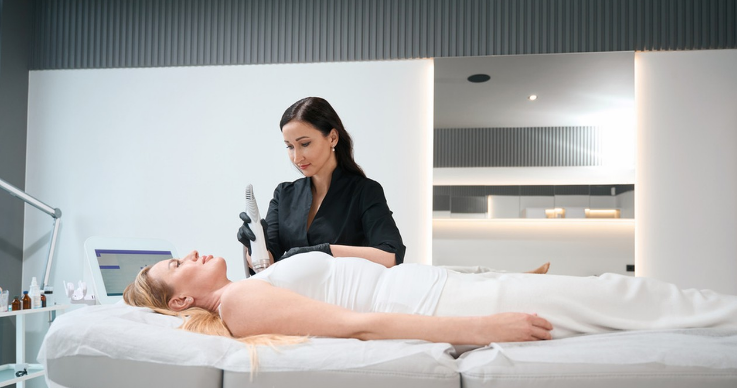
Benefits of Non-Invasive Radio Frequency Skin Tightening
The benefits of non-invasive radio frequency skin tightening are numerous and remarkable, offering a comprehensive approach to skin rejuvenation and revitalization. By undergoing this treatment regularly, individuals can enjoy the following advantages:
1. Enhanced Skin Firmness and Toning
One of the most significant benefits of non-invasive radio frequency skin tightening is its ability to firm and tone the skin. The radio frequency energy penetrates the skin and targets the deeper layers, stimulating the production of collagen and elastin. Collagen is a key protein that provides structure and firmness to the skin, while elastin helps maintain its elasticity. By boosting the production of these proteins, the treatment effectively tightens and tones the skin, resulting in a firmer, more youthful appearance.
2. Reduction in Wrinkles and Fine Lines
Another benefit of radio frequency skin tightening is its ability to reduce the appearance of wrinkles, fine lines, and other signs of aging. As the skin ages, collagen production decreases, leading to a loss of firmness and elasticity. The radio frequency energy helps to reverse this process by stimulating collagen production and promoting collagen remodeling. This results in a smoother, more youthful-looking skin, with a significant reduction in the appearance of wrinkles, fine lines, and other age-related imperfections.
3. Improvement in Skin Texture and Elasticity
In addition to firming and reducing wrinkles, non-invasive radio frequency skin tightening also improves overall skin quality. The heat generated by the radio frequency energy stimulates the skin's natural healing response, promoting the growth of new skin cells and enhancing the skin's texture. The treatment can also significantly diminish the appearance of cellulite and stretch marks, further enhancing the skin's overall appearance.
4. Boost in Collagen Production
At the heart of non-invasive radio frequency skin tightening lies its ability to boost collagen production. Collagen is a crucial protein that maintains skin strength, elasticity, and resilience. As we age, collagen production naturally declines, leading to a loss of skin firmness and elasticity. By targeting the deeper layers of the skin with radio frequency energy, the treatment stimulates collagen production, helping to restore and rejuvenate the skin. This boost in collagen production not only improves the skin's appearance but also enhances its overall health and function.
The Procedure and Process
A non-invasive radio frequency skin tightening procedure is a safe and effective way to achieve firmer, more youthful-looking skin. Here is a detailed breakdown of the steps involved in the procedure:
1. Initial Consultation
The first step in the process is a consultation with a qualified dermatologist or cosmetic specialist. During this consultation, the professional will assess your skin type, condition, and any specific areas of concern you may have. They will also discuss your expectations for the treatment and address any questions or concerns you may have. This initial consultation is crucial to ensure that the treatment is suitable for you and that you have a clear understanding of the procedure and its potential outcomes.
2. Preparation for the Treatment
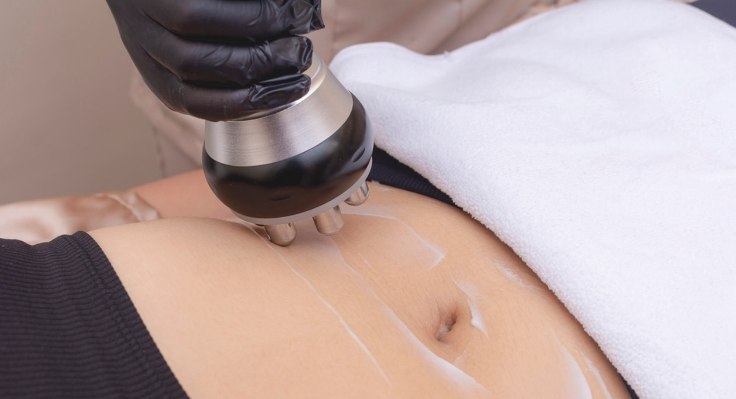
Before the procedure begins, the treatment area will be thoroughly cleaned to remove any dirt, oil, or makeup. This ensures that the radio frequency energy can penetrate the skin effectively. Additionally, a conductive gel or cream may be applied to the skin. This gel helps enhance the effectiveness of the radio frequency energy by allowing it to travel more easily through the skin's surface.
3. The Treatment Process
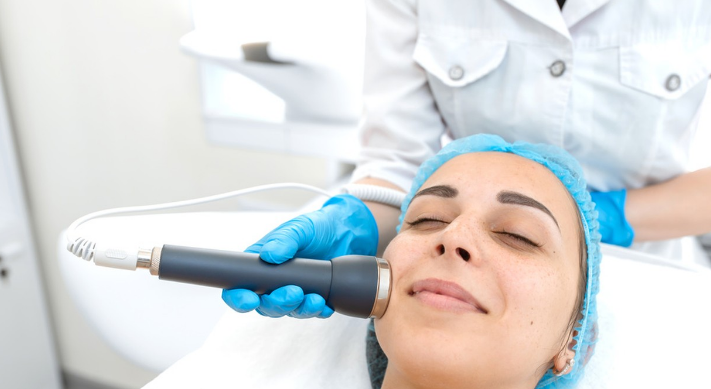
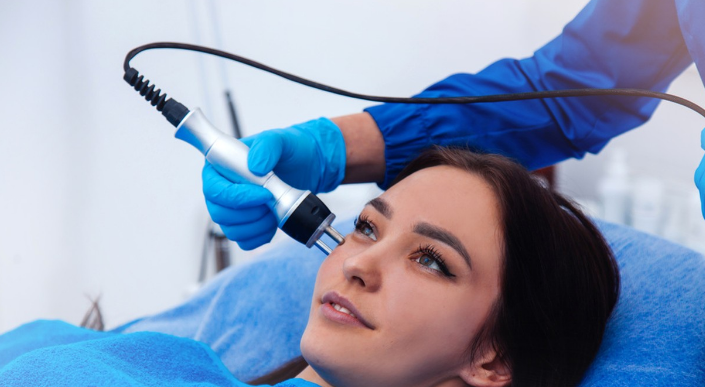
Once the skin is prepared, the handheld radio frequency device will be moved over the treatment area. The device emits controlled energy that penetrates the skin, delivering heat to the underlying layers. This heat stimulates the production of collagen and elastin, leading to improved skin firmness, elasticity, and a reduction in wrinkles and fine lines.
Most individuals find the procedure comfortable, with only a mild warming sensation experienced during the treatment. The duration of the treatment can vary depending on the size of the treatment area, but it typically takes around 30 minutes to an hour to complete.
4. Post-Treatment Care
After the procedure, there is no significant downtime or recovery period necessary. You can resume your normal daily activities immediately after the treatment. Some individuals may experience minimal redness or warmth in the treated area, but these side effects are temporary and typically subside within a few hours.
It's important to note that while some individuals may see immediate results, the full benefits of non-invasive radio frequency skin tightening may take several weeks to manifest. For optimal results, multiple treatment sessions are often recommended. Most individuals undergo an average of 3-6 sessions spaced several weeks apart.
It's also essential to follow your dermatologist's post-treatment instructions to ensure that your skin remains healthy and hydrated after the treatment. This may include using a gentle cleanser, avoiding excessive sun exposure, and applying sunscreen when outdoors.
Remember, non-invasive radio frequency skin tightening is a gradual process that requires time and patience. However, with regular treatments and proper post-care, you can enjoy firmer, more youthful-looking skin for a long time.
Candidate Selection and Safety Considerations
When considering non-invasive radio frequency skin tightening, it's crucial to ensure that you are an appropriate candidate for the procedure. Consulting with a qualified dermatologist or cosmetic specialist is essential to determine your eligibility and to discuss your individual case in detail.
Here are some key factors that professionals consider during candidate selection:
Medical History: Your medical history is thoroughly reviewed to identify any conditions that may affect the safety or effectiveness of the treatment. This includes any allergies, skin diseases, or past surgeries that may be relevant.
Skin Type: Your skin type is assessed to determine its response to radio frequency energy. Different skin types have varying degrees of sensitivity and tolerance, so it's important to ensure that the treatment is suitable for your specific needs.
Treatment Goals: Your treatment goals are discussed to ensure that non-invasive radio frequency skin tightening is the best option for achieving the desired results. The procedure is most effective for improving skin laxity, reducing wrinkles, and enhancing skin firmness.
Safety Considerations:
- Pregnancy: If you are pregnant, it's generally recommended to avoid non-invasive radio frequency skin tightening until after delivery. The procedure's effects on pregnant women are not fully understood, so it's best to wait until after pregnancy to undergo treatment.
- Implanted Medical Devices: Individuals with implanted medical devices, such as pacemakers or defibrillators, should consult with their doctor before undergoing radio frequency skin tightening. The radio frequency energy may potentially interfere with the function of these devices.
- Severe Skin Diseases: Active skin diseases, such as eczema or psoriasis, may require special consideration before undergoing treatment. Your dermatologist will assess your condition and determine whether the procedure is suitable for you.
- Active Infections: If you have an active infection in the treatment area, it's essential to address this condition before undergoing non-invasive radio frequency skin tightening. Infections can compromise the safety and effectiveness of the treatment.
Comparisons with Other Skin Tightening Methods
Non-invasive radio frequency skin tightening stands out among various skin tightening methods for its unique advantages. Here's a detailed comparison with other popular options:
Surgical Skin Tightening:
- Incisions and Anesthesia: Surgical skin tightening procedures require incisions and the use of anesthesia, which involve higher risks and longer recovery periods. Non-invasive radio frequency skin tightening, on the other hand, is performed without incisions or anesthesia, minimizing discomfort and downtime.
- Risk of Complications: Surgical procedures have a higher risk of complications, such as infection, bleeding, and scarring. Non-invasive radio frequency skin tightening offers a significantly lower risk of complications, making it a safer option for most individuals.
- Natural-Looking Results: Surgical skin tightening can sometimes alter facial features, resulting in unnatural or overly tightened skin. Non-invasive radio frequency skin tightening stimulates natural collagen production, delivering natural-looking results that enhance your overall appearance.
Non-Surgical Alternatives:
- Laser Therapy: Laser therapy uses intense light energy to stimulate collagen production. While it can be effective, radio frequency skin tightening is generally considered more effective at penetrating deeper layers of the skin, resulting in more significant improvements in skin laxity.
- Ultrasound Technology: Ultrasound technology uses sound waves to heat the skin and stimulate collagen production. However, radio frequency skin tightening offers a more targeted and controlled delivery of energy, allowing for more precise treatment and better results.
In summary, non-invasive radio frequency skin tightening offers a safe, effective, and natural-looking solution for individuals seeking to improve skin laxity and achieve a more youthful appearance. Its advantages compared to surgical procedures and other non-surgical alternatives make it a popular choice for individuals of all ages and skin types.
Real-Life Success Stories
There are numerous success stories and testimonials from individuals who have undergone non-invasive radio frequency skin tightening. These stories often highlight the impressive results achieved in terms of skin tightening, wrinkle reduction, and overall rejuvenation.
Accompanied by before and after photos, these success stories provide visual evidence of the transformative effects of radio frequency skin tightening.
In conclusion, non-invasive radio frequency skin tightening offers an effective and accessible solution for individuals seeking to combat skin laxity and regain their youthful appearance. With its ability to stimulate collagen production, firm the skin, reduce wrinkles, and improve overall skin texture, this treatment helps individuals say goodbye to skin laxity without the need for invasive surgery.
Consult with a qualified dermatologist or cosmetic specialist to determine if non-invasive radio frequency skin tightening is the right option for you. Say goodbye to skin laxity and hello to tighter, more youthful-looking skin!