Introduction
“Can I achieve a facelift-like improvement without having surgery?”
This is one of the most common questions in modern aesthetic clinics. As facial aging progresses, patients may notice sagging around the cheeks, jawline, chin, and neck, together with fine lines, wrinkles, reduced skin firmness, and changes in facial contours. A traditional surgical facelift remains one of the most powerful options for significant skin laxity, but surgery is not the preferred choice for everyone.
This has created growing interest in non-surgical and minimally invasive facial rejuvenation. As Dr Theva’s approach to non-surgical facial rejuvenation demonstrates, the goal is not necessarily to reproduce a surgical facelift. Instead, the objective is to select the right treatment according to the patient's degree of laxity, skin condition, facial structure, lifestyle, and expectations.
For professional beauty clinics and aesthetic practices, this shift also creates an important opportunity. Modern energy-based aesthetic devices allow practitioners to offer customized skin-tightening and rejuvenation programs without relying on a single treatment technology.
Radiofrequency (RF), focused ultrasound such as HIFU, laser-based treatments, Tixel technology, and other professional platforms can target different aspects of facial aging. When selected and operated appropriately, these technologies can become valuable components of a broader non-surgical facial rejuvenation strategy.
Background: Why Are Patients Looking Beyond Surgical Facelifts?
Facial aging is not caused by one factor.
Over time, collagen and elastin production declines, skin becomes less resilient, and structural changes occur in the tissues beneath the skin. At the same time, repeated facial movement contributes to dynamic wrinkles, while changes in facial volume can alter the proportions and contours of the face.
For patients with substantial excess skin and advanced laxity, surgery may still provide the most dramatic lifting effect. However, many aesthetic clients are dealing with mild to moderate laxity rather than severe tissue sagging.
These clients may be looking for:
- A more defined jawline
- Firmer cheeks and lower-face skin
- Improved appearance of the neck
- Reduced fine lines and wrinkles
- Better skin texture and elasticity
- A fresher, less tired appearance
- Little or no downtime
- Gradual and natural-looking results
The American Society of Plastic Surgeons describes nonsurgical facelift approaches as combinations of minimally invasive and noninvasive procedures designed to refresh facial appearance without the incisions and recovery associated with traditional surgery. However, it also emphasizes an important limitation: nonsurgical treatments generally produce more moderate results and often require maintenance.
This distinction is important for clinics. The objective should not be to promise a “surgical facelift without surgery.” Instead, professional practitioners can position energy-based treatments as solutions for appropriate candidates who want to improve skin firmness, texture, and facial definition while maintaining a natural appearance.
Technology and Mechanism: How Do Non-Surgical Facial Tightening Devices Work?
Modern aesthetic devices work through different forms of controlled energy. Understanding these mechanisms helps practitioners select the right technology for each client.
1. Radiofrequency: Controlled Heat for Collagen Remodeling
Radiofrequency is one of the most widely used technologies in professional skin-tightening treatments.
RF devices deliver electromagnetic energy into targeted tissue, creating controlled thermal stimulation. Depending on the technology and treatment parameters, the resulting heat can encourage collagen contraction and initiate longer-term remodeling processes.
As collagen remodeling occurs, the skin may gradually appear firmer and smoother.
A recent systematic review of RF-based facial rejuvenation found improvements in skin texture and firmness across multiple studies, with generally favorable tolerability. However, the researchers also noted that evidence quality varies between studies and devices, reinforcing the importance of realistic expectations and professional treatment protocols.
For professional clinics, RF platforms are particularly versatile because different handpieces and configurations can be used for areas such as:
- Cheeks
- Jawline
- Chin
- Neck
- Forehead
- Periorbital areas, when the device is specifically designed and cleared for appropriate use
A professional RF system can also provide more consistent energy delivery and treatment control than many consumer-oriented devices, making operator training, device quality, and parameter selection important parts of the treatment experience.
2. HIFU and Focused Ultrasound: Targeting Deeper Tissue
Focused ultrasound takes a different approach.
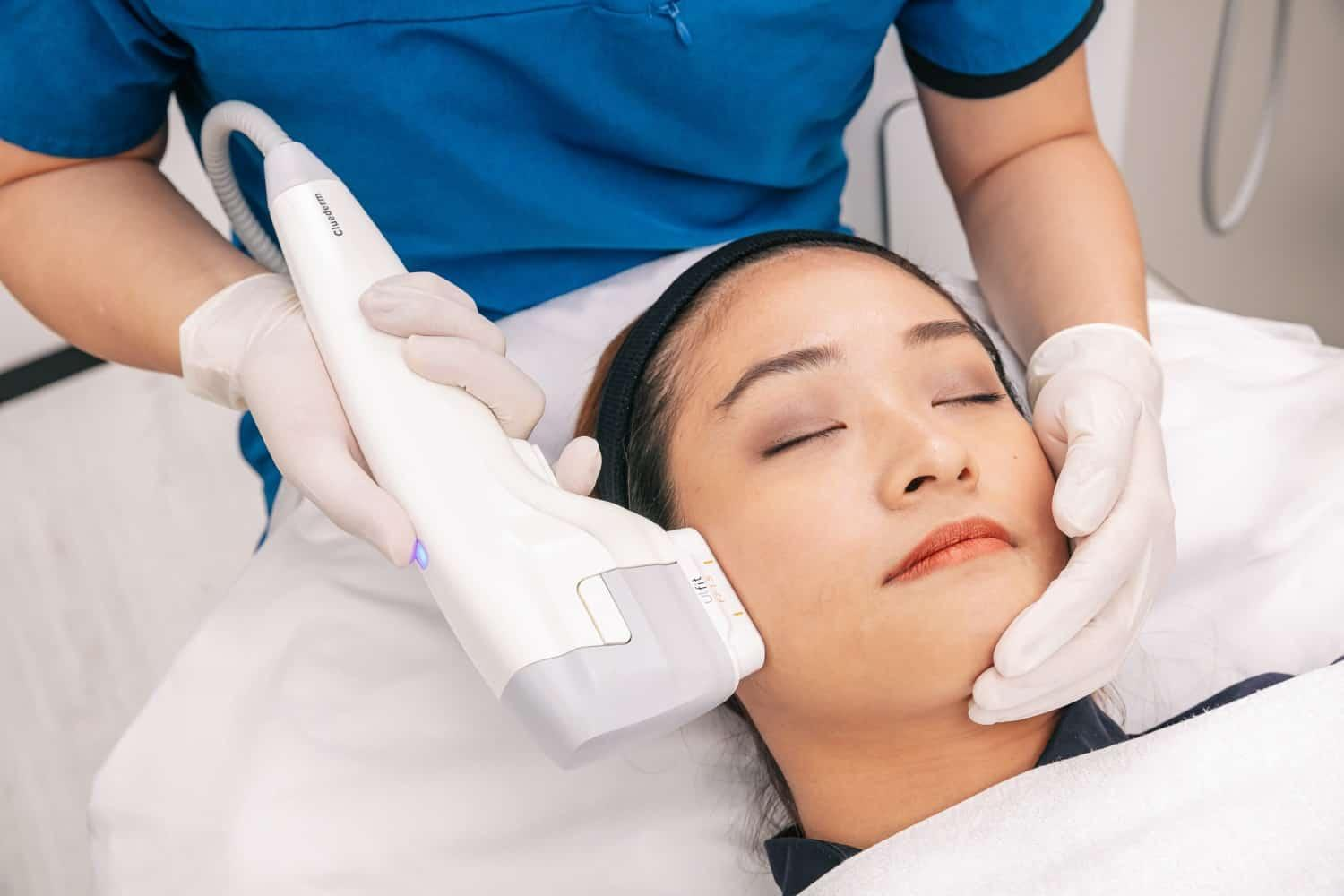
Rather than relying primarily on surface-level heating, focused ultrasound concentrates acoustic energy at selected depths beneath the skin. Depending on the specific technology, treatment can create controlled thermal effects that stimulate collagen remodeling and tissue tightening.
Research on microfocused ultrasound has shown its potential for non-invasive facial skin tightening, while clinical reviews describe ultrasound and RF as established energy-based approaches for addressing facial and neck laxity.
This makes HIFU particularly interesting for professional facial contouring programs. Areas such as the lower face, jawline, chin, and neck may be incorporated into a customized treatment plan depending on the device, indication, and practitioner's assessment.
Importantly, focused ultrasound should not be presented as equivalent to surgical tissue repositioning. It can support gradual tightening and lifting, but a surgical facelift remains fundamentally different in its ability to remove excess skin and reposition deeper tissues.
3. Laser and Light-Based Skin Rejuvenation
Laser and light-based technologies can address another dimension of facial aging: skin quality.
While some energy-based technologies are primarily selected for tightening, laser treatments may be used to improve the appearance of pigmentation, uneven texture, sun damage, fine lines, and other superficial signs of aging.
This makes laser technology particularly valuable when facial rejuvenation requires more than simply tightening the skin.
A professional clinic may therefore combine skin-resurfacing technology with tightening treatments rather than expecting one machine to solve every concern.
4. Tixel and Other Advanced Energy Technologies
Tixel uses thermo-mechanical technology to create controlled thermal effects at the skin surface and within targeted tissue. It represents another category of professional technology used in skin rejuvenation.
Modern aesthetic practices increasingly have access to multiple technologies because facial aging is multidimensional. Current clinical literature discusses RF, RF microneedling, microfocused ultrasound, and other energy-based technologies as separate but complementary approaches to facial tightening.
For equipment manufacturers and professional clinics, this trend highlights the value of multifunctional platforms and treatment portfolios that allow practitioners to customize protocols instead of relying on a one-size-fits-all procedure.
Advantages and Comparison: Non-Surgical Treatment vs. Surgical Facelift
The greatest advantage of non-surgical facial rejuvenation is not that it eliminates the need for surgery in every patient. Its value lies in offering a different treatment pathway.
| Treatment Approach | Primary Focus | Downtime | Typical Result Approach | Best Suited For |
|---|---|---|---|---|
| Surgical Facelift | Tissue repositioning and excess skin removal | Significant | More dramatic | Advanced laxity and substantial sagging |
| RF Skin Tightening | Collagen remodeling and firmness | Usually minimal | Gradual, natural-looking | Mild to moderate laxity and skin firmness |
| HIFU / Focused Ultrasound | Deeper tissue tightening | Usually minimal | Gradual lifting and tightening | Jawline, chin, neck, selected facial areas |
| Laser Rejuvenation | Texture, pigmentation and surface quality | Varies by technology | Skin-quality focused | Fine lines, uneven tone and texture |
| Tixel / Thermal Treatments | Skin rejuvenation and remodeling | Technology-dependent | Gradual improvement | Texture and selected rejuvenation concerns |
| Injectables | Volume, wrinkles and facial contour | Usually limited | Targeted correction | Volume loss and dynamic wrinkles |
The comparison shows why professional consultation matters. Different technologies solve different problems.
A patient whose main concern is loose skin may benefit more from an energy-based tightening treatment than from a surface-focused facial. A client with significant volume loss may require a different strategy. Someone concerned primarily with pigmentation and texture may benefit from laser or resurfacing technology.
In many cases, the most effective approach is not choosing one “best machine,” but building a treatment plan around the patient's actual concerns.
Applications and Client Needs in Professional Clinics
Jawline and Lower-Face Definition
Loss of definition around the jawline is one of the most common reasons clients seek non-surgical facial rejuvenation.
Professional RF and focused ultrasound technologies can be incorporated into treatment plans designed to improve skin firmness and the visual definition of the lower face.
The key is appropriate patient selection. Energy-based tightening is generally more suitable for clients with mild to moderate laxity than for individuals with significant excess skin.
Neck Rejuvenation
The neck often reveals signs of aging earlier than clients expect.
Changes in skin elasticity, fine lines, and laxity can create a less defined transition between the face and neck. Depending on the device and its approved indications, professional ultrasound, RF, and other energy-based technologies may be used as part of a neck-rejuvenation program.
Because the neck is a sensitive anatomical area, treatment should always follow the manufacturer's operating guidelines and the practitioner's professional training.
Preventative and Maintenance Treatments
Non-surgical facial rejuvenation is not only for clients with visible aging.
Younger clients may seek maintenance treatments to support skin quality and address early changes before they become more pronounced. Dr Theva's philosophy similarly emphasizes individualized treatment planning and natural, age-appropriate outcomes rather than excessive correction.
For clinics, this creates opportunities for long-term treatment programs rather than one-time procedures.
Combination Treatment Strategies
Facial aging rarely has a single cause, so combination strategies can be particularly useful.
For example, a professional clinic might use:
RF + facial rejuvenation:
RF focuses on firmness and collagen remodeling while complementary treatments address hydration or surface quality.
HIFU + skin-quality treatment:
Focused ultrasound may be selected for deeper tightening, while another technology targets texture or pigmentation.
Energy-based treatment + injectables:
Where medically appropriate, energy treatments can be combined with injectable approaches to address different aspects of facial aging.
The purpose of combination treatment is not to add procedures unnecessarily. It is to match each technology to the problem it is best equipped to address.
Why Professional Equipment Matters
The growing popularity of non-surgical facial rejuvenation has also created a crowded market of consumer devices. However, professional aesthetic equipment serves a different purpose.
Professional systems can offer more sophisticated energy delivery, treatment controls, specialized handpieces, adjustable parameters, and protocols designed for trained operators.
For a clinic, the value of a professional device extends beyond the machine itself.
A well-designed platform can help practitioners:
- Create customized treatment protocols
- Treat multiple facial areas
- Adjust treatment parameters according to client needs
- Integrate different technologies into a broader treatment menu
- Improve treatment consistency
- Build repeat-treatment and maintenance programs
Device manufacturers therefore play an important role in the development of modern aesthetic practices. Ergonomic handpieces, intuitive interfaces, reliable energy output, safety features, and clear operating protocols can all influence the clinic's treatment workflow.
Managing Expectations: Can Non-Surgical Treatments Replace a Facelift?
The short answer is: not completely.
A surgical facelift physically repositions tissues and removes excess skin. Non-surgical technologies work through biological responses such as collagen remodeling, tissue contraction, and skin-quality improvement.
Therefore, they should not be marketed as identical alternatives.
Clinical literature consistently describes non-surgical energy-based treatments as options that can provide meaningful tightening while offering less downtime and less invasiveness, but with generally more modest results than surgery.
The best candidates are often people with early to moderate laxity who want gradual improvement, are not ready for surgery, or prefer a maintenance-oriented approach.
Patients with advanced skin redundancy should be evaluated carefully and, where appropriate, referred for medical or surgical assessment rather than being promised unrealistic results.
This approach protects the client while also strengthening the professional credibility of the clinic.
Conclusion
The modern “non-surgical facelift” is not one treatment. It is a category of personalized aesthetic strategies designed to address different components of facial aging.
RF can support collagen remodeling and skin firmness. Focused ultrasound can target deeper tissue layers for gradual lifting and tightening. Laser and thermal technologies can improve skin quality, texture, and other visible signs of aging. When appropriate, these technologies can also become part of a broader combination-treatment strategy.
The most important principle is personalization.
As Dr Theva's approach illustrates, successful facial rejuvenation begins with understanding the client's goals, assessing their facial condition, setting realistic expectations, and selecting the appropriate treatment rather than automatically choosing the most aggressive option.
For professional beauty clinics and aesthetic practices, advanced beauty equipment provides an opportunity to deliver this personalized approach at scale. The right device does not simply add another service to a treatment menu. It can help practitioners build structured facial rejuvenation programs around tightening, contouring, skin quality, maintenance, and long-term client care.
Ultimately, the goal is not to make every client look as though they have had a facelift.
The goal is to help appropriate clients look firmer, fresher, more defined, and naturally rejuvenated—without unnecessarily rushing toward surgery
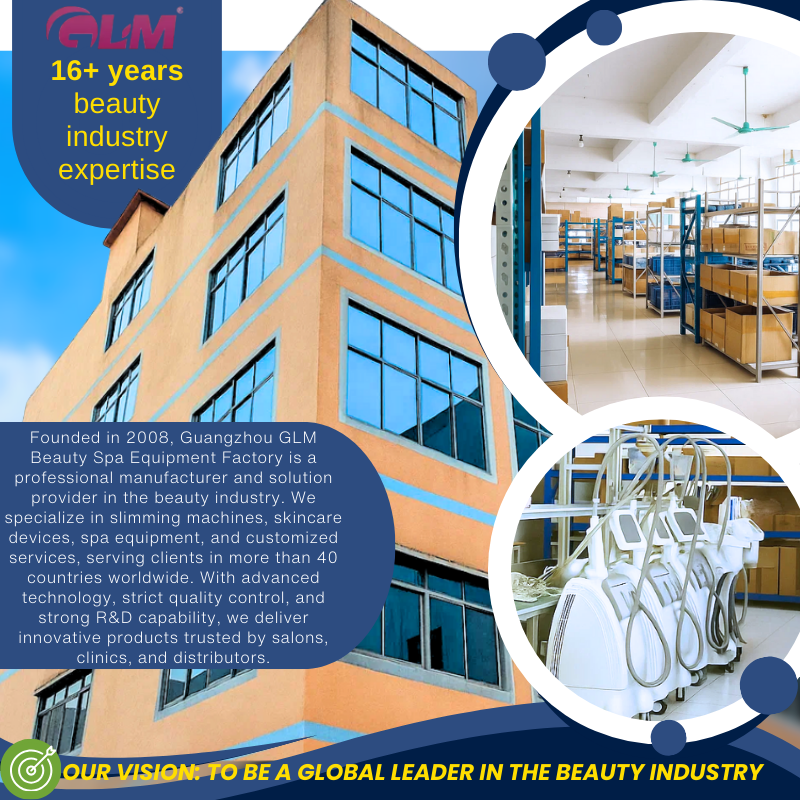
Founded in 2008, Guangzhou GLM Beauty Spa Equipment Factory specializes in research, development, manufacture and selling of beauty and slimming machines. Our production base is located in Guangzhou City, Guangdong Province, China. Since our foundation, we have introduced advanced technologies and equipment, to assure high quality and high performance of our products. With professional marketing guide and excellent after-sales service, our products have been exported to over 20 countries and regions, including Southeast Asia, the Middle East, Europe and the United States, won worldwide praises and gained a good reputation