Introduction
Modern aesthetic clinics are increasingly looking for treatment technologies that are non-invasive, versatile, comfortable, and easy to integrate into professional treatment protocols. Among these technologies, PDT has become a familiar term in the beauty-equipment industry, particularly in connection with professional LED light therapy systems.
In the aesthetic equipment market, “PDT” is often used to describe LED-based phototherapy or photobiomodulation systems, in which specific wavelengths of light are delivered to the skin for cosmetic and supportive treatment purposes. This should be distinguished from medical photodynamic therapy, where a photosensitizing substance is combined with a specific light source to produce a photochemical reaction.
For beauty salons, aesthetic clinics, and professional skincare centers, LED-based PDT technology offers a practical way to incorporate light-based treatments into customized facial and skin-management programs. Depending on the device and its intended use, different wavelengths may be selected to support concerns such as acne-prone skin, visible redness, uneven-looking skin tone, signs of aging, and overall skin quality.
The value of professional PDT equipment is therefore not simply the light itself. It lies in the ability to provide controlled, repeatable, and professionally managed light treatments as part of a broader aesthetic service.
Background: Why Light-Based Treatments Are Becoming Important
Traditional aesthetic treatments often focus on exfoliation, infusion, peeling, mechanical stimulation, or energy-based procedures. These technologies remain valuable, but modern clients increasingly expect treatments with little or no downtime.
This has created demand for complementary technologies that can be incorporated before or after other procedures.
Light therapy is particularly suitable for this role because it is generally non-invasive and can be used as a standalone service or integrated into a broader treatment plan. Dermatology sources describe red and near-infrared light therapy as forms of photobiomodulation, with applications being investigated or used for concerns including signs of aging and acne. Professional systems may also deliver stronger or more controlled light than many consumer devices.
For professional operators, this creates an important business advantage: one well-designed light therapy platform can potentially support multiple treatment protocols rather than being limited to a single cosmetic concern.
Instead of presenting LED treatment simply as “light for better skin,” clinics can position PDT-based services as a structured component of professional skin management.
Technology and Mechanism: How PDT LED Technology Works
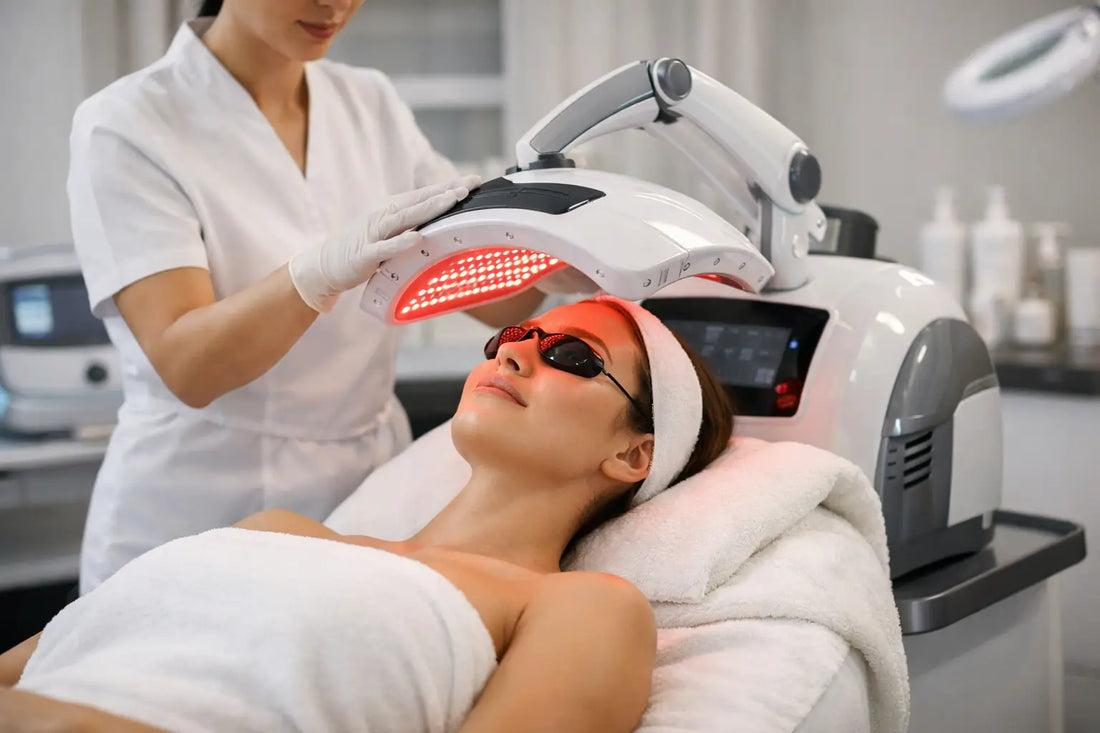
Professional PDT LED systems use light-emitting diodes to deliver selected wavelengths to the skin. Different wavelengths interact with tissue differently, which allows operators to design treatment protocols according to the intended aesthetic objective.
Common systems may include wavelengths such as blue, red, green, yellow, or near-infrared. The exact wavelengths and clinical or cosmetic applications vary by device, so treatment settings should always follow the manufacturer's specifications and applicable professional requirements.
Blue Light
Blue light is commonly associated with acne-focused LED treatments. Dermatology references note that visible blue and red light devices may be used for certain acne concerns, although visible light is not effective for every type of acne, particularly deeper lesions such as cysts or nodules.
In a professional setting, blue-light treatment can therefore become part of an acne-management service rather than being marketed as a universal acne solution.
Red Light
Red light is widely associated with photobiomodulation and aesthetic skin-rejuvenation protocols. Professional applications may focus on supporting the appearance of fine lines, skin texture, redness, and overall skin quality.
The mechanism is generally discussed in terms of light interacting with cellular processes rather than mechanically removing or damaging the skin surface. Research continues to investigate exactly how different wavelengths, doses, treatment frequencies, and device parameters influence outcomes.
Near-Infrared Light
Some professional platforms also incorporate near-infrared wavelengths. Because near-infrared light can penetrate differently from visible wavelengths, it may be incorporated into protocols designed for deeper photobiomodulation effects.
However, wavelength alone does not determine treatment quality. Irradiance, energy density, treatment time, distance from the skin, treatment area, and device design all influence how a professional system is used.
Multi-Wavelength Systems
For aesthetic clinics, multi-wavelength platforms can be particularly practical.
Rather than purchasing separate devices for every light-based service, a multi-mode PDT system may allow operators to select different light programs according to the client's skin condition and treatment plan
Professional PDT Equipment vs. Home LED Devices
One of the most important distinctions for beauty businesses is the difference between professional equipment and consumer LED devices.
Home-use masks, panels, and handheld devices have become increasingly common. They can provide convenient maintenance treatments, but their design priorities are different from those of professional systems.
The American Academy of Dermatology notes that professional red-light systems can be more powerful than many home devices, while also emphasizing that treatment outcomes vary between devices and that more research is needed to determine optimal parameters for different applications.
A professional PDT system can provide several practical advantages:
1. Greater treatment control
Professional systems may offer adjustable treatment time, wavelength selection, intensity settings, and treatment modes depending on the model.
2. Larger treatment coverage
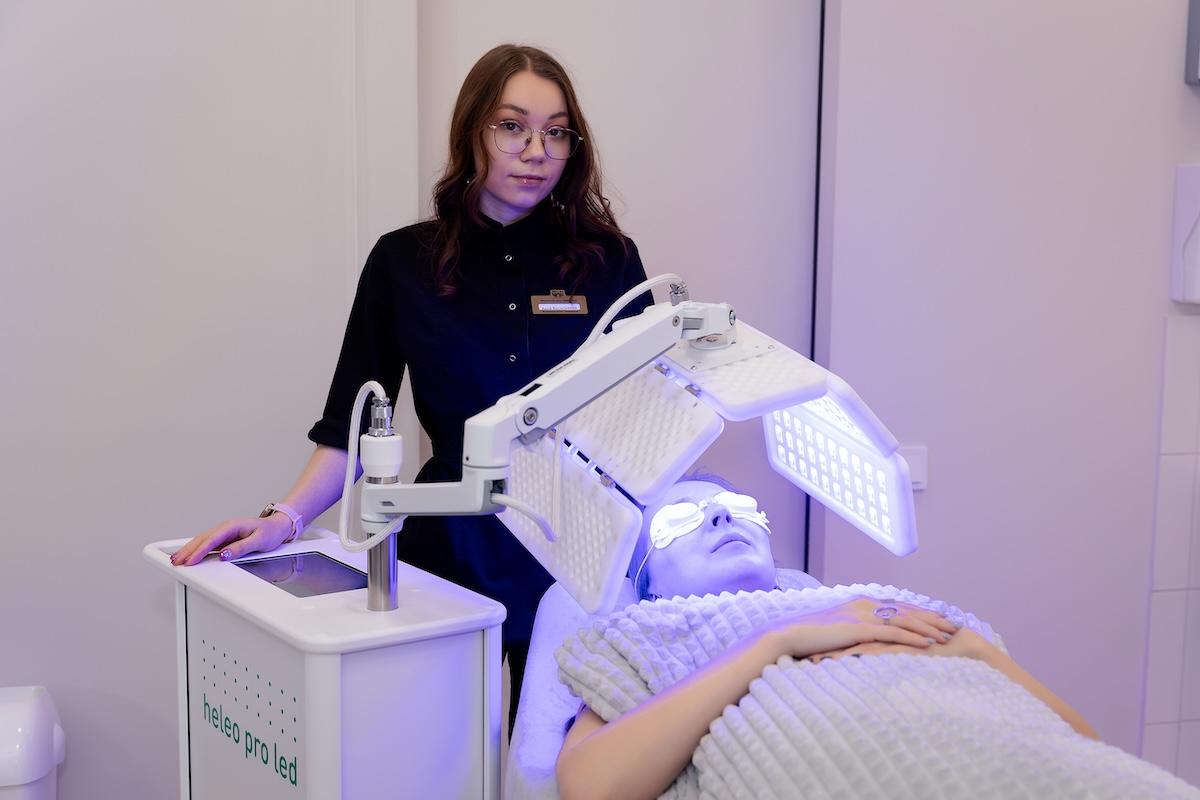
A large LED panel or articulated light head can illuminate a substantial facial or body area without requiring the operator to manually move a handheld device across the skin.
3. More consistent positioning
Professional stands, articulated arms, and adjustable treatment heads help operators maintain a repeatable distance and treatment position.
4. Better integration into treatment protocols
A professional device can be incorporated into facial treatments, acne-management programs, post-treatment care, and skin-rejuvenation packages.
5. Improved treatment efficiency
For a busy clinic, hands-free or semi-automated treatment delivery allows practitioners to manage workflow more efficiently.
Therefore, the difference between professional and home equipment is not simply a question of “stronger light.” It also involves control, consistency, ergonomics, workflow, treatment coverage, and professional service integration.
Advantages of PDT Technology in Modern Aesthetic Treatments
Non-Invasive Treatment Experience
One of the major advantages of LED-based PDT treatments is their non-invasive nature. Unlike procedures that intentionally remove or damage the outer layer of the skin, LED treatments can generally be incorporated without aggressive mechanical intervention.
This makes them attractive to clients who prefer gentle treatment experiences or who want to minimize downtime.
Versatile Treatment Applications
PDT systems can support multiple aesthetic services depending on their wavelength configuration and intended use.
A professional clinic may incorporate LED treatments into:
- Acne-focused facial programs
- Skin-rejuvenation services
- Anti-aging treatment plans
- Post-procedure supportive care
- Sensitive-looking or stressed skin programs
- Combination facial treatments
- Regular skin-maintenance packages
This versatility can make PDT equipment useful across different client profiles.
Easy Combination With Other Treatments
Light therapy does not necessarily need to replace other aesthetic technologies.
Instead, it can complement procedures such as facial cleansing, hydrodermabrasion, serum infusion, microneedling, or other professional skincare services when appropriate.
For example, a clinic may design a multi-step facial in which cleansing and preparation are followed by a targeted treatment, serum application, and LED session.
The advantage for the business is that PDT becomes part of a complete treatment protocol, rather than an isolated device sitting on the treatment floor.
Comfortable Client Experience
Many clients associate modern aesthetic treatments with minimal discomfort and minimal downtime. LED-based treatments can fit naturally into this expectation.
The treatment process can also be relatively simple from an operational perspective: prepare the skin, position the light source, select the appropriate program, and monitor the session according to the device's operating instructions.
Applications and Client Needs
1. Acne-Prone Skin
Blue-light and combined blue-red LED protocols are frequently associated with acne-focused services. However, professional operators should avoid presenting LED as a universal solution for all acne types.
Instead, PDT can be positioned as one component of a broader professional skin-management strategy.
For clinics serving younger clients or customers with recurring blemish concerns, this can create an additional non-invasive service option.
2. Skin Rejuvenation
Red-light treatments are often incorporated into aesthetic programs designed to improve the appearance of aging skin, fine lines, uneven texture, or dull-looking complexion.
The objective is not to produce an instant transformation. Instead, professional operators can build treatment programs around repeated sessions and realistic expectations.
This approach is particularly suitable for clinics offering monthly skin-maintenance memberships.
3. Post-Treatment Support
LED therapy may also be considered as a complementary step following selected aesthetic procedures.
For example, after a professional facial or another treatment that leaves the skin temporarily looking stressed, an appropriate light-based protocol may be incorporated as part of the clinic's overall treatment workflow.
The exact suitability depends on the procedure, device, client condition, and professional protocol. Operators should follow the manufacturer's instructions and applicable local regulations.
4. Customized Multi-Step Facials
PDT technology becomes particularly valuable when combined with other professional equipment.
A clinic could structure a treatment around:
Skin analysis → cleansing → exfoliation or infusion → targeted skincare → PDT LED treatment → finishing care
This transforms LED technology from a standalone “light treatment” into a component of a complete aesthetic experience.
5. Professional Skin-Maintenance Programs
Not every client is looking for an intensive procedure. Some want a regular treatment that fits into their long-term skincare routine.
For these clients, PDT can be incorporated into recurring facial programs, allowing clinics to create treatment packages rather than relying only on one-time appointments.
What Should Clinics Look for in a Professional PDT Device?
Choosing a professional PDT system requires more than counting the number of wavelengths.
Operators should consider:
Wavelength configuration:
Does the device provide the wavelengths needed for the clinic's target services?
Irradiance and energy control:
Can the operator manage treatment parameters accurately and consistently?
Treatment area:
Is the light head large enough for efficient facial treatment?
Adjustable positioning:
Can the arm or panel be positioned comfortably for different clients and treatment beds?
User interface:
Is the control system simple enough for daily professional operation?
Treatment modes:
Can the clinic create different protocols for different client needs?
Safety design:
Does the equipment provide appropriate operating instructions, eye-protection guidance where required, and other safety features?
Serviceability:
Can the equipment be maintained and supported over its expected service life?
These factors directly influence how easily the device can become part of a professional clinic's daily workflow.
PDT as a Business Tool for Modern Beauty Clinics
From a business perspective, the strongest value of PDT technology is its service flexibility.
A single professional LED system can potentially support multiple treatment categories, allowing a clinic to develop different packages around the same core technology.
For example:
- Acne Care LED Program
- Skin Rejuvenation LED Facial
- Professional Light Therapy Session
- Post-Facial LED Care
- Monthly Skin Maintenance Program
- LED + Serum Infusion Treatment
This gives clinics more opportunities to structure treatment packages according to client needs.
It also allows equipment manufacturers and distributors to position PDT systems beyond simple “LED masks.” A professional PDT platform represents a combination of light technology, treatment control, ergonomic design, and commercial usability.
For beauty-equipment manufacturers, these characteristics are particularly important when designing systems for international salons, aesthetic clinics, dermatology-related practices, and professional skincare centers.
Conclusion
PDT technology has become an important part of the broader movement toward non-invasive, technology-assisted aesthetic treatments.
In the beauty-equipment industry, the term PDT commonly refers to professional LED phototherapy systems, while medical photodynamic therapy has a more specific meaning involving a photosensitizer and light. Maintaining this distinction is important when communicating treatment capabilities professionally.
For modern aesthetic clinics, professional LED systems offer more than a simple light source. With appropriate wavelength selection, controlled treatment parameters, adjustable positioning, and professional operating protocols, PDT equipment can become a flexible component of acne-focused care, skin-rejuvenation programs, customized facials, and ongoing skin-maintenance services.
The future value of PDT is therefore not simply about adding another machine to a treatment room. It is about using controlled light technology to build more versatile, structured, and professional aesthetic treatment experiences
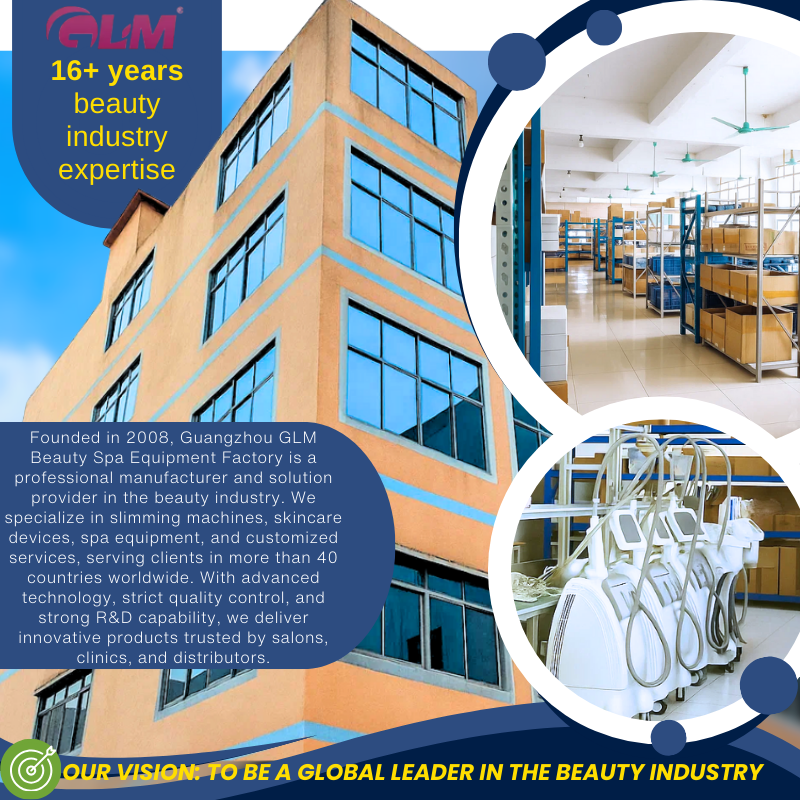
Founded in 2008, Guangzhou GLM Beauty Spa Equipment Factory specializes in research, development, manufacture and selling of beauty and slimming machines. Our production base is located in Guangzhou City, Guangdong Province, China. Since our foundation, we have introduced advanced technologies and equipment, to assure high quality and high performance of our products. With professional marketing guide and excellent after-sales service, our products have been exported to over 20 countries and regions, including Southeast Asia, the Middle East, Europe and the United States, won worldwide praises and gained a good reputation