Introduction
Laser technology has become an important part of modern aesthetic practice, supporting a wide range of professional treatments related to skin texture, pigmentation, rejuvenation, acne scarring, and overall skin appearance. However, the treatment itself is only one part of the client experience. What happens immediately after a laser procedure can also influence comfort, recovery management, and the condition of the skin during the post-treatment period.
This is where post-laser skin barrier repair becomes an important part of professional skincare protocols.
Laser procedures can temporarily place additional stress on the skin barrier. Depending on the laser technology and treatment intensity, clients may experience temporary redness, warmth, dryness, sensitivity, tightness, or peeling. More intensive resurfacing procedures can involve a longer recovery period and require carefully controlled aftercare.
For professional beauty clinics and aesthetic practices, post-treatment care is therefore not simply about applying a moisturizer. It is about creating a controlled recovery environment while selecting appropriate products, techniques, and professional equipment according to the condition of the skin.
Modern aesthetic equipment can support this process through controlled cooling, gentle hydration, non-invasive serum application, LED-based skincare protocols, and other low-stimulation approaches. The key is not to use more technology immediately after laser treatment, but to use the right technology at the right stage.
Background / Problem
The skin barrier is the outer protective system of the skin. It helps regulate water loss and provides a physical barrier against environmental stressors. One of its most important components is the stratum corneum, which contains corneocytes and intercellular lipids that work together to maintain skin integrity.
Laser treatments can intentionally interact with the skin using controlled light energy. Depending on the treatment, this interaction may involve heating specific targets, stimulating remodeling processes, or removing controlled layers of tissue.
After treatment, the skin may temporarily become more sensitive to external factors.
Clients may report:
- Redness or warmth
- Temporary dryness
- Tight or uncomfortable skin
- Increased sensitivity to cosmetic products
- Mild flaking or peeling
- A greater need for hydration and environmental protection
The degree of these effects depends heavily on the type of laser procedure.
A professional clinic therefore needs to distinguish between different post-laser situations rather than applying one universal recovery protocol.
For example, a client receiving a relatively mild non-ablative treatment may require a different approach from a client undergoing a more intensive resurfacing procedure. A professional operator should consider the treatment parameters, the client's skin condition, visible signs of irritation, and the recommendations associated with the specific laser procedure.
This is one reason why professional post-treatment care cannot be reduced to a simple home skincare routine.
Technology / Mechanism
1. Cooling Technology for Immediate Comfort
Controlled cooling is one of the most practical technologies used around energy-based aesthetic treatments.
After certain laser procedures, cooling may help create a more comfortable treatment experience by reducing the sensation of heat. Professional cooling systems may use controlled airflow, cooling surfaces, or other temperature-management technologies depending on the device design.
The important factor is controlled application.
Extremely cold temperatures or prolonged cooling are not automatically better. Professional operators should follow the treatment manufacturer's instructions and avoid applying any post-treatment technology that could interfere with the intended recovery process.
For clinics, a professional cooling device can also provide a more standardized experience than repeatedly relying on improvised cold packs.
2. Hydration and Non-Invasive Serum Application
Hydration is another major consideration during post-laser skincare.
When the skin feels dry or tight, clinics may incorporate carefully selected hydrating formulations into their recovery protocols. Depending on the treatment stage and professional guidance, equipment designed for gentle serum application or infusion may help distribute compatible skincare formulations evenly across the treatment area.
This is particularly useful in professional settings because the operator can control:
- Product selection
- Application method
- Treatment intensity
- Contact time
- Treatment area
- Hygiene procedures
However, post-laser skin should not automatically be treated with aggressive infusion or penetration technologies.
When the barrier is compromised or the skin is visibly irritated, stronger stimulation may be inappropriate. A professional protocol should prioritize skin tolerance over the number of functions available on a machine.
3. LED and Photobiomodulation-Based Equipment
LED technology is increasingly visible in professional skincare environments.
LED systems use specific wavelengths of light to deliver controlled light exposure to the skin. In aesthetic settings, different wavelengths may be selected according to the intended cosmetic protocol.
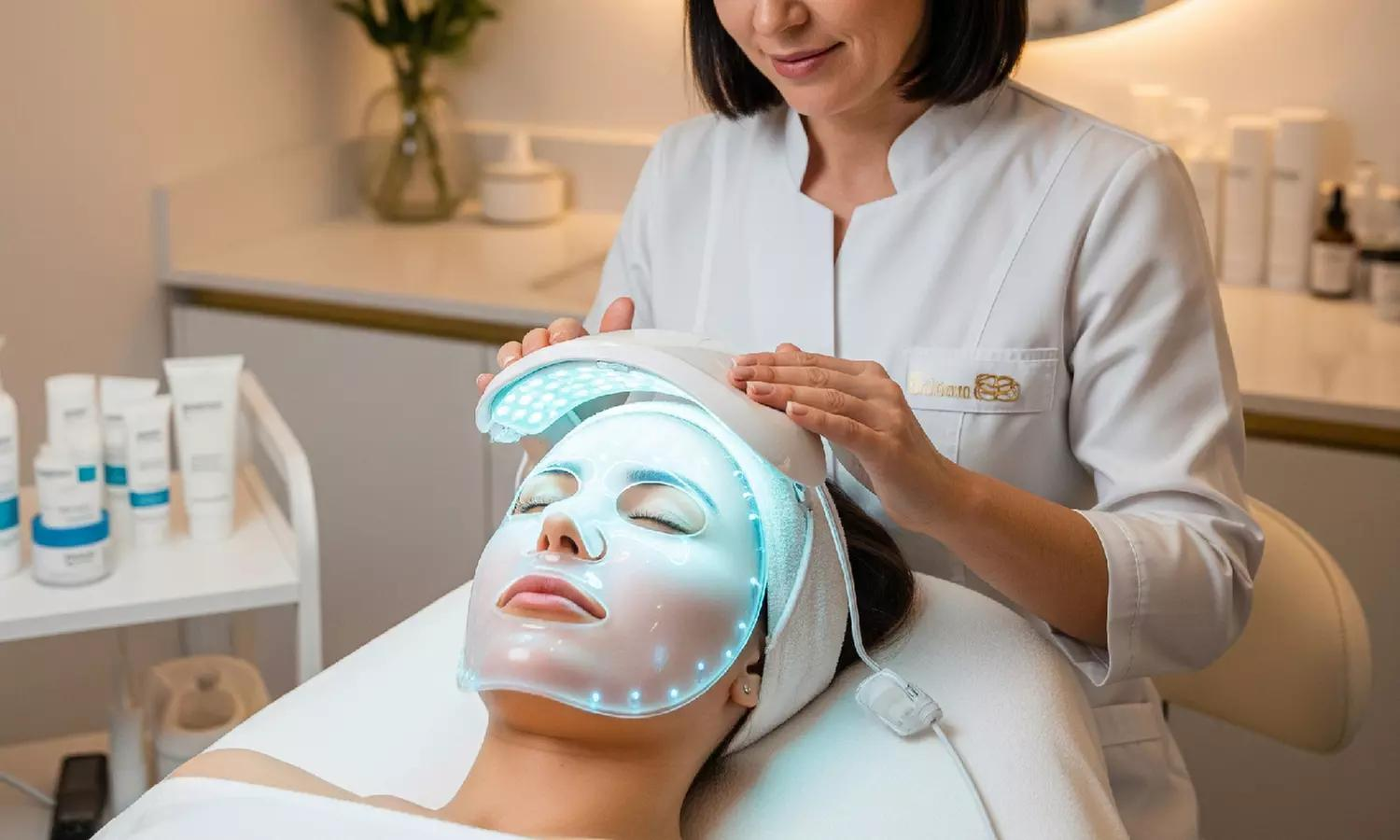
For post-laser care, LED-based approaches can be considered as part of a professionally designed recovery program when the specific laser procedure, device manufacturer, and skin condition allow it.
The value of professional LED equipment is not simply the presence of colored lights. Professional systems can provide controlled treatment parameters, larger treatment areas, standardized positioning, and repeatable operating procedures.
This makes them particularly relevant for clinics that want to integrate technology into structured post-treatment skincare services.
4. Gentle Skin Analysis Before Follow-Up Treatments
Another important technology is skin analysis.
A professional skin analyzer can provide visual information about hydration, texture, pigmentation, pores, and other observable skin characteristics. While an analyzer does not replace clinical diagnosis, it can help operators document the skin's appearance and communicate with clients during follow-up consultations.
This creates a more systematic approach to post-laser care.
Instead of immediately performing another treatment, the operator can first evaluate whether the skin appears sufficiently recovered for the next stage of the skincare program.
Advantages / Comparison
Professional Equipment vs. Basic Home Care
Home skincare remains an important part of post-laser maintenance, particularly when clients follow professional instructions for cleansing, moisturizing, and sun protection.
However, professional equipment can provide additional value in a clinic environment.
| Professional Clinic Approach | Basic Home Care |
|---|---|
| Operator-controlled procedures | Self-directed application |
| Adjustable treatment parameters | Usually limited settings |
| Professional skin assessment | Visual self-assessment |
| Structured treatment protocols | Personal routine |
| Larger treatment areas | Usually smaller treatment area |
| Standardized hygiene procedures | Individual household conditions |
| Follow-up monitoring | Less systematic monitoring |
The purpose of professional equipment is not to replace appropriate home care.
Instead, it can complement the home routine by providing controlled services during clinic visits.
For example, a clinic may combine professional skin analysis, appropriate cooling, carefully selected hydration procedures, and compatible LED skincare into a structured post-treatment service. The client can then continue with the recommended home routine between appointments.
This creates a complete service model rather than treating post-laser care as a single product sale.
Why Protocol Matters More Than Features
Beauty equipment manufacturers often promote multifunctional systems with numerous modes and technologies. However, post-laser skin recovery is a situation where excessive stimulation may not be appropriate.
A professional device should therefore be evaluated according to more than the number of functions it provides.
Important considerations include:
- Adjustable intensity
- Accurate temperature control
- Appropriate wavelength selection
- Stable operating parameters
- Easy-to-clean treatment surfaces
- Clear operating procedures
- Compatibility with professional skincare products
- Operator training requirements
A machine with fewer functions but better control can be more practical for a specialized post-treatment protocol than a device with many functions that are difficult to standardize.
For equipment manufacturers, this also creates an opportunity to develop devices specifically for professional recovery-oriented services.
Applications / Client Needs
Application 1: Post-Laser Cooling Sessions
Cooling can be incorporated into appropriate post-treatment protocols when the treatment type and professional instructions permit it.
A clinic can position cooling as a dedicated comfort-focused service following suitable laser procedures. This may be particularly attractive for clients who are concerned about temporary heat, redness, or discomfort.
The operator should always assess the skin first and avoid applying cooling technologies when contraindicated.
Application 2: Hydration-Focused Facial Recovery
Once the skin is suitable for cosmetic hydration procedures, a clinic can introduce a gentle hydration-focused facial protocol.
A typical professional workflow may include:
Skin assessment → gentle cleansing → compatible hydrating product → appropriate professional device → protective finishing care → home-care guidance
The objective is not to overwhelm the skin with multiple active ingredients.
Instead, the protocol should focus on maintaining comfort and supporting a simple, consistent skincare routine.
Application 3: LED-Based Professional Skincare
For suitable clients, LED equipment can be incorporated into a broader professional skincare program.
A clinic may offer LED sessions as part of a recovery-oriented facial service, provided that the treatment is compatible with the client's recent laser procedure and the relevant device instructions.
This can also create an opportunity for clinics to build treatment packages around different stages of the client's aesthetic journey.
Application 4: Skin Monitoring and Follow-Up
Post-laser recovery is not necessarily a one-visit process.
Professional operators can use skin analysis equipment during follow-up appointments to document visible changes and determine whether the client is ready to progress to another cosmetic procedure.
This approach can improve communication between the operator and client.
Instead of simply saying that the skin "looks better," the clinic can use standardized images or measurements to support a more structured consultation.
Understanding Client Expectations
Clients often expect their skin to look immediately improved after an aesthetic treatment. However, professional operators need to explain that some laser procedures involve a recovery stage.
The skin may temporarily look red, dry, uneven, or sensitive before returning to a more stable appearance.
Clear communication is therefore part of professional skincare.
A clinic can explain:
- What the client may experience after the procedure
- Which products should be used
- Which products or treatments should be avoided
- When professional equipment may be appropriate
- When the client should return for follow-up
- When a medical professional should be contacted
For more intensive laser procedures, post-treatment care should follow the treating clinician's instructions. Professional beauty equipment should never be positioned as a replacement for medical assessment when complications or unexpected reactions occur.
Conclusion
Post-laser skin barrier repair is becoming an increasingly important part of professional aesthetic service design.
The goal is not to add as many treatments as possible after a laser procedure. The goal is to create a controlled and appropriate recovery strategy based on the type of laser treatment, the condition of the client's skin, and the professional's protocol.
Cooling systems can support comfort. Hydration-focused technologies can complement appropriate skincare. LED systems can provide controlled light-based professional services when suitable. Skin analyzers can help operators monitor the client's condition and organize follow-up consultations.
The real value of professional beauty equipment lies in control, consistency, and protocol-based operation.
For aesthetic clinics and beauty equipment manufacturers, this creates an opportunity to move beyond the traditional concept of a "laser treatment machine." A complete professional service can include treatment, immediate comfort management, post-treatment skincare, monitoring, and long-term client care.
When technology is selected according to skin condition rather than simply according to the number of functions available, post-laser skincare can become a more structured and professional part of the modern aesthetic clinic experience
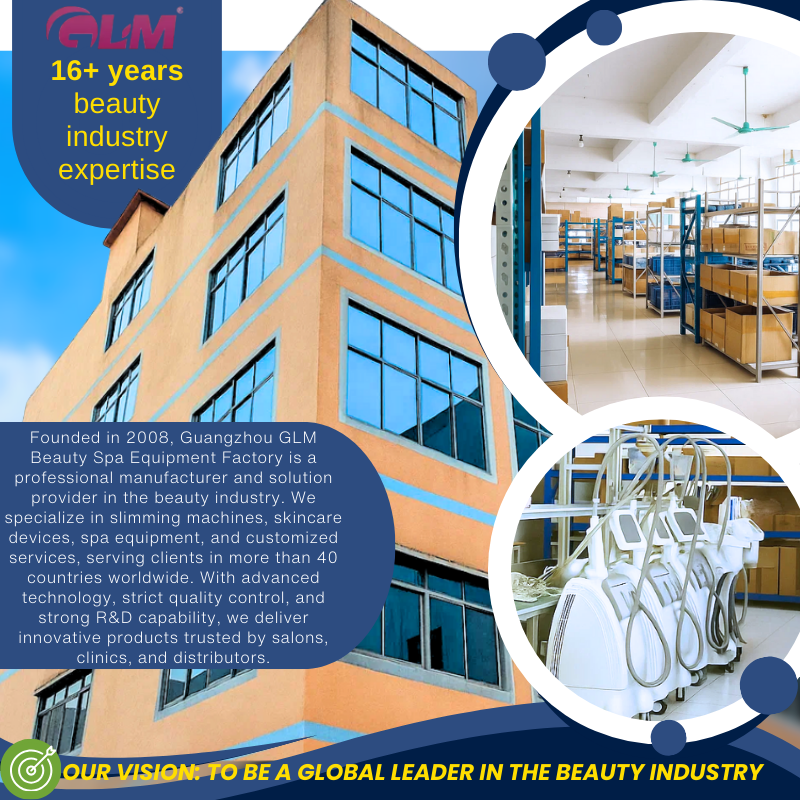
Founded in 2008, Guangzhou GLM Beauty Spa Equipment Factory specializes in research, development, manufacture and selling of beauty and slimming machines. Our production base is located in Guangzhou City, Guangdong Province, China. Since our foundation, we have introduced advanced technologies and equipment, to assure high quality and high performance of our products. With professional marketing guide and excellent after-sales service, our products have been exported to over 20 countries and regions, including Southeast Asia, the Middle East, Europe and the United States, won worldwide praises and gained a good reputation