1. Introduction
In professional aesthetics, successful treatments begin long before the first device touches the skin. Whether a client is receiving a hydrafacial, radiofrequency skin tightening, LED phototherapy, ultrasonic skin treatment, or other non-invasive aesthetic procedures, proper skin preparation plays an essential role in treatment quality and client satisfaction.
In 2026, professional skin preparation is becoming an increasingly important part of modern aesthetic practice. Clients are looking beyond individual treatments and paying more attention to overall skin health, treatment comfort, and long-term results. As a result, beauty clinics and professional skin care centers are placing greater emphasis on three fundamental steps: deep cleansing, effective hydration, and skin barrier protection.
These steps are not simply additional skincare services. They help professionals assess the skin's condition, remove surface impurities, improve skin comfort, and create a more suitable starting point for subsequent treatments.
Professional beauty equipment makes this process more structured and efficient. Technologies such as hydrodermabrasion, ultrasonic cleansing, oxygen infusion, and LED light therapy allow practitioners to incorporate controlled, technology-assisted preparation into customized treatment protocols.
Understanding how these technologies work can help aesthetic professionals improve treatment consistency, enhance the client experience, and build more comprehensive service programs.
2. Background: Why Skin Preparation Matters Before Aesthetic Treatments
The skin is constantly exposed to environmental pollutants, excess sebum, dead skin cells, cosmetic residues, and other external factors. Over time, these substances can accumulate on the skin surface, contributing to congestion, uneven texture, and a dull appearance.
At the same time, excessive cleansing, inappropriate exfoliation, and aggressive treatment combinations may compromise the skin barrier. When the barrier is weakened, the skin can become more sensitive, dry, uncomfortable, or reactive.
This creates a challenge for professional aesthetic practitioners: the skin must be adequately prepared without being overtreated.
For example, performing an exfoliating procedure on already irritated skin may increase discomfort. Similarly, combining multiple intensive treatments without considering hydration and barrier condition may negatively affect the client's experience.
Three common preparation problems deserve particular attention:
Insufficient cleansing: Residual makeup, sunscreen, excess oil, and surface impurities may interfere with the consistency of subsequent skincare procedures.
Inadequate hydration: Dehydrated skin may feel tight and uncomfortable, making certain aesthetic procedures less pleasant. Hydration also supports the skin's normal barrier functions.
Compromised skin barrier: Excessive exfoliation, harsh products, and unsuitable treatment parameters may increase skin sensitivity and reduce treatment tolerance.
Professional skin preparation addresses these concerns through a systematic approach. Rather than applying the same routine to every client, practitioners should first evaluate skin condition, treatment objectives, sensitivity, and relevant contraindications.
The goal is not to make every skin type look or feel identical. It is to establish an appropriate starting condition for each individual treatment.
3. Technology and Mechanisms: Three Essential Steps in Professional Skin Preparation
3.1 Deep Cleansing: Removing Surface Impurities with Professional Equipment
Cleansing is the foundation of an effective aesthetic treatment protocol. However, traditional manual cleansing may not always provide the consistency or efficiency required in a busy professional environment.
Professional hydrodermabrasion and ultrasonic skin scrubber devices offer technology-assisted approaches to surface cleansing.
Hydrodermabrasion Technology
Hydrodermabrasion systems combine liquid delivery, controlled suction, and specialized treatment tips to help remove surface debris and excess sebum while cleansing the skin.
Depending on the device configuration and treatment protocol, the system can also deliver suitable cleansing or hydrating solutions during the procedure.
For professional skin care centers, this technology offers several practical advantages:
-
Helps remove surface impurities and accumulated sebum.
-
Supports a more consistent cleansing procedure.
-
Combines cleansing and solution application in one treatment process.
-
Allows practitioners to adjust treatment intensity according to skin condition and device specifications.
Hydrodermabrasion is particularly useful in professional facial treatments designed for clients with congested skin, uneven texture, or a dull appearance. However, suction intensity and exfoliation levels should be adjusted carefully, especially for sensitive or compromised skin.
Ultrasonic Skin Scrubber Technology
Ultrasonic skin scrubbers use high-frequency mechanical vibrations to assist with the removal of surface debris and loosened dead skin cells.
When used with an appropriate amount of water or a suitable conductive solution, the treatment tip moves across the skin to support surface cleansing.
Compared with manual extraction, ultrasonic cleansing can offer a more controlled and standardized approach when operated correctly.
It is commonly incorporated into facial cleansing programs for clients who want to improve skin cleanliness without relying exclusively on aggressive manual techniques.
The key is appropriate application. More intensive cleansing does not automatically produce better results. Professional operators should consider skin sensitivity, treatment frequency, and the condition of the skin before selecting a cleansing method.
3.2 Hydration: Supporting Skin Comfort and Treatment Readiness
After cleansing, hydration becomes the next important consideration.
The skin's outermost layer, the stratum corneum, plays a major role in maintaining moisture balance. When this layer lacks sufficient water or its protective lipid structure is disrupted, the skin may become dry, tight, and more sensitive.
Professional hydration treatments aim to support skin moisture and improve surface comfort.
Oxygen Infusion Technology
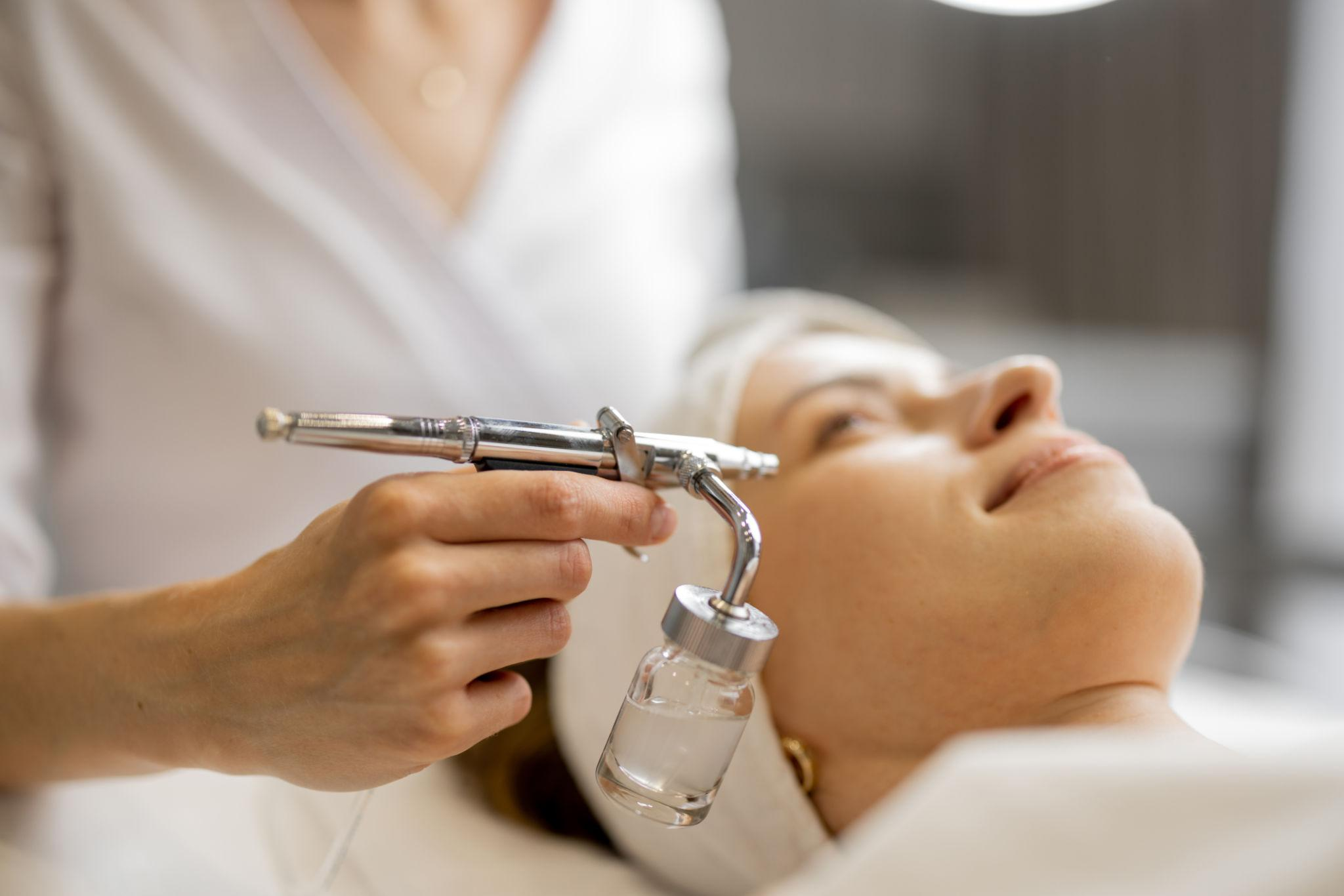
Oxygen infusion devices are used in some professional facial protocols to apply water-based or cosmetic solutions to the skin through specialized applicators.
Depending on the equipment design, these systems may support the delivery of hydrating formulations and help improve the overall treatment experience.
For professional clinics, oxygen infusion can be incorporated into facial hydration programs, particularly after appropriate cleansing.
The value of this technology is not that oxygen automatically penetrates deeply into the skin or guarantees better absorption. Instead, the device provides a convenient, standardized method of applying selected skincare formulations.
Hydrodermabrasion with Hydrating Solutions
Some multifunction facial machines integrate cleansing and solution application within a single platform.
This allows practitioners to move from surface cleansing to a hydration-focused step without changing to an entirely separate treatment system.
Commonly used cosmetic ingredients in professional hydration protocols include:
-
Hyaluronic acid: Helps attract and retain water in the skin's surface layers.
-
Glycerin: Acts as a humectant that supports moisture retention.
-
Panthenol: Helps condition the skin and support skin comfort.
-
Ceramides: Help reinforce the skin's protective lipid barrier.
The selection of products should depend on the client's skin condition and the manufacturer's instructions for the device.
Hydration is particularly relevant before treatments that may temporarily leave the skin feeling dry or tight. Nevertheless, it should not be assumed that every aesthetic procedure requires the same preparation sequence.
3.3 Skin Barrier Protection: Preparing the Skin Without Overprocessing
Skin barrier protection is one of the most important considerations in modern professional skincare.
The skin barrier is often described as a protective structure that helps reduce excessive water loss and protects the skin against external irritants. Its function depends partly on the organization of corneocytes and intercellular lipids, including ceramides, cholesterol, and fatty acids.
When the barrier is disrupted, the skin may experience increased transepidermal water loss, dryness, redness, and sensitivity.
Professional practitioners should therefore consider barrier condition before selecting any exfoliating, thermal, mechanical, or energy-based procedure.
LED Light Therapy
LED light therapy uses specific wavelengths of light as part of professional skin management programs.
Red-light LED systems are commonly used in aesthetic settings for skin appearance and rejuvenation-focused protocols, while blue-light systems are often incorporated into programs targeting blemish-prone skin.
The actual effects depend on wavelength, irradiance, exposure time, treatment frequency, and device specifications.
LED therapy is not a replacement for barrier repair products or appropriate clinical care. However, when used according to the equipment manufacturer's instructions, it can be incorporated into selected professional facial programs.
Barrier-Supporting Skincare
Technology should work alongside appropriate skincare formulations rather than replace them.
After cleansing or exfoliation, professionals may select gentle, fragrance-conscious formulations containing moisturizing and barrier-supporting ingredients.
For clients with sensitive or compromised skin, reducing treatment intensity and avoiding unnecessary exfoliation may be more beneficial than adding additional procedures.
The guiding principle is simple: professional skin preparation should improve treatment readiness without unnecessarily disturbing the skin's natural protective structure.
4. Advantages and Comparison: Professional Equipment vs. Traditional Home Preparation
Both home skincare and professional skin preparation have important roles. However, they serve different purposes and offer different levels of treatment customization.
More Controlled Treatment Procedures
Professional devices are designed to deliver specific functions through defined operating parameters. Practitioners can select suitable treatment tips, solution types, suction levels, and operating modes according to equipment specifications and individual skin conditions.
This creates a more structured workflow than relying entirely on manual cleansing and general skincare products.
Multifunctional Treatment Efficiency
Multifunction facial machines may integrate hydrodermabrasion, ultrasonic cleansing, oxygen infusion, and other functions into one platform.
For beauty salons and skin care centers, this can simplify treatment transitions, reduce the need for multiple separate devices, and support a broader range of facial service packages.
It also gives practitioners greater flexibility when designing customized treatment programs.
Professional Assessment and Personalization
Home devices generally operate within simpler treatment settings and are designed for individual consumer use.
Professional equipment, by contrast, is intended for trained operators who can evaluate skin condition, understand device parameters, and modify treatment procedures when appropriate.
This distinction is important because sensitive, dehydrated, acne-prone, and mature skin may require different preparation strategies.
A More Complete Client Experience
Professional skin preparation can transform a basic cleansing appointment into a more comprehensive facial service.
A structured combination of cleansing, hydration, and appropriate finishing care allows clinics to provide a more consistent experience while creating opportunities for customized treatment packages and repeat appointments.
However, professional equipment does not automatically guarantee superior outcomes. Results depend on correct operation, suitable products, equipment quality, practitioner training, and appropriate client selection.
5. Applications and Client Needs: Building Professional Skin Preparation Protocols
Different clients have different skin concerns. A successful professional protocol should reflect these differences rather than follow a fixed sequence for everyone.
For Clients with Oily and Congested Skin
Clients experiencing excess sebum, visible blackheads, or rough skin texture may benefit from carefully selected cleansing procedures.
Hydrodermabrasion and ultrasonic skin scrubbers can be incorporated into cleansing-focused facial programs.
Practitioners should avoid excessive suction or aggressive exfoliation, particularly when active inflammation or irritation is present.
For Clients with Dry and Dehydrated Skin
These clients generally benefit from gentle cleansing and hydration-focused procedures.
Hydrating solutions, oxygen infusion applications, and barrier-supporting skincare products can help improve surface moisture and comfort.
Strong exfoliation should be avoided when the skin is already dry, irritated, or visibly compromised.
For Clients with Sensitive Skin
Sensitive skin requires a more conservative approach.
Before treatment, practitioners should assess redness, dryness, discomfort, recent exfoliation, and possible signs of barrier disruption.
Gentle cleansing, minimal friction, and suitable moisturizing formulations are generally more appropriate than intensive mechanical procedures.
When the skin shows significant irritation or an unexplained reaction, treatment should be postponed until the condition has been appropriately assessed.
Before Energy-Based Aesthetic Treatments
Skin preparation is also relevant before procedures involving radiofrequency, ultrasound, LED, and other energy-based technologies.
For example, radiofrequency procedures generally require appropriate skin contact and a compatible coupling medium according to the manufacturer's instructions.
Ultrasound treatments may also require specific conductive media to support proper energy transmission.
However, there is no universal preparation protocol for all energy-based treatments. Practitioners must follow the device-specific instructions, assess contraindications, and avoid combining procedures simply because multiple technologies are available.
For clinics operating multifunction aesthetic equipment, this makes standardized preparation protocols particularly valuable.
For Professional Beauty Businesses
From a business perspective, skin preparation creates opportunities to develop structured facial service packages.
A clinic might offer a cleansing-focused facial, a hydration-focused program, or a customized pre-treatment preparation service.
Multifunction facial equipment can support these services by combining several complementary technologies in one treatment platform.
For manufacturers and distributors, equipment versatility, adjustable parameters, clear operating instructions, and reliable after-sales support are important factors when serving professional aesthetic businesses.
6. Conclusion: Better Preparation Builds Better Professional Treatment Experiences
In 2026, professional skin preparation is becoming more than a preliminary step in aesthetic procedures. It is an important part of treatment planning, client management, and overall service quality.
Deep cleansing helps remove surface impurities. Hydration supports skin moisture and comfort. Barrier protection helps practitioners avoid unnecessary irritation and prepare the skin according to its individual condition.
Professional technologies such as hydrodermabrasion, ultrasonic cleansing, oxygen infusion, and LED light therapy provide additional options for integrating these steps into structured facial treatment programs.
For beauty salons, aesthetic clinics, and professional skin care centers, the real value of these technologies lies in their ability to support consistent procedures, customized services, and more efficient workflows.
Ultimately, better aesthetic results do not come from using more devices or performing more intensive treatments. They begin with understanding the skin, choosing appropriate technologies, and preparing each client carefully.
Professional skin preparation is not simply the beginning of a treatment. It is the foundation of a more responsible, consistent, and client-focused aesthetic practice
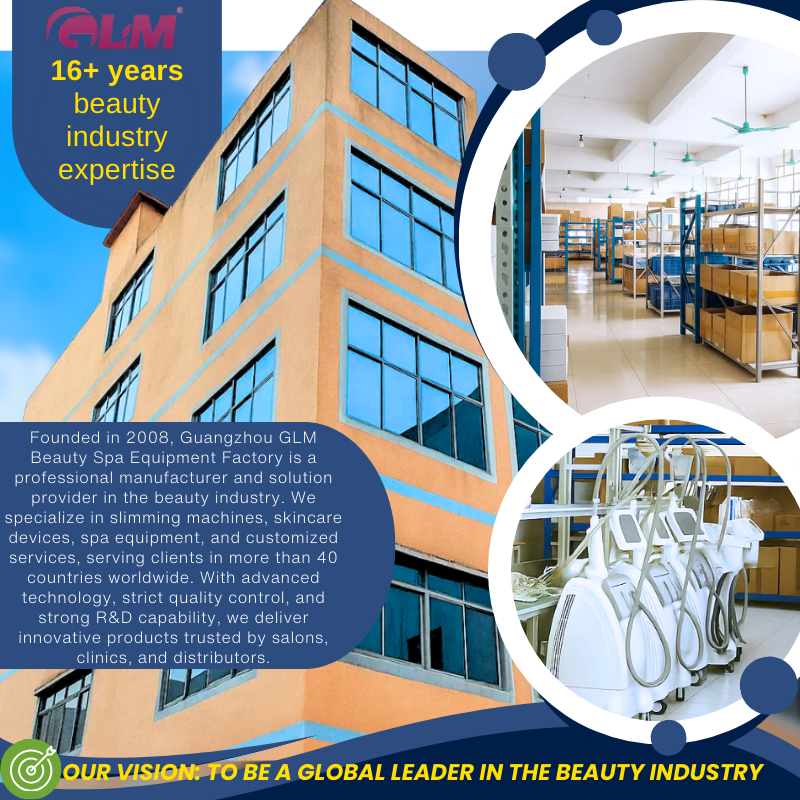
Founded in 2008, Guangzhou GLM Beauty Spa Equipment Factory specializes in research, development, manufacture and selling of beauty and slimming machines. Our production base is located in Guangzhou City, Guangdong Province, China. Since our foundation, we have introduced advanced technologies and equipment, to assure high quality and high performance of our products. With professional marketing guide and excellent after-sales service, our products have been exported to over 20 countries and regions, including Southeast Asia, the Middle East, Europe and the United States, won worldwide praises and gained a good reputation