RF Microneedle Machine for Sale: The Ultimate Guide to Selecting Premium Equipment for Your Aesthetic Practice
As the demand for minimally invasive, high-impact aesthetic treatments continues to surge, integrating an RF microneedle machine into your clinic or spa can be a transformative decision. However, navigating the saturated market requires a strategic approach to ensure you invest in a device that aligns with your clinical goals, client expectations, and business objectives. This expanded guide provides an in-depth analysis of RF microneedling technology, machine types, critical features, purchasing considerations, and post-sale support—equipping you to make an informed, forward-thinking decision.
I. Introduction: The Rise of RF Microneedling in Aesthetic Medicine
A. The Science Behind RF Microneedling
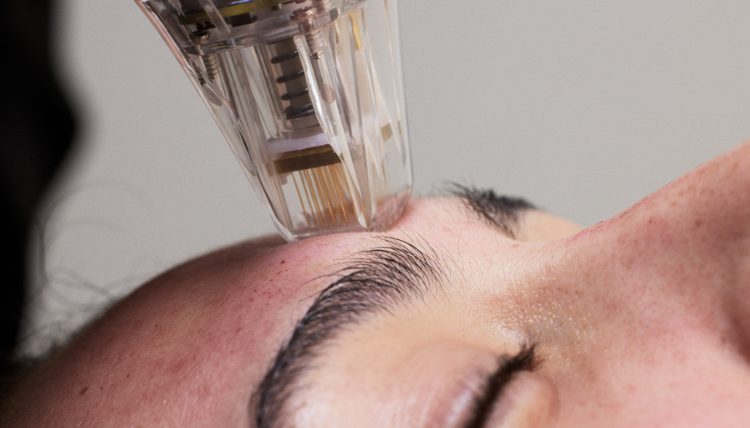
RF microneedling is a synergistic treatment that combines two powerful modalities:
- Microneedling: Creates controlled micro-injuries in the epidermis and dermis, triggering the body’s natural wound-healing response.
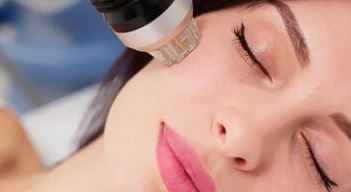
- Radiofrequency (RF) Energy: Delivers thermal energy to the deeper dermal layers, stimulating collagen and elastin production without damaging the epidermis.
This dual-action approach enhances skin texture, reduces wrinkles, tightens sagging skin, and improves scars—all with minimal downtime compared to surgical alternatives.
B. Market Trends Driving Demand
- Client Preferences: Growing demand for non-surgical, lunchtime procedures with visible results.
- Clinical Efficacy: RF microneedling outperforms traditional microneedling in treating acne scars, stretch marks, and skin laxity.
- Revenue Potential: High client retention rates and repeat treatments (e.g., 3–4 sessions spaced 4–6 weeks apart) ensure steady revenue streams.
C. The Stakes of Choosing the Right Device
Your RF microneedle machine is not just a tool—it’s a cornerstone of your practice. A suboptimal device can lead to:
- Poor treatment outcomes (e.g., uneven heating, inconsistent needle depth).
- Increased client discomfort or downtime.
- Higher operational costs due to frequent repairs or consumable replacements.
- Damage to your reputation in a competitive market.
II. Deep Dive into RF Microneedling Technology
A. How RF Microneedling Works
- Needle Penetration: Ultra-fine needles (typically 0.2–3.0 mm) create microchannels in the skin.
- RF Delivery: Energy is emitted at the needle tip or between electrodes, heating the dermis to 55–65°C—the optimal range for collagen remodeling.
- Healing Response: The body’s natural repair process produces new collagen and elastin, improving skin firmness and texture over time.
B. Clinical Applications and Evidence-Based Outcomes
- Skin Rejuvenation: Reduces fine lines, wrinkles, and hyperpigmentation.
- Acne Scar Treatment: Improves atrophic scars by up to 50–70% after 3–4 sessions (as per clinical studies).
- Neck and Body Tightening: Effective for crepey skin on the neck, décolletage, and abdomen.
- Stretch Marks: Enhances texture and color in striae distensae.
C. RF Microneedling vs. Traditional Microneedling & Other Modalities
| Feature | RF Microneedling | Traditional Microneedling | Laser Resurfacing |
|---|---|---|---|
| Depth of Penetration | Adjustable (0.2–3.0 mm) | Fixed (0.25–2.5 mm) | Superficial to deep |
| Thermal Effect | Yes (RF heating) | No | Yes (ablative/non-ablative) |
| Downtime | 1–3 days | 1–2 days | 5–14 days (ablative) |
| Best For | Scars, tightening, texture | Mild texture issues | Pigmentation, wrinkles |
III. Types of RF Microneedle Machines: A Comparative Analysis
A. Monopolar, Bipolar, and Multipolar Systems
- Monopolar RF:
- Mechanism: Energy flows from a single electrode to a grounding pad.
- Strength: Penetrates deepest (up to 4 mm), ideal for body tightening.
- Example: Lutronic Genius.
- Bipolar RF:
- Mechanism: Energy flows between two closely spaced electrodes.
- Strength: More superficial heating, safer for delicate areas (e.g., under-eyes).
- Example: EndyMed INTENSIF.
- Multipolar RF:
- Mechanism: Uses multiple electrodes to create overlapping energy fields.
- Strength: Uniform heating, reduces hotspots, versatile for face and body.
- Example: Venus Viva MD.
B. Fractional vs. Non-Fractional RF Microneedling
- Fractional RF Microneedling:
- Process: Treats a fraction of the skin (e.g., 10–20% coverage), leaving surrounding tissue intact for faster healing.
- Advantages: Lower risk of PIH (post-inflammatory hyperpigmentation), shorter downtime.
- Example: Secret RF by Cutera.
- Non-Fractional RF Microneedling:
- Process: Treats the entire area, useful for extensive scarring or laxity.
- Advantages: May require fewer sessions but higher downtime.
- Example: InMode Morpheus8 (offers both fractional and non-fractional modes).
C. Top Brands and Models to Evaluate
| Brand | Model | Key Features | Best For |
|---|---|---|---|
| Cynosure | Potenza | 4 RF modes (monopolar, bipolar), 1–4 MHz frequency | Versatile face/body treatments |
| Lutronic | Genius | Insulated needles, real-time impedance monitoring | Deep scar revision, body tightening |
| EndyMed | INTENSIF | 3DEEP technology, minimal epidermal damage | Delicate areas (e.g., neck, hands) |
| Cutera | Secret RF | Fractional delivery, customizable pulse duration | Acne scars, pigmentation |
IV. Critical Features to Prioritize When Selecting a Machine
A. Adjustable Parameters for Precision
- Needle Depth: 0.2–3.0 mm (adjustable in 0.1 mm increments).
- RF Energy: 10–100 W (adjustable for different skin types).
- Pulse Duration: 100–1,000 ms (controls thermal exposure).
B. Safety and Compliance Certifications
- FDA Clearance: Ensures the device meets U.S. safety standards.
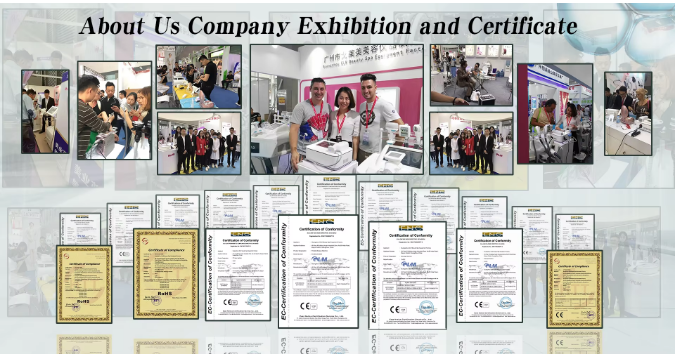
- CE Marking: Indicates compliance with EU health, safety, and environmental regulations.
- ISO 13485 Certification: Verifies quality management in medical device manufacturing.
C. Treatment Versatility
- Face and Body Applications: Ensure the device is cleared for neck, décolletage, abdomen, and thighs.
- Skin Type Compatibility: Look for machines tested on Fitzpatrick IV–VI skin to minimize PIH risk.
D. Ergonomics and User Experience
- Touchscreen Interface: Intuitive controls with preset protocols for common treatments.
- Lightweight Handpiece: Reduces operator fatigue during long procedures.
- Cooling Mechanisms: Integrated cooling to enhance patient comfort.
E. Maintenance and Longevity
- Durability: High-quality materials (e.g., medical-grade stainless steel needles).
- Consumable Costs: Compare the price of replacement needles, tips, and filters.
- Service Contracts: Opt for manufacturers offering on-site maintenance and loaner devices during repairs.
V. Strategic Considerations for Purchasing
A. Aligning with Your Practice’s Needs
- Client Volume: High-capacity machines (e.g., Cynosure Potenza) suit busy clinics, while compact devices (e.g., Secret RF) work for boutique practices.
- Treatment Focus: If scars are your primary concern, prioritize fractional systems (e.g., Lutronic Genius).
B. Budgeting and Financing
- Upfront Cost: New machines range from 150,000.
- Financing Options: Leasing, 0% APR promotions, or manufacturer-backed payment plans.
- ROI Calculation: Factor in treatment pricing (1,200 per session) and session frequency.
C. Manufacturer Support and Training
- Initial Training: Hands-on workshops, certification programs, and online modules.
- Ongoing Support: 24/7 technical assistance, software updates, and clinical webinars.
D. Warranty and Post-Sale Service
- Standard Warranty: 1–2 years on the device, 6–12 months on handpieces.
- Extended Warranties: Optional coverage for peace of mind.
- Parts Availability: Ensure consumables (e.g., needles, filters) are stocked by the manufacturer.
VI. Evaluating Machines: A Step-by-Step Approach
A. In-Clinic Demonstrations and Trials
- Observe: Treatment workflow, patient comfort, and immediate results.
- Test: Operate the device yourself to assess ergonomics and interface.
B. Peer Reviews and Case Studies
- Online Forums: Join groups like the Aesthetic Society or RealSelf for practitioner insights.
- Manufacturer References: Request contact info for existing clients to discuss their experiences.
C. Patient Feedback and Comfort
- Pain Management: Look for machines with vibratory anesthesia or topical numbing compatibility.
- Downtime: Evaluate post-treatment erythema, edema, and recovery time.
VII. Where to Purchase RF Microneedle Machines
A. Authorized Distributors vs. Third-Party Sellers
- Authorized Distributors: Offer genuine products, full warranties, and manufacturer-backed support.
- Third-Party Sellers: May sell gray-market devices with limited or void warranties.
B. New vs. Refurbished Devices
- New Machines: Latest technology, full warranty, and manufacturer training.
- Refurbished Devices: 30–50% cheaper but ensure they are certified, come with a warranty, and have a documented service history.
C. Essential Questions to Ask Sellers
- Is the device FDA-cleared/CE-marked for my intended use?
- What is the warranty coverage, and what parts are excluded?
- Does training include in-person sessions and ongoing support?
- How quickly can replacement parts be shipped?
GLM is a specialized beauty instrument factory that produces instruments for a variety of functions, including weight loss devices. We have vacuum negative press, radio frequency fat blasting equipment, frozen fat dissolving machine and EMS body shaping machine. GLM is a 14 year old supplier of beauty instruments with guaranteed quality.https://gdglmbeauty.com/