Revolutionizing Weight Loss with Red and Near Infra-Red Light
Introduction
In our constant search for effective weight loss methods, groundbreaking findings about red and near infra-red light have emerged. These lights have shown remarkable potential in revolutionizing weight loss strategies, offering game-changing results. This article explores the connection between red and near infra-red light therapy and weight loss, highlighting the benefits and providing practical tips to incorporate them into your weight loss routine.
Understanding Red and Near Infra-Red Light
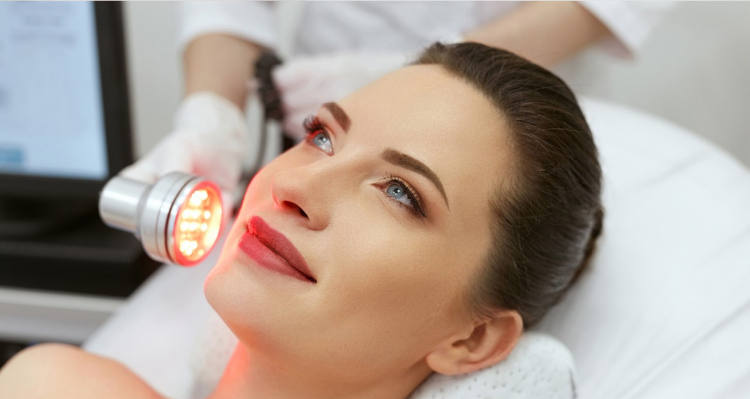
Delving deeper into the realm of red and near-infrared light, it becomes evident that these forms of light are not merely fleeting phenomena but potent agents of biological influence. Let us explore their unique attributes and mechanisms of interaction with our bodies in greater detail.
Understanding the Electromagnetic Spectrum
At the heart of this discussion lies the electromagnetic spectrum, a vast continuum of energy that encompasses everything from radio waves to gamma rays. Within this vast array, visible light occupies a narrow band, while red and near-infrared light represent specific segments of this visible and slightly beyond-visible range.
Red Light: The Warmth of the Spectrum
Red light, with its wavelengths spanning approximately 620 to 700 nanometers, is the longest wavelength within the visible light spectrum. It is characterized by its warm, inviting hue and its ability to penetrate the skin more deeply than shorter wavelengths like blue or violet light. This deeper penetration is crucial as it allows red light to interact with cellular structures located beneath the epidermis, initiating a series of biochemical reactions.
Near-Infrared Light: Beyond the Visible Realm
Extending just beyond the visible spectrum, near-infrared light occupies the range between 700 and 1000 nanometers. Though invisible to the naked eye, its effects on the body are no less profound. With even greater penetration capabilities than red light, near-infrared wavelengths can reach deep into tissues and organs, stimulating metabolic processes and enhancing cellular function.
Penetration and Cellular Activation
One of the key distinguishing features of red and near-infrared light is their ability to penetrate the skin and reach cellular structures beneath. Unlike ultraviolet (UV) light, which primarily affects the surface layers of the skin, these wavelengths bypass the epidermis to interact directly with cells in the dermis and beyond.
Upon reaching these cells, red and near-infrared light trigger a cascade of positive biological responses. They stimulate mitochondria, the energy-producing factories within cells, leading to increased ATP (adenosine triphosphate) production. This, in turn, boosts cellular metabolism and enhances overall cellular function.
Triggering Biochemical Cascades
Furthermore, these light wavelengths have been shown to upregulate the expression of certain genes and proteins that play crucial roles in tissue repair, inflammation reduction, and even weight management. For instance, they can increase the production of nitric oxide, a molecule that enhances blood flow and promotes nutrient delivery to cells. This, in conjunction with other cellular processes activated by the light, creates an environment conducive to healthy weight loss and overall wellness.
The Link Between Red and Near Infra-Red Light and Weight Loss
Metabolic Rate Enhancement
One of the primary mechanisms through which red and near-infrared light therapy may aid in weight loss is by stimulating an increase in metabolic rate. By enhancing cellular metabolism, these light wavelengths encourage the body to burn more calories, even at rest. This effect is particularly noteworthy as it suggests a passive yet effective means of promoting weight loss, without the need for additional exercise or dietary restrictions.
Fat Burning and Stubborn Fat Deposits
Another key area of research has focused on the ability of red and near-infrared light to target and break down stubborn fat deposits. These lights penetrate deep into tissues, reaching adipose (fat) cells and stimulating them to release stored fat molecules. This process, known as lipolysis, is crucial for weight loss as it enables the body to utilize fat as an energy source rather than allowing it to accumulate.
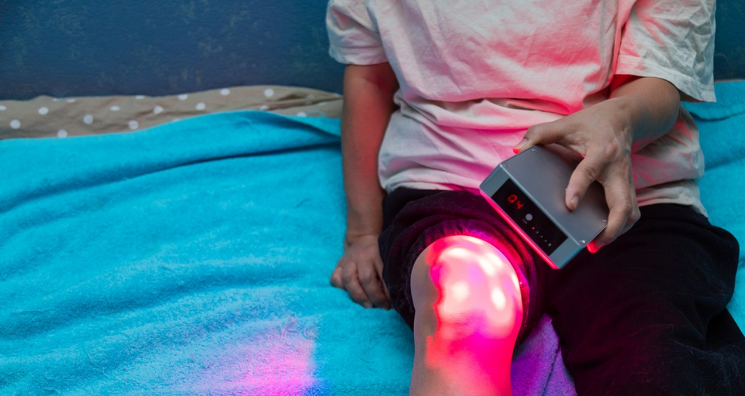
Furthermore, when applied to specific areas of the body, such as the abdomen or thighs, red and near-infrared light therapy can be highly targeted in its approach. This localized treatment can help address problem areas that are often resistant to traditional weight loss methods, making it an attractive option for individuals seeking to sculpt and tone their physique.
Appetite Control and Hormonal Regulation
Beyond its direct effects on fat metabolism, red and near-infrared light therapy may also influence weight loss by modulating appetite and hormonal balance. Some studies suggest that these light wavelengths can affect the production and release of hormones like ghrelin and leptin, which play critical roles in regulating hunger and satiety. By helping to balance these hormones, red and near-infrared light may contribute to a reduction in overall calorie intake, further supporting weight loss efforts.
Evidence from Scientific Studies
The scientific community has begun to accumulate evidence supporting the weight loss benefits of red and near-infrared light therapy. For instance, the study published in the Journal of Obesity highlights the significant reductions in waist circumference and body fat percentage observed among overweight participants who underwent this type of therapy. Similarly, the research in the International Journal of Endocrinology underscores the potential of red light exposure to enhance fat metabolism, thereby facilitating weight loss.
The Benefits of Red and Near Infra-Red Light for Weight Loss
The benefits of incorporating red and near infra-red light into your weight loss routine are numerous. Firstly, these lights can increase energy production within cells, leading to improved overall energy levels and enhanced exercise performance.
Additionally, red and near infra-red light therapy can improve blood circulation, ensuring that essential nutrients are delivered to cells more efficiently. This not only enhances overall health but also supports the body's ability to burn fat effectively.
Furthermore, these lights have been found to reduce inflammation and promote cellular regeneration, which can aid in recovery after exercise and help prevent injuries.
How to Incorporate Red and Near Infra-Red Light into Your Weight Loss Routine
If you're interested in harnessing the power of red and near infra-red light for weight loss, there are several options available. Light therapy devices, such as LED panels or handheld devices, are readily available for home use. These devices emit red and near infra-red light and can be used on specific body areas to target fat deposits.
Another option is to visit specialized clinics that offer red and near infra-red light therapy sessions. These clinics have advanced equipment that can deliver precise and controlled doses of light to maximize results.
For optimal and safe results, it's recommended to consult with a healthcare professional or a light therapy specialist who can provide guidance tailored to your specific needs.
Success Stories and Testimonials
Countless individuals have already experienced transformative weight loss results through the use of red and near infra-red light therapy. Vanessa, a 38-year-old mother of two, struggled with stubborn belly fat for years. After incorporating red light therapy into her routine, she noticed a significant reduction in waist circumference and increased tone in her abdominal area.
Similarly, Mark, a 45-year-old fitness enthusiast, used near infra-red light therapy to accelerate muscle recovery and support his weight loss goals. The therapy helped him achieve more significant fat loss and improved muscle definition.
These success stories and many others reinforce the potential of red and near infra-red light therapy when it comes to weight loss.
Potential Risks and Precautions
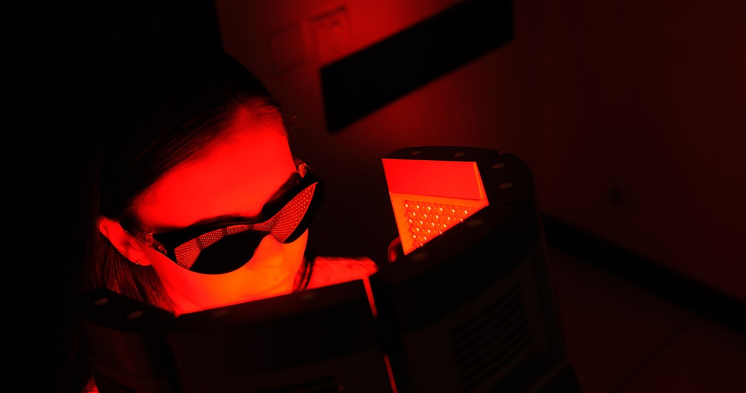
While red and near infra-red light therapy is generally considered safe, there are a few precautions to keep in mind. First, it is vital to protect the eyes during treatment, as prolonged exposure to these lights can potentially harm the retina.
Eye Protection
One of the primary concerns associated with red and near-infrared light therapy is the potential harm to the eyes. The retina, the light-sensitive tissue lining the inner surface of the eye, is particularly vulnerable to damage from prolonged exposure to these intense light wavelengths. Therefore, it is absolutely crucial to wear protective eyewear, such as specialized goggles or shields, during all treatment sessions. This will prevent the light from reaching the eyes and minimize the risk of any adverse effects.
Medical Conditions and Consultation
Another important consideration is the potential interaction of red and near-infrared light therapy with existing medical conditions. Individuals with photosensitivity disorders, such as lupus or certain skin conditions that make them more susceptible to light-induced reactions, should be cautious about undergoing this type of therapy. Similarly, active skin infections or wounds may also be aggravated by the treatment, necessitating a temporary halt or modification of the therapy plan.
Given these potential concerns, it is highly recommended that anyone interested in red and near-infrared light therapy consult with a healthcare professional beforehand. A qualified doctor or therapist can assess your individual health status, review your medical history, and provide personalized guidance on whether the therapy is suitable for you. They can also advise on any necessary adjustments to the treatment protocol to ensure your safety and maximize its effectiveness.
Additional Precautions
In addition to the above-mentioned precautions, there are a few general guidelines to follow when undergoing red and near-infrared light therapy:
- Avoid Overexposure: Prolonged or excessive exposure to the lights can potentially lead to skin irritation or other adverse effects. Therefore, it's important to follow the recommended treatment duration and frequency as prescribed by your healthcare provider.
- Hydration: Ensuring adequate hydration before, during, and after treatment sessions can help support your body's natural detoxification processes and minimize any potential side effects.
- Healthy Lifestyle: Combining red and near-infrared light therapy with a healthy diet and regular exercise can further enhance its weight loss benefits and overall wellness effects.
By taking these precautions and following the guidance of a healthcare professional, you can safely incorporate red and near-infrared light therapy into your weight loss journey and reap its potential benefits.
Conclusion
Red and near infra-red light therapy have emerged as game-changers in the realm of weight loss. With their ability to enhance metabolic function, promote fat burning, and improve overall well-being, they offer a new and exciting approach to achieving weight loss goals. By incorporating red and near infra-red light therapy into your weight loss routine, you may experience a significant transformation in your results. Consult with a professional, explore available options, and embark on your journey to a healthier, happier you.