Introduction
The beauty and wellness industry is moving toward technologies that deliver visible aesthetic benefits without relying on aggressive procedures. Clients increasingly want treatments that are comfortable, require little or no downtime, and can be integrated into professional body-contouring and wellness programs. This shift has created growing interest in non-thermal laser therapy, low-level laser therapy (LLLT), and photobiomodulation (PBM).
Unlike conventional energy-based treatments that intentionally heat or cool tissue, non-thermal light therapy uses carefully controlled low-intensity light to influence biological activity without producing a significant thermal effect. Research has proposed that red and near-infrared wavelengths can interact with cellular photoacceptors, particularly mitochondrial cytochrome c oxidase, potentially influencing ATP production, reactive oxygen species signaling, and other cellular pathways.
For professional beauty salons, aesthetic clinics, and wellness centers, this technology represents more than another light-based treatment. It offers a platform for developing comfortable body-contouring programs around targeted areas such as the abdomen, waist, hips, thighs, and upper arms.
At the same time, professional operators should understand an important distinction: non-thermal laser therapy is primarily a body-contouring and aesthetic technology, not a substitute for weight-loss treatment. The goal is generally to support the appearance of localized body areas rather than to treat obesity or produce systemic weight loss.
Background / Problem
Traditional body-contouring technologies can involve different physical mechanisms. Radiofrequency systems create controlled tissue heating, cryolipolysis uses cooling, and some ultrasound technologies use mechanical or thermal effects. These technologies can be valuable, but not every client wants a treatment associated with strong temperature changes, intensive sensation, or extended treatment protocols.
This is where non-thermal laser therapy has attracted attention.
The basic concept is relatively simple: deliver a controlled amount of light energy to a targeted area and allow the tissue to respond through photobiological rather than primarily thermal mechanisms. The treatment does not depend on heating the skin to high temperatures. According to the U.S. Food and Drug Administration, low-level light therapy for body contouring uses very low doses of light that do not heat the skin or fat, and photobiomodulation may temporarily reduce circumference in treated areas.
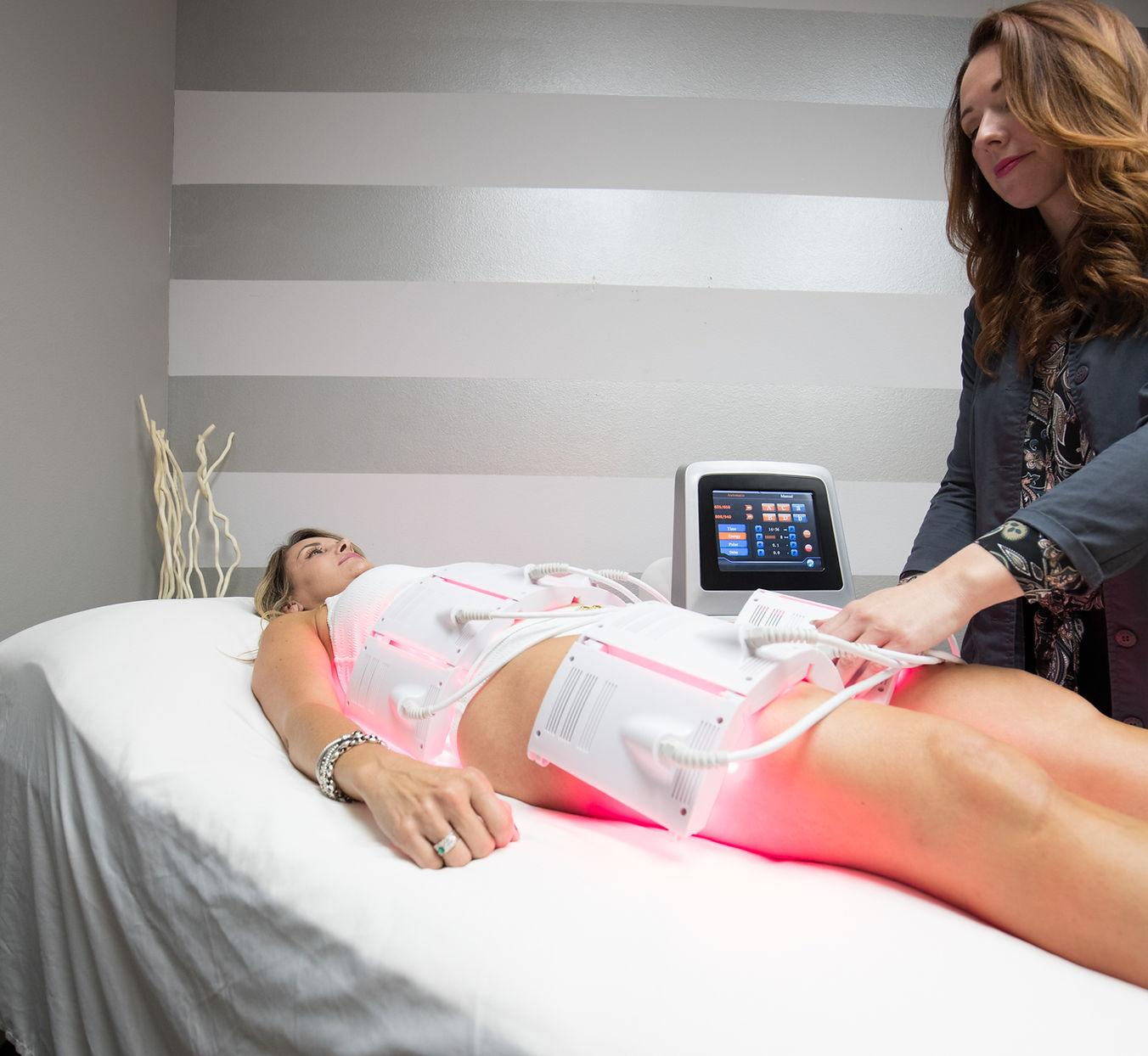
For a modern aesthetic clinic, this creates an opportunity to build a different type of treatment experience. A client can remain comfortably positioned while applicators are placed over selected areas. The practitioner can then control parameters such as wavelength, treatment time, intensity, and treatment area according to the device design and the intended application.
The appeal is particularly strong for clients who are already maintaining a healthy lifestyle but remain concerned about localized areas of unwanted fullness. Instead of presenting the treatment as a replacement for diet or exercise, professional providers can position it as one component of a broader body-contouring strategy.
It is also important to keep expectations realistic. Research on photobiomodulation and localized fat reduction is not completely uniform. Some clinical studies have reported reductions in circumference or adipose measurements, while other research has failed to demonstrate significant local fat reduction with certain LLLT protocols. A 2022 integrative review also concluded that the effects of PBM alone on lipid profiles remained unclear and that treatment parameters varied substantially between studies.
This is why device quality, treatment parameters, operator training, and appropriate client selection matter.
Technology / Mechanism
1. From Light Energy to Cellular Signaling
Photobiomodulation is generally associated with red and near-infrared wavelengths. Reviews describe PBM as a non-invasive technique using relatively low-power visible or near-infrared light. One of the most widely studied proposed mechanisms involves mitochondrial cytochrome c oxidase, an enzyme within the electron transport chain.
Mitochondria are often described as the energy-producing structures of cells because they participate in generating adenosine triphosphate, or ATP. ATP provides usable cellular energy for many biological processes.
The proposed PBM pathway can be simplified into four stages:
Light → cellular photoacceptor → mitochondrial signaling → downstream cellular response
When appropriate wavelengths reach target tissue, photons may interact with photoacceptive molecules. Cytochrome c oxidase has been proposed as one important target. This interaction may influence mitochondrial respiration, ATP production, reactive oxygen species signaling, nitric oxide-related pathways, and calcium signaling.
However, the scientific community continues to investigate exactly how these effects occur in living human tissue. Some reviews have challenged the strength of the evidence supporting cytochrome c oxidase as the sole or primary mechanism. Therefore, professional marketing should describe mitochondrial activation as a proposed and researched mechanism rather than an absolute guarantee.
2. Why Mitochondria Matter for Aesthetic Technology
From a beauty-device perspective, mitochondrial function is interesting because cellular energy availability is connected to numerous biological processes.
When cells receive an appropriate photobiomodulation stimulus, research suggests that changes in ATP, reactive oxygen species, calcium, and other signaling molecules may influence cellular activity. Recent reviews continue to investigate PBM's effects on mitochondrial dynamics and cellular signaling.
This provides a scientific foundation for positioning non-thermal laser systems as more than simple “red light” devices. The engineering objective is not merely to illuminate the skin. It is to deliver a controlled optical dose to a selected treatment area in a repeatable and professionally managed manner.
3. How Fat Reduction Enters the Picture
Body-contouring applications are particularly interesting because low-level laser systems have been developed specifically for aesthetic reduction of localized fat layers.
FDA records describe low-level laser systems for aesthetic use as non-invasive devices intended for reduction of the fat layer for body contouring. Some device classifications describe the intended mechanism as creating transient pores or otherwise influencing adipocyte behavior so that stored lipids can leave the cell.
Historically, clinical research has explored whether low-level laser treatment can reduce circumference measurements in areas such as the waist, hips, and thighs. One randomized controlled study reported reductions in combined circumference measurements following a short treatment course, although results across the wider literature are not entirely consistent.
For professional clinics, the more responsible message is therefore not “laser melts fat.” A better description is that specific low-level light technologies may influence adipose tissue and support localized body-contouring outcomes when used according to validated device parameters.
Advantages / Comparison
Non-thermal laser therapy occupies a distinctive position among aesthetic body-contouring technologies.
Non-Thermal vs. Thermal Energy
Radiofrequency and certain infrared technologies intentionally generate heat in tissue. Heat can be useful for applications such as skin tightening and some body-contouring protocols, but it also requires careful control of temperature and treatment parameters.
Non-thermal PBM, by contrast, is designed around photobiological stimulation rather than significant tissue heating. The FDA specifically distinguishes low-level light therapy from light-based technologies that use heat to affect tissue.
This difference can be valuable when designing treatment menus. A clinic may use thermal technologies when controlled heating is desired and non-thermal light technology when a gentler photobiomodulation-based approach is more appropriate.
Non-Thermal Laser vs. Home Devices
Professional equipment also provides advantages that are difficult to reproduce with basic consumer devices.
A professional system can be designed with multiple applicators, controlled wavelength output, adjustable treatment programs, larger coverage areas, integrated timers, treatment monitoring, and ergonomic positioning. These features help practitioners deliver a more standardized treatment experience.
For a salon or clinic, multi-applicator systems can also improve workflow. Instead of treating one small area at a time, a professional platform may cover several designated areas during a single session, depending on its configuration.
This has commercial importance. A well-designed body-contouring system can become part of a repeatable treatment program rather than a one-time beauty service.
Comfort and Client Experience
Non-thermal light treatments are attractive because they generally do not rely on needles, incisions, or aggressive tissue disruption. Many clients can relax during the session, making the technology suitable for wellness-oriented environments.
However, “non-thermal” should not be interpreted as “risk-free.” Light-based procedures can present eye-safety considerations, and the FDA advises appropriate eye protection for light-based body-contouring procedures. Certain medical conditions, medications, implants, pregnancy, photosensitivity, active infections, and other factors may make PBM inappropriate. Professional screening and adherence to the device manufacturer's instructions remain essential.
Applications / Client Needs
1. Localized Body Contouring
The most obvious professional application is localized body contouring.
Common treatment areas may include:
- Abdomen
- Waist
- Hips
- Thighs
- Upper arms
- Other manufacturer-approved body areas
The focus should be on improving the appearance and circumference of selected areas rather than promising overall weight loss.
For example, a client who has already adopted a healthier lifestyle may still be dissatisfied with persistent fullness around the abdomen or hips. A professionally designed treatment plan can incorporate non-thermal laser therapy as part of a broader aesthetic body-contouring program.
2. Wellness-Oriented Treatment Programs
The technology can also fit into wellness packages that combine body contouring with lifestyle support.
A clinic could structure a program around:
Consultation → body-area assessment → non-thermal light session → lifestyle guidance → progress tracking
This approach changes the role of the machine from a standalone device into part of a professional service model.
Progress can be evaluated through standardized circumference measurements, photographs, body-composition assessments where appropriate, and client feedback. This creates a more professional experience than relying solely on subjective impressions.
3. Multi-Technology Beauty Clinics
Non-thermal laser systems can also complement other aesthetic technologies.
For example, a clinic may use PBM-based technology for a non-thermal body-contouring session and offer separate RF treatments when skin tightening is the primary objective. Other systems may combine low-level laser with vacuum, EMS, ultrasound, or other modalities.
The advantage of a professional platform is flexibility. Clinics can create treatment pathways based on individual aesthetic goals instead of forcing every client into the same technology.
This trend is already visible in the professional beauty-device market, where multi-technology body-shaping platforms increasingly combine photobiomodulation or low-level laser with other body-contouring technologies.
4. A Better Business Model for Clinics
For salon owners and aesthetic clinic managers, technology selection should be evaluated beyond technical specifications.
A professional non-thermal laser platform can potentially contribute to:
- New body-contouring service categories
- Repeat-session treatment programs
- Multi-area treatment packages
- Higher utilization of treatment rooms
- Cross-selling with other aesthetic services
- A more comfortable client experience
The most valuable equipment is not necessarily the machine with the longest list of features. It is the system that combines reliable energy delivery, practical applicator design, intuitive controls, treatment consistency, safety features, and after-sales technical support.
Conclusion
Non-thermal laser therapy represents an important direction in modern aesthetic technology because it approaches body contouring from a different angle: using controlled light energy to influence biological activity rather than relying primarily on aggressive heating, cooling, or mechanical disruption.
Its connection with mitochondrial function is one of the most researched aspects of photobiomodulation. Red and near-infrared light have been proposed to interact with cellular photoacceptors such as cytochrome c oxidase, influencing ATP, reactive oxygen species, calcium signaling, and downstream cellular pathways. At the same time, the precise biological mechanisms remain an active area of research, and clinical results for localized fat reduction vary depending on wavelength, dose, protocol, device design, and study methodology.
For professional beauty salons and aesthetic clinics, this means the opportunity is not simply to offer “laser slimming.” The greater opportunity is to build a structured, evidence-aware body-contouring service around professional light technology.
When paired with appropriate client assessment, trained operation, controlled treatment parameters, realistic expectations, and complementary aesthetic services, non-thermal laser platforms can become a valuable addition to the modern beauty-device portfolio.
The future of wellness technology is increasingly focused on treatments that are precise, comfortable, non-invasive, and easy to integrate into professional service workflows. Non-thermal laser therapy fits naturally into this evolution—bringing together light science, cellular biology, and modern aesthetic body-contouring technology
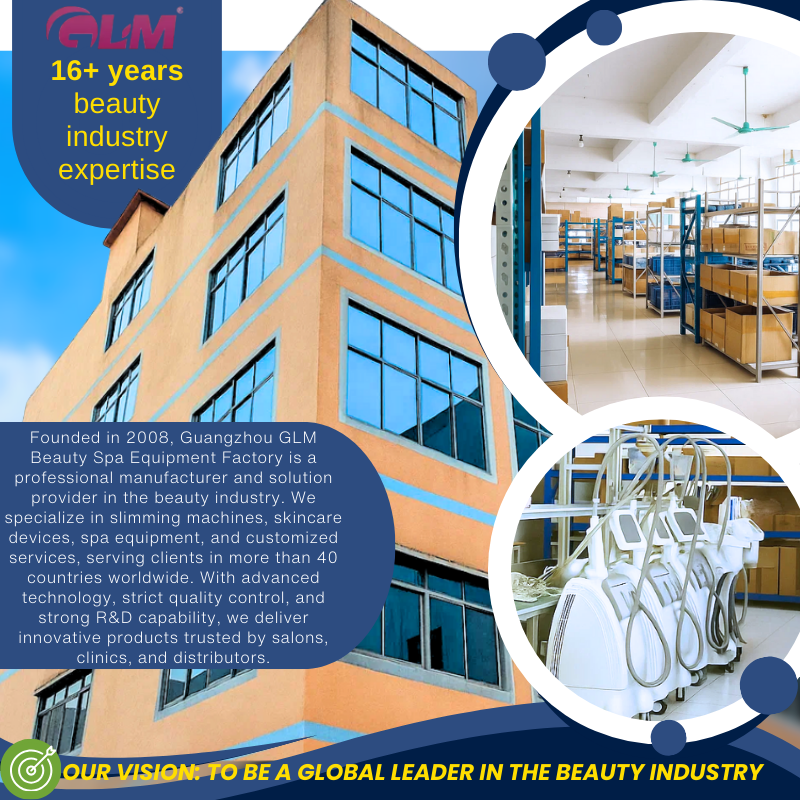
Founded in 2008, Guangzhou GLM Beauty Spa Equipment Factory specializes in research, development, manufacture and selling of beauty and slimming machines. Our production base is located in Guangzhou City, Guangdong Province, China. Since our foundation, we have introduced advanced technologies and equipment, to assure high quality and high performance of our products. With professional marketing guide and excellent after-sales service, our products have been exported to over 20 countries and regions, including Southeast Asia, the Middle East, Europe and the United States, won worldwide praises and gained a good reputation