Introduction
As the beauty and aesthetic industry continues to professionalize, skincare is no longer based solely on visual judgment or client description. Modern consumers expect treatments that are precise, personalized, and supported by measurable data. This shift has driven the rapid adoption of smart skin detection technology across professional beauty salons, dermatology clinics, and medical aesthetic centers.
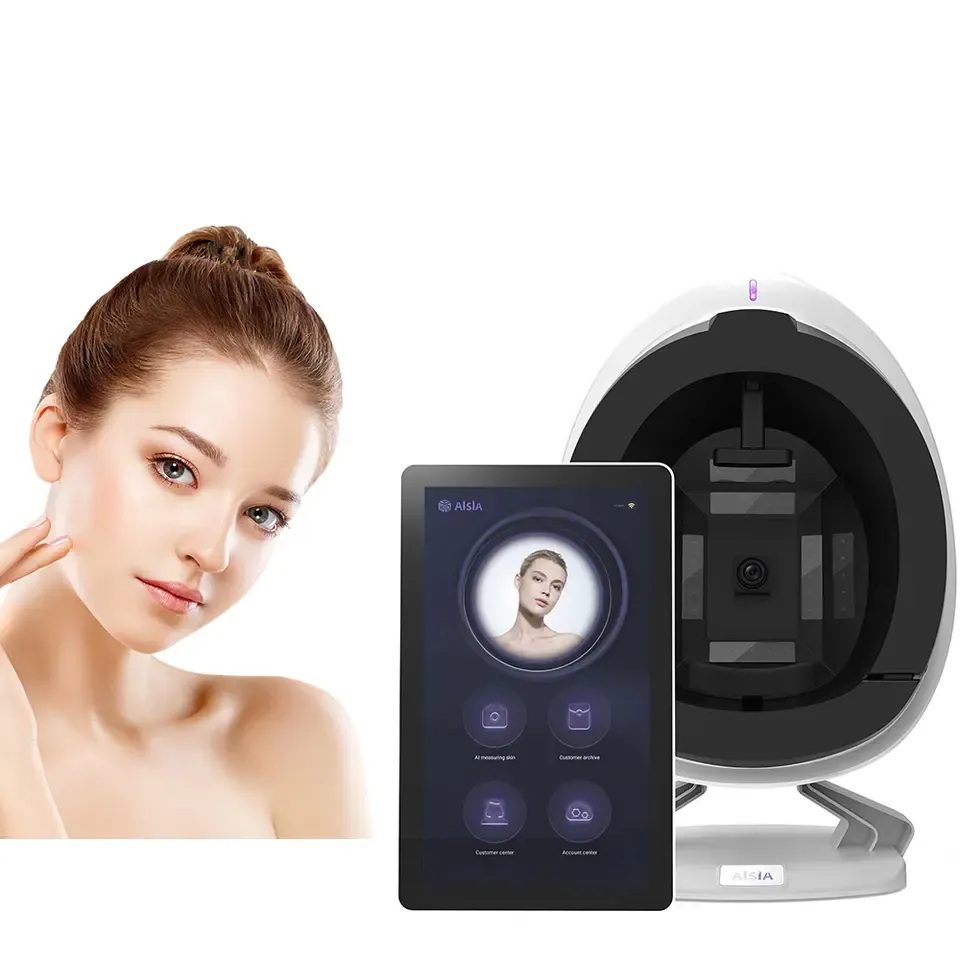
Smart skin detection systems use advanced sensors, imaging technologies, and software algorithms to evaluate the skin objectively. Instead of relying only on experience-based observation, practitioners can now assess hydration levels, oil balance, pigmentation, pore condition, wrinkles, redness, and other indicators with digital accuracy. This transforms skincare from a subjective art into a data-driven science.
For professional institutions, smart skin detection is not just a diagnostic tool—it is a strategic foundation for treatment planning, client communication, and long-term skincare management. It allows clinics to recommend appropriate devices, set realistic expectations, and track progress over time, all while enhancing credibility and client trust.
This article explains smart skin detection technology in detail, exploring the problems it solves, how it works, its advantages compared to traditional assessment methods, and why it has become an essential component of modern professional skincare systems.
Background / Problem
Traditional skin analysis has long relied on visual inspection, touch, and practitioner experience. While skilled professionals can identify many skin concerns, this approach has inherent limitations. Lighting conditions, subjective judgment, and client perception can all influence the assessment, leading to inconsistent conclusions and treatment recommendations.
As skincare treatments become more technology-driven—incorporating devices such as RF, laser, HIFU, microneedling, and LED—the margin for error becomes smaller. An inaccurate skin assessment can result in inappropriate energy settings, ineffective treatment plans, or increased risk of irritation. This is particularly critical in professional environments where safety, consistency, and results are expected.
At the same time, clients have become more informed and cautious. They want to understand why a specific treatment is recommended and how it addresses their individual skin condition. Generic explanations are no longer sufficient. Clients increasingly expect visual evidence and measurable data to support professional advice.
Another challenge is long-term skin management. Without objective records, it is difficult to track changes over time or demonstrate progress beyond subjective impressions. This weakens follow-up consultations and limits opportunities for structured treatment programs.
Smart skin detection technology emerged as a response to these challenges, offering objective evaluation, standardized analysis, and data continuity that align with the expectations of modern professional skincare.
Technology / Mechanism
Smart skin detection technology combines hardware and software to analyze multiple layers and parameters of the skin. While systems vary in complexity, most professional devices operate through several core components.
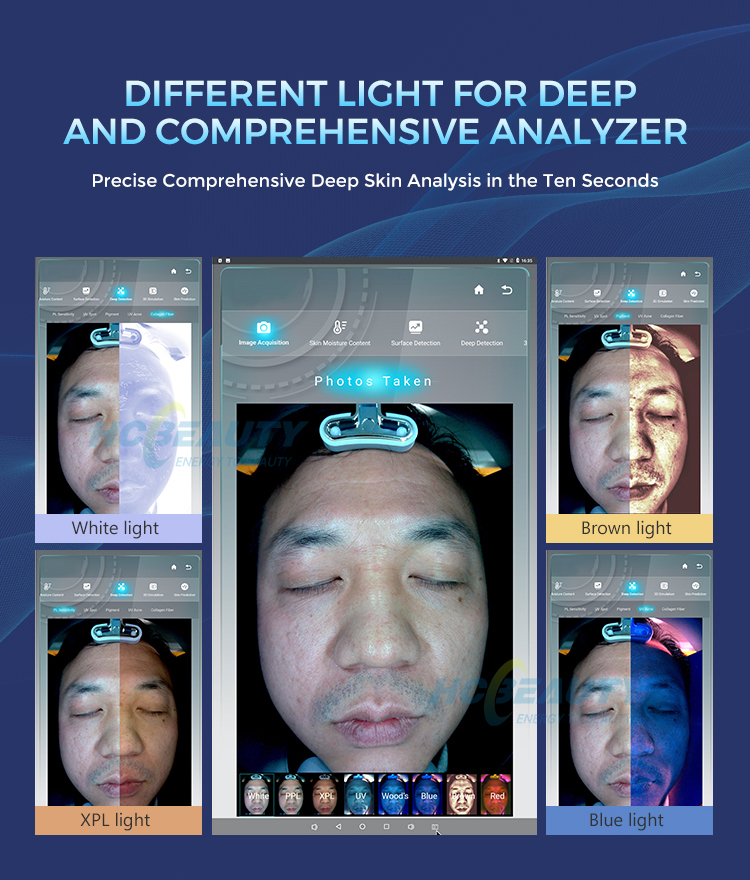
High-resolution imaging is the foundation of many skin detection systems. Using visible light, polarized light, and sometimes UV or cross-polarized illumination, the device captures detailed images of the skin surface and subsurface characteristics. Different lighting modes highlight specific conditions such as pigmentation, redness, pores, and texture irregularities.
In addition to imaging, many systems incorporate sensor-based detection. These sensors measure factors such as moisture levels, sebum production, elasticity, and skin temperature. By collecting quantitative data, the system provides objective values rather than descriptive impressions.
Advanced software algorithms process the captured data and compare it against large databases or standardized skin models. This allows the system to identify problem areas, grade severity, and sometimes estimate skin age or risk factors. Some smart systems also use AI-assisted analysis to improve accuracy and consistency over time.
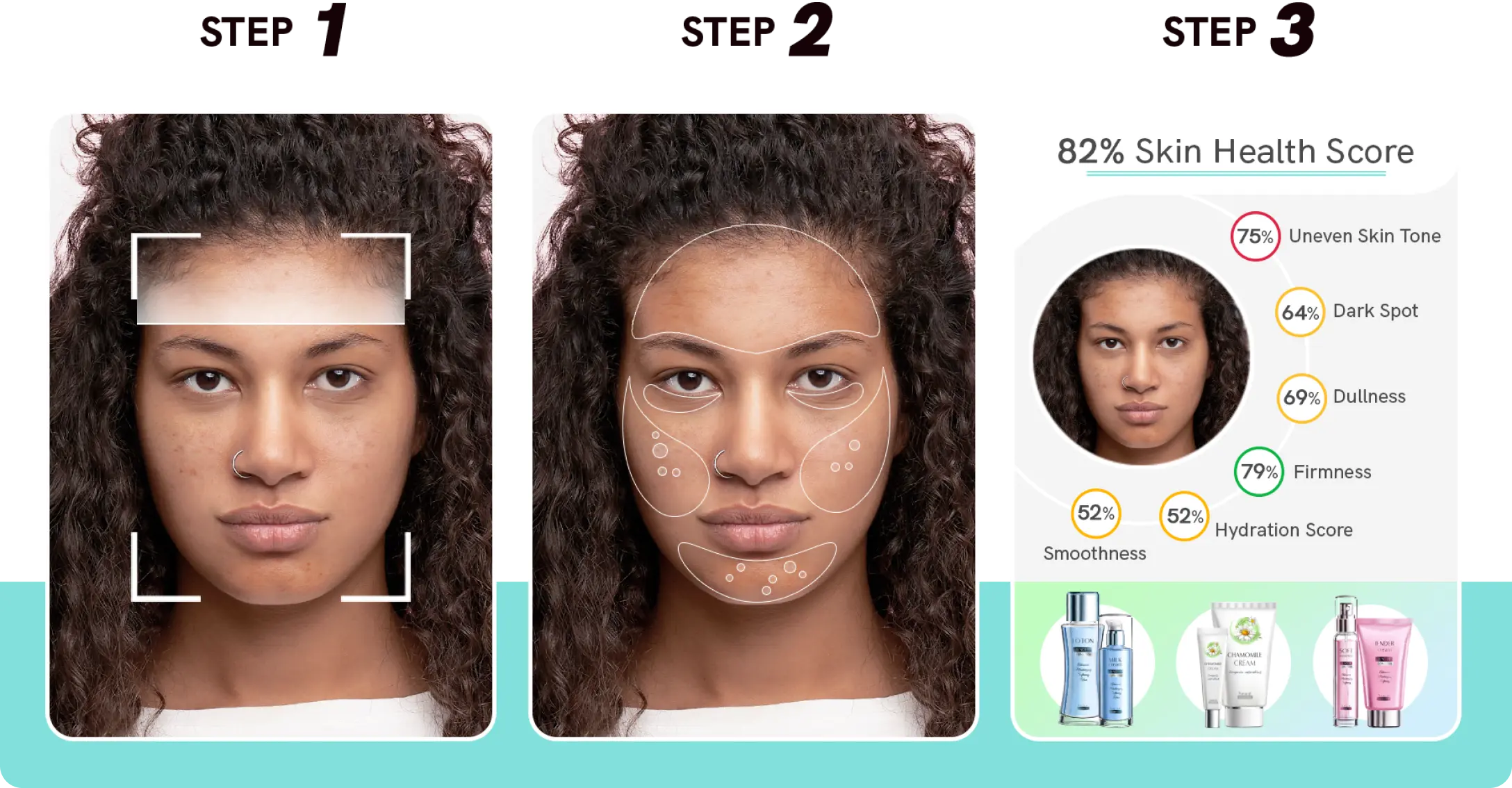
Results are typically presented in visual and numerical formats, including charts, color-coded maps, and before-and-after comparisons. This makes complex skin data easier for both practitioners and clients to understand.
In professional environments, smart skin detection devices are often integrated into consultation workflows. The analysis guides treatment selection, energy settings, session frequency, and even product recommendations, creating a cohesive and personalized skincare strategy.
Advantages / Comparison
One of the most significant advantages of smart skin detection technology is objectivity. Unlike traditional visual assessments, digital analysis reduces human bias and environmental variability. This leads to more consistent diagnoses and more reliable treatment planning.
Compared to manual skin analysis, smart detection systems provide measurable data that can be documented and revisited. This is especially valuable in professional clinics where multiple practitioners may work with the same client over time. Standardized data ensures continuity and consistency in care.
Smart skin detection also enhances communication. Visual reports and numerical scores help clients clearly understand their skin condition and the rationale behind recommended treatments. This transparency increases trust and acceptance of professional treatment plans, particularly for advanced device-based procedures.
When compared to basic consumer-grade skin analyzers, professional smart detection devices offer higher accuracy, deeper analysis, and broader parameter coverage. They are designed to support clinical decision-making rather than casual self-assessment.
From a business perspective, smart skin detection differentiates professional salons and clinics from basic skincare providers. It positions the institution as technologically advanced and scientifically grounded, reinforcing a premium brand image.
Importantly, smart skin detection does not replace professional expertise—it enhances it. Experienced practitioners can combine digital insights with clinical judgment to create safer, more effective, and more personalized treatment outcomes.
Applications / Client Needs
Smart skin detection technology plays a central role in modern professional skincare workflows.
During initial consultations, it allows practitioners to quickly and accurately assess skin conditions, identify hidden issues, and prioritize treatment goals. This is particularly useful for new clients who may not fully understand their own skin concerns.
In treatment planning, smart detection helps determine which technologies are most appropriate—such as RF for laxity, laser for pigmentation, or LED for recovery—and how aggressively they should be applied. This reduces guesswork and improves safety.
For ongoing treatment programs, smart skin detection enables progress tracking. By comparing data over multiple sessions, practitioners can demonstrate improvements in hydration, texture, pigmentation, or firmness. This tangible evidence strengthens client confidence and encourages treatment adherence.
Smart detection is also valuable for post-treatment evaluation and maintenance planning. It helps identify when the skin is ready for the next procedure or when gentler maintenance treatments are more appropriate.
From the client’s perspective, smart skin detection meets the growing demand for personalized, transparent, and results-oriented skincare. Clients feel more involved in the process when they can see and understand their skin data, rather than relying solely on verbal explanations.
Conclusion
Smart skin detection technology represents a fundamental shift in how professional skincare is evaluated, planned, and delivered. By transforming subjective observation into objective data, it allows beauty salons and clinics to provide more precise, safer, and more personalized treatments.
For professionals, it is a powerful tool that enhances diagnostic accuracy, improves communication, and supports long-term skincare management. For clients, it offers clarity, confidence, and measurable proof of progress.
As the beauty industry continues to integrate advanced devices and data-driven solutions, smart skin detection will remain a cornerstone of modern aesthetic practice. It is not simply a diagnostic add-on, but a critical foundation for intelligent, professional, and future-oriented skincare.
Founded in 2008, Guangzhou GLM Beauty Spa Equipment Factory specializes in research, development, manufacture and selling of beauty and slimming machines. Our production base is located in Guangzhou City, Guangdong Province, China. Since our foundation, we have introduced advanced technologies and equipment, to assure high quality and high performance of our products. With professional marketing guide and excellent after-sales service, our products have been exported to over 20 countries and regions, including Southeast Asia, the Middle East, Europe and the United States, won worldwide praises and gained a good reputation.