Introduction
Facial cleansing is often considered the first and simplest step of a professional facial, but in a modern beauty clinic, it can play a much more important role. Effective cleansing removes makeup residue, excess oil, environmental impurities, and surface debris while preparing the skin for the treatment stages that follow.
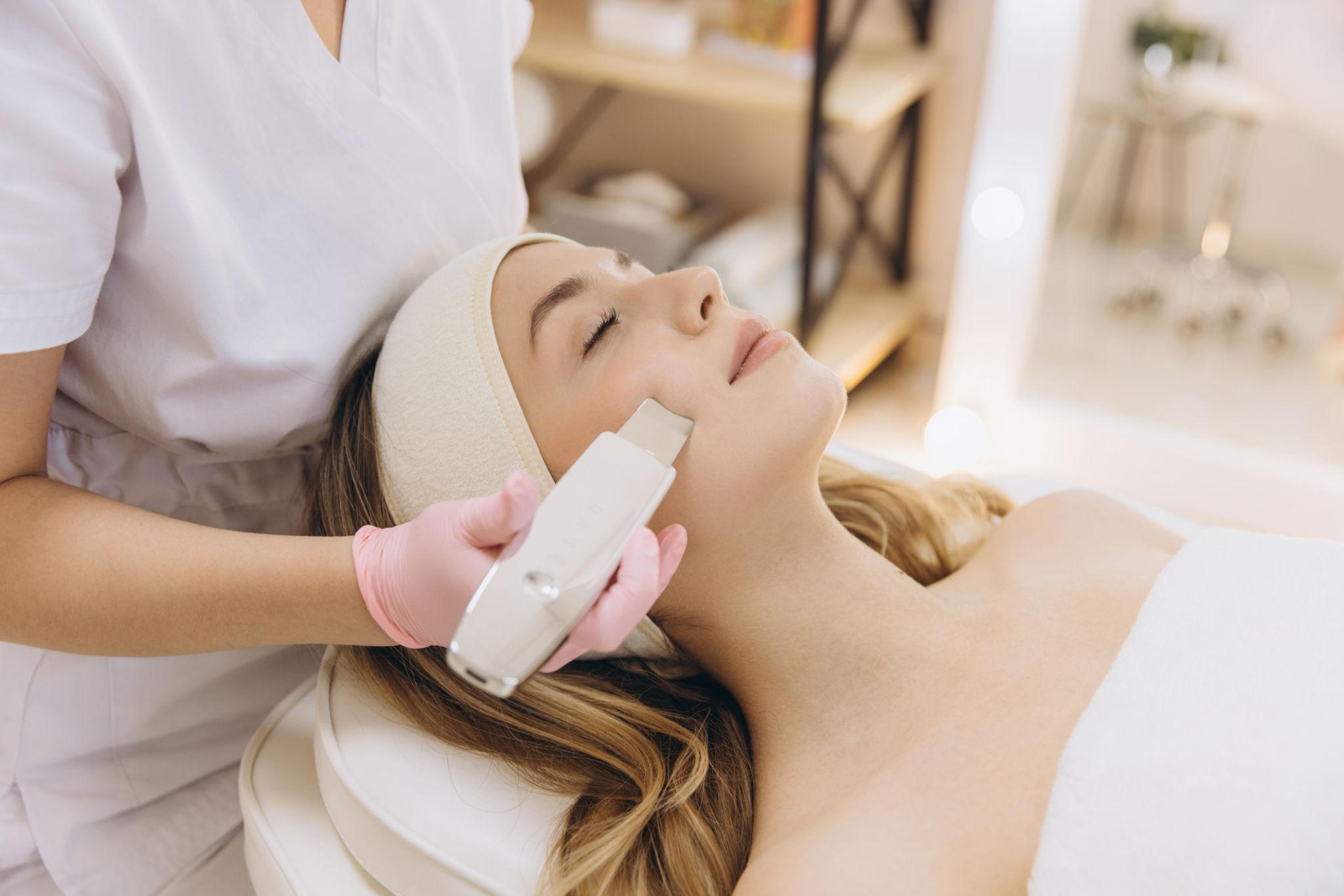
This is where sonic facial cleansing technology has become increasingly relevant. Instead of relying entirely on manual massage or traditional cleansing brushes, sonic facial cleansing devices use rapid mechanical vibrations to create a controlled cleansing action between the device, cleanser, water, and skin.
Recent professional skincare-device developments increasingly position sonic cleansing as a preparation step rather than simply a consumer cleansing routine. Professional device manufacturers describe sonic technology as a way to support cleansing, treatment preparation, client comfort, and consistency during facial services.
For beauty salons, aesthetic clinics, and professional skincare centers, this distinction matters. The value of a sonic facial cleansing device is not simply that it vibrates. Its value lies in how the technology can be incorporated into a structured facial protocol and adapted to different client needs
Background and the Problem with Conventional Facial Cleansing
A professional facial typically begins with cleansing because subsequent procedures depend on the condition of the skin surface. Makeup, sunscreen, sebum, dust, and other residues can interfere with the uniform application of exfoliating products, masks, serums, or other professional treatments.
Traditional manual cleansing remains useful, particularly when an esthetician needs to assess the skin directly through touch. However, manual techniques depend heavily on operator movement, pressure, speed, and treatment experience. Two operators may therefore perform the same cleansing procedure somewhat differently.
There is also a balance to maintain.
More pressure does not necessarily mean better cleansing. Excessive rubbing can increase friction and may be uncomfortable for clients with sensitive or compromised skin. On the other hand, overly gentle manual cleansing may not provide the same level of surface agitation needed to remove persistent oil, cosmetic residue, or environmental buildup.
This has created demand for devices that can provide controlled mechanical cleansing without relying entirely on aggressive physical scrubbing.
Sonic facial cleansing technology addresses this problem through rapid vibration. Reviews of sonic cleansing technology have examined its potential role in improving the efficiency of facial cleansing while emphasizing that appropriate cleansing should still be followed by suitable hydration and skin protection.
For professional operators, the goal is therefore not to replace the esthetician. It is to give the esthetician another controlled tool within the treatment protocol.
Technology and Mechanism: How Does Sonic Facial Cleansing Work?
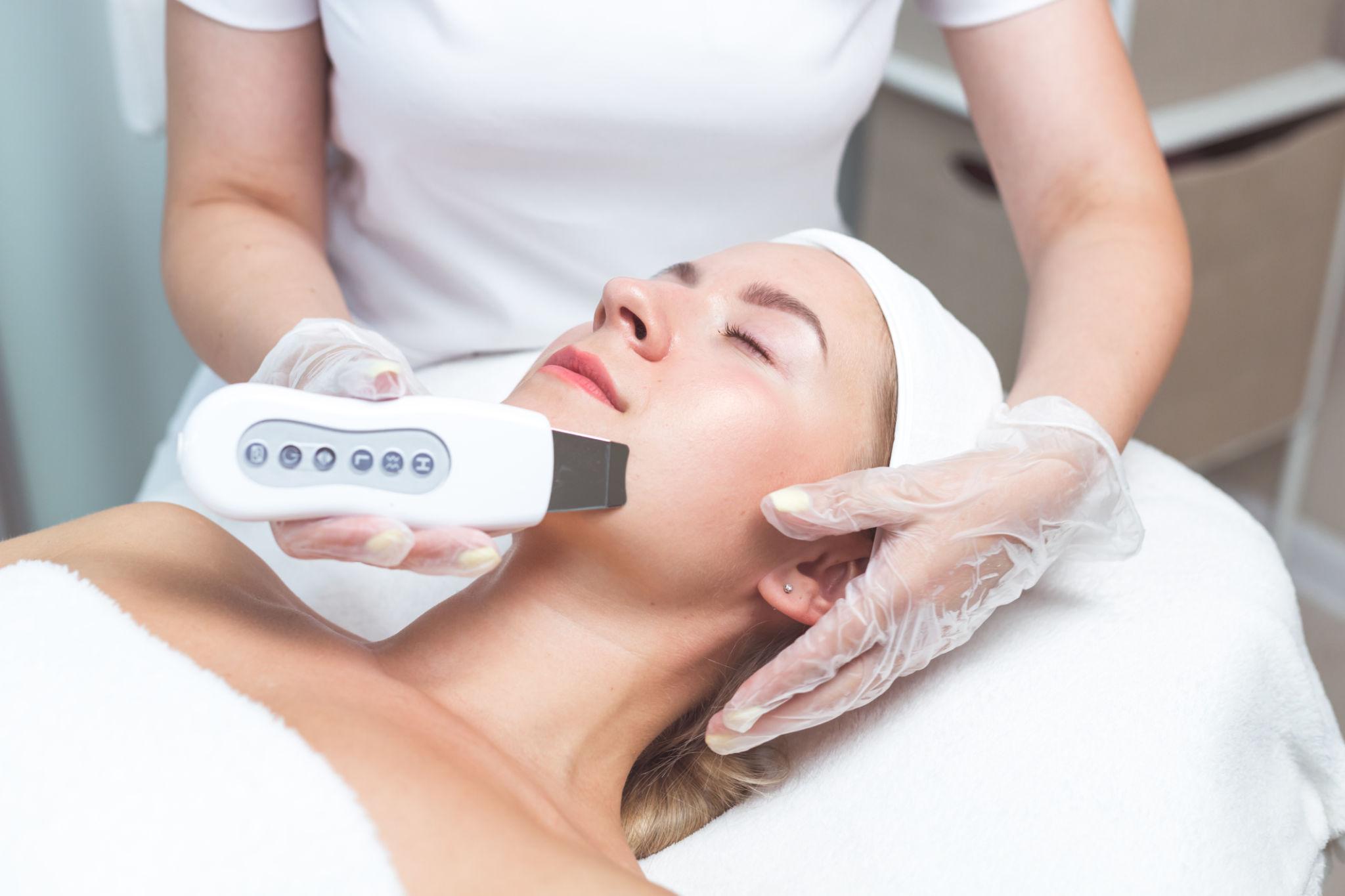
A sonic facial cleansing device generally combines a powered handpiece with a cleansing surface, often made from flexible silicone or another skin-contact material.
When activated, the device produces rapid oscillating or pulsating movements. These movements interact with the cleanser and water on the skin, creating a gentle mechanical cleansing effect.
1. Sonic Vibration
The core technology is rapid vibration.
Unlike a conventional rotating brush that relies on continuous mechanical rotation, sonic devices use rapid micro-movements to agitate the cleansing medium and loosen surface impurities.
Commercial sonic cleansing devices use different vibration frequencies and operating modes. For example, one current professional system specifies approximately 7,000 vibrations per minute, while consumer and professional-oriented products on the market use different operating ranges.
Because specifications vary by device, professional buyers should evaluate the actual vibration parameters, operating modes, contact surface, and intended application rather than treating the word "sonic" as a standardized performance specification.
2. Silicone Contact Surface
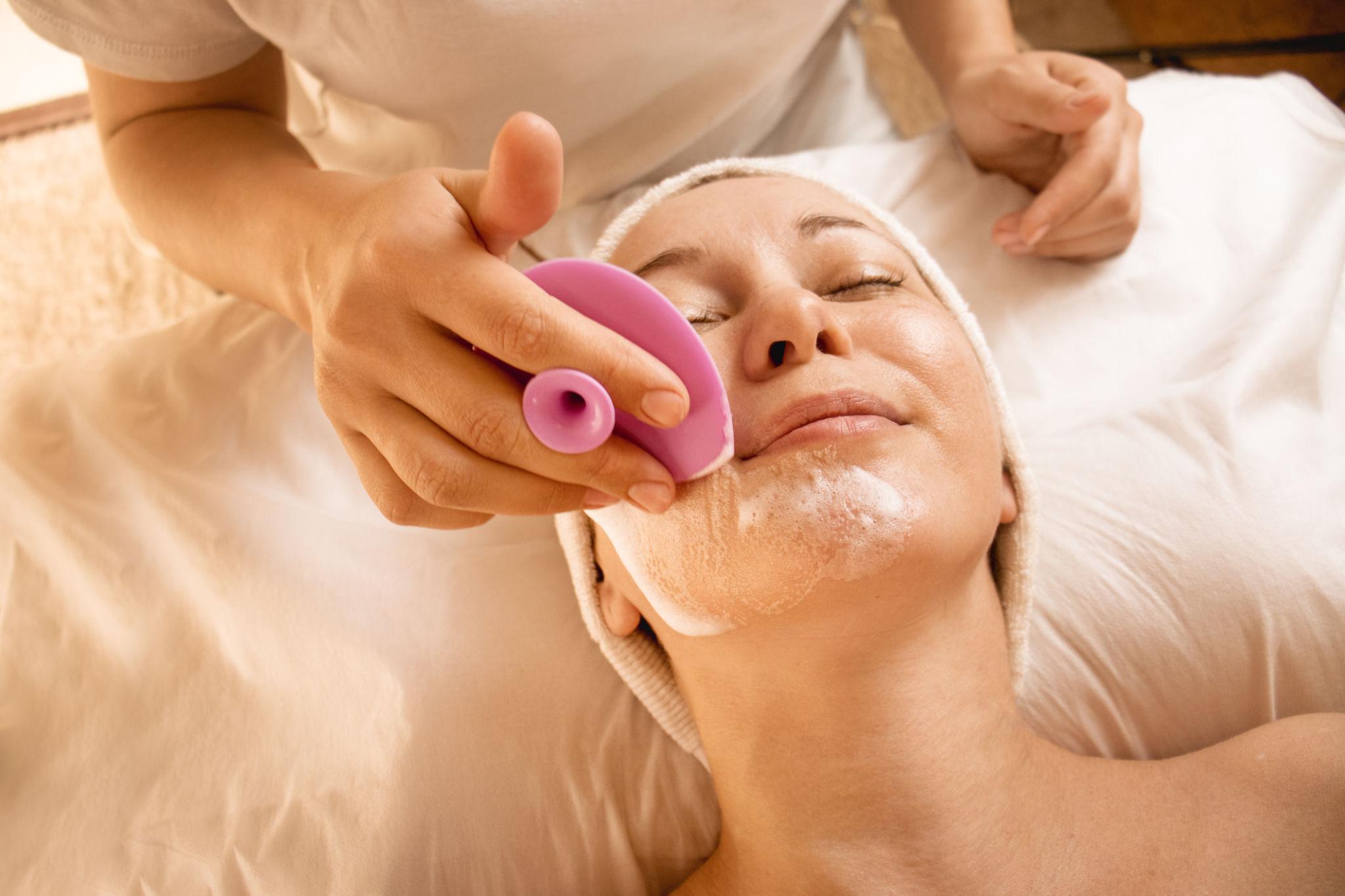
Many modern sonic cleansing devices use silicone touchpoints instead of conventional nylon bristles.
Silicone can provide a flexible contact surface that moves with the contours of the face. It can also simplify cleaning of the device surface between treatments, depending on the specific material and manufacturer instructions.
For professional environments, hygiene and workflow are important considerations. A reusable silicone surface can be integrated into a cleaning and disinfection protocol appropriate for the device and the facility.
3. Cleansing Medium and Mechanical Action
The device is normally used together with an appropriate facial cleanser rather than on completely dry skin.
The combination of cleanser, water, and sonic movement helps distribute the cleansing product across the treatment area while loosening surface oil, cosmetic residue, and debris.
The objective is not to physically "scrape" impurities out of pores. Instead, the technology provides controlled mechanical agitation that can complement the chemical and surfactant action of the cleanser.
4. Treatment Preparation
One of the most important professional applications is skin preparation.
A well-cleansed skin surface gives the operator a more consistent starting point for subsequent steps such as exfoliation, masks, serums, or other non-invasive facial procedures.
Professional device manufacturers increasingly describe sonic cleansing as part of a broader treatment sequence: cleanse, prepare, treat, support, and finish
Advantages and Comparison: Sonic Cleansing vs. Manual Cleansing
Sonic facial cleansing does not need to be positioned as a complete replacement for manual cleansing. In professional practice, the two approaches can work together.
| Aspect | Manual Cleansing | Sonic Facial Cleansing |
|---|---|---|
| Main action | Hand movement and massage | Controlled mechanical vibration |
| Operator dependence | High | Lower for repetitive cleansing motion |
| Treatment consistency | Depends strongly on technique | Can be more standardized |
| Contact method | Fingers or cotton/gauze | Silicone or specialized cleansing surface |
| Customization | Highly flexible | Depends on intensity/mode settings |
| Professional workflow | Simple and familiar | Adds a dedicated technology step |
| Client experience | Traditional facial sensation | Modern device-assisted experience |
The most significant professional advantage is process control.
If a device offers multiple intensity levels, the operator can select a setting according to the treatment protocol and client's comfort. This does not mean every client should receive the same intensity. Instead, adjustable technology allows the professional to incorporate the device into different facial services.
A sonic device can also help standardize repetitive cleansing movements. For a busy salon or clinic, consistency can be valuable when multiple operators provide similar facial services.
Another advantage is the perceived treatment experience. Clients increasingly encounter technology throughout professional skincare, from skin analyzers to LED systems and advanced facial platforms. A sonic cleansing device can make the cleansing stage feel like an intentional part of a technology-assisted facial rather than simply a preliminary washing step.
However, professional operators should avoid treating sonic cleansing as automatically suitable for every client. Skin condition, treatment history, active irritation, recent procedures, and individual sensitivity should be considered before selecting an appropriate protocol.
Current professional skincare guidance also emphasizes that cleansing technology should support—not replace—appropriate skin assessment and treatment planning.
Applications and Client Needs
1. Deep-Cleansing Facial Treatments
Sonic facial cleansing can be integrated into facial services where the initial objective is to remove excess oil, makeup residue, and everyday environmental buildup.
The operator can apply cleanser, activate the device, and work systematically across areas such as the forehead, cheeks, nose, chin, and jawline.
The nose and T-zone may require particular attention because these areas can accumulate more sebum. However, pressure and treatment time should remain controlled.
2. Skin Preparation Before Professional Treatments
This is one of the strongest applications for professional beauty equipment.
Before applying exfoliating products, masks, serums, or other cosmetic treatments, the operator needs a clean and appropriately prepared skin surface.
Using a sonic cleansing device as part of the preparation stage can create a more structured treatment workflow:
Skin assessment → Pre-cleanse → Sonic cleansing → Rinse → Skin preparation → Treatment → Mask/Serum → Finishing care
The exact protocol should be adapted to the equipment, cosmetic products, and professional practice.
3. Facial Treatments for Oily or Congested Skin
Clients with oily or combination skin may frequently experience excess sebum and a heavier buildup of cosmetic or environmental residue.
Sonic cleansing can provide additional mechanical cleansing support without requiring aggressive scrubbing.
However, it should not be presented as a treatment that independently cures acne or permanently removes comedones. It is primarily a cleansing and preparation technology.
For clients with active inflammatory conditions or highly reactive skin, professional assessment remains important.
4. Spa and Relaxation Facials
Not every facial service is focused on intensive corrective treatment.
Many spas use cleansing as part of a relaxation-oriented facial. In this setting, a low-intensity sonic device can become part of a gentle cleansing and massage sequence, helping create a more modern treatment experience.
The sensation of controlled vibration can also differentiate the service from purely manual cleansing.
5. Professional Facial Packages
Beauty clinics can incorporate sonic cleansing into multiple service levels.
For example:
Basic Facial
Manual cleansing + exfoliation + mask
Advanced Cleansing Facial
Pre-cleanse + sonic cleansing + exfoliation + mask
Customized Facial
Skin analysis + customized sonic cleansing + targeted treatment + serum/mask + finishing care
This approach allows the equipment to become part of the clinic's service architecture rather than an isolated device.
6. OEM and Professional Beauty Equipment Opportunities
For manufacturers and distributors, sonic facial cleansing technology also offers flexibility in product development.
Depending on the target market, a professional device can be designed with features such as adjustable vibration levels, ergonomic handpieces, silicone cleansing surfaces, rechargeable power, waterproof construction, treatment timers, and customized branding.
For salons and distributors, these features can be more commercially meaningful when they solve practical problems: ease of operation, treatment consistency, cleaning convenience, client comfort, and integration into existing facial protocols.
Professional Equipment vs. Home Cleansing Devices
The distinction between professional and home devices is not simply about power.
A professional beauty device needs to fit into a treatment system.
In a salon or clinic, an operator may need to consider:
- Skin analysis before treatment
- Appropriate cleansing products
- Treatment intensity
- Contact time
- Treatment sequence
- Hygiene procedures
- Client comfort
- Post-treatment skincare
- Equipment maintenance
A consumer may primarily want convenience, while a professional operator needs repeatability and workflow compatibility.
This is why professional sonic facial cleansing equipment can provide value even when the underlying technology appears similar to consumer cleansing brushes.
Professional use also allows the device to be combined with other facial technologies. For example, sonic cleansing can serve as the preparation stage before hydrating, exfoliating, oxygen-based, LED, or other non-invasive facial services, provided that the complete protocol is appropriate for the client's skin and the equipment manufacturer's instructions.
The objective is not to use more technology simply because it is available. The objective is to use the right technology at the right stage of treatment.
Choosing a Sonic Facial Cleansing Device for a Beauty Clinic
When purchasing equipment for professional use, buyers should look beyond marketing terms.
Vibration Settings
Multiple intensity levels can provide greater flexibility for different facial protocols and client comfort levels.
Contact Material
Silicone is widely used in modern sonic cleansing devices. Buyers should verify the material quality, surface design, cleaning requirements, and durability.
Ergonomic Design
A professional operator may hold the device repeatedly throughout the working day. A comfortable, balanced handpiece can therefore have a practical impact on workflow.
Waterproof or Water-Resistant Construction
Because facial cleansing involves water and cleanser, appropriate water protection can simplify operation and maintenance. The actual protection rating should always be checked in the manufacturer's technical specifications.
Treatment Timer and Controls
Simple controls can help operators maintain consistent treatment times and reduce unnecessary adjustments during a facial.
OEM Customization
For beauty-equipment distributors and brands, customizable logos, colors, packaging, accessories, and user manuals can help transform a standard sonic cleansing platform into a private-label professional product.
Conclusion
Sonic facial cleansing is more than a vibrating facial brush. When properly integrated into a professional treatment protocol, it can become a practical technology for cleansing, skin preparation, treatment consistency, and client experience.
Its fundamental mechanism is straightforward: controlled sonic vibration creates rapid mechanical movement across a cleanser-covered skin surface, helping loosen everyday impurities and prepare the skin for subsequent cosmetic treatment steps.
For professional beauty salons, aesthetic clinics, spas, and beauty-equipment distributors, the greatest value comes from integration. A sonic cleansing device can complement the operator's technique rather than attempting to replace it.
As professional skincare continues to combine hands-on expertise with technology-assisted treatments, cleansing itself is becoming a more structured part of the facial experience. The right sonic facial cleansing equipment can help turn this first step into a more controlled, consistent, and professional treatment stage
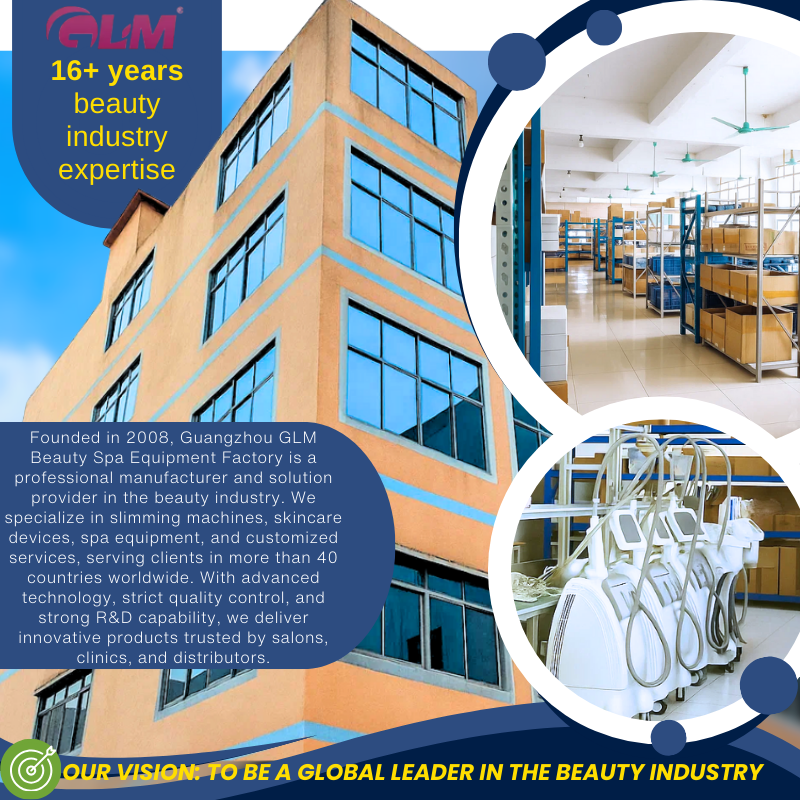
Founded in 2008, Guangzhou GLM Beauty Spa Equipment Factory specializes in research, development, manufacture and selling of beauty and slimming machines. Our production base is located in Guangzhou City, Guangdong Province, China. Since our foundation, we have introduced advanced technologies and equipment, to assure high quality and high performance of our products. With professional marketing guide and excellent after-sales service, our products have been exported to over 20 countries and regions, including Southeast Asia, the Middle East, Europe and the United States, won worldwide praises and gained a good reputation