Introduction
In the rapidly evolving landscape of professional aesthetics and dermatological care, the benchmark for a successful treatment has shifted dramatically. Today’s discerning clients no longer seek mere relaxation from their salon visits; they demand immediate, visible, and enduring results. As a consequence, aesthetic professionals, clinic owners, and skincare specialists are under constant pressure to elevate their service menus with cutting-edge modalities. Among the myriad of advancements in the beauty equipment industry, one of the most profound breakthroughs is the utilization of hydrogen technology.
At the core of any transformative skin treatment is a singular, universal challenge: maximizing product penetration. No matter how sophisticated or chemically advanced a skincare serum may be, its true value is entirely dependent on its ability to bypass the skin's natural defenses and reach the deeper layers where cellular regeneration actually occurs. This is precisely where professional-grade hydrogen beauty equipment changes the paradigm. By acting as the ultimate facilitator for dermal absorption, hydrogen technology does not merely add another step to a facial protocol; it fundamentally enhances the biological receptiveness of the skin. This article explores the precise mechanisms through which advanced hydrogen technology enhances skincare absorption, illustrating why investing in professional hydrogen delivery systems is becoming an indispensable strategy for top-tier beauty salons and clinics worldwide.
Background/Problem
To truly appreciate the value of hydrogen in clinical aesthetics, one must first understand the formidable barrier it is designed to overcome: the human skin. The outermost layer of the epidermis, the stratum corneum, functions as a highly efficient biological shield. Constructed from dead keratinocytes surrounded by a complex lipid matrix—often described as a "brick and mortar" structure—the stratum corneum is exceptionally adept at keeping environmental aggressors out and essential moisture in. However, this same protective mechanism also actively blocks the absorption of applied skincare ingredients.
In traditional skincare applications, a staggering limitation persists. Dermatological studies consistently indicate that, under normal circumstances, only 1 to 5 percent of topically applied active ingredients successfully penetrate the stratum corneum to reach the viable epidermis and dermis below. The remaining 95 percent of these often costly serums, vitamins, and peptides simply sit on the surface, eventually evaporating or being washed away. This low absorption rate presents a significant pain point for professional clinics. When clients invest heavily in premium ampoules or advanced mesotherapy serums, the expectation for a high return on investment is paramount.
Furthermore, the "Dalton Rule" of skin penetration dictates that any molecule larger than 500 Daltons cannot effectively pass through the corneal layer without mechanical or chemical assistance. Most potent anti-aging compounds, such as complex peptides and hyaluronic acid, far exceed this molecular weight. While manual massage, hot towels, and basic steaming have historically been utilized in spas to temporarily soften the skin and encourage vasodilation, these rudimentary methods barely scratch the surface of true transdermal delivery. Even the proliferation of low-powered home-use beauty devices falls remarkably short. Lacking the necessary pressure, sustained energy output, and precise technological calibration, these consumer gadgets cannot temporarily alter the skin's permeability to a clinically significant degree. Consequently, there remains a critical void that can only be filled by professional-grade equipment engineered specifically to dismantle this barrier without causing trauma.
Technology/Mechanism
The solution to this absorption bottleneck lies in the extraordinary properties of hydrogen gas (H2) and the sophisticated mechanics of the professional equipment designed to deliver it. Hydrogen is the smallest and lightest element in the universe, boasting a molecular weight of merely 2 Daltons. To put this into perspective, it is significantly smaller than Vitamin C, Vitamin E, and Coenzyme Q10. This microscopic size grants hydrogen an unparalleled ability to permeate cellular membranes effortlessly, navigating through the stratum corneum, entering the bloodstream, and even crossing the blood-brain barrier.
In a professional beauty clinic setting, advanced hydrogen facial machines utilize highly efficient electrolysis chambers. These chambers rapidly convert purified water into hydrogen-rich water, producing an exceptionally high concentration of dissolved hydrogen (often ranging from 1200 to 1500 parts per billion or higher, a concentration impossible to maintain in standard home devices). However, the magic of enhanced skincare absorption lies not just in the element itself, but in its biological interaction with the skin's cellular environment—a process we can categorize into the "Clearing Phase" and the "Infusion Phase."
The Clearing Phase: Neutralizing Oxidative Stress Before the skin can effectively absorb nutrients, it must be cleared of internal blockages. Daily exposure to UV radiation, pollution, and general metabolic processes generates Reactive Oxygen Species (ROS), or free radicals. Among these, the hydroxyl radical is the most cytotoxic. Excessive free radicals lead to oxidative stress, which hardens cellular membranes, damages DNA, and triggers chronic low-grade inflammation. This inflammatory state creates a hostile environment that literally rejects incoming nutrients. Hydrogen acts as a highly selective antioxidant. Once infused into the skin via a professional device, H2 specifically targets and neutralizes only the most harmful hydroxyl radicals, converting them harmlessly into water (H2 + 2*OH -> 2H2O). By dramatically reducing oxidative stress and quenching cellular inflammation, hydrogen effectively "softens" the cell membranes and restores optimal cellular function. This creates a biologically pristine environment, making the skin's receptors highly sensitive and eager to absorb subsequent active ingredients.
The Infusion Phase: Mechanical and Synergistic Delivery While the hydrogen molecules prepare the cellular environment, the professional beauty equipment simultaneously utilizes mechanical forces to drive absorption. Clinical hydrogen devices typically employ a combination of radial vacuum extraction and high-velocity fluid delivery. As the handpiece glides across the skin, a mild, controlled vacuum gently lifts the epidermal tissue, temporarily dilating the pores and micro-channels. Simultaneously, the machine forcefully injects the hydrogen-rich water deep into these pathways. This process effectively flushes out sebum and debris from the pores while immediately replacing them with the antioxidant hydrogen solution. Because the professional machine exerts precise, continuous pressure, it temporarily alters the barrier function of the stratum corneum, creating clear microscopic avenues. When the aesthetician follows this step by applying a targeted nutrient serum (like hyaluronic acid or a peptide complex), the serum no longer faces a fortified wall of dead cells and oxidized lipids. Instead, it travels seamlessly down the freshly cleared, hydrogen-bathed pathways, resulting in a phenomenal exponential increase in transdermal absorption.
Advantages/Comparison
Understanding the profound capabilities of hydrogen technology naturally raises the question of equipment sourcing. Why is it absolutely imperative for a salon or clinic to invest in professional-grade factory-produced hydrogen systems rather than relying on commercial consumer gadgets or traditional methods? The answers lie in power, stability, synergy, and clinical outcomes.
Professional Hydrogen Equipment vs. Home-Use Gadgets The efficacy of hydrogen therapy is entirely dependent on concentration and delivery pressure. Hydrogen is a highly volatile gas; it dissipates into the air incredibly rapidly. Home-use hydrogen misters or handheld wands lack the robust electrolysis components required to generate high parts-per-billion (ppb) concentrations. By the time a consumer sprays a home device onto their face, the majority of the active hydrogen has already vanished. In stark contrast, professional beauty machines feature advanced, closed-loop fluid management systems. They generate hydrogen continuously in real-time, instantly driving it into the skin under controlled pneumatic pressure via a specialized clinical handpiece before the gas can escape. This ensures that the dermis receives a therapeutic, highly concentrated dose. Furthermore, professional devices are built with commercial-grade motors that provide the exact vacuum pressure needed to safely manipulate the skin barrier without causing laxity or bruising—a delicate balance that consumer-grade plastics simply cannot achieve.
Hydrogen Infusion vs. Traditional Exfoliation and Steaming Historically, maximizing absorption meant aggressively removing the stratum corneum through harsh chemical peels or abrasive microdermabrasion (using crystals or diamond tips). While effective at removing dead skin, these methods frequently trigger an inflammatory response, compromising the skin barrier and causing significant downtime. Clients leave the salon red and irritated, which limits the types of serums that can be applied immediately afterward. Hydrogen technology, facilitated by professional hydro-dermabrasion systems, represents a paradigm shift toward non-invasive efficacy. It exfoliates gently through fluid dynamics rather than friction. The hydration provided by the water, combined with the extreme anti-inflammatory properties of the hydrogen, means the skin barrier is protected rather than stripped. This allows aestheticians to apply highly concentrated, potent active ingredients immediately following the hydrogen treatment without fear of stinging, redness, or adverse reactions.
The Power of Technological Synergy Professional aesthetic machines rarely rely on a single modality. High-end equipment manufactured for clinics strategically pairs hydrogen therapy with synergistic technologies. For example, a modern clinical workstation will feature a hydrogen infusion handpiece alongside electroporation (which uses micro-currents to temporarily open cellular pores) or therapeutic ultrasound (which uses sonic waves to push molecules deeper). By using the hydrogen module as a preparatory step to neutralize free radicals and clear the pathways, the efficacy of the subsequent ultrasound or electroporation step is magnified exponentially. This integrated, multi-platform approach is the hallmark of professional clinic equipment and the secret to delivering the "wow" factor that clients expect.
Applications/Client Needs
For beauty salons, dermatological clinics, and med-spas, integrating professional hydrogen equipment into the service menu is a highly strategic business decision that directly addresses the most pressing modern client needs. The versatility of hydrogen makes it a foundational tool suitable for nearly every skin demographic.
1. The Ultimate Anti-Aging and Brightening Protocol Clients seeking anti-aging treatments are often battling dull, lifeless skin suffering from chronic oxidative stress caused by urban pollution and lifestyle factors. Salons can position the hydrogen facial as the ultimate "Detox and Glow" treatment. By deeply infusing hydrogen to neutralize free radicals, the skin instantly regains its clarity and luminosity. More importantly, when this is used as a primer step, the expensive anti-aging ampoules (rich in Vitamin C and Retinol) applied by the aesthetician are absorbed at unprecedented rates, yielding immediate plumping and long-term collagen stimulation that clients can visibly see before leaving the clinic.
2. Sensitive Skin and Barrier Repair One of the fastest-growing demographics in the skincare market is individuals with compromised skin barriers, suffering from rosacea, eczema, or severe sensitivity. Traditional mechanical extraction and chemical peels are strictly contraindicated for these clients. Professional hydrogen equipment offers clinics a highly lucrative alternative. Because hydrogen is an unparalleled anti-inflammatory agent and the fluid delivery is exceptionally gentle, aestheticians can perform deep pore cleansing and profound hydration without triggering a flare-up. The hydrogen soothes the irritated tissue, making it the perfect vehicle for delivering repairing ceramides and soothing botanicals deep into the epidermis.
3. Pre- and Post-Procedural Care In medical spa settings, hydrogen technology acts as the perfect complementary treatment to more aggressive procedures. Using a hydrogen infusion machine prior to fractional lasers, chemical peels, or microneedling prepares the skin by ensuring it is optimally hydrated and free of oxidative stress, thereby improving the results of the invasive procedure. Conversely, using hydrogen therapy post-procedure provides a massive influx of cooling, anti-inflammatory relief, drastically reducing patient downtime, minimizing redness, and accelerating the healing cascade.
By catering to these diverse needs, professional hydrogen equipment maximizes the clinic's return on investment. It transforms standard facial appointments into high-ticket, advanced clinical therapies, fostering client loyalty through undeniable, superior results.
Conclusion
The pursuit of perfect skin is fundamentally an exercise in chemistry and cellular biology, and overcoming the skin's natural barrier is the ultimate key to success. Hydrogen technology represents a monumental leap forward in this endeavor. By leveraging the microscopic size and potent antioxidant properties of hydrogen gas, coupled with the sophisticated fluid dynamics of professional clinical equipment, aestheticians can now unlock unprecedented levels of skincare absorption.
For the modern beauty clinic or spa, adopting high-performance, factory-engineered hydrogen devices is no longer merely an option for staying trendy; it is a critical upgrade to the standard of care. It bridges the gap between topical application and true cellular infusion. By investing in professional hydrogen technology, beauty businesses empower their practitioners to deliver superior, customized, and highly effective treatments, ensuring that every drop of precious skincare serum achieves its maximum clinical potential, ultimately translating to thrilled clients and a thriving aesthetic business
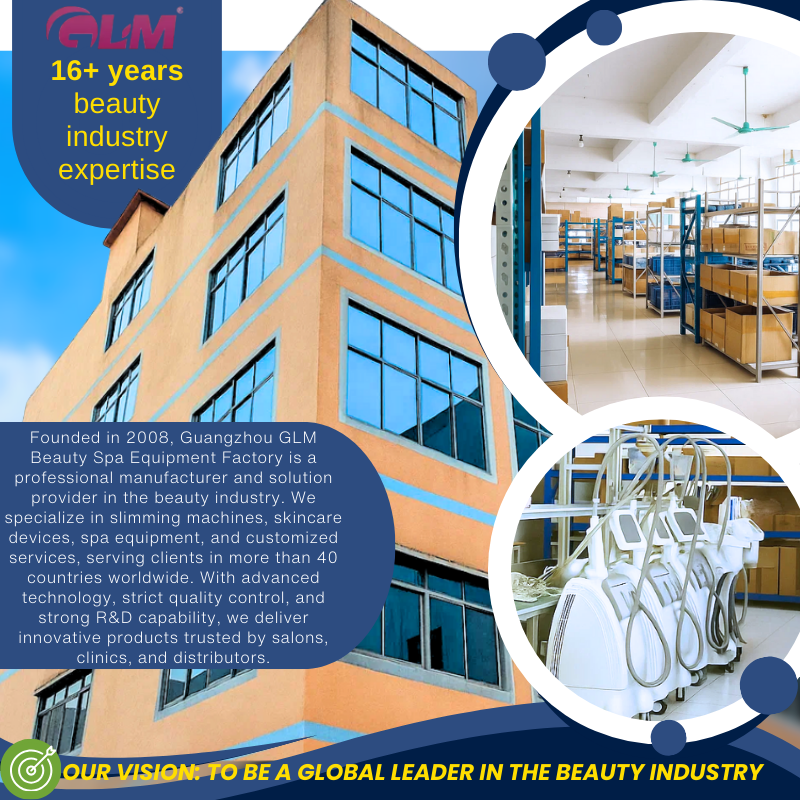
Founded in 2008, Guangzhou GLM Beauty Spa Equipment Factory specializes in research, development, manufacture and selling of beauty and slimming machines. Our production base is located in Guangzhou City, Guangdong Province, China. Since our foundation, we have introduced advanced technologies and equipment, to assure high quality and high performance of our products. With professional marketing guide and excellent after-sales service, our products have been exported to over 20 countries and regions, including Southeast Asia, the Middle East, Europe and the United States, won worldwide praises and gained a good reputation