1. Introduction
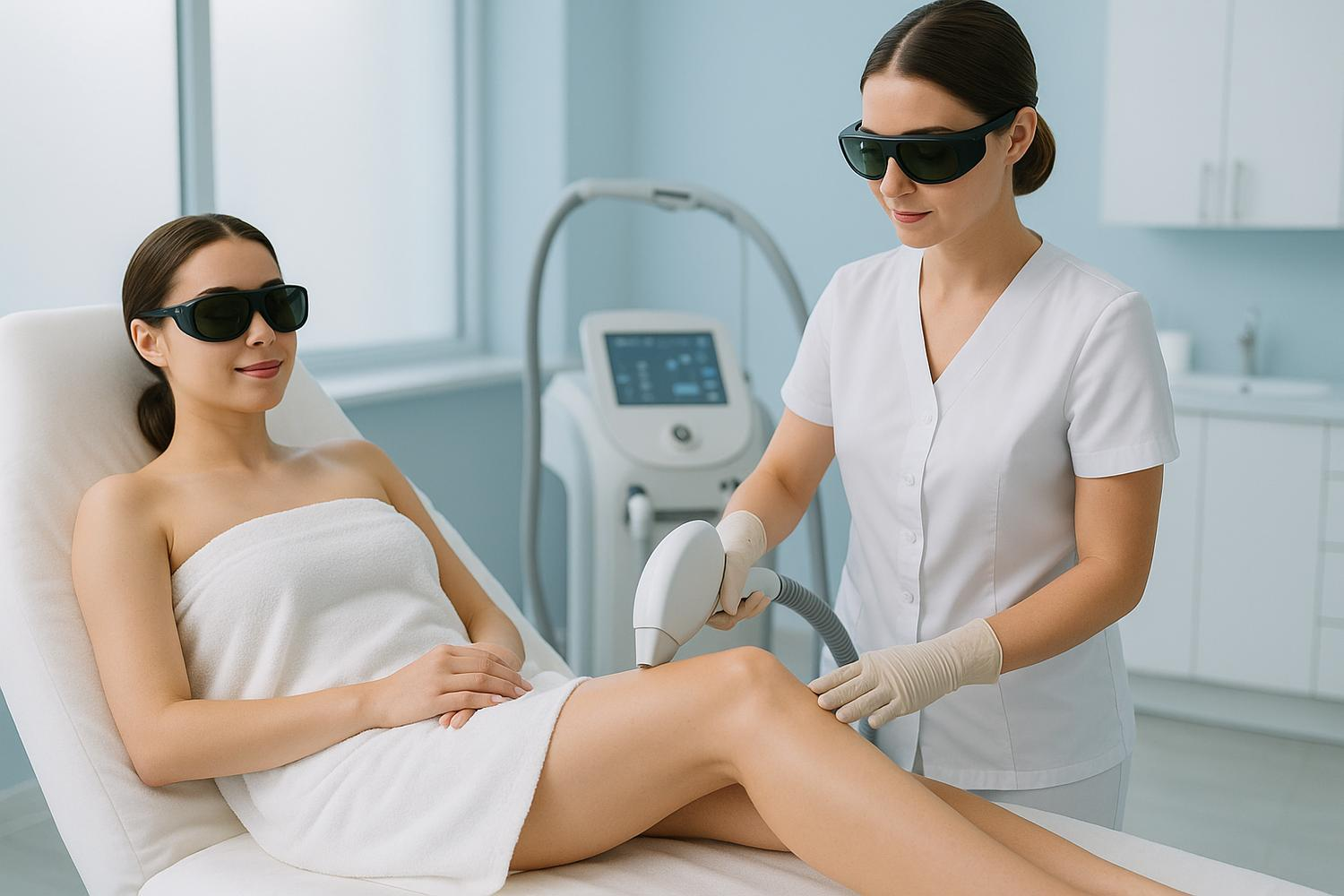
Laser hair removal has become one of the most popular aesthetic treatments offered by professional beauty salons, medical spas, and dermatology clinics. As clients increasingly seek long-term hair reduction, smoother skin, and convenient treatment experiences, the demand for advanced laser hair removal equipment continues to grow.
In 2026, the industry is moving beyond traditional single-wavelength systems toward more versatile platforms featuring multiple wavelengths, intelligent treatment controls, and advanced cooling technologies. These developments are changing how professionals approach different hair types, skin tones, and treatment areas.
Among the most important innovations is multi-wavelength laser technology, which combines wavelengths such as 755nm, 808nm, and 1064nm within one professional device. Instead of relying on a single wavelength for every client, practitioners can select or combine different wavelengths according to individual treatment requirements.
For beauty equipment manufacturers, salon owners, and aesthetic professionals, this technological development represents more than an improvement in laser performance. It creates opportunities to expand treatment services, improve operational flexibility, and deliver more personalized client experiences.
Understanding how multi-wavelength technology works is essential for choosing the right laser hair removal system in today's competitive aesthetic market.
2. Background: Why Traditional Laser Hair Removal Needs to Evolve
Traditional laser hair removal works through selective photothermolysis. The laser emits light energy that is absorbed by melanin, the natural pigment found in hair follicles. The absorbed energy is converted into heat, which damages structures responsible for hair growth and helps reduce future hair production.
Although this principle has been used successfully for many years, different clients present different treatment challenges.
Hair thickness, hair color, skin pigmentation, follicle depth, and body location can all influence treatment outcomes. For example, coarse terminal hair may respond differently from fine hair, while darker skin requires particular attention to epidermal melanin absorption and thermal safety.
A single-wavelength device may perform effectively for certain skin and hair combinations but offer less flexibility across a diverse client population.
This creates several challenges for professional treatment providers:
-
Different skin phototypes: Clients with lighter and darker skin tones may require different wavelength strategies and carefully adjusted treatment parameters.
-
Different hair characteristics: Coarse, deep-rooted hair and finer hair do not necessarily respond equally to the same laser settings.
-
Treatment comfort: Excessive heat accumulation can increase discomfort and the risk of unwanted skin reactions.
-
Operational efficiency: Clinics serving diverse clients need equipment that can accommodate different treatment requirements without purchasing multiple separate systems.
As aesthetic businesses expand their customer base, flexibility becomes an important factor in equipment selection.
Multi-wavelength technology addresses these challenges by offering several wavelength options within a single platform.
3. Technology and Mechanism: How Multi-Wavelength Laser Hair Removal Works
The effectiveness of laser hair removal depends on the interaction between wavelength, melanin absorption, penetration depth, pulse duration, and energy density.
Different wavelengths have different optical characteristics. Multi-wavelength systems use these differences to provide practitioners with more treatment options.
3.1 755nm Alexandrite Wavelength
The 755nm wavelength is strongly absorbed by melanin, making it particularly useful for targeting pigmented hair follicles.
Its relatively high melanin absorption makes it suitable for many clients with lighter skin tones and dark hair. It is commonly associated with the treatment of superficial and relatively fine pigmented hair.
However, because epidermal melanin also absorbs this wavelength, practitioners must carefully evaluate skin pigmentation and adjust treatment settings to reduce the risk of thermal injury.
3.2 808nm Diode Wavelength
The 808nm diode wavelength is widely used in professional laser hair removal systems because it offers a balance between melanin absorption and penetration depth.
It can effectively target hair follicles at different depths and is commonly selected for larger treatment areas, including the legs, arms, back, and underarms.
Its versatility makes it an important option for clinics that provide a broad range of hair reduction services.
3.3 1064nm Nd Wavelength
The 1064nm wavelength penetrates more deeply into the skin and has lower melanin absorption than shorter hair removal wavelengths.
This characteristic can make it a useful option for clients with darker skin phototypes, particularly when epidermal melanin protection is an important consideration.
It can also be considered for deeper follicles and certain coarse hair types. However, appropriate energy settings, pulse duration, and cooling remain essential for safe treatment.
3.4 Why Combine Multiple Wavelengths?
The primary advantage of multi-wavelength technology is its ability to provide different optical treatment characteristics within one system.
Depending on the device design, wavelengths may be selected individually, switched between treatment modes, or delivered simultaneously in a combined mode.
A triple-wavelength diode system may combine 755nm, 808nm, and 1064nm to address different follicular depths and hair characteristics. Other platforms combine Alexandrite and Nd technologies.
However, combining wavelengths does not automatically guarantee better results. Treatment effectiveness depends on the specific device configuration, energy distribution, pulse parameters, skin type, hair characteristics, and operator expertise.
The real value lies in having more options for individualized treatment rather than assuming that every client benefits from using all wavelengths at once.
4. Advantages and Comparison: What Makes Modern Multi-Wavelength Systems Different?
4.1 More Flexible Treatment Options
A multi-wavelength platform allows practitioners to adapt treatment strategies to different clients.
For example, a clinic may use one wavelength for a client with light skin and coarse dark hair, while selecting another wavelength for a client with a darker skin phototype.
This flexibility can help professional businesses serve a wider customer base with one integrated system.
4.2 Improved Treatment Efficiency
Treatment efficiency is not determined by wavelength alone. Spot size, repetition rate, pulse duration, energy stability, and cooling performance also influence how efficiently a treatment can be performed.
Modern professional systems may feature larger treatment spots and high repetition rates, allowing practitioners to cover larger body areas more conveniently.
For busy salons and clinics, this can help improve appointment scheduling and equipment utilization.
However, higher repetition rates should never replace appropriate energy delivery or careful treatment technique.
4.3 Better Control of Treatment Safety
Safety is one of the most important considerations in professional laser hair removal.
Different wavelengths offer different levels of melanin absorption and penetration. Selecting an appropriate wavelength according to skin phototype can help practitioners manage epidermal heating more effectively.
Modern equipment may also incorporate skin-contact cooling, sapphire cooling windows, and temperature management systems.
These technologies help protect the skin surface and improve treatment tolerance. Nevertheless, cooling cannot eliminate all risks associated with excessive energy or incorrect treatment settings.
Professional operators should perform skin assessments, review medical and treatment histories, conduct test spots when indicated, and follow manufacturer protocols.
4.4 Greater Client Comfort
Treatment discomfort is influenced by heat accumulation around hair follicles and the interaction between laser energy and surrounding tissue.
Advanced cooling systems can reduce surface temperature during energy delivery, helping make treatment more comfortable.
Contact cooling, adjustable pulse durations, and optimized treatment parameters can further improve the overall experience.
For professional salons, client comfort is not simply a technical feature. It can influence satisfaction, repeat appointments, and word-of-mouth recommendations.
4.5 Multi-Wavelength vs. Single-Wavelength Systems
Single-wavelength devices remain valuable because they can deliver excellent results when correctly matched to the client's skin and hair characteristics.
Multi-wavelength systems offer a different advantage: broader treatment flexibility.
For clinics serving clients with diverse skin phototypes and hair characteristics, this versatility may be more practical than relying on one wavelength alone.
The best choice depends on the clinic's target market, treatment volume, budget, operator training, and the clinical performance of the specific device.
5. Applications and Client Needs: Where Professional Multi-Wavelength Lasers Make a Difference
Multi-wavelength laser hair removal systems are particularly relevant to professional businesses that offer several treatment services and serve different client groups.
5.1 Full-Body Hair Reduction
Common treatment areas include the legs, arms, back, chest, underarms, and bikini line.
Larger spot sizes and suitable repetition rates can support efficient coverage of extensive areas. Practitioners can adjust treatment parameters according to hair density, follicle characteristics, and anatomical location.
5.2 Different Skin Tones and Hair Types
Professional clinics frequently serve clients with different skin phototypes and hair characteristics.
A versatile laser platform provides additional options for adapting treatment protocols. However, very light, gray, white, or red hair may respond poorly because of insufficient melanin in the hair shaft.
A proper consultation is therefore necessary before treatment.
5.3 Specialized Treatment Areas
Facial hair, upper lips, chin, neck, and other smaller areas require more precise treatment techniques.
Adjustable parameters and suitable handpieces allow professionals to work more carefully around different anatomical regions.
For sensitive areas, treatment settings and cooling should be selected with particular attention to client comfort and skin response.
5.4 Professional Clinics and Beauty Salons
For salon owners and clinic managers, equipment selection involves more than comparing technical specifications.
A professional laser hair removal machine should support:
-
Consistent and adjustable energy output.
-
Multiple wavelength options appropriate to the target market.
-
Effective skin-contact cooling.
-
User-friendly interfaces and treatment presets.
-
Reliable handpieces and stable long-term operation.
-
Manufacturer technical support, operator training, and maintenance services.
Professional-grade systems also offer operational advantages over basic home-use devices. They generally provide more sophisticated parameter control, higher treatment flexibility, and equipment support designed for regular commercial use.
Home-use IPL devices and professional laser systems should not be treated as equivalent technologies. Their energy delivery, intended use, operating conditions, and regulatory requirements can differ substantially.
6. The Future of Laser Hair Removal: Key Trends in 2026 and Beyond
Several developments are shaping the next generation of professional hair removal equipment.
First, wavelength versatility is becoming increasingly important. Clinics want platforms that can accommodate different skin phototypes, hair characteristics, and treatment areas.
Second, intelligent treatment management is gaining attention. More intuitive interfaces, preset programs, and adjustable parameters can help practitioners manage treatments more consistently. These functions should support professional judgment rather than replace it.
Third, cooling technology continues to improve. Efficient contact cooling and temperature control are becoming important equipment-selection criteria as clients expect more comfortable treatment experiences.
Fourth, treatment personalization is becoming a competitive advantage. Instead of offering identical settings to every client, professional providers increasingly focus on individualized consultations, skin assessments, and treatment plans.
Clinical evidence is also developing. Recent 2026 research has investigated hybrid 755nm and 1064nm systems, while other studies have compared triple-wavelength diode technology with IPL. These findings highlight growing interest in wavelength combinations, although results vary according to the device and study design. Larger and longer-term studies are still needed to establish the most effective protocols for different client populations.
For manufacturers, the direction is clear: future laser hair removal equipment will need to combine reliable energy delivery, adaptable wavelength options, effective cooling, and user-friendly operation.
7. Conclusion
The future of professional laser hair removal is moving toward greater flexibility, more precise treatment planning, and improved client experience.
Multi-wavelength technology featuring 755nm, 808nm, and 1064nm provides professionals with different options for addressing variations in skin pigmentation, hair characteristics, and follicle depth.
When combined with appropriate energy parameters, advanced cooling systems, and trained operators, these technologies can support more versatile treatment services in professional beauty salons and aesthetic clinics.
For salon owners, clinic managers, and equipment distributors, investing in a reliable multi-wavelength laser hair removal system is not simply about purchasing a machine with more technical features. It is about selecting equipment that supports long-term business development, consistent service delivery, and changing client expectations.
As the aesthetic industry continues to evolve in 2026 and beyond, professional laser platforms that balance performance, safety, comfort, and operational efficiency are likely to remain important investments in the growing hair reduction market
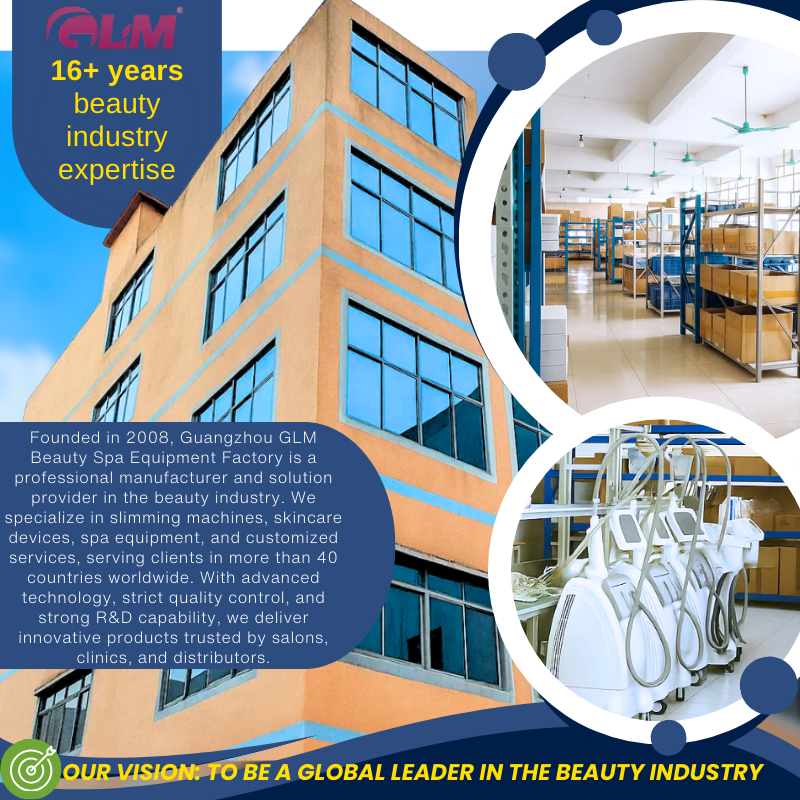
Founded in 2008, Guangzhou GLM Beauty Spa Equipment Factory specializes in research, development, manufacture and selling of beauty and slimming machines. Our production base is located in Guangzhou City, Guangdong Province, China. Since our foundation, we have introduced advanced technologies and equipment, to assure high quality and high performance of our products. With professional marketing guide and excellent after-sales service, our products have been exported to over 20 countries and regions, including Southeast Asia, the Middle East, Europe and the United States, won worldwide praises and gained a good reputation