
The Risks of Radiofrequency Cosmetic Treatments: Potential Side Effects
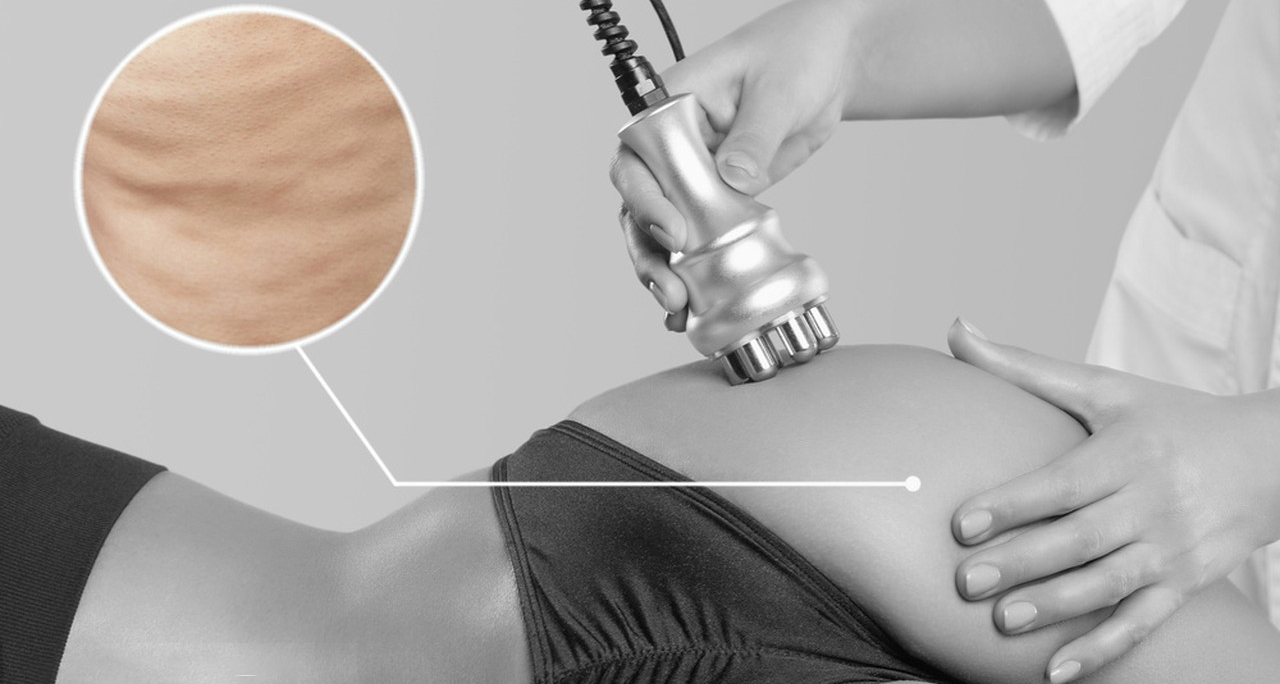
Radiofrequency cosmetic treatments have gained popularity in recent years for their ability to improve the appearance of the skin without invasive procedures or extended downtime. These treatments use radiofrequency energy to stimulate collagen production and tighten the skin, making them a sought-after option for those looking to reduce wrinkles, tighten loose skin, or diminish cellulite.
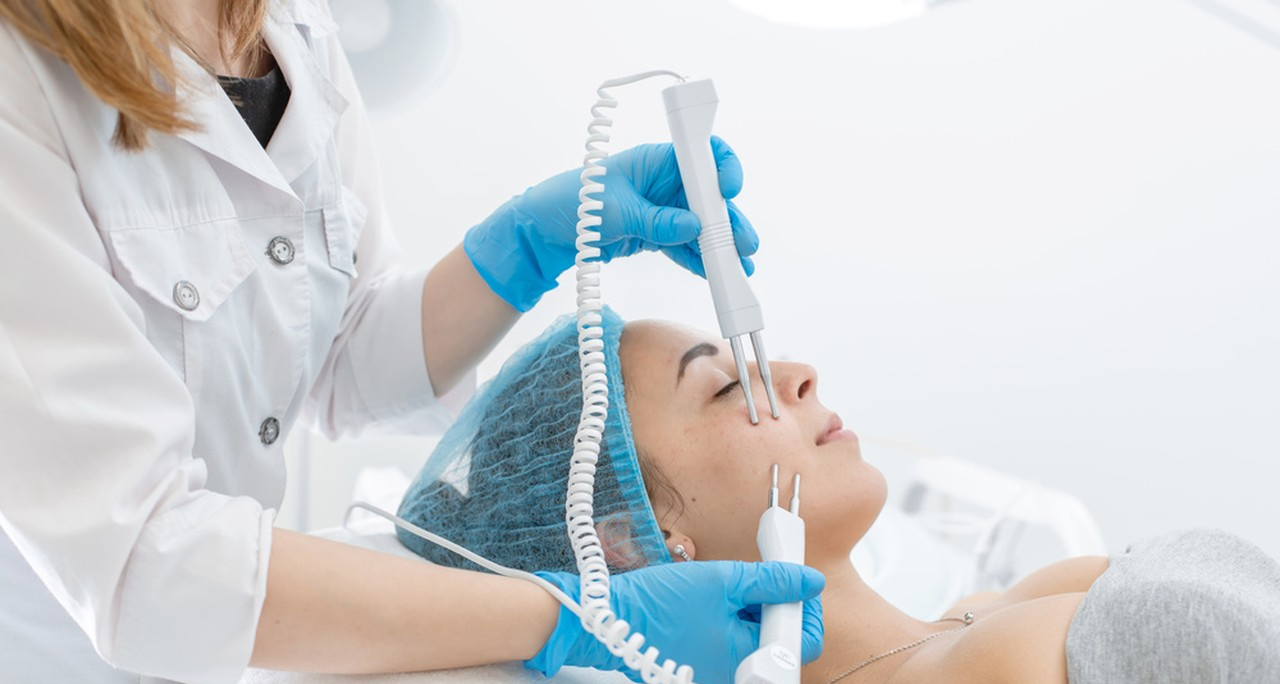
While radiofrequency cosmetic treatments offer many benefits, it is essential to understand and acknowledge the potential side effects before undergoing such procedures. This blog post aims to provide you with a comprehensive overview of the risks associated with radiofrequency cosmetic treatments so that you can make an informed decision.
What are Radiofrequency Cosmetic Treatments?
Radiofrequency cosmetic treatments involve the application of controlled radiofrequency energy to the targeted areas of the skin. This energy heats the skin's underlying layers, stimulating collagen production and promoting skin tightening. Common radiofrequency treatments include skin tightening, cellulite reduction, and wrinkle reduction.
These treatments offer several advantages, such as minimal discomfort, no incisions or scarring, and typically require little to no downtime. However, it is crucial to identify and understand the potential side effects that may arise from these procedures.
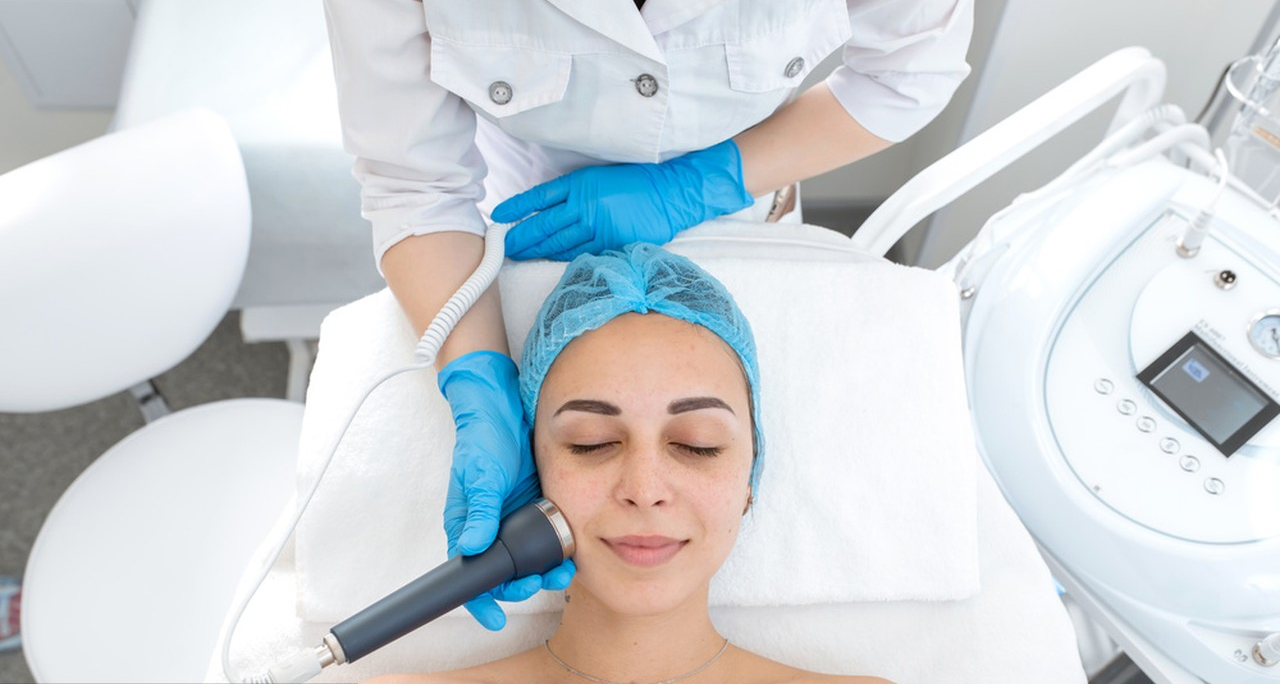
Potential Side Effects of Radiofrequency Cosmetic Treatments
While radiofrequency cosmetic treatments are generally safe, there are potential side effects that patients should be aware of:
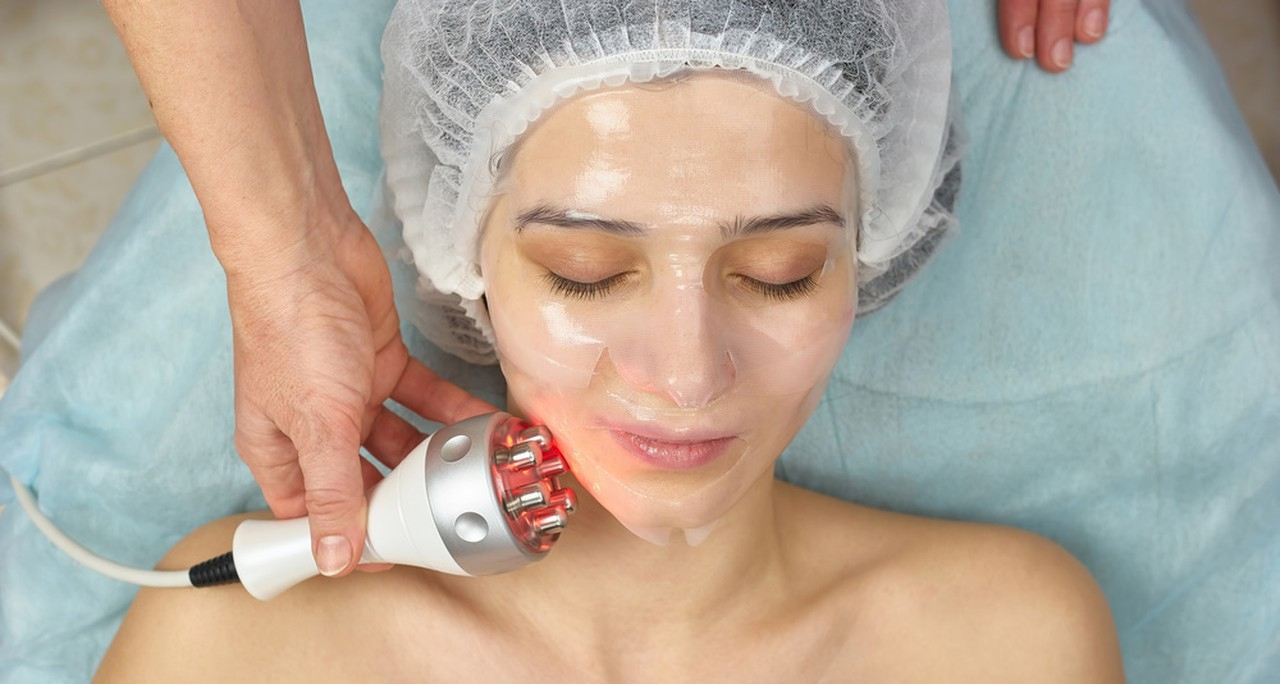
Skin Sensitivity and Irritation
One potential side effect of radiofrequency treatments is skin sensitivity and irritation. After the procedure, some individuals may experience redness, swelling, or itching in the treated area. These side effects are typically mild and temporary, subsiding within a few hours to a few days.
To minimize skin sensitivity and irritation, it is crucial to follow proper aftercare instructions provided by your dermatologist or aesthetician. Using gentle skincare products, avoiding exposure to excessive heat or sunlight, and keeping the treated area clean and moisturized can help alleviate any discomfort.
Pigmentary Changes
Another potential side effect is pigmentary changes in the skin, which can manifest as hyperpigmentation or hypopigmentation. Hyperpigmentation refers to darkening of the skin, while hypopigmentation refers to lightening of the skin in the treated area.
These pigmentary changes are relatively rare and can occur due to factors such as improper treatment settings, individual skin response, or sun exposure following the procedure. To prevent or manage pigmentation issues, it is crucial to protect your skin from excessive sun exposure, use broad-spectrum sunscreen, and consult with your dermatologist for appropriate skincare recommendations.

Burns and Blisters
In some cases, radiofrequency treatments can cause burns or blisters on the skin. These adverse events are typically a result of improper treatment settings or operator error. It is essential to choose a qualified and experienced provider who can ensure the correct parameters are used during the procedure.
If you do experience burns or blisters following a radiofrequency treatment, seek immediate medical attention. Avoid picking or popping any blisters to reduce the risk of infection, and follow your healthcare provider's instructions for proper wound care.
Nerve Damage
Although rare, there is a potential risk of nerve damage associated with radiofrequency cosmetic treatments. This can lead to numbness or loss of sensation in the treated area.

To minimize the risk of nerve damage, it is crucial to choose a reputable provider who is experienced in performing radiofrequency treatments. They will have the expertise to properly assess your candidacy for the procedure and apply the appropriate energy settings to ensure a safe and effective treatment.
Other Potential Side Effects
In addition to the side effects mentioned above, there are a few other potential side effects associated with radiofrequency cosmetic treatments. These may include bruising, discomfort, or swelling in the treatment area.
While these side effects are generally mild and temporary, it is essential to discuss any concerns or questions with your dermatologist or aesthetician before undergoing the procedure.

Conclusion
Radiofrequency cosmetic treatments offer numerous benefits for those seeking non-invasive procedures to improve their skin's appearance. However, it is essential to recognize and understand the potential side effects that may arise.
By following proper aftercare instructions, choosing a qualified provider, and monitoring your skin's response, you can minimize the risk of side effects and achieve optimal results from radiofrequency cosmetic treatments. Consultation with a dermatologist or aesthetician prior to undergoing any cosmetic procedure is essential to ensure your safety and satisfaction.
Remember, an informed decision is a confident decision!