
Introduction: Why the Scalp Has Become the New Frontier of Beauty Care
For decades, professional beauty care has focused primarily on the face and body, while the scalp remained an overlooked territory. Clients worried about acne, pigmentation, wrinkles, or body contouring, yet rarely considered that many of their visible skin and hair concerns originate at the scalp. Today, this perspective is rapidly changing. As the aesthetic industry evolves toward data-driven, personalized treatments, scalp analysis has emerged as a critical diagnostic step rather than an optional add-on.
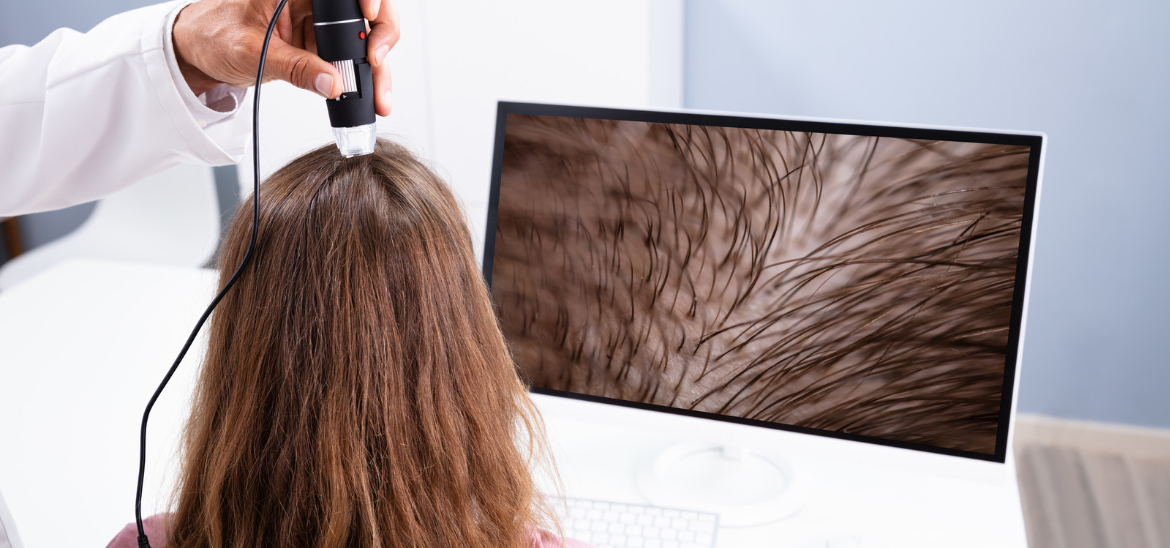
Modern clinics are no longer satisfied with visual inspection or subjective assessment alone. Instead, they rely on advanced imaging, magnification, and AI-powered scalp analyzers to identify issues that are invisible to the naked eye. These devices reveal underlying conditions such as follicle inflammation, micro-inflammation, excessive oil buildup, dandruff, or impaired circulation—all of which can influence not only hair health but also overall skin condition.
For beauty equipment manufacturers and professional practitioners, scalp analysis is not merely a diagnostic tool; it is a strategic gateway to better treatment outcomes, higher client trust, and increased service value. By integrating scalp analysis into routine consultations, clinics position themselves as technologically advanced, scientifically grounded, and results-oriented—key differentiators in today’s competitive aesthetic market.
Background and the Core Problem: Why Hair and Skin Issues Often Start at the Scalp
The scalp is essentially an extension of facial skin, yet it is structurally different. It contains a higher density of sebaceous glands, thicker epidermis, and thousands of hair follicles that continuously grow, shed, and regenerate. This unique environment makes the scalp more prone to imbalances such as excessive oil production, microbial overgrowth, inflammation, and clogged follicles.
Many common complaints—hair thinning, excessive shedding, dandruff, scalp itchiness, or even facial acne along the hairline—can be traced back to scalp dysfunction. However, without proper analysis, these issues are often misdiagnosed or treated superficially. For instance, a client experiencing hair loss may be prescribed topical serums without understanding whether the root cause is follicle miniaturization, scalp inflammation, hormonal imbalance, or poor blood circulation.
Similarly, clients with persistent forehead acne or sensitivity may be treating only the facial skin, while ignoring the scalp’s role in oil transfer, bacterial imbalance, or product buildup. Traditional consultations rely heavily on verbal descriptions and manual examination, which are subjective and limited in accuracy. This creates a gap between client expectations and actual treatment effectiveness.
Scalp analysis bridges this gap by providing objective, visual, and measurable data. It allows practitioners to move beyond guesswork and build customized treatment plans based on real-time scalp conditions rather than assumptions.
Technology and Principle: How Modern Scalp Analysis Works
Contemporary scalp analysis devices integrate multiple technologies, including high-resolution cameras, polarized and UV imaging, digital magnification, and AI-based pattern recognition. These tools work together to create a comprehensive picture of scalp health.
1. High-Definition Microscopic Imaging
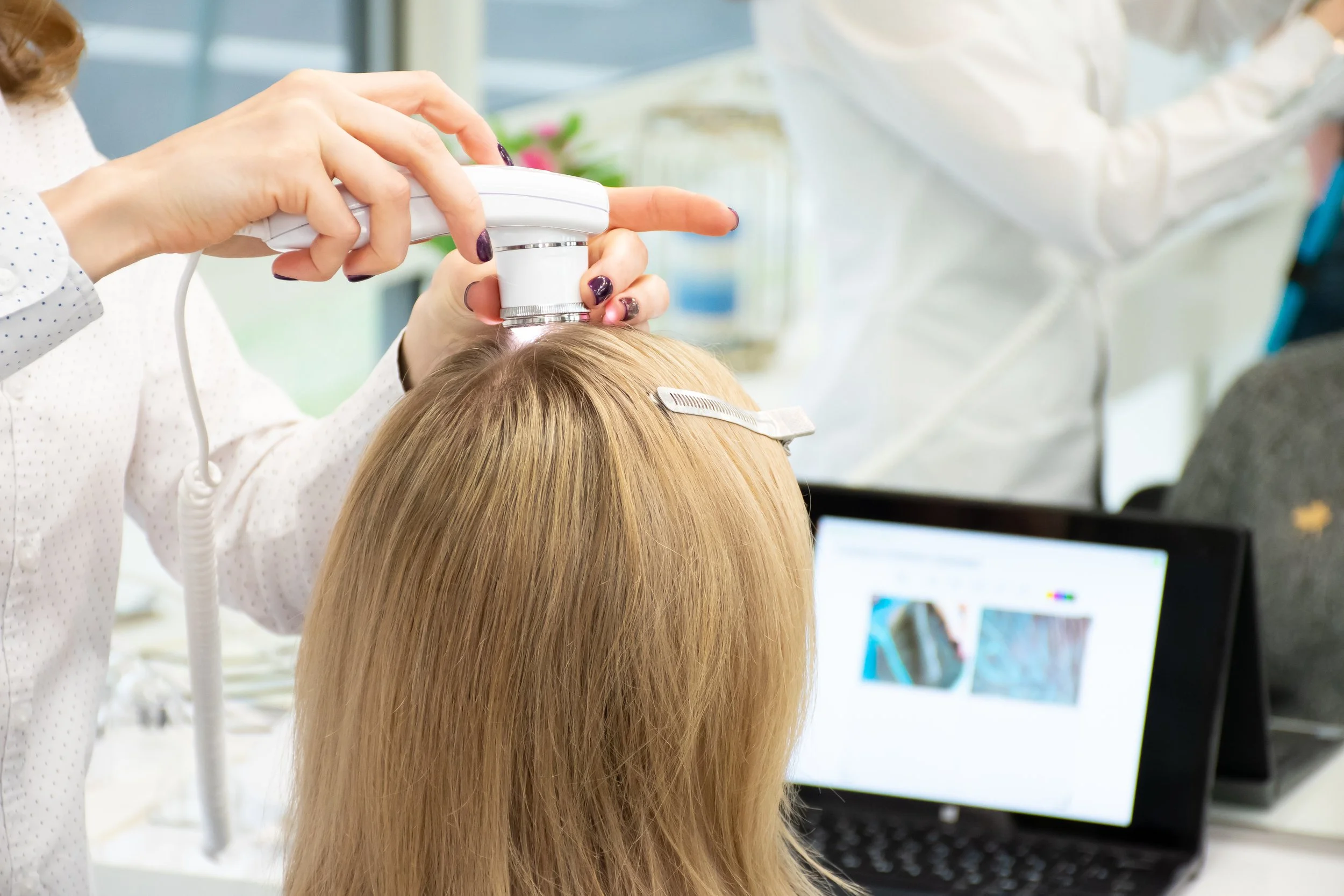
Professional scalp analyzers use magnification ranging from 50x to 200x, allowing practitioners to observe individual hair follicles, pore structure, and scalp texture in detail. This reveals issues such as follicle clogging, sebum accumulation, or weakened hair shafts that would otherwise remain invisible.
2. UV and Polarized Light Examination
UV light highlights oil distribution, product residue, and bacterial activity on the scalp surface. Polarized light, on the other hand, reduces glare and enhances visualization of inflammation, redness, or compromised skin barrier function.
3. AI-Powered Diagnostic Support
Many advanced scalp analysis systems now incorporate artificial intelligence that compares captured images with large databases of scalp conditions. This helps generate preliminary assessments such as “oily scalp with mild inflammation,” “dry scalp with impaired barrier,” or “early-stage follicle miniaturization.” While AI does not replace professional judgment, it significantly enhances diagnostic accuracy and consistency.
4. Data Tracking Over Time
One of the most valuable aspects of digital scalp analysis is its ability to track changes across multiple sessions. Clinics can store baseline images and compare them with follow-up scans, providing visual proof of improvement. This is particularly useful for long-term hair regrowth or scalp treatment programs.
Advantages Compared with Traditional Consultation Methods
From Subjective to Objective Diagnosis
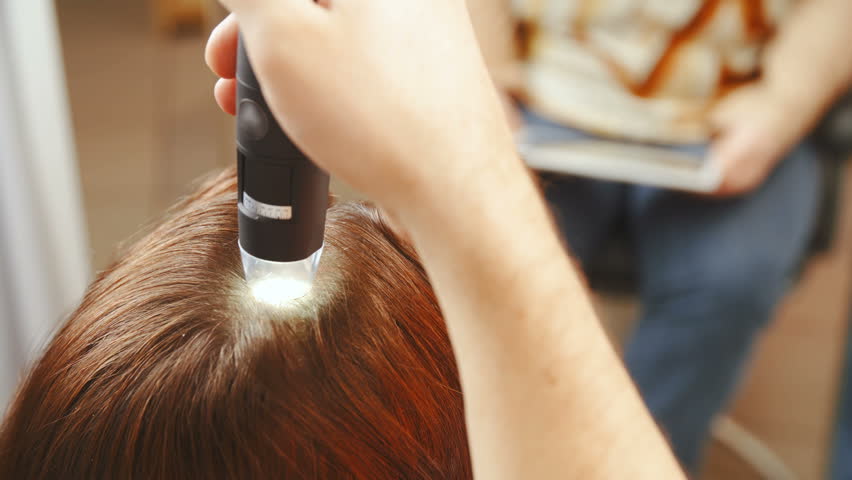
Traditional scalp and hair consultations rely on client descriptions and practitioner observation, which can vary greatly depending on experience and perception. Scalp analysis provides concrete visual evidence, reducing misinterpretation and increasing diagnostic reliability.
More Precise and Personalized Treatments
With clear imaging of scalp conditions, practitioners can tailor treatments more effectively. For example, an oily scalp with inflammation may benefit from high-frequency therapy and deep cleansing, while a dry scalp might require gentle hydration and barrier repair protocols.
Enhanced Client Trust and Transparency
Seeing their scalp condition magnified on a screen creates a powerful psychological impact for clients. It transforms abstract concerns into tangible visuals, making them more likely to trust professional recommendations and commit to treatment plans.
Stronger Clinic Positioning and Revenue Potential
Clinics that offer professional scalp analysis differentiate themselves from competitors. This service can be packaged as a standalone consultation, bundled with treatments, or used as a gateway to premium hair and scalp care programs, increasing overall revenue.
Application Scenarios and Client Needs
Hair Loss and Thinning Assessment
For clients experiencing hair shedding or thinning, scalp analysis helps determine whether the issue is due to follicle blockage, inflammation, nutrient deficiency, or genetic factors. This ensures that treatments such as LED therapy, mesotherapy devices, or microneedling are applied appropriately rather than blindly.
Dandruff and Scalp Sensitivity Management
Scalp analyzers can differentiate between dry flakes and fungal dandruff by examining oil levels, redness, and microbial activity. This allows clinics to recommend targeted treatments instead of generic anti-dandruff shampoos.
Oily Scalp and Acne-Prone Skin
Clients with oily scalps often struggle with forehead acne or hairline breakouts. Scalp analysis helps identify whether excess sebum, clogged follicles, or bacterial imbalance is the main contributor, guiding the use of high-frequency devices or specialized cleansing protocols.
Post-Treatment Monitoring
After scalp treatments such as cold plasma therapy, LED light therapy, or microneedling, follow-up scans provide visual confirmation of healing, reduced inflammation, or improved follicle health, reinforcing treatment credibility.
Integration with Professional Devices
Many modern beauty machines combine scalp analysis with therapeutic tools such as ultrasonic scalp scrubbers, high-frequency wands, or oxygen infusion systems. This seamless integration allows clinics to diagnose, treat, and track progress within a single workflow—an approach increasingly favored by high-end aesthetic centers.
Why Scalp Analysis Matters for Modern Hair and Skin Care
The shift toward personalized, technology-driven beauty care has made scalp analysis an essential component rather than a luxury. Clients today expect evidence-based treatments, not vague promises. By incorporating professional scalp analyzers, clinics elevate their service standard, enhance client satisfaction, and align with global trends in precision aesthetics.
For manufacturers like Guangzhou GLM Beauty Spa Equipment Factory, developing high-quality scalp analysis devices with clear imaging, user-friendly interfaces, and reliable AI support is crucial. Such equipment empowers practitioners to deliver more effective treatments while strengthening their brand reputation in the professional beauty market.
Conclusion: The Foundation of Smarter Hair and Skin Care
Scalp analysis transforms the way professionals approach both hair and skin care. By uncovering hidden issues beneath the surface, it enables more accurate diagnosis, better treatment planning, and measurable results. Rather than treating symptoms in isolation, practitioners can address root causes, leading to healthier scalps, stronger hair, and clearer skin.
As the beauty industry continues to embrace technology, scalp analysis stands at the forefront of this evolution—bridging science, aesthetics, and client-centered care.
Founded in 2008, Guangzhou GLM Beauty Spa Equipment Factory specializes in research, development, manufacture and selling of beauty and slimming machines. Our production base is located in Guangzhou City, Guangdong Province, China. Since our foundation, we have introduced advanced technologies and equipment, to assure high quality and high performance of our products. With professional marketing guide and excellent after-sales service, our products have been exported to over 20 countries and regions, including Southeast Asia, the Middle East, Europe and the United States, won worldwide praises and gained a good reputation.