
Introduction
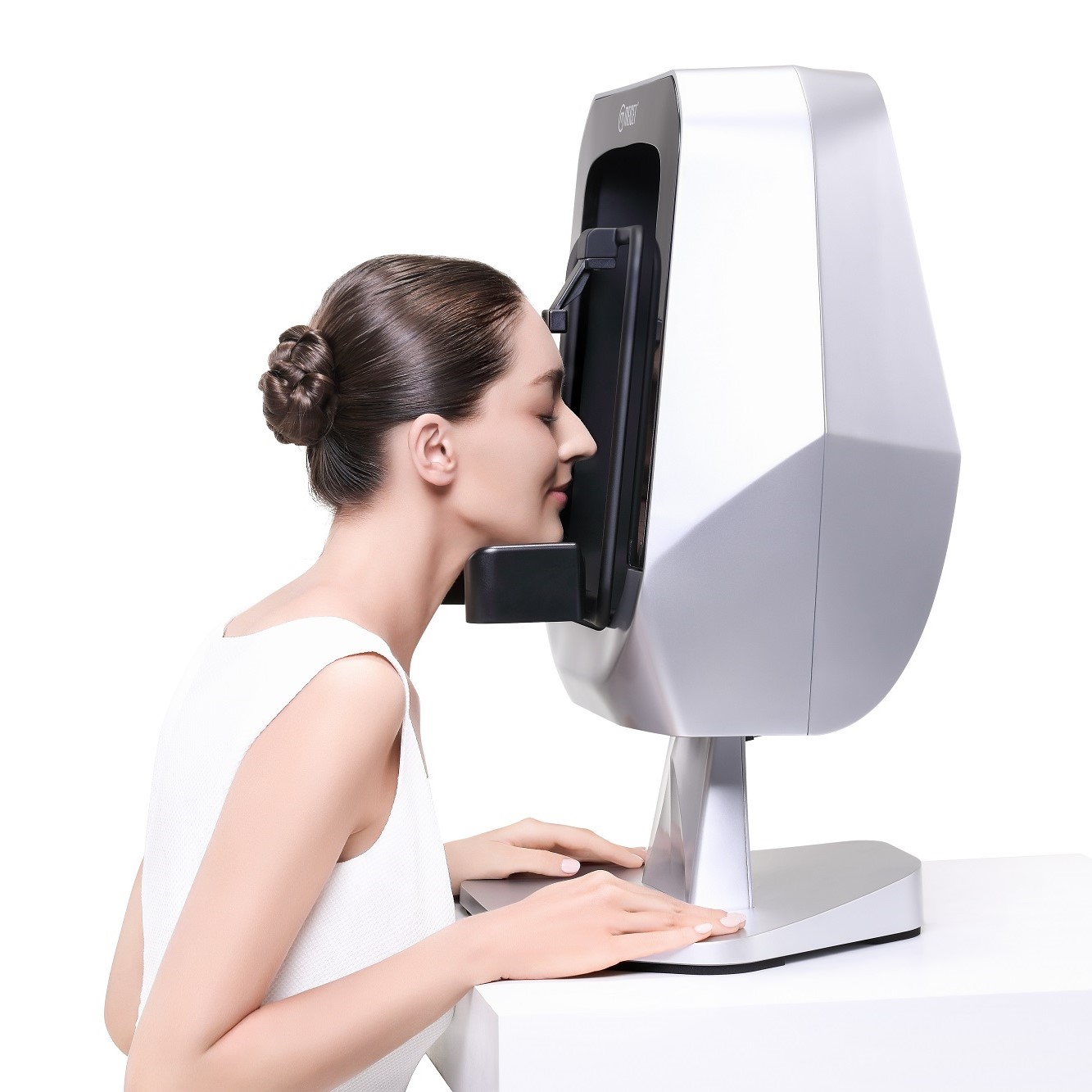
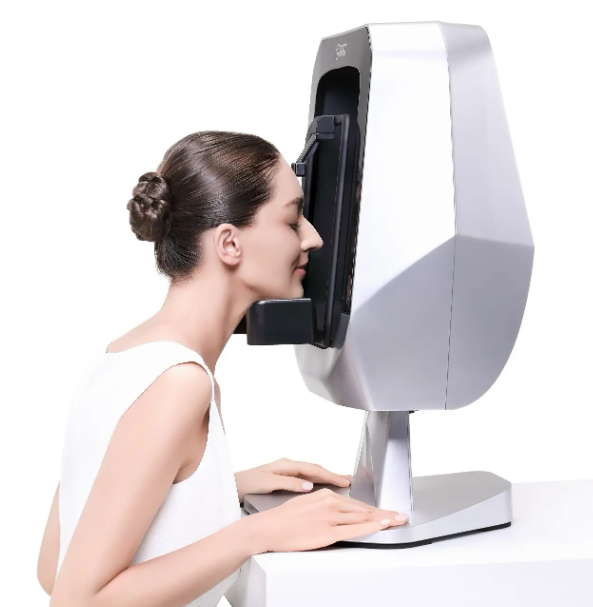
In modern aesthetic medicine, clients demand treatments that are not only effective but also personalized. Gone are the days when generic recommendations sufficed; patients now expect science-backed decisions tailored to their unique skin profiles. This demand has fueled the adoption of advanced diagnostic tools, particularly skin analyzers, which are increasingly recognized as the backbone of aesthetic consultation.
Skin analyzers, once considered optional, are rapidly becoming essential in clinical practice. They combine imaging technology, optical sensors, and AI-driven analysis to provide dermatologists and aestheticians with precise, data-rich insights into the skin’s condition. Their growing presence in clinics worldwide highlights a broader shift in the aesthetic industry toward evidence-based treatments and transparent client communication.
Background: Why Traditional Assessment Falls Short
Traditionally, skin assessment relied on visual inspection, tactile examination, and patient self-reporting. While experienced clinicians can detect many concerns with the naked eye, subtle issues often go unnoticed. For example, early pigmentation changes, subdermal vascular activity, or microscopic pore enlargement are difficult to evaluate without specialized equipment.
Moreover, subjective assessments can create misalignment between clinician and client. A patient may perceive their skin as "sensitive," but without objective data, the clinician’s treatment choice may not fully address underlying conditions such as dehydration, early rosacea, or sun-induced damage. This disconnect can lead to suboptimal results, reduced patient trust, and lower satisfaction rates.
In an era where medical aesthetics competes with dermatology and wellness industries, accurate assessment is no longer optional. Clinics require tools that combine precision, reproducibility, and patient-friendly explanations—criteria that modern skin analyzers fulfill.
Technology and Principles Behind Skin Analyzers
Skin analyzers typically integrate several imaging and diagnostic modalities, each targeting specific layers or conditions of the skin:
-
Visible Light Imaging
Captures surface-level features such as pores, fine lines, acne, and pigmentation. It provides baseline photography for before-and-after comparisons. -
UV and Polarized Light
Highlights deeper pigmentation, vascular irregularities, and hidden sun damage that are invisible under normal lighting. -
Spectral Analysis
Measures chromophore concentration—such as melanin and hemoglobin—revealing imbalances linked to hyperpigmentation, redness, or vascular activity. -
3D Skin Texture Mapping
Provides topographical data on wrinkles, scars, and pore depth, enabling objective measurement of treatment progress. -
Moisture and Sebum Sensors
Quantify hydration and oil balance, offering insights into barrier function and skin type classification.
Recent advancements include AI-driven algorithms, which compare patient data against large databases to provide risk scores for aging, acne recurrence, or pigmentation development. Cloud-based platforms now allow clinics to store and track patient skin data across visits, enhancing continuity of care.
Advantages Compared to Traditional Methods
The adoption of skin analyzers offers several advantages over purely manual assessment:
-
Objectivity: Unlike human evaluation, which may vary, analyzers provide standardized, repeatable measurements.
-
Early Detection: Subsurface analysis detects conditions such as UV-induced pigmentation long before they manifest clinically.
-
Personalized Treatment: Clinicians can tailor interventions—laser settings, chemical peels, or skincare regimens—based on precise data rather than estimation.
-
Patient Education: High-resolution images and visual maps make invisible issues visible, enhancing communication and compliance.
-
Progress Tracking: Before-and-after comparisons backed by data provide tangible evidence of treatment effectiveness.
From a business perspective, analyzers also enhance clinic credibility, supporting evidence-based consultations that distinguish medical-grade services from over-the-counter solutions.
Market Trends Driving Adoption
Several macro trends explain why skin analyzers are gaining traction globally:
-
Rise of Personalized Medicine
Consumers are shifting from “one-size-fits-all” beauty treatments to individualized care. According to market research, more than 60% of skincare consumers prefer solutions recommended through diagnostic testing. -
Integration with AI and Big Data
Modern devices are not just imaging tools; they are decision-support systems. AI models trained on thousands of skin datasets can suggest treatment protocols with growing accuracy. -
Regulatory and Ethical Demands
In Europe and the U.S., regulators emphasize evidence-based claims. Clinics equipped with analyzers can justify treatment choices more effectively, reducing liability. -
Social Media Influence
Patients increasingly expect “proof” of progress through visuals. Sharing before-and-after analyzer results strengthens trust and fuels marketing in competitive markets. -
Global Expansion of Aesthetic Clinics
With rapid growth in Asia, the Middle East, and Latin America, newly established clinics are adopting advanced analyzers as a standard offering to compete internationally.
Application Scenarios and Client Needs
Skin analyzers serve multiple stakeholders in the clinic ecosystem:
-
For Dermatologists and Aesthetic Doctors
They provide diagnostic clarity, guide treatment planning, and document medical necessity. For example, vascular mapping informs the choice between intense pulsed light (IPL) and laser therapy. -
For Aestheticians
They support product recommendations, from moisturizers to serums, by identifying hydration deficits or sebum imbalance. -
For Clients
They deliver transparency. Seeing hidden sun damage or hydration loss builds trust in professional advice and increases compliance with prescribed regimens. -
For Clinics
They offer differentiation. Clinics with analyzers position themselves as scientific, professional, and results-oriented, which resonates with educated, digitally savvy clients.
Specific scenarios include:
-
Pre-treatment consultations for laser or RF procedures.
-
Monitoring recovery in acne or pigmentation management.
-
Annual skin health check-ups as preventive services.
-
Cross-selling opportunities in skincare products aligned with diagnostic findings.
Conclusion
Skin analyzers embody the intersection of science, technology, and patient care in modern aesthetic medicine. They solve the limitations of subjective evaluation, support personalized treatment, and strengthen client-clinic relationships through transparency and data.
As technology advances, analyzers will likely become even more integrated, combining real-time imaging with AI-driven treatment planning and even tele-dermatology. For clinics aiming to remain competitive in a data-driven healthcare landscape, investing in skin analyzers is less an option than a strategic necessity.
Founded in 2008, Guangzhou GLM Beauty Spa Equipment Factory specializes in research, development, manufacture and selling of beauty and slimming machines. Our production base is located in Guangzhou City, Guangdong Province, China. Since our foundation, we have introduced advanced technologies and equipment, to assure high quality and high performance of our products. With professional marketing guide and excellent after-sales service, our products have been exported to over 20 countries and regions, including Southeast Asia, the Middle East, Europe and the United States, won worldwide praises and gained a good reputation.