Introduction
LED light therapy has transitioned from a niche dermatological technology into a mainstream treatment found in aesthetic clinics, medical spas, and even home-use devices. Unlike many trend-driven beauty treatments, LED therapy is grounded in well-established photobiology. Its effectiveness lies not in surface-level skincare claims, but in how different wavelengths of light interact with skin cells at a biological level.
From reducing acne-causing bacteria to stimulating collagen production, LED light therapy addresses multiple skin concerns using a single, non-invasive platform. Understanding the science behind this technology helps clinics design better treatment protocols, set realistic client expectations, and fully leverage the value of professional LED devices.

The Biological Foundation of LED Light Therapy
How Light Interacts with Skin Cells
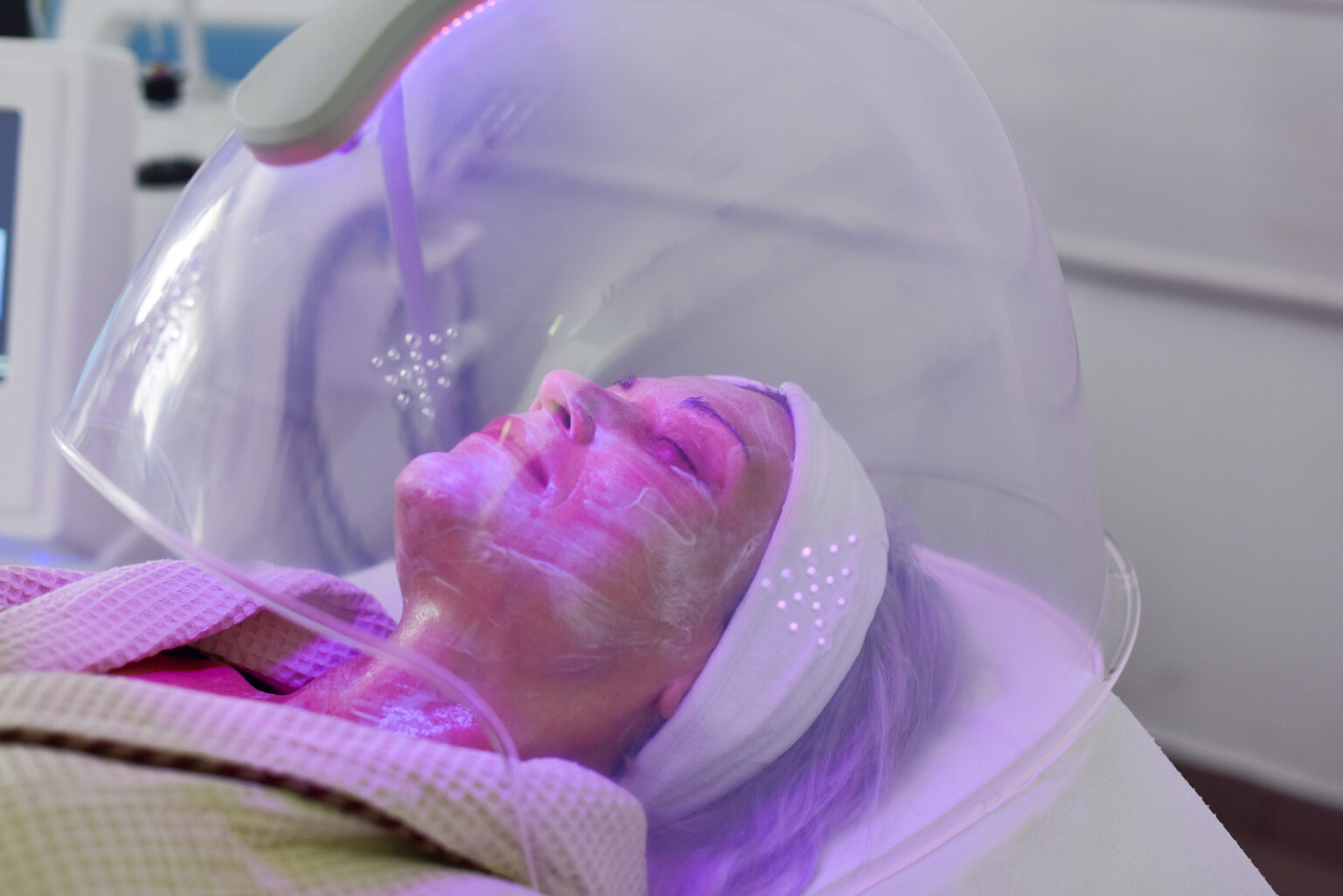
LED therapy works through a process known as photobiomodulation. When light of specific wavelengths penetrates the skin, it is absorbed by intracellular chromophores—primarily within the mitochondria.
This absorption:
-
Enhances cellular energy production (ATP)
-
Regulates inflammatory pathways
-
Influences cell repair and regeneration
Unlike lasers, LEDs do not cause thermal damage or tissue ablation. Their effects are biochemical rather than destructive.
Why Wavelength Matters
Different wavelengths penetrate the skin at different depths and trigger distinct biological responses. This is why professional LED systems typically offer multiple light options rather than a single color.
Blue Light Therapy and Acne Control
Targeting Acne-Causing Bacteria
Blue light (around 415 nm) is particularly effective against Cutibacterium acnes, the bacteria associated with inflammatory acne. These bacteria naturally produce porphyrins, which react to blue light exposure by generating reactive oxygen species that destroy the bacteria from within.
This mechanism:
-
Reduces bacterial load without antibiotics
-
Lowers inflammation
-
Helps prevent future breakouts
Why Blue Light Is Gentle on Skin
Because blue light acts selectively on bacterial byproducts, it does not damage surrounding healthy tissue. This makes it suitable for:
-
Oily skin
-
Acne-prone skin
-
Clients intolerant to harsh topical treatments
Professional LED panels deliver controlled energy levels, ensuring consistent and safe exposure.
Red Light Therapy and Anti-Aging
Stimulating Collagen and Elastin
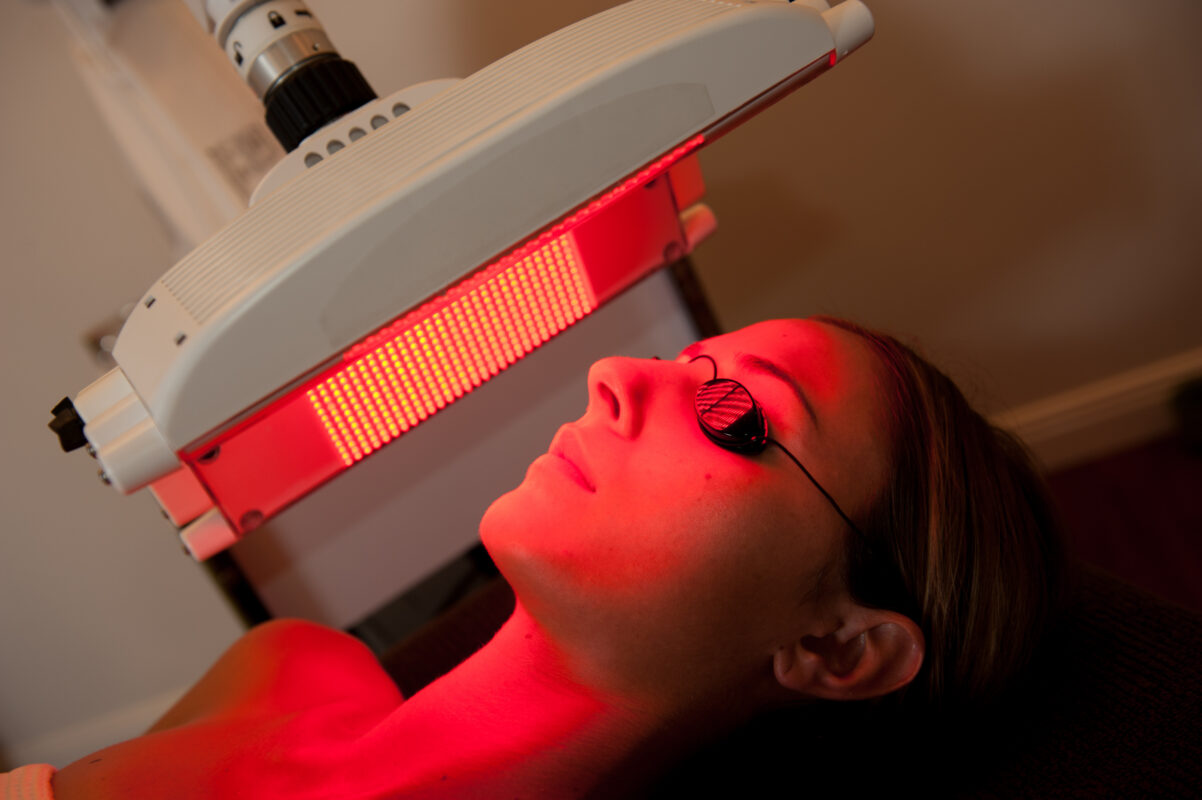
Red light (typically 630–660 nm) penetrates deeper into the dermis, where fibroblasts reside. These cells are responsible for producing collagen and elastin.
Red light exposure:
-
Increases fibroblast activity
-
Enhances collagen synthesis
-
Improves skin elasticity and firmness
This explains why red light is widely used in anti-aging protocols.
Improving Skin Texture and Tone
In addition to collagen stimulation, red light:
-
Improves microcirculation
-
Enhances oxygen delivery
-
Supports cellular repair
Over time, this leads to smoother texture, more even tone, and a healthier skin appearance.
Near-Infrared Light and Deep Tissue Repair
Penetration Beyond the Dermis
Near-infrared light (around 830–850 nm) penetrates deeper than visible light. While invisible to the eye, its biological effects are significant.
It is commonly used to:
-
Reduce inflammation
-
Accelerate healing
-
Support post-procedure recovery
Why Clinics Combine Red and Infrared Light
Using red and near-infrared light together allows clinics to address both surface aging and deeper tissue health in one session. This layered approach maximizes results without increasing treatment complexity.
LED Therapy for Inflammation and Sensitive Skin
Regulating Inflammatory Responses
LED therapy helps modulate cytokine activity, reducing chronic inflammation that contributes to:
-
Acne flare-ups
-
Rosacea
-
Premature aging
This makes LED treatments suitable even for sensitive or compromised skin types.
Supporting Skin Barrier Function
By enhancing cellular repair and circulation, LED light supports the skin’s natural barrier, improving resilience over time.
Why LED Therapy Works Across Multiple Skin Concerns
Unlike single-purpose treatments, LED therapy:
-
Targets cellular function, not just symptoms
-
Adapts to different skin conditions via wavelength selection
-
Complements other aesthetic technologies
This versatility explains its widespread adoption in modern aesthetic practices.
Clinical Applications and Treatment Protocols
Standalone LED Treatments
LED therapy can be used alone for:
-
Mild to moderate acne
-
Early anti-aging
-
Skin maintenance programs
These sessions are comfortable, require no downtime, and encourage regular visits.
LED as a Supportive Technology
More commonly, LED is combined with:
-
Facials
-
Microneedling
-
RF treatments
-
Post-laser recovery protocols
LED enhances treatment tolerance and accelerates visible improvements.
Why Professional LED Devices Deliver Better Results
Energy Precision and Coverage
Professional LED systems offer:
-
Consistent wavelength output
-
Uniform light distribution
-
Adjustable treatment parameters
This ensures predictable biological responses compared to low-powered consumer devices.
Long-Term Treatment Value
From a clinic perspective, LED devices:
-
Serve multiple indications
-
Support package-based sales
-
Increase client retention
Their versatility makes them a core component of modern aesthetic equipment portfolios.
Client Education and Expectation Management
Gradual, Cumulative Results
LED therapy works cumulatively. Clients typically notice:
-
Reduced inflammation first
-
Gradual improvement in texture and tone
-
Progressive anti-aging benefits
Educating clients on this timeline improves satisfaction and compliance.
Why Consistency Matters
Regular sessions reinforce cellular responses, making LED therapy ideal for maintenance-focused treatment plans.
Conclusion
The science behind LED light therapy is rooted in cellular biology, not cosmetic trends. By using specific wavelengths to regulate inflammation, bacterial activity, and collagen production, LED therapy effectively treats acne while supporting long-term anti-aging goals.
For clinics seeking a non-invasive, versatile, and scientifically grounded solution, LED light therapy remains one of the most reliable technologies in modern aesthetics—bridging the gap between medical science and practical skincare results.
Founded in 2008, Guangzhou GLM Beauty Spa Equipment Factory specializes in research, development, manufacture and selling of beauty and slimming machines. Our production base is located in Guangzhou City, Guangdong Province, China. Since our foundation, we have introduced advanced technologies and equipment, to assure high quality and high performance of our products. With professional marketing guide and excellent after-sales service, our products have been exported to over 20 countries and regions, including Southeast Asia, the Middle East, Europe and the United States, won worldwide praises and gained a good reputation.