
Title: Top Acne Scar Treatment Options: Say Goodbye to Acne Scars
Introduction
Introduction:
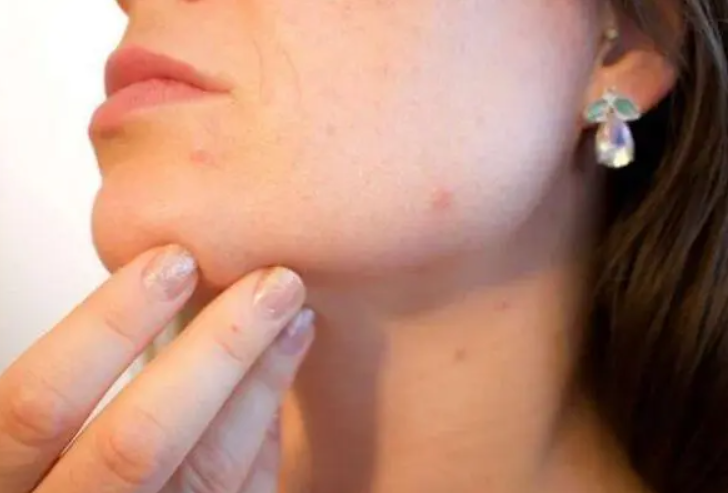
Acne, a common skin condition affecting millions worldwide, often leaves behind scars that can linger long after the inflammation and redness have subsided. These scars, ranging from subtle discoloration to deeper indentations or raised tissue, can significantly affect an individual's self-confidence and overall well-being. Understanding the different types of acne scars and the variety of treatment options available is crucial for anyone seeking to improve the appearance of their skin and regain a sense of self-esteem.
Types of Acne Scars:
-
Ice Pick Scars: These are deep, narrow scars that resemble the puncture marks left by an ice pick. They are usually the most difficult to treat and can appear as small, pitted holes on the skin.
-
Boxcar Scars: These scars have sharp, well-defined edges and can be either shallow or deep. They resemble small craters or indentations on the skin.
-
Rolling Scars: Characterized by a wave-like appearance, rolling scars are caused by underlying fibrous bands that pull down on the skin, creating a uneven texture.
-
Hypertrophic Scars and Keloids: These are raised, thickened scars that form above the level of the surrounding skin. They can be red, itchy, and painful, and can continue to grow over time.
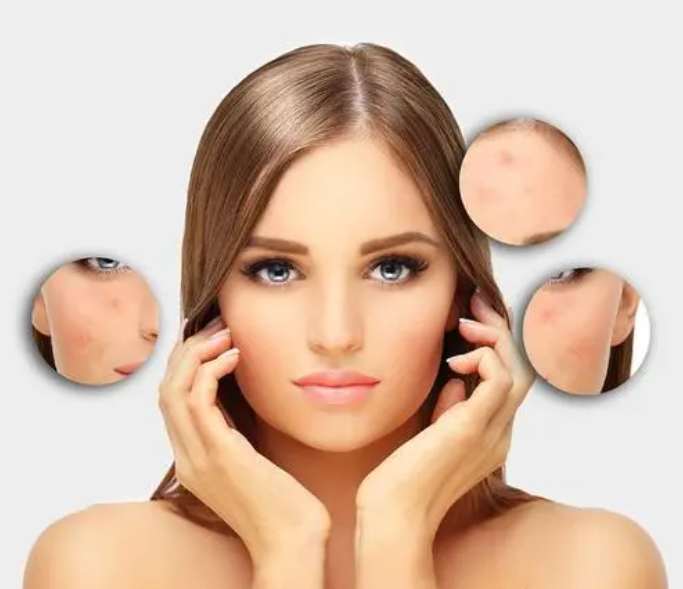
Treatment Options:
- Topical Treatments:
- Retinoids: Prescription-strength retinoids such as tretinoin can help improve the appearance of acne scars by stimulating collagen production and promoting skin cell turnover.
- Scar-Reducing Creams: Over-the-counter or prescription creams containing ingredients like silicone, onion extract, or collagen-boosting peptides can help flatten scars and reduce their visibility.
- Chemical Peels:
- Light, medium, or deep chemical peels can be used to remove the top layers of skin, revealing smoother, less scarred skin beneath. Deeper peels are more effective for severe scars but require longer recovery times.
- Microdermabrasion and Dermabrasion:
- Microdermabrasion is a gentler form of skin resurfacing that uses tiny crystals or a diamond-tipped wand to exfoliate the skin's surface. Dermabrasion, on the other hand, is a more aggressive procedure that removes layers of skin with a rotating brush or wheel. Both can improve the texture of acne scars.
- Laser Therapy:
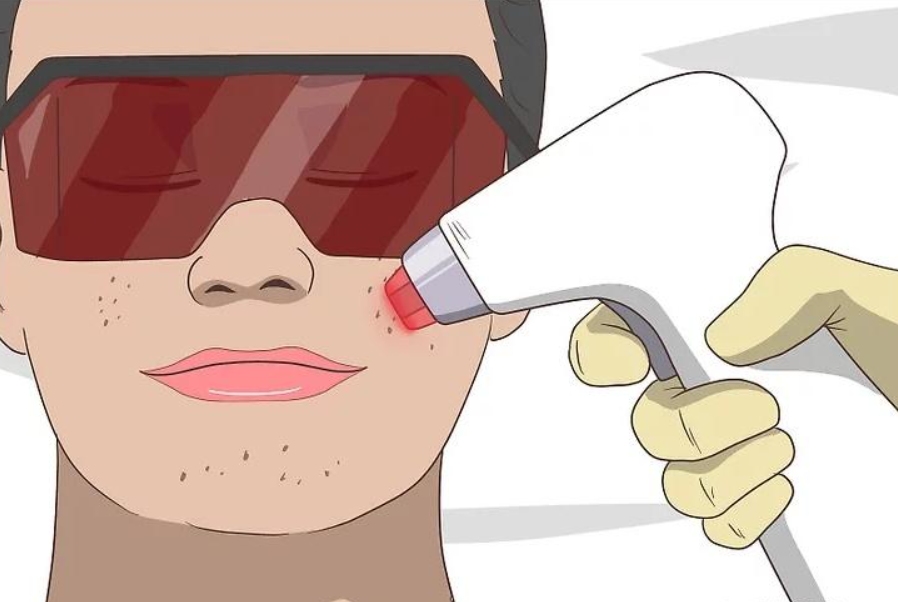
- Laser treatments, including fractional lasers, ablative lasers, and non-ablative lasers, can target acne scars by stimulating collagen production, breaking up scar tissue, or removing the top layers of skin. The type of laser used will depend on the severity and type of scar being treated.
- Subcision:
- For rolling scars, subcision involves inserting a small needle under the skin to break up the fibrous bands that cause the uneven texture. This can help lift the scarred skin, improving its appearance.
- Filler Injections:
- Injectable fillers, such as hyaluronic acid, can be used to plump up depressed acne scars, making them less noticeable. This treatment is temporary and may require repeat injections to maintain results.
- Surgical Options:
- In extreme cases, surgical excision may be necessary to remove severe scars. This involves cutting away the scar tissue and then closing the wound with stitches or skin grafts.
Choosing the Right Treatment:
The best acne scar treatment for you will depend on the type, severity, and location of your scars, as well as your skin type, age, and overall health. It's important to consult with a dermatologist or plastic surgeon who can assess your scars and recommend a personalized treatment plan.
Remember, patience is key when it comes to acne scar treatment. Most scars require multiple treatment sessions spaced apart over several months or even years to achieve optimal results. With the right approach and dedication, it's possible to significantly improve the appearance of acne scars and regain your self-confidence.
Understanding Acne Scars
Acne scars are the unwanted remnants of acne breakouts that can persist long after the acne has cleared. These scars not only affect the appearance of the skin but can also have a significant impact on an individual's self-esteem. There are three primary types of acne scars: atrophic, hypertrophic, and keloid scars, each with distinct characteristics and causes.
Atrophic Scars:
Atrophic scars, also known as depressed scars, are the most common type of acne scar. They occur when there is a loss of collagen during the healing process, leading to a depression or indentation in the skin. This can result in ice pick scars, boxcar scars, or rolling scars, as mentioned earlier. Atrophic scars are caused by the inflammatory response triggered by acne, which damages the underlying skin structure.
Hypertrophic Scars and Keloids:
In contrast to atrophic scars, hypertrophic scars and keloids are raised scars that form above the level of the surrounding skin. Hypertrophic scars are usually confined to the original wound site and tend to flatten over time, while keloids can grow beyond the boundaries of the original injury and continue to enlarge over time. These scars are caused by an excessive production of collagen during the healing process. Genetics, skin type, and the severity of the acne outbreak can all contribute to the development of these scars.
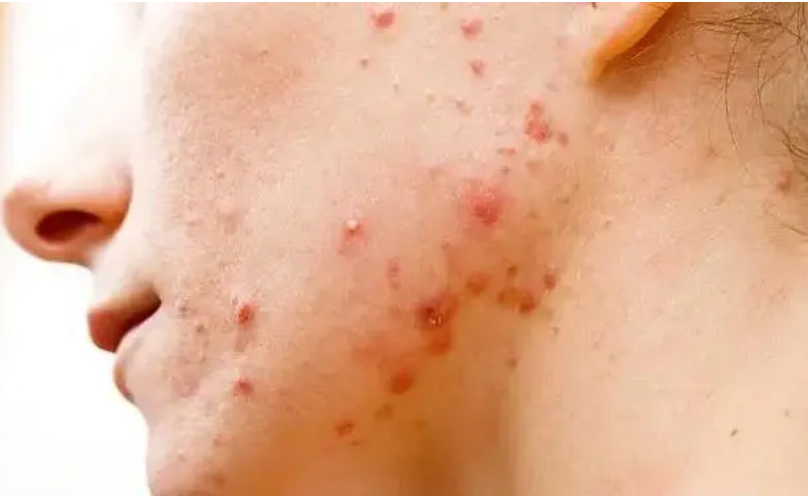
Factors Contributing to Scar Formation:
- Inflammation: Severe inflammation caused by acne can damage the skin's collagen fibers, leading to scar formation.
- Skin Type: Some skin types, particularly those prone to hyperpigmentation, may be more susceptible to acne scarring.
- Age: Teenagers and young adults with acne are more likely to develop scars due to hormonal changes and increased skin oil production.
- Genetics: A family history of acne or scarring can increase an individual's risk of developing acne scars.
- Picking and Squeezing: Physically manipulating acne lesions can introduce bacteria and cause further inflammation, leading to scarring.
Dermatological Treatments
A. Chemical Peels
Chemical peels involve applying a chemical solution to the skin, causing it to exfoliate and peel off. This process removes the damaged outer layers of skin, revealing smoother, less scarred skin beneath.
How They Work:
Chemical peels work by causing controlled injury to the skin, stimulating the production of new skin cells and collagen. The depth of the peel determines the level of exfoliation and the corresponding results.
Benefits:
- Improved skin texture and tone
- Reduced visibility of acne scars
- Enhanced skin clarity and radiance
Types of Chemical Peels:
- Light Peels: Suitable for mild acne scars, light peels use mild acids like glycolic or lactic acid to gently exfoliate the skin's surface.
- Medium Peels: Targeted at moderate acne scars, medium peels, such as trichloroacetic acid (TCA) peels, penetrate deeper into the skin, providing more significant results.
- Deep Peels: Reserved for severe acne scars, deep peels like phenol peels penetrate the deepest layers of skin, causing the most dramatic improvement but also requiring the longest recovery time.
Precautions and Side Effects:
- Skin irritation, redness, and peeling are common side effects, which usually resolve within a few days to weeks.
- Sun protection is crucial post-treatment to prevent further skin damage and hyperpigmentation.
- Patients with sensitive skin or active acne should avoid chemical peels until their skin is in a stable condition.
B. Laser Treatments
Laser treatments use focused beams of light to target acne scars, stimulating collagen production and promoting skin rejuvenation.
Types of Laser Treatments:
- Fractional Lasers: These lasers create micro-injuries in the skin, stimulating the body's natural healing process and promoting collagen production. They are suitable for a wide range of acne scars, including atrophic and hypertrophic scars.
- CO2 Lasers: Carbon dioxide (CO2) lasers are ablative lasers that remove the top layers of skin, revealing smoother skin beneath. They are particularly effective for deep acne scars but require a longer recovery time.
- Pulsed-Dye Lasers: These lasers target redness and inflammation, making them useful for treating early acne scars and preventing their progression.
Advantages:
- Non-invasive or minimally invasive
- Precise targeting of scars
- Minimal downtime for some treatments
Limitations and What to Expect:
- Multiple treatment sessions are usually required for optimal results.
- Post-treatment redness, swelling, and sensitivity are common.
- Sun protection is essential post-treatment to prevent skin discoloration
Home Remedies and Natural Treatments for Acne Scars
A. Topical Treatments
When it comes to tackling acne scars at home, topical treatments are often the first line of defense due to their accessibility and relatively low risk. These treatments work by promoting skin regeneration, reducing inflammation, and lightening the appearance of scars.
Vitamin C:
Vitamin C, also known as ascorbic acid, is a powerful antioxidant that stimulates collagen production in the skin. Collagen is a key structural protein that helps maintain skin elasticity and firmness. For acne scars, vitamin C can help rebuild damaged skin tissue, reducing the visibility of scars over time. Look for products containing L-ascorbic acid, the most bioavailable form of vitamin C, in concentrations ranging from 10% to 20% for optimal results. Apply a small amount to clean, dry skin and follow with a moisturizer to prevent irritation.
Retinoids:
Retinoids, derived from vitamin A, are another effective ingredient for treating acne scars. They work by increasing cell turnover, helping to slough off dead skin cells and revealing fresher, smoother skin beneath. Retinoids also stimulate collagen production, contributing to the improvement of scarred skin. Start with a low-strength retinol product (such as 0.2% to 0.3%) to avoid irritation and gradually work your way up to stronger formulations as your skin becomes accustomed. Use retinoids at night, as they can make skin more sensitive to sunlight.
DIY Treatments:
- Honey Mask: Honey has natural antiseptic and anti-inflammatory properties that can help soothe acne-prone skin and reduce redness. Simply apply a generous layer of raw honey to your face, let it sit for 15-20 minutes, then rinse off with warm water.
- Lemon Juice Spot Treatment: Lemon juice contains citric acid, which can help lighten acne scars over time. Be cautious, however, as lemon juice can be drying and may cause irritation. Dilute it with water (1:2 ratio) and apply it with a cotton ball directly to scars, leaving it on for a few minutes before rinsing.
Tips for Safe and Consistent Use:
- Always patch test new products on a small area of skin before applying them to your entire face.
- Follow the instructions on product labels carefully, paying attention to recommended usage frequency and any precautions.
- Use sunscreen daily, as some topical treatments can make skin more sensitive to UV rays.
- Be patient; while some results may be visible within weeks, significant improvement in acne scars often takes months to a year.
Alternative Acne Scar Treatment Options
A. Microdermabrasion
Microdermabrasion is a non-invasive skin rejuvenation procedure that involves gently exfoliating the top layer of skin using tiny crystals or a diamond-tipped wand. This process removes dead skin cells and stimulates collagen production, helping to reduce the appearance of acne scars, fine lines, and uneven skin texture.
Benefits:
- Non-invasive and relatively painless.
- Can be performed in-office or at home with DIY kits.
- Immediate improvement in skin texture and clarity.
Potential Side Effects and Downtime:
- Mild redness and irritation post-treatment, which typically resolves within a few hours.
- Increased sensitivity to sunlight for a few days after treatment.
- Regular sessions (every 2-4 weeks) may be necessary to maintain results.
B. Platelet-Rich Plasma (PRP) Therapy
PRP therapy is a cutting-edge treatment that harnesses the healing power of your own blood. During the procedure, a small sample of your blood is drawn and processed to separate out the platelets, which are rich in growth factors and other proteins that promote healing. The concentrated platelet-rich plasma is then injected into the acne scarred areas, stimulating collagen production and tissue regeneration.
Benefits:
- Uses your body's own natural healing mechanisms.
- Can effectively treat both atrophic (indented) and hypertrophic (raised) acne scars.
- Long-lasting results with minimal downtime.
Potential Risks:
- Mild bruising, swelling, and redness at injection sites.
- Risk of infection, though rare when performed by a qualified professional.
- May not be suitable for everyone, particularly those with certain blood disorders or taking certain medications.
In conclusion, there are a variety of home remedies, natural treatments, and alternative procedures available to help reduce the appearance of acne scars. While topical treatments and DIY remedies offer convenience and affordability, microdermabrasion and PRP therapy provide more targeted and potentially more effective solutions for those seeking more dramatic results. It's important to weigh the pros and
Choosing the right treatment option for acne scars can be a complex and personalized process, as each individual's skin type, the severity and type of scars, budget constraints, and lifestyle factors must be taken into account.
1. Assess the Severity and Type of Acne Scars
The first step is to understand the severity and nature of your acne scars. Acne scars can be broadly classified into two categories:
Ice Pick Scars: These are deep, narrow scars that resemble the punctures made by an ice pick. They are often the most difficult to treat.
Boxcar Scars: These are angular or round depressions with sharp edges and are usually wider than ice pick scars.
Rolling Scars: These cause the skin to have a wave-like appearance, often due to collagen loss beneath the skin's surface.
Hypertrophic Scars and Keloids: These are raised scars that form above the skin's surface and can be itchy or painful.
Understanding the type of scar will help determine the most effective treatment option.
2. Consult a Dermatologist or Skincare Professional
A consultation with a qualified dermatologist or skincare professional is crucial. They can assess your skin, discuss your concerns, and recommend personalized treatment options based on your specific needs. A professional will also consider your skin type, allergies, and any existing medical conditions that may impact treatment.
3. Consider Budget and Cost
Treatment options for acne scars can vary widely in cost, from relatively affordable over-the-counter products to more expensive procedures performed by dermatologists. It's important to consider your budget and financial constraints when selecting a treatment plan. Some treatments may require multiple sessions or follow-up care, which can add to the overall cost.
4. Evaluate Downtime and Recovery Needs
Different treatment options have varying downtime and recovery requirements. Some procedures, such as laser resurfacing or dermabrasion, may require significant downtime with potential side effects like redness, swelling, and skin sensitivity. Others, like chemical peels or microdermabrasion, may have minimal downtime and fewer side effects. It's important to factor in your lifestyle and schedule when choosing a treatment that aligns with your downtime needs.
5. Understand the Potential Risks and Side Effects
All treatments come with potential risks and side effects. It's essential to discuss these with your dermatologist or skincare professional to ensure you're fully informed and comfortable with the decision. Some treatments may cause temporary discomfort, skin irritation, or pigmentation changes. In rare cases, more serious complications can occur.
6. Consider Long-Term Maintenance
While many treatments can significantly improve the appearance of acne scars, some may require ongoing maintenance to maintain results. Discuss with your provider the expected longevity of the treatment and any follow-up care or maintenance treatments that may be necessary.
7. Research and Compare Treatment Options
With so many treatment options available, it's helpful to research and compare different methods. Consider factors such as efficacy, cost, downtime, and potential side effects. Reading reviews, talking to others who have undergone similar treatments, and attending consultations with multiple professionals can help you make an informed decision.
8. Be Patient and Realistic
It's important to remember that treating acne scars takes time and patience. Results may not be immediately visible, and some treatments may require multiple sessions to achieve desired outcomes. It's essential to set realistic expectations and work closely with your dermatologist or skincare professional to achieve the best possible results.
In conclusion, choosing the right treatment option for acne scars involves careful consideration of multiple factors, including severity and type of scars, budget, downtime needs, potential risks and side effects, long-term maintenance, and personal preferences. Consulting with a qualified dermatologist or skincare professional is key to ensuring you make an informed and personalized decision.
Conclusion: Embarking on the Journey to Clearer, More Confident Skin
Discovering the best acne scar treatment options is a pivotal step in reclaiming your skin's natural radiance and boosting your self-confidence. Acne scars, whether they are deep or superficial, can significantly impact one's self-esteem and overall well-being. However, with the myriad of treatments available today, it's possible to find a solution that works best for you and your unique skin concerns.

Embracing the Diversity of Treatment Options
The world of acne scar treatments is vast and diverse, offering a range of options to suit different skin types, scar severities, and personal preferences. From advanced medical procedures like laser resurfacing, microdermabrasion, and dermal fillers to more gentle and natural approaches like chemical peels, topical creams, and home remedies, there's something for everyone.
Understanding the Science Behind Each Treatment
To make an informed decision, it's essential to understand the science behind each treatment option. For instance, laser resurfacing utilizes laser energy to stimulate collagen production, which helps to smooth out scarred skin. Microdermabrasion, on the other hand, exfoliates the skin's surface, removing the outermost layer of dead skin cells to reveal smoother, more even-toned skin beneath. Chemical peels, which involve applying a chemical solution to the skin, cause it to exfoliate and peel off, revealing fresher, less scarred skin.
Personalizing Your Treatment Plan
The key to finding the best acne scar treatment lies in personalization. No single treatment works for everyone, and it's crucial to consider factors such as your skin type, scar severity, budget, downtime needs, and any potential risks or side effects. Consulting with a dermatologist or skincare professional is the best way to ensure that your treatment plan is tailored to your unique needs and goals.
Embracing Patience and Consistency
It's important to remember that treating acne scars takes time and patience. Results may not be immediately visible, and some treatments may require multiple sessions or ongoing maintenance to achieve desired outcomes. Consistency is key, and sticking to your treatment plan can make all the difference in achieving clearer, more confident skin.
Embracing a Holistic Approach
While targeted treatments are essential for addressing acne scars, a holistic approach to skincare can also help to improve the overall health and appearance of your skin. This may include maintaining a healthy diet, staying hydrated, avoiding excessive sun exposure, and incorporating skincare products that support your skin's natural healing processes.
Celebrating Your Journey
Ultimately, embarking on the journey to clearer, more confident skin is a celebration of self-love and self-care. It's about recognizing that your skin is a reflection of your inner beauty and taking steps to nurture and protect it. As you explore different treatment options and find what works best for you, remember to celebrate each small victory and the progress you're making towards achieving your skincare goals.
In conclusion, discovering the best acne scar treatment options is an empowering process that can lead to significant improvements in your skin's appearance and your overall self-confidence. By understanding the diversity of treatment options, personalizing your plan, embracing patience and consistency, adopting a holistic approach, and celebrating your journey, you can say goodbye to acne scars and hello to clearer, more radiant skin.