Introduction
The aesthetic industry is entering a new phase in 2026. For professional beauty clinics, medspas, dermatology practices, and advanced salons, technology is no longer simply about adding a more powerful machine to the treatment room. The bigger shift is toward smarter diagnosis, more personalized protocols, greater treatment versatility, and better integration between consultation and treatment.
Recent industry coverage points to AI-assisted analysis, hybrid platforms, multi-wavelength systems, and personalized treatment planning as important directions for aesthetic technology in 2026. At the same time, professional clients increasingly expect natural-looking outcomes, transparency, measurable progress, and treatments that fit their individual concerns.
For clinic owners and aesthetic professionals, this creates an important question: Which technologies are likely to have real value beyond short-term popularity?
The answer is not necessarily the newest or most complicated device. The strongest technologies are those that help professionals assess clients more accurately, deliver controlled energy, create flexible treatment protocols, improve the client experience, and build a sustainable service menu.
Here are seven aesthetic technology trends worth watching in 2026.
1. AI-Powered Skin Analysis Is Becoming a Smarter Starting Point
One of the most significant developments in professional aesthetics is the integration of artificial intelligence with skin analysis.
Traditional skin consultations depend heavily on visual examination, photography, client descriptions, and practitioner experience. These remain important, but digital imaging and AI can provide an additional layer of standardized information.
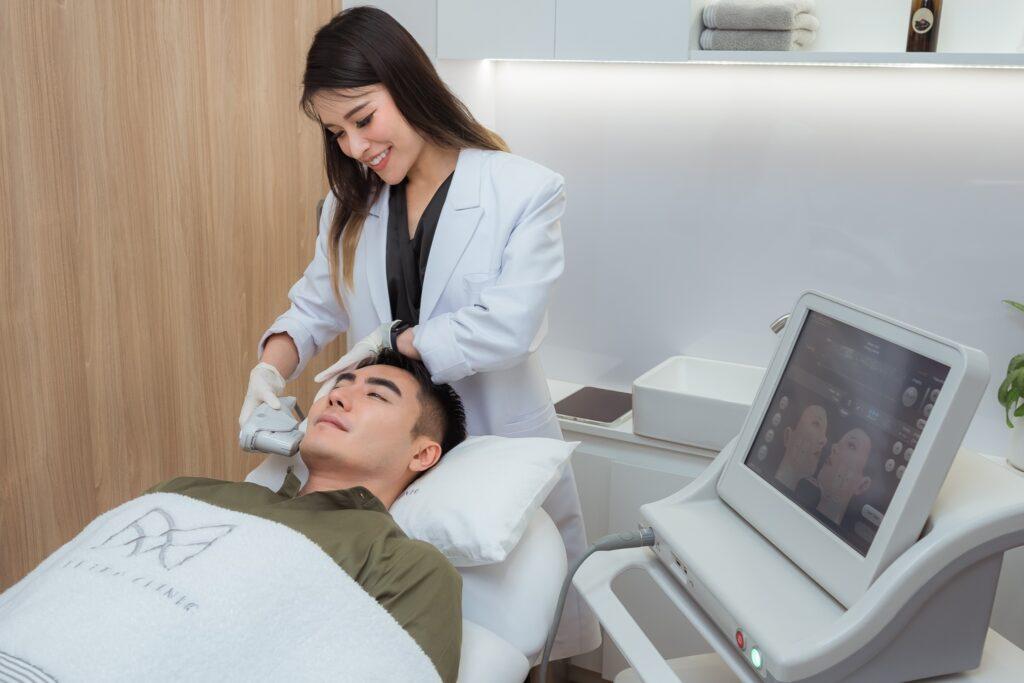
Modern skin analysis systems can assess visible characteristics such as wrinkles, pigmentation, pores, redness, texture, and other skin conditions. More advanced systems may compare images over time and create visual or numerical records that help practitioners monitor treatment progress.
The real value is not that AI replaces an experienced aesthetic professional. Instead, AI can help transform a consultation from a largely subjective conversation into a more structured process.
For example, a clinic could perform an initial skin analysis before beginning an RF, LED, ultrasound, or facial treatment program. After several sessions, new images can be captured and compared with the baseline. This gives practitioners a clearer way to discuss progress with clients.
Research published in Aesthetic Plastic Surgery in 2026 also highlights the expanding role of AI in non-surgical cosmetic procedures, including assessment, treatment planning, real-time monitoring, and post-treatment care.
However, AI should be treated as a decision-support technology, not a replacement for professional judgment. Image quality, algorithm performance, privacy, training, and regulatory requirements remain important considerations.
For equipment manufacturers, this trend creates opportunities to integrate cameras, software, data management, and treatment technologies into a more complete professional workflow.
2. Personalized Treatment Is Replacing the One-Device-Fits-All Approach
The second major trend is the move toward personalized aesthetic protocols.
Clients rarely have only one concern. A single person may want to address skin laxity, uneven texture, dullness, pigmentation, or body contouring at the same time. Applying exactly the same treatment parameters to every client is therefore becoming less attractive.
Personalization can involve several levels:
- Selecting an appropriate technology for the client's concern
- Adjusting energy levels and treatment duration
- Choosing different handpieces or treatment depths
- Combining complementary technologies
- Creating a treatment schedule based on client response
- Monitoring changes between sessions
This does not mean every treatment needs to become technologically complicated. In many cases, personalization simply means giving practitioners more control over treatment parameters.
For example, an RF platform with adjustable intensity, multiple handpieces, temperature monitoring, and different treatment modes can be more useful in a professional clinic than a device designed around one fixed protocol.
This is particularly important for clinics serving diverse client groups. Flexible equipment allows the operator to adapt the service without purchasing a completely separate machine for every individual concern.
3. Energy-Based Devices Are Moving Toward Greater Precision
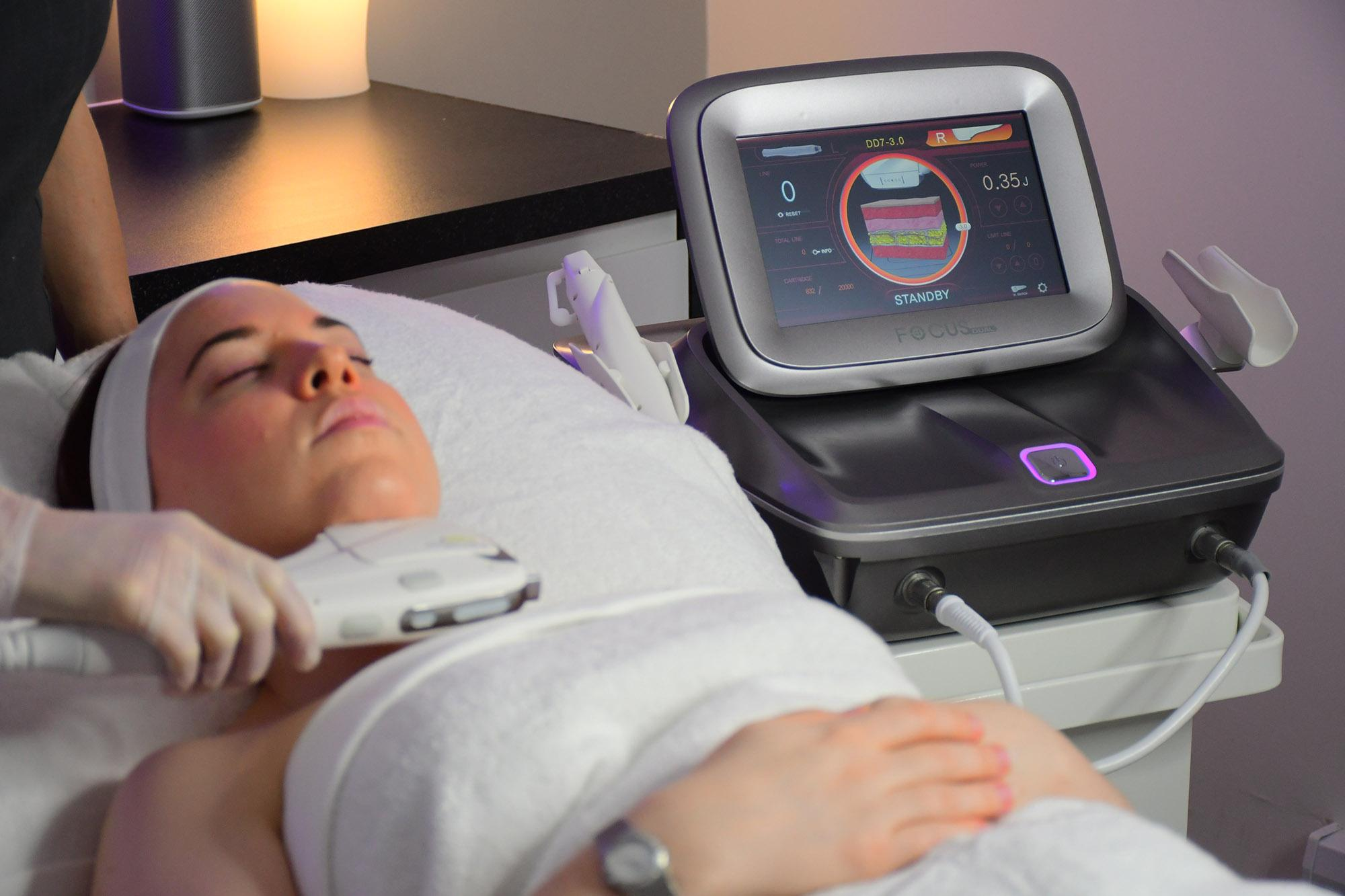
Radiofrequency, ultrasound, HIFU, laser, IPL, LED, and other energy-based technologies continue to play an important role in aesthetic treatment.
The technology itself is not new. What is changing is the emphasis on precision, controllability, monitoring, and treatment consistency.
RF devices use electromagnetic energy to create controlled thermal effects in tissue. Ultrasound uses acoustic energy, while laser and light-based systems depend on specific wavelengths and the interaction between optical energy and target tissues.
For professional operators, simply having high energy output is not enough.
A useful system should provide appropriate control over parameters such as energy level, pulse characteristics, treatment time, temperature, treatment area, and handpiece selection. The goal is to give trained professionals a predictable operating environment.
This distinction is especially important when comparing professional equipment with basic home-use devices.
Professional systems can generally offer larger treatment areas, more adjustable parameters, specialized handpieces, stronger workflow integration, and greater opportunities for standardized protocols. Home devices may be suitable for certain maintenance applications, but professional equipment is designed around a different level of operator control and service delivery.
In 2026, the competitive advantage is increasingly moving from “more power” to “better control
4. Hybrid and Multi-Functional Platforms Are Gaining Attention
Another important trend is the development of multi-functional and hybrid aesthetic platforms.
Instead of investing in a separate device for every treatment category, clinics are increasingly interested in systems that combine complementary technologies or provide several treatment modes.
Industry equipment coverage in 2026 identifies hybrid platforms—such as combinations involving RF, ultrasound, laser, IPL, body-contouring technologies, or other modalities—as an important direction for professional practices.
The business logic is straightforward.
A multi-functional platform can potentially:
- Expand the clinic's treatment menu
- Reduce equipment redundancy
- Improve room utilization
- Support combination protocols
- Serve different client concerns
- Create opportunities for treatment packages
For example, a platform combining RF and vacuum technology can be positioned around skin tightening, body contouring, or cellulite-focused services, depending on the specific technology and professional protocol.
Likewise, a facial platform that combines cleansing, exfoliation, infusion, oxygen-related functions, LED, or other modalities can create a more complete facial treatment journey.
However, multifunctionality should not become an excuse for poor performance. A machine with ten functions is not automatically better than a focused professional system.
The important question is whether each function is useful, controllable, reliable, and commercially relevant to the clinic.
5. Multi-Wavelength Technology Is Expanding Treatment Flexibility
Laser and light-based technologies are also becoming increasingly sophisticated.
One notable direction is the use of multiple wavelengths within a single professional platform.
Different wavelengths interact with different chromophores and tissue targets. In aesthetic applications, this allows practitioners to select an appropriate wavelength based on factors such as the treatment objective, hair characteristics, skin type, and treatment area.
Diode laser systems are a good example. Professional platforms may combine wavelengths such as 755 nm, 808 nm, and 1064 nm, giving operators greater flexibility across different treatment scenarios.
Multi-wavelength systems can be particularly attractive for clinics because they may reduce the need to maintain several separate laser platforms.
But wavelength selection is only one part of the equation. Cooling, pulse control, energy density, spot size, treatment speed, handpiece design, and operator training all contribute to the overall treatment experience.
This is why the future of professional laser equipment is not simply about adding more wavelengths. It is about combining wavelength flexibility with controlled energy delivery and practical usability.
6. Non-Invasive and Low-Downtime Treatments Will Continue to Shape Demand
Clients are increasingly interested in aesthetic procedures that fit into busy lifestyles.
This is helping maintain demand for technologies designed around non-invasive or minimally disruptive treatment experiences, including RF, ultrasound, LED, professional facial systems, body-contouring technologies, and other energy-based platforms.
The trend is not simply about avoiding invasive procedures. It is also about creating treatment programs that clients can realistically maintain.
A clinic may, for example, offer a structured series of professional skin treatments rather than positioning every service as a one-time transformation. This approach can encourage repeat visits and create a more consistent relationship between the practitioner and client.
Current consumer research also indicates increasing interest in longevity, natural-looking outcomes, personalization, and greater transparency when people consider aesthetic treatments.
For professional equipment suppliers, this means devices should increasingly be evaluated not only by technical specifications but also by how easily they can fit into repeatable treatment protocols.
A machine that can support a 30-minute, 45-minute, or 60-minute professional service with clear operating steps may have greater commercial value than a technically impressive device that is difficult to integrate into daily clinic operations.
7. The Aesthetic Clinic Is Becoming a Connected Technology Ecosystem
Perhaps the most important long-term trend is the movement from individual machines toward connected clinic workflows.
In the traditional model, the skin analysis system, treatment device, photography system, consultation process, and client records may all operate independently.
The emerging model is more integrated:
Analyze → Plan → Treat → Monitor → Compare → Adjust
For example, a client could begin with digital skin analysis. The practitioner then selects an appropriate treatment protocol using RF, LED, ultrasound, laser, or another technology. After treatment, standardized images or measurements can be stored for future comparison.
This creates a more continuous treatment journey.
It also changes the role of aesthetic equipment. A device is no longer simply a machine that produces energy. It can become part of the clinic's consultation, treatment, documentation, and retention strategy.
Systematic research published in 2026 describes AI, augmented reality, and other digital technologies as increasingly integrated into aesthetic practice, while also emphasizing the need for professional training and appropriate consideration of limitations and risks.
For manufacturers, this suggests that future product development should consider not only hardware but also software interfaces, data management, usability, training, and after-sales support.
What These Trends Mean for Professional Clinics
Looking at these seven trends together, one pattern becomes clear: the aesthetic equipment market is moving from isolated machines toward intelligent treatment systems.
The most valuable equipment investment in 2026 may not necessarily be the machine with the longest feature list. Instead, clinics should consider several practical questions:
Does the device solve a real client problem?
Technology should have a clear treatment purpose. Popularity alone is not enough.
Can practitioners control the treatment?
Adjustable parameters, suitable handpieces, monitoring functions, and clear operating procedures can make a significant difference in professional use.
Can the equipment support multiple services?
Versatility can help clinics expand their treatment menu without creating unnecessary equipment duplication.
Can it fit into repeatable protocols?
A device becomes commercially more useful when it can be incorporated into standardized treatment programs.
Can clients understand the value?
Technology should be easy for practitioners to explain. Visualization, progress tracking, and clear treatment logic can improve communication during consultations.
Is training and support available?
Professional equipment requires more than hardware. Training, manuals, troubleshooting, spare parts, warranty support, and technical service all contribute to long-term value.
Conclusion
The top aesthetic technology trends of 2026 point toward a more intelligent and integrated future.
AI-powered skin analysis is helping make consultations more structured. Personalized treatment protocols are replacing rigid one-size-fits-all approaches. RF, ultrasound, HIFU, laser, LED, and other energy technologies are becoming more focused on precision and controllability. Hybrid and multifunctional platforms are helping clinics build broader treatment menus, while multi-wavelength systems offer greater flexibility for professional laser applications.
At the same time, demand for non-invasive, low-downtime, natural-looking treatments continues to influence how clinics build their services.
The most important shift, however, is conceptual.
The future of aesthetic technology is not simply about having a more advanced machine. It is about creating a better connection between diagnosis, technology, professional expertise, treatment protocols, and measurable client progress.
For aesthetic clinics and professional beauty businesses, choosing equipment in 2026 should therefore be less about chasing every new trend and more about investing in technology that can become a reliable part of the clinic's long-term treatment ecosystem
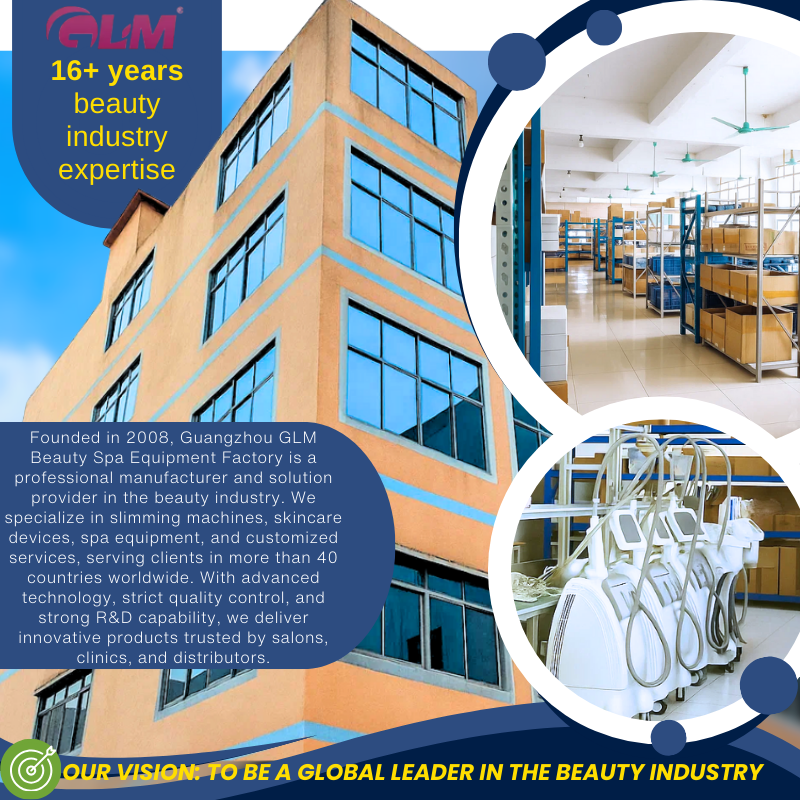
Founded in 2008, Guangzhou GLM Beauty Spa Equipment Factory specializes in research, development, manufacture and selling of beauty and slimming machines. Our production base is located in Guangzhou City, Guangdong Province, China. Since our foundation, we have introduced advanced technologies and equipment, to assure high quality and high performance of our products. With professional marketing guide and excellent after-sales service, our products have been exported to over 20 countries and regions, including Southeast Asia, the Middle East, Europe and the United States, won worldwide praises and gained a good reputation