

Ultimate Guide to Restoring Skin After Weight Loss
Introduction
Losing weight is a tremendous achievement, but it can leave you with loose and sagging skin. In this ultimate guide, we will explore the most effective strategies to restore your skin's elasticity after weight loss, helping you achieve the body you desire.
Understanding the effects of weight loss on the skin
When an individual undergoes a significant weight loss journey, it's not just the internal health that benefits; the external appearance also undergoes significant changes. However, one aspect that is often overlooked is the impact weight loss has on the skin.
Loose Skin
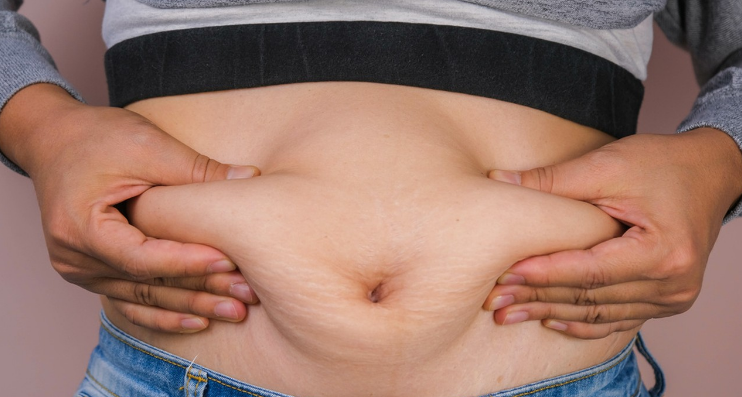
As the body gains weight, the skin stretches to accommodate the additional fat cells. Unfortunately, when significant weight is lost, the skin does not always snap back to its original form and tightness. This is especially true when weight loss is rapid or when a substantial amount of weight is lost. The most common areas where loose skin is noticeable are the abdomen, thighs, arms, and neck. This loose skin can not only be aesthetically displeasing but can also make an individual feel self-conscious about their appearance.
Stretch Marks
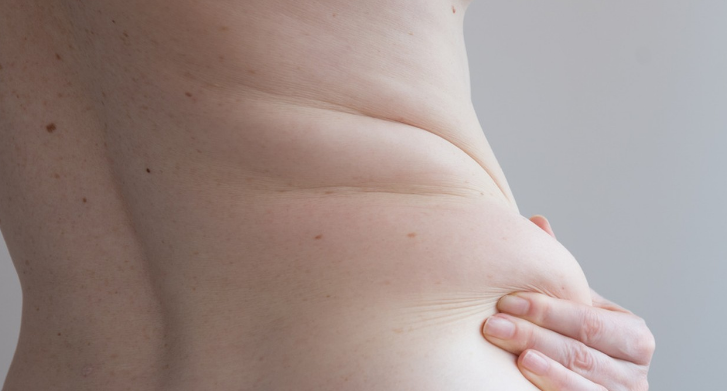
Stretch marks, also known as striae distensae, are another common skin issue faced by individuals after weight loss. These are thin, indented streaks that form on the skin due to rapid stretching and shrinking. While they are often associated with pregnancy, they can also occur during periods of rapid weight gain or loss. Stretch marks can vary in color from pink, red, purple, to a lighter hue over time, and they are most commonly found on the abdomen, thighs, buttocks, and upper arms.
Cellulite
Cellulite is a common skin condition that appears as dimpled, lumpy skin on the thighs, buttocks, and hips. It is caused by the fatty deposits pushing against the connective tissue beneath the skin, creating a dimpled appearance. While weight loss can help reduce the appearance of cellulite, it does not always eliminate it completely.
Lack of Skin Elasticity
Skin elasticity refers to the skin's ability to stretch and return to its original shape. As we age, our skin's elasticity decreases, making it more prone to sagging and wrinkles. Weight loss can further exacerbate this issue, especially if the weight loss is rapid or substantial. The skin loses its ability to bounce back, resulting in loose and saggy skin.
It's important to note that while these skin issues are common after weight loss, they are not inevitable. Maintaining a healthy weight, exercising regularly, and keeping the skin hydrated can help minimize the impact of weight loss on the skin. Additionally, seeking professional advice from a dermatologist or plastic surgeon can provide options for improving the appearance of loose skin and other skin issues after weight loss.
Establishing a healthy skincare routine
After undergoing significant weight loss, it's essential to establish a healthy skincare routine to help tighten and restore your skin. Here are some detailed steps to guide you through the process:
1. Cleansing Thoroughly
Cleansing your skin is the first and crucial step in any skincare routine. Start by selecting a gentle cleanser that is suitable for your skin type. Avoid harsh cleansers that strip your skin of its natural oils. Apply the cleanser to your skin using circular motions and rinse thoroughly with warm water. Perform this step twice a day, morning and evening, to remove dirt, impurities, and makeup residue.

2. Regular Exfoliation
Exfoliating your skin regularly is essential to maintain its youthful appearance. Dead skin cells accumulate on the surface of your skin, making it appear dull and lifeless. By exfoliating, you can remove these dead cells and promote cell turnover. Look for exfoliating products that contain gentle ingredients like lactic acid or enzymes. Apply the exfoliator to your skin using circular motions and rinse thoroughly. Exfoliate once or twice a week, depending on your skin's sensitivity.
3. Deep Hydration
Keeping your skin hydrated is crucial for maintaining its elasticity and preventing sagging. After cleansing and exfoliating, apply a high-quality moisturizer to your skin. Look for moisturizers that contain ingredients like hyaluronic acid and ceramides, which help lock in moisture and keep your skin supple. Apply the moisturizer to your skin in an upward and outward motion, starting from the center of your face and working outwards. This helps lift and tighten the skin.
4. Using Targeted Treatments
If you have specific skin concerns like wrinkles, fine lines, or loss of elasticity, consider using targeted treatments. Look for creams and serums that contain ingredients like retinol, collagen, or peptides. These ingredients help boost collagen production and improve skin elasticity. Apply the targeted treatment after cleansing and exfoliating, but before moisturizing. Follow the instructions on the product packaging to ensure you are using it correctly.
By following these steps and establishing a consistent skincare routine, you can help tighten and restore your skin after weight loss. Remember to be patient and consistent with your routine, as it may take time to see visible results.
Nurturing the skin from within
In addition to external skincare, nourishing your skin from within is equally important.
Consuming a nutrient-rich diet
Eating a well-balanced diet rich in antioxidants, vitamins, and minerals can help support healthy skin. Include foods like fruits, vegetables, lean proteins, and healthy fats in your daily meals to provide the necessary nutrients for skin regeneration.
Drinking plenty of water
Hydration plays a vital role in skin health. Drink an adequate amount of water throughout the day to maintain skin hydration and improve its elasticity.
Supplementing with vitamins and antioxidants
Consider taking supplements like vitamin C, vitamin E, and collagen peptides to enhance collagen synthesis and support skin elasticity.
Embracing non-invasive skin treatments
If despite your diligent efforts in maintaining a healthy skincare routine, loose skin persists, there are various non-invasive treatments that can effectively help tighten your skin. Here's a more detailed look at some of these options:
Utilizing Laser Treatments for Skin Tightening
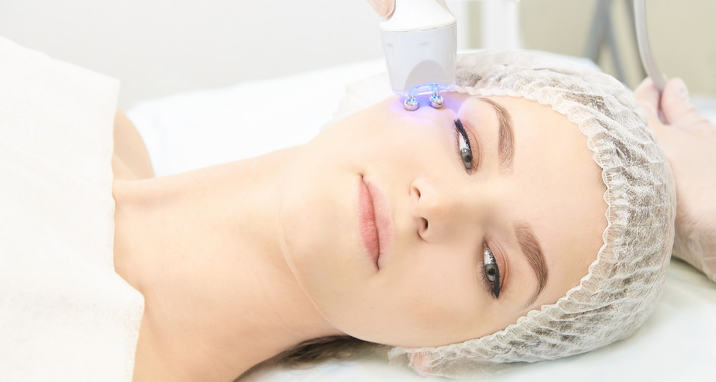
Laser treatments, such as fractional laser therapy or laser skin resurfacing, are highly effective in stimulating collagen production and tightening loose skin. These treatments work by emitting laser energy into the deeper layers of your skin, causing micro-injuries that trigger the skin's natural healing process. This, in turn, stimulates the production of new collagen fibers, which help improve skin elasticity and reduce the appearance of loose skin.
Fractional laser therapy, for instance, uses a laser beam that is divided into tiny fractions, allowing for more targeted treatment while minimizing damage to surrounding healthy tissue. The laser energy is delivered in a grid pattern, creating tiny columns of treated tissue that stimulate the production of new collagen. The treatment can be customized according to your skin's needs, and results are typically visible within several weeks to months.
Laser skin resurfacing, on the other hand, utilizes a laser beam to remove the outer layers of damaged skin, revealing smoother and tighter skin beneath. This treatment is effective in reducing wrinkles, fine lines, and other signs of aging, while also improving skin texture and tone.
Exploring Microdermabrasion and Chemical Peels
Microdermabrasion and chemical peels are two popular non-invasive treatments that help remove the top layer of dead skin cells, revealing tighter and smoother skin beneath.
Microdermabrasion uses a small handheld device that gently abrades the skin's surface, removing dead skin cells and stimulating the production of new collagen. This treatment is suitable for all skin types and can be performed on both the face and body. It is a relatively painless procedure, and results are typically visible immediately after treatment.
Chemical peels, on the other hand, involve the application of a chemical solution to the skin, which causes the outer layers to peel off. This reveals smoother and tighter skin beneath, as well as an improved skin tone and texture. Chemical peels can range from light to deep, depending on the strength of the chemical solution used and the desired results. Light peels are suitable for mild skin issues, while deeper peels can produce more dramatic results.
Considering Dermal Fillers and Botox
Dermal fillers and botox injections are two popular non-surgical treatments that can be used strategically to tighten loose skin in specific areas, giving a more youthful appearance.
Dermal fillers are injected into the skin to restore volume and plump up areas that have lost elasticity due to aging or weight loss. They can be used to fill in wrinkles, lift sagging skin, and enhance facial contours. Dermal fillers are made from a variety of substances, including hyaluronic acid, collagen, and fat, and are carefully selected based on your individual needs and goals.
Botox, on the other hand, is a neuromodulator that works by temporarily blocking the signals from the nerves to the muscles, causing the muscles to relax. This helps reduce the appearance of wrinkles and fine lines, particularly those that form due to repeated facial expressions. Botox is most commonly used to treat wrinkles in the forehead, between the eyebrows, and around the eyes.
Both dermal fillers and botox are safe and effective treatments that can be performed in a doctor's office or medical spa. They require minimal downtime and can produce noticeable results that last for several months to a year, depending on the treatment and your individual response
Incorporating exercise to improve skin elasticity
Regular exercise is a crucial component in maintaining not just your physical health but also the elasticity of your skin. Not only does it aid in weight loss maintenance, but it also has numerous benefits for your skin's appearance and texture.
The Importance of Regular Physical Activity
Regular physical activity has a profound impact on skin health. Cardiovascular exercises, such as running, cycling, or swimming, improve blood circulation, ensuring that your skin receives essential nutrients and oxygen. This, in turn, keeps your skin healthy and glowing.
Strength training, on the other hand, helps build muscle tone and mass. As we age, our bodies tend to lose muscle mass, leading to sagging skin. By incorporating strength training into your routine, you can help prevent this loss and maintain a tighter, more toned appearance.
Flexibility exercises, like yoga or stretching, are also beneficial for skin health. They help improve your range of motion and reduce stiffness, leading to a more youthful appearance.
Exercises that Promote Skin Elasticity
There are specific exercises that can target areas prone to loose skin, helping to tone and tighten them. Squats and lunges, for instance, are excellent for working the legs and buttocks, areas that often lose elasticity with age or weight loss. By performing these exercises regularly, you can help improve the tone and texture of your skin in these areas.
Push-ups are another great exercise for promoting skin elasticity. They work the chest, shoulders, and triceps, helping to tone and tighten the skin in these areas.
Yoga poses, such as the downward dog or cat-cow pose, can also help improve skin elasticity. These poses stretch and strengthen the body, while also promoting relaxation and stress reduction, which can have a positive impact on skin health.
Remember, consistency is key when it comes to exercise. Incorporating a variety of exercises into your routine and performing them regularly will help you achieve the best results for your skin's elasticity.
Maintaining a healthy weight to preserve skin integrity
Maintaining a healthy weight is crucial in preserving the integrity and appearance of your skin. While weight loss is often associated with loose skin, maintaining a stable weight can significantly reduce this risk.
Maintaining Weight Loss Through a Balanced Diet and Exercise
To achieve and maintain a healthy weight, it's essential to follow a balanced diet and incorporate regular exercise into your routine. A balanced diet should include plenty of fruits, vegetables, whole grains, lean proteins, and healthy fats. Regular exercise, such as cardio, strength training, and flexibility exercises, not only helps you maintain your weight but also improves circulation and muscle tone, further supporting skin health.
How Weight Fluctuations Can Harm the Skin
Rapid weight gain and loss can have a devastating effect on your skin. When you gain weight, your skin stretches to accommodate the extra fat and muscle. However, when you lose weight quickly, the skin doesn't always have the ability to retract as quickly, leading to sagging and loose skin. Repeated weight fluctuations can further compound this issue, causing a loss of skin elasticity and more pronounced sagging over time.
Seeking Professional Guidance
In cases where loose skin is severe or does not improve with weight maintenance, it may be beneficial to seek professional guidance from a dermatologist or aesthetician. These professionals have the expertise and knowledge to assess your specific situation and recommend the most suitable treatment options.
Consulting a Dermatologist or Aesthetician for Personalized Advice
When consulting a dermatologist or aesthetician, they will likely conduct a thorough assessment of your skin and body. Based on this assessment, they can recommend various treatment options that may include lifestyle changes, skincare products, or even surgical procedures if necessary. It's important to remember that everyone's situation is unique, so it's crucial to seek personalized advice tailored to your specific needs.
Understanding the Various Professional Procedures Available
For individuals with significant loose skin, professional procedures may be necessary to achieve the desired results. These procedures can range from non-surgical options like laser treatments and radiofrequency devices to surgical procedures like body contouring surgery, tummy tucks (abdominoplasty), or arm lifts (brachioplasty). Your dermatologist or aesthetician will be able to advise you on the most suitable options based on your specific situation and goals.
Lifestyle Habits to Support Healthy Skin
Adopting certain lifestyle habits can also greatly contribute to the health and appearance of your skin. Avoiding smoking and excessive sun exposure is crucial as they can accelerate skin aging and hinder collagen production. Quit smoking and always protect your skin with sunscreen when outdoors.
Practicing stress management techniques can also be beneficial for your skin. Chronic stress can wreak havoc on your skin, causing acne, eczema, and other skin issues. Try incorporating stress-management techniques like meditation, yoga, or engaging in hobbies you enjoy to keep stress at bay.
Finally, getting enough rest and quality sleep is essential for healthy skin. Sleep is a time for your body to repair and regenerate, and a lack of sleep can lead to dull, tired-looking skin. Make sure to get sufficient restorative sleep every night to promote healthier skin.
Conclusion
Regaining skin elasticity may require a combination of external skincare, internal nourishment, exercise, and professional guidance. By following the tips and strategies outlined in this ultimate guide, you can restore your skin's firmness and achieve the confidence-boosting results you deserve.