
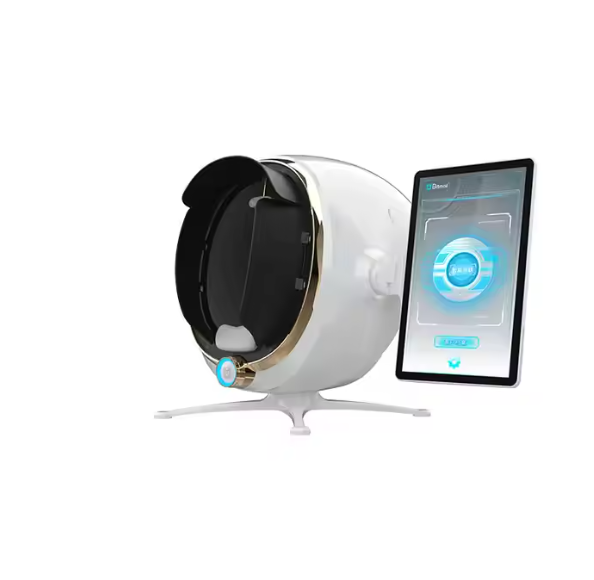
The Ultimate Guide to Professional Skin Analysis Instruments: Revolutionize Your Skincare Business
Abstract
Discover the ultimate guide to professional skin analysis instruments and how they can revolutionize your skincare business. Find the best skin analyzer for accurate results.
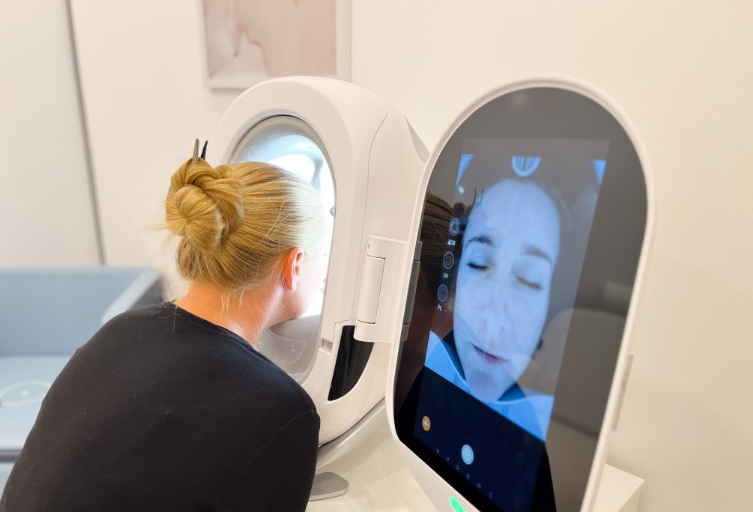
Expanded edition: Professional Skin Analysis Instruments in the Skincare Industry
I. Introduction to Professional Skin Analysis Instruments
Skin analysis is the cornerstone of scientific skin care. According to Grand View Research, the global market for skin analysis instruments is expected to reach $7.4 billion by 2030, with a compound annual growth rate of 9.2%. Professional instruments replace traditional "naked eye observation" by quantifying data (such as moisture content, pigmentation, pore size, etc.), greatly improving diagnostic accuracy. For example, Athena, a well-known beauty salon in South Korea, saw a 35% increase in customer satisfaction and a 20% increase in repeat purchases after adopting 3D skin scanners. These instruments are not only used in beauty salons, but also widely used in dermatology clinics, medical beauty institutions, and even combined with AI diagnostic platforms to promote the personalized skin care revolution.
II. Understanding Different Types of Skin Analysis Instruments
Optical imaging class
RGB imager (such as DermaVision Pro) : Capture epidermal problems (such as acne, red spots) through white light and UV light.
Multispectral imaging (e.g. Aram HuVis) : Analysis of hemoglobin, melanin distribution and identification of deep inflammation.
Case: French brand EvaCam uses cross-polarized light technology to see through oil secretion in the stratum corneum.
Ultrasonic class
High-frequency probes (such as the DUB SkinScanner) measure epidermal thickness and collagen density and are commonly used to evaluate anti-aging treatments.
Impedance test class
Analysis of skin hydration status by conductivity (e.g. Corneometer) for sensitive muscles.
Thermal imager
For example, FLIR systems detect microcirculation abnormalities and assist in the diagnosis of rosacea.
AI integrated device
For example, Foreo's "SKIN AI" is a low-cost solution that analyzes 14 indicators through mobile phone cameras + algorithms.
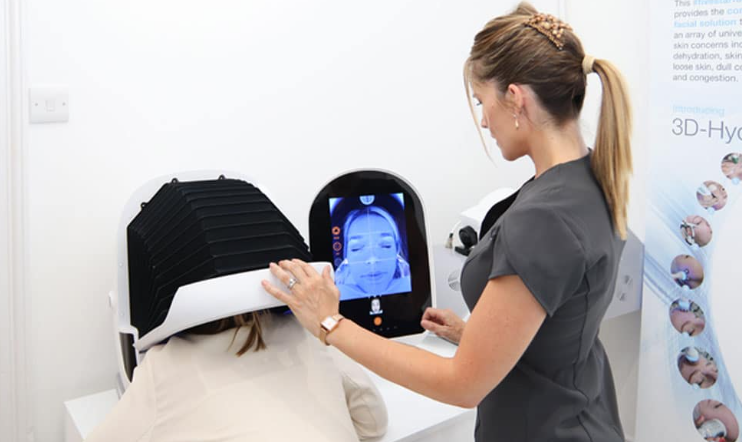
III. Key Features to Consider
Precision and repeatability
Choose an ISO-certified device (such as Courage+Khazaka's MPA series) with an error rate of <3%.
Multiwavelength spectrometers are more reliable than single light sources.
Cross-skin compatibility
Fitzpatrick Type VI skin requires an anti-hyperpigmentation algorithm.
Software ecology
Good case: Dermalab's software generates comparison reports and supports multilingual PDF export.
Compliance and privacy
Ensure compliance with GDPR or HIPAA (Healthcare Data Regulation) and data is stored encrypted.
IV. Step-by-Step Analysis Guide
preconditioning
Customers are required to go without makeup for 24 hours and avoid the use of active ingredients such as retinoic acid.
Environment control: Room temperature 22°C, humidity 50%.
Operating specification
The probe is 90° to the skin and the pressure is ≤0.5N (to avoid distorting the data).
Multi-region sampling: forehead, cheek and jaw were averaged 3 times each.
Result interpretation
Moisture value >45 AU is ideal, <30 need to strengthen moisture;
Melanin difference >15% suggests sunscreen intervention.
V. Advantages of Professional Instruments
Accurate diagnosis: such as thermal imaging found "recessive erythema", earlier than the appearance of visual symptoms.
Course customization: Adjust acid concentration (e.g. 30% vs. 50% salicylic acid) according to oil secretion data.
Efficacy tracking: Monthly scans generate trend charts to increase customer trust.
Case in point: SkinScience, a New York Clinic, used 3D modeling to demonstrate 23% collagen growth after microneedle therapy.
VI. Selecting the Right Device
Budget and ROI:
Entry level (<$5K) : BIOskin Master (Basic Analysis);
High end (>$20K) : Canfield Vectra (3D modeling + surgical simulation).
VII. Maintenance & Care
Daily cleaning: Wipe the probe with 70% isopropyl alcohol to avoid corrosive solvents.
Calibration cycle: Calibration every 6 months or after 500 tests (refer to manufacturer's guide).
Data management: Cloud backup + local storage dual insurance, periodically clear redundant data.
VIII. Future Trends
AI Deep integration:
Such as L 'Oreal's Perso, which instantly prints personalized masks based on the skin condition of the day.
Wearable devices:
For example, L 'Oreal UV Sense monitors UV exposure and synchronizes the data to the analyzer.
Metaverse applications:
Virtual skin model +AR try on makeup, such as Perfect Corp's YouCam algorithm.
Green Technology:
Biodegradable sensor (under development at Cambridge University).
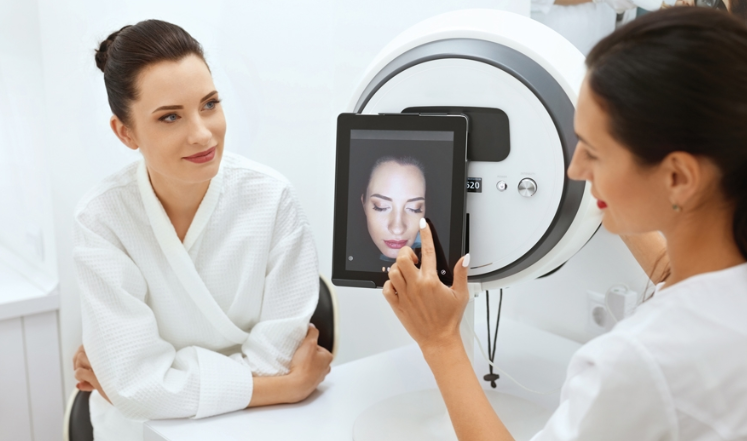
IX. Conclusion:
- Recap the importance and benefits of professional skin analysis instruments
- Encourage readers to invest in a reliable skin analyzer for their skincare business
In this comprehensive guide, we have covered everything you need to know about professional skin analysis instruments. By investing in the right skin analyzer, you can elevate your skincare business to new heights. Stay ahead in the industry by providing accurate analysis and tailored treatments.