
The Ultimate Guide to Ultrasonic Fat Cavitation: The Most Popular Fat-Reducing Beauty Treatment
Are you looking for an effective way to reduce stubborn fat and achieve your desired body contour? Look no further - ultrasonic fat cavitation might be the solution you've been searching for. In this comprehensive guide, we will explore everything you need to know about this innovative fat-reducing beauty treatment. From how it works to the benefits and possible results, this guide will leave you informed and ready to take the next step towards your dream figure.
Understanding Fat Cavitation: A Comprehensive Guide to Ultrasonic Fat Reduction
Introduction to Ultrasonic Fat Cavitation
Ultrasonic fat cavitation is an advanced, non-invasive body contouring technique that leverages high-frequency ultrasound technology to target and reduce localized fat deposits. This procedure has gained popularity as a minimally disruptive alternative to surgical interventions like liposuction, offering a viable solution for individuals seeking to refine their body shape without the risks, downtime, or scarring associated with invasive procedures. By harnessing the principles of acoustic cavitation, ultrasonic waves create micro-pressure fluctuations within adipose tissue, leading to the gradual breakdown and elimination of fat cells.
Mechanism of Action
The process relies on the delivery of low-frequency ultrasound waves (typically between 28 and 40 kHz) to the subcutaneous fat layer. These waves generate alternating cycles of compression and rarefaction within the fat cells, causing the formation of microscopic gas bubbles. As these bubbles oscillate and eventually implode (a phenomenon known as inertial cavitation), they produce localized shockwaves that disrupt the cell membranes of adipocytes (fat cells). The resulting cellular debris is then metabolized by the body's lymphatic system and eliminated naturally through the liver and kidneys.
Ideal Candidates
Ultrasonic fat cavitation is best suited for individuals who:
- Are within 10–15% of their ideal body weight.
- Have localized fat deposits resistant to diet and exercise (e.g., abdomen, thighs, flanks, arms, or double chin).
- Seek a non-surgical solution for body sculpting.
- Maintain a healthy lifestyle, including regular physical activity and balanced nutrition.
This treatment is not a weight-loss solution but rather a complementary approach for enhancing body contour and reducing stubborn fat pockets.
The Procedure: Step-by-Step Breakdown
A typical ultrasonic fat cavitation session involves the following structured steps:
1. Consultation and Assessment
Before treatment, a qualified practitioner conducts a thorough evaluation, including:
- Medical history review.
- Body composition analysis (e.g., BMI, skinfold measurements).
- Identification of target areas.
- Discussion of realistic expectations and treatment goals.
2. Skin Preparation
The treatment area is cleansed with an antiseptic solution to remove oils, lotions, or debris that could interfere with ultrasound transmission. This step ensures optimal contact between the device and the skin.
3. Application of Conductive Gel
A specialized ultrasound gel is applied to the target area. This medium serves multiple purposes:
- Enhances the transmission of ultrasound waves.
- Reduces friction between the device and the skin.
- Prevents overheating during the procedure.
4. Ultrasound Device Application
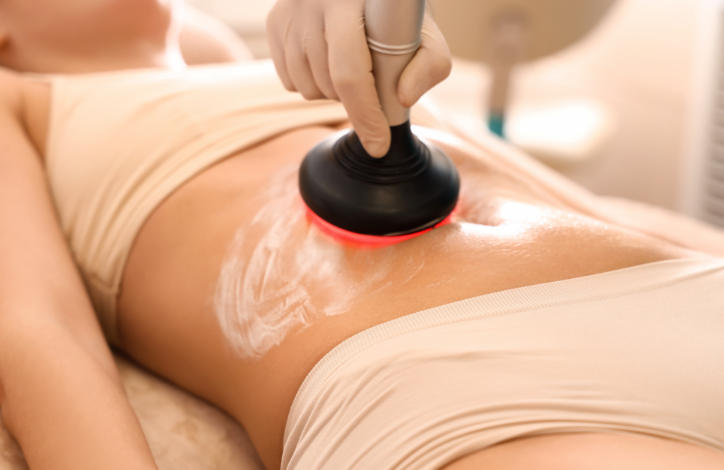
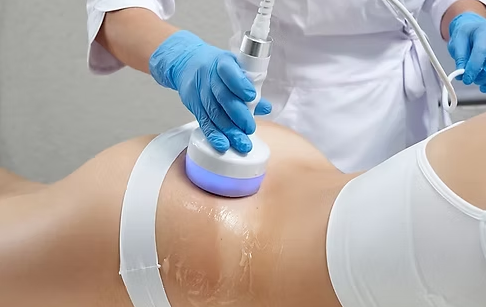
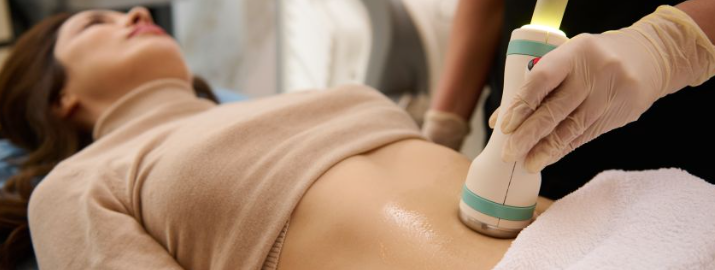
A handheld transducer, emitting focused ultrasound waves, is moved systematically over the treatment area. The practitioner may adjust parameters such as:
- Frequency: Typically 28–40 kHz for fat cavitation.
- Intensity: Tailored to individual skin and fat layer thickness.
- Duration: 10–20 minutes per area.
Patients may experience a mild warming sensation or a tingling effect, but the procedure is generally painless.
5. Post-Treatment Protocol
To maximize results and minimize side effects, practitioners recommend:
- Hydration: Drinking 2–3 liters of water daily to support lymphatic drainage.
- Light Exercise: Gentle activities like walking or yoga to boost circulation.
- Avoidance of Alcohol and Caffeine: For 24–48 hours post-treatment to prevent dehydration.
- Compression Garments: May be advised for certain areas to reduce swelling.
6. Follow-Up Sessions
Multiple sessions (usually 6–12, spaced 1–2 weeks apart) are often required for optimal results. The body needs time to process and eliminate the disrupted fat cells, so gradual improvements are expected over weeks to months.
Benefits of Ultrasonic Fat Cavitation
- Non-Invasive Nature: No incisions, anesthesia, or recovery time.
- Targeted Fat Reduction: Precision in treating specific areas without affecting surrounding tissues.
- Minimal Discomfort: Most patients report no pain, only mild warmth or tingling.
- No Downtime: Immediate return to daily activities.
- Long-Term Results: When combined with a healthy lifestyle, results can be maintained indefinitely.
Expected Results and Timeline
- Immediate Effects: Some patients notice a slight softening of the treated area due to fluid mobilization.
- Short-Term (1–4 Weeks): Mild swelling or tenderness may occur as the body begins processing the disrupted fat cells.
- Medium-Term (4–12 Weeks): Gradual inch loss and improved body contour become visible.
- Long-Term (3–6 Months): Full results manifest as the lymphatic system completes fat elimination.
Note: Results vary based on factors like age, metabolism, hormonal balance, and adherence to post-treatment guidelines.
Safety Considerations and Potential Side Effects
While ultrasonic fat cavitation is generally safe, risks include:
- Transient Redness or Bruising: Resolves within 1–3 days.
- Mild Swelling: Subsides within a week.
- Skin Sensitivity: Rare, but may occur in individuals with delicate skin.
Contraindications:
- Pregnancy or breastfeeding.
- Active infections or open wounds in the treatment area.
- Cardiac pacemakers or metal implants.
- Liver or kidney dysfunction.
- History of blood clotting disorders or cancer.
Maximizing Results: Lifestyle and Aftercare
To enhance and sustain the effects of ultrasonic fat cavitation:
- Diet: Prioritize low-carb, high-protein meals and avoid processed sugars.
- Exercise: Incorporate cardio and strength training to boost metabolism.
- Hydration: Drink at least 2 liters of water daily.
- Skincare: Use gentle moisturizers to support skin elasticity.
- Avoid Alcohol and Smoking: Both can impair lymphatic function.
Choosing a Qualified Practitioner
Selecting a reputable provider is critical for safety and efficacy. Consider:
- Credentials: Look for certifications in aesthetic medicine or ultrasound therapy.
- Experience: Inquire about the number of procedures performed.
- Technology: Ensure the clinic uses FDA-approved or CE-marked devices.
- Reviews and Testimonials: Check online platforms for patient feedback.
- Consultation: A thorough pre-treatment assessment should be standard.
Conclusion:
If you are looking for an effective and non-invasive way to address stubborn fat and achieve a more contoured figure, ultrasonic fat cavitation may be the right option for you. This comprehensive guide has provided you with an in-depth understanding of the procedure, its benefits, and what to expect.
Remember, while ultrasonic fat cavitation is a popular treatment, individual results may vary. It's vital to consult with a qualified professional who can assess your unique situation and provide personalized recommendations.
Ready to take the next step towards your dream figure? Say goodbye to stubborn fat with ultrasonic fat cavitation.