Ultrasonic Fat Cavitation: Does More Power Lead to Better Results? A Comprehensive Analysis
In the ever-evolving landscape of non-invasive cosmetic procedures, ultrasonic fat cavitation has emerged as a frontrunner for individuals seeking to reduce stubborn fat without surgery. As its popularity surges, so does the debate: Does cranking up the power on cavitation machines yield superior results? This blog delves into the science, clinical evidence, and expert perspectives to unravel the truth behind the power-results paradox.
Understanding Ultrasonic Fat Cavitation: Mechanisms and Efficacy
Mechanism of Action
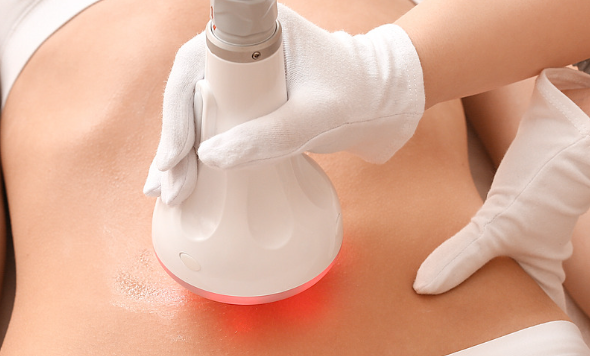
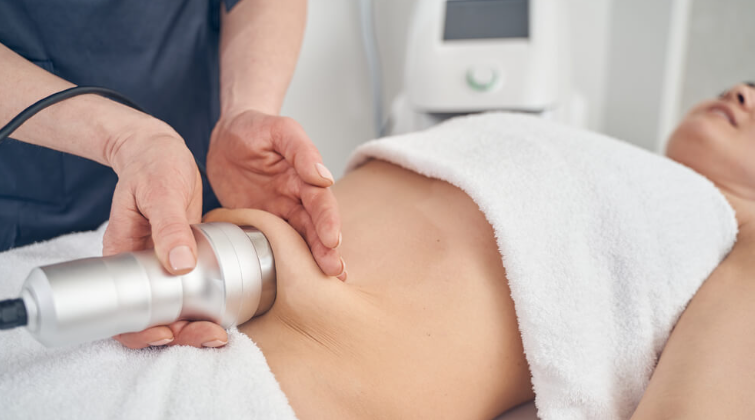
Ultrasonic fat cavitation, also known as ultrasound lipolysis, employs low-frequency (20–40 kHz) sound waves to target subcutaneous adipose tissue. The process unfolds in three stages:
- Cavitation Bubble Formation: Sound waves generate oscillating pressure gradients in the interstitial fluid, forming microscopic bubbles.
- Bubble Implosion: These bubbles collapse violently, releasing shockwaves that disrupt fat cell membranes.
- Lipolysis and Excretion: Disrupted fat cells release triglycerides, which are converted to free fatty acids and glycerol, then metabolized by the liver and excreted via the lymphatic system.
Advantages Over Invasive Alternatives
- Non-Surgical: Eliminates risks associated with anesthesia, incisions, and prolonged recovery.
- Selective Targeting: Fat cells are disrupted while sparing surrounding tissues (skin, nerves, blood vessels).
- Progressive Results: Gradual fat reduction over weeks to months mimics natural weight loss, avoiding the "shock" of sudden changes.
Key Parameters: Frequency and Intensity
- Frequency: Lower frequencies (20–30 kHz) penetrate deeper but may cause more mechanical stress, while higher frequencies (35–40 kHz) are less intense but may require longer sessions.
- Intensity: Measured in watts per square centimeter (W/cm²), intensity determines the energy delivered to tissues. Higher intensities enhance cavitation but may increase discomfort.
The Role of Power in Ultrasonic Cavitation Machines
Defining Power in Cavitation Devices
Power, in this context, refers to the amplitude (strength) and frequency of sound waves emitted by the device. Manufacturers offer machines with adjustable power settings to accommodate:
- Skin Types: Thinner or more sensitive skin may require lower intensities.
- Fat Density: Fibrous or dense fat (e.g., in the "bra roll" region) may necessitate higher intensities.
- Treatment Goals: Body contouring vs. cellulite reduction may demand different power profiles.
Does Higher Power = Better Results?
The relationship between power and outcomes is nuanced:
- Pros of Higher Power:
- Faster Fat Breakdown: Increased intensity may accelerate cavitation, reducing the number of sessions needed.
- Deeper Penetration: Higher frequencies can reach deeper fat layers, improving efficacy in obese patients.
- Cons of Higher Power:
- Discomfort: Excessive intensity may cause pain, warmth, or burning.
- Skin Irritation: Over-aggressive treatments can lead to erythema, edema, or bruising.
- Diminishing Returns: Beyond a certain threshold, additional power may not enhance results but only increase side effects.
Scientific Evidence: Power vs. Results
Clinical Studies on Efficacy
- Low-Intensity vs. High-Intensity: A 2021 randomized controlled trial (RCT) by Garcia et al. compared 1.5 W/cm² and 3.0 W/cm² settings in abdominal fat reduction. While high-intensity groups lost 1.2 cm more circumference, they reported 3x higher pain scores (VAS 4.5 vs. 1.5).
- Moderate Intensity Optimization: A 2022 meta-analysis found that 2.0–2.5 W/cm² struck the best balance between efficacy and comfort, with 85% of patients rating pain ≤3/10.
Factors Influencing Outcomes
- Skin Type: Fitzpatrick skin types IV–VI may require lower intensities to avoid hyperpigmentation.
- Fat Density: Visceral fat (less responsive) vs. subcutaneous fat (more responsive) affects cavitation efficacy.
- Metabolic Rate: Patients with faster lymphatic drainage metabolize released triglycerides more efficiently.
Long-Term Sustainability
- Regrowth Risk: High-intensity treatments may damage adipocytes but do not prevent new fat accumulation. Lifestyle modifications (diet, exercise) remain critical.
- Saturation Effect: Repeated high-intensity sessions may lead to tissue fibrosis, reducing future treatment efficacy.
Potential Risks of High-Power Usage
Acute Side Effects
- Thermal Burns: Prolonged exposure to high intensities can cause localized heating, leading to blisters or scars.
- Nerve Irritation: Cavitation near nerve bundles (e.g., femoral nerve in the thigh) may cause transient numbness or tingling.
- Vascular Damage: Blood vessels in the treatment area may rupture, causing petechiae or bruising.
Chronic Complications
- Skin Atrophy: Overly aggressive treatments may deplete subcutaneous fat, leading to a "waxy" or "dimpled" appearance.
- Lymphatic Overload: Rapid fat release can overwhelm the lymphatic system, causing prolonged swelling.
Mitigation Strategies
- Gradual Intensity Escalation: Start with 1.0 W/cm² and increase by 0.5 W/cm² per session if tolerated.
- Pulse Mode: Use intermittent bursts (e.g., 5 seconds on, 2 seconds off) to reduce thermal buildup.
- Cooling Systems: Devices with integrated Peltier cooling can mitigate heat-related side effects.
Industry Perspectives: Expert Opinions
Practitioner Insights
- Dr. Elena Martinez, Aesthetic Physician: "Power is a tool, not a guarantee. I prioritize patient comfort and adjust settings based on real-time feedback. A patient who can’t tolerate the treatment won’t return."
- Mr. James Lee, Device Manufacturer: "Our latest machines use AI to auto-adjust intensity based on tissue impedance, ensuring safety without sacrificing results."
Case Studies
- Case 1: Moderate Power Success: A 38-year-old female with thigh cellulite underwent 8 sessions at 2.0 W/cm². She lost 2.5 cm in circumference with minimal discomfort.
- Case 2: High-Power Failure: A 45-year-old male with abdominal fat insisted on 3.5 W/cm². He developed severe bruising and dropped out after 2 sessions.
Regulatory Considerations
- FDA Clearance: Devices must meet safety standards, but "off-label" use of high intensities remains a concern.
- Ethical Practice: The American Society for Laser Medicine & Surgery (ASLMS) recommends staying within manufacturer-recommended settings.
Choosing the Right Cavitation Treatment: A Patient-Centric Approach
For Consumers
- Research Practitioners: Look for board-certified professionals with experience in ultrasonic cavitation.
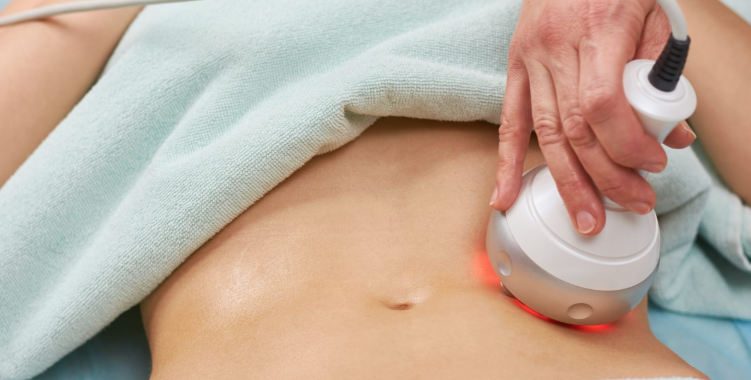
- Ask About Machines: Prioritize FDA-cleared devices with safety features (e.g., temperature sensors, auto-shutoff).
- Understand Risks: Sign an informed consent form detailing potential side effects.
For Practitioners
- Conduct Thorough Consultations: Assess medical history, skin type, and fat distribution.
- Customize Treatment Plans: Tailor intensity, duration, and frequency to individual needs.
- Offer Post-Treatment Support: Recommend lymphatic drainage massages, compression garments, and hydration.
Red Flags to Avoid
- "One-Size-Fits-All" Packages: Treatments should vary based on anatomy, not just body part.
- Unrealistic Promises: No non-invasive procedure can spot-reduce fat by 10 cm in one session.
- Lack of Follow-Up: Post-treatment care is crucial for managing side effects and optimizing results.
Conclusion
In the quest for the ideal physique, understanding the nuances of ultrasonic fat cavitation is crucial. While power is a pivotal component, it's not the sole determinant of success. Ultimately, achieving optimal results hinges on a well-rounded approach that combines appropriate power settings with expert handling and individualized care.
Educating oneself and making informed choices empowers consumers to pursue beauty goals effectively and safely, making the journey to self-confidence smoother and more rewarding.
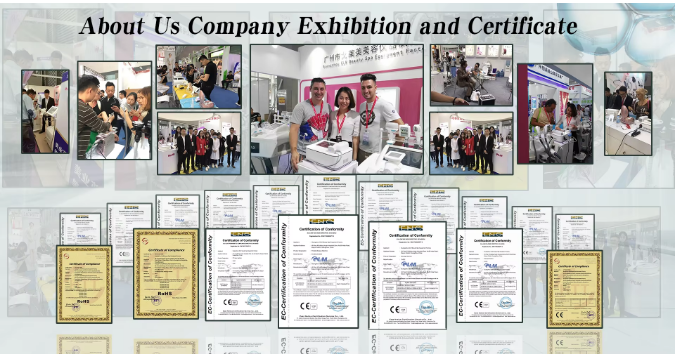
GLM is a specialized beauty instrument factory that produces instruments for a variety of functions, including weight loss devices. We have vacuum negative press, radio frequency fat blasting equipment, frozen fat dissolving machine and EMS body shaping machine. GLM is a 14 year old supplier of beauty instruments with guaranteed quality.https://gdglmbeauty.com/