
The Impact of Ultrasonic Frequency on Fat Reduction:
Introduction
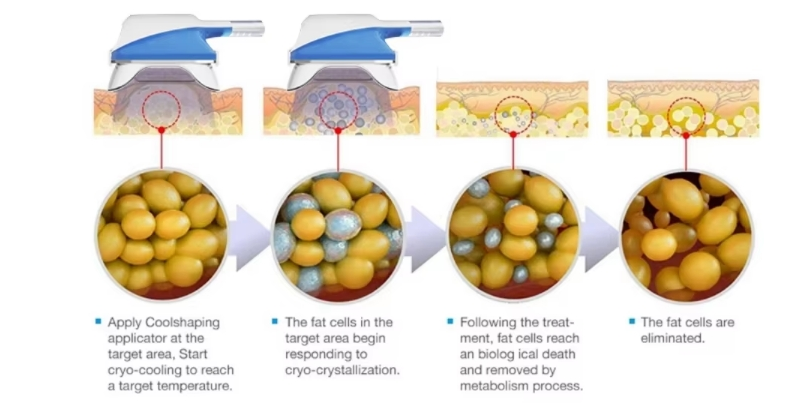
Imagine a world where stubborn fat deposits are effortlessly eradicated, where non-invasive treatments harness the power of science to sculpt our bodies. This is not a far-fetched idea; it's the reality being shaped by ultrasonic frequency technology. In this blog post, we will delve into the fascinating realm of ultrasonic frequency and uncover the science behind its impact on fat reduction. By understanding the mechanisms involved, you can make informed decisions about this innovative approach to achieving your body goals.
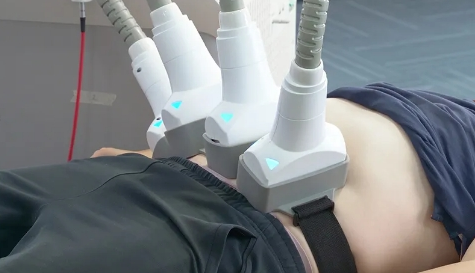
Expanding on the concept of Ultrasonic Frequency, we delve deeper into its unique properties, scientific principles, and the multifaceted applications it enables across various industries, particularly in the realm of fat reduction and body contouring.
Scientific Background
Ultrasonic frequency encompasses sound waves with a vibrational rate exceeding 20,000 hertz (Hz), the upper limit of human auditory perception. These waves propagate through various media, including air, water, and solid materials, with their characteristics modulated by the density and composition of the medium. In scientific terms, ultrasonic waves are classified based on their frequency ranges, commonly spanning from 20 kHz to several gigahertz (GHz).
Physical Effects
The high-frequency vibrations of ultrasonic waves induce several physical effects that are exploited in various applications. One significant effect is cavitation, where rapid changes in pressure create microbubbles that expand and collapse rapidly, releasing intense energy. This phenomenon is particularly useful in cleaning processes, as it disrupts and removes contaminants from surfaces. In the medical field, cavitation can enhance the delivery of drugs or target specific tissues with minimal damage to surrounding healthy tissue.
Applications in Fat Reduction and Body Contouring
Non-Surgical Fat Reduction
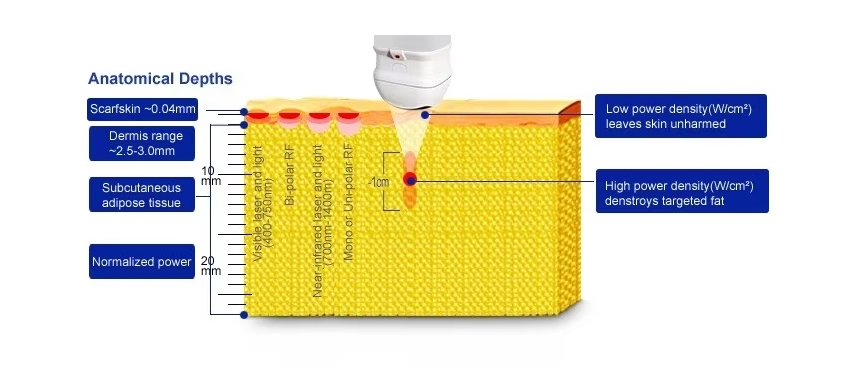
In the cosmetic and wellness industry, ultrasonic frequency has revolutionized body shaping procedures. Advanced technologies employ focused ultrasound waves that penetrate deep into the skin layers, targeting adipose tissue (fat cells) without harming the overlying skin or underlying structures. These waves induce lipolysis, a process where the cell membranes of fat cells are disrupted, releasing their contents (triglycerides) into the interstitial space. Over time, the body naturally eliminates these triglycerides through its lymphatic system, resulting in a reduction in fat volume.
Body Sculpting
Beyond fat reduction, ultrasonic technology can also be used for body sculpting. By precisely targeting specific areas of the body, practitioners can contour the physique, enhancing muscle definition and improving overall body proportions. This is achieved by selectively disrupting fat cells in areas where fat reduction is desired, while leaving surrounding tissues untouched.
Safety and Efficacy
The non-invasive and non-surgical nature of ultrasonic fat reduction and body contouring makes it an attractive alternative to traditional liposuction or surgical procedures. Patients typically experience minimal downtime and discomfort, with results becoming visible over the course of several weeks to months as the body eliminates the released fat. However, it's crucial to consult with a qualified medical professional to ensure safety and assess the suitability of the treatment for individual cases.
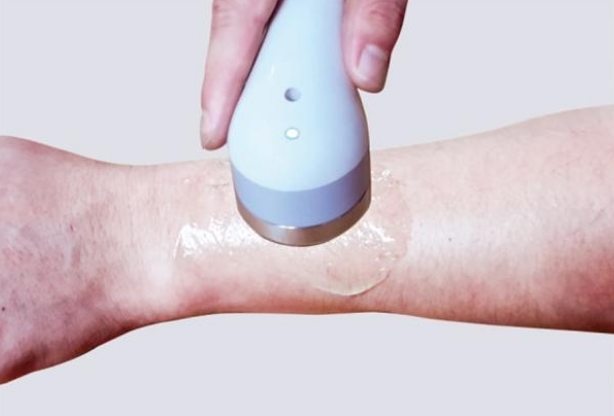
Expanding on the Mechanism of Fat Reduction with Ultrasonic Frequency, we delve deeper into the intricate processes that occur within the body during this innovative treatment.
The Science of Ultrasonic Disruption
The efficacy of ultrasonic frequency in fat reduction stems from its ability to harness the energy of sound waves and convert it into mechanical vibrations that interact with living tissues. When these high-frequency waves are precisely focused and delivered to specific areas of the body, they penetrate through the skin layers and reach the subcutaneous fat layer.
The Lipolysis Process
As the ultrasonic waves interact with fat cells, they create a localized effect known as mechanical disruption. This disruption occurs at the cellular level, specifically targeting the fragile membrane surrounding each fat cell. The intense vibrations cause the membrane to rupture, akin to shaking a balloon until it bursts. Once the membrane is compromised, the contents of the fat cell—primarily triglycerides and other fatty acids—are released into the interstitial space between cells.
Metabolism and Elimination
Following the release of fat cell contents, the body's natural metabolic processes take over. Enzymes and other biological agents in the surrounding tissues break down the triglycerides into smaller, more manageable molecules. These molecules are then transported through the lymphatic system and eventually processed by the liver, where they can be converted into energy or excreted from the body.
Targeted Fat Reduction
One of the key advantages of ultrasonic frequency for fat reduction is its ability to target specific areas of the body. By carefully adjusting the intensity, frequency, and duration of the treatment, practitioners can ensure that only the desired fat cells are affected, minimizing collateral damage to surrounding tissues. This precision targeting makes it an ideal solution for addressing stubborn fat deposits that are often resistant to traditional weight loss methods, such as diet and exercise.
Non-Invasive and Safe
Perhaps the most appealing aspect of ultrasonic fat reduction treatments is their non-invasive nature. Unlike surgical procedures like liposuction, which require incisions and anesthesia, ultrasonic treatments involve no cutting or stitching. Patients can undergo the procedure with minimal discomfort and often return to their normal activities immediately afterward. Additionally, the risk of complications and side effects is significantly lower than with surgical interventions, making ultrasonic fat reduction a safer and more accessible option for many individuals.
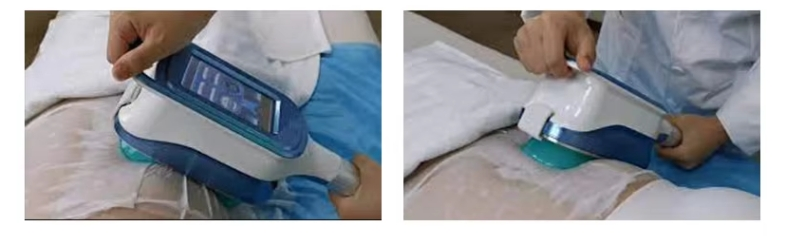
Clinical Studies and Research Findings on Ultrasonic Frequency Fat Reduction: A Comprehensive Exploration
The realm of aesthetic medicine has witnessed a significant evolution with the advent of ultrasonic frequency technology for fat reduction. This innovative approach has garnered substantial attention from researchers and practitioners alike, who have conducted extensive clinical studies to evaluate its safety, efficacy, and long-term benefits.
Mechanisms of Action
At the core of ultrasonic frequency treatments lies the principle of sound waves converting into heat energy when they interact with tissue. This process, when harnessed precisely, can target adipose tissue (fat cells) without damaging surrounding structures such as skin, blood vessels, or nerves. Two primary modalities, ultrasound cavitation and High-Intensity Focused Ultrasound (HIFU), stand out in this field.
-
Ultrasound Cavitation: This technique employs low-frequency ultrasound waves that create tiny bubbles within the fat cells. As these bubbles expand and contract rapidly, they disrupt the cell membrane, leading to the release of the fatty acids and glycerol contents into the interstitial space. The body's natural metabolic processes then take over, eliminating these released lipids through lymphatic drainage and metabolic pathways.
-
High-Intensity Focused Ultrasound (HIFU): In contrast, HIFU utilizes high-frequency ultrasound beams that are focused at a specific depth beneath the skin. This focused energy creates thermal coagulation, selectively destroying adipose tissue and tightening collagen fibers in the dermal layer. The resulting contraction and tightening of the skin contribute to a more contoured appearance.
Clinical Efficacy
Multiple clinical trials have consistently shown that ultrasonic frequency treatments effectively reduce fat and improve body contour. One pivotal study, featured in the Journal of Cosmetic Dermatology, illuminated the impressive results achieved with just three treatment sessions, resulting in a 20% reduction in fat thickness. This significant outcome underscores the technology's potential to address localized fat deposits that are resistant to diet and exercise.
Individual Variability and Longevity of Results
While the effectiveness of ultrasonic frequency treatments is well-established, it's crucial to recognize that individual factors can significantly impact the durability of results. Metabolism, age, lifestyle habits, and the specific characteristics of the treated area all play a role in determining the longevity of fat reduction. Therefore, maintaining a healthy diet and regular exercise routine becomes paramount to sustain and enhance the benefits of these treatments.
Personalized Consultation and Treatment Planning
Given the complexity of individual responses, personalized consultation and treatment planning are indispensable components of ultrasonic frequency fat reduction. During the consultation, medical professionals assess the patient's medical history, current health status, aesthetic goals, and expectations. This information informs the choice of treatment modality (cavitation vs. HIFU), the number of sessions required, and any potential modifications to optimize outcomes.
Furthermore, personalized treatment plans also take into account the patient's skin type, tone, and elasticity to minimize potential side effects and ensure a smooth recovery process. Post-treatment follow-up appointments are equally important, allowing for adjustments to the treatment protocol if necessary and monitoring the progression of results.
Ultrasound Cavitation
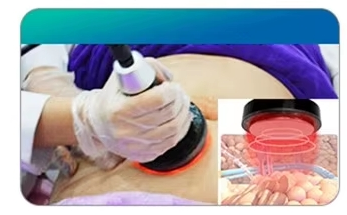
Ultrasound cavitation, also known as ultrasound lipolysis or ultrasound-assisted lipoplasty, is a non-invasive fat reduction technique that employs low-frequency ultrasound waves. These waves are generated by specialized devices and directed towards targeted areas of subcutaneous fat. The low-frequency vibrations create a phenomenon called cavitation, where microbubbles form within the fat cells. As these bubbles expand and collapse rapidly, they generate enough force to disrupt the cell membranes, releasing their contents into the surrounding tissue.
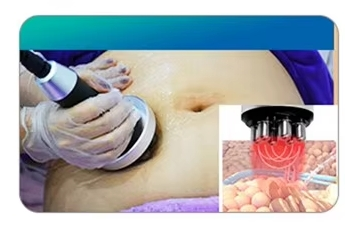
The released fatty acids and triglycerides are then metabolized by the body's natural processes, ultimately leading to a reduction in fat volume. Ultrasound cavitation is often combined with other non-invasive technologies, such as radiofrequency or vacuum suction, to enhance results and improve patient comfort.
High-Intensity Focused Ultrasound (HIFU)
On the other hand, High-Intensity Focused Ultrasound (HIFU) utilizes a different approach to target and destroy fat cells. HIFU devices emit highly focused ultrasound beams that penetrate deep into the skin and subcutaneous tissue. Unlike ultrasound cavitation, HIFU employs higher frequencies and intensities, enabling it to create precise, localized thermal energy that raises the temperature of targeted fat cells to a point where they are destroyed.
This process, known as thermolysis, selectively damages fat cells while sparing surrounding tissue. Over time, the body's immune system removes the damaged fat cells, resulting in a reduction in fat volume. HIFU treatments are often marketed as "non-surgical fat reduction" or "body contouring" procedures, as they can be used to sculpt specific areas of the body, such as the abdomen, flanks, thighs, or double chin.
Consultation and Personalization
Choosing the right treatment option for fat reduction with ultrasonic frequency technology requires careful consideration and consultation with a qualified provider. During the consultation, the provider will review your medical history, assess your current health status, and discuss your goals and expectations for treatment.
It's important to note that while both ultrasound cavitation and HIFU are generally considered safe and effective, their suitability may vary depending on individual factors such as skin type, body composition, and the specific areas being targeted. The provider will use this information to tailor a treatment plan that is most likely to achieve your desired results while minimizing risks and side effects.
Considerations and Precautions
Although ultrasonic frequency fat reduction treatments are generally safe and well-tolerated, it is important to consider certain factors before undergoing these procedures. Some individuals may experience temporary side effects such as redness, mild swelling, or sensitivity in the treated area. These are typically transient and resolve on their own.
Additionally, it's crucial to disclose any underlying health conditions, allergies, or recent surgeries to your provider before commencing treatment. They can assess whether you are a suitable candidate and make appropriate recommendations based on your unique circumstances.
Conclusion
Ultrasonic frequency is revolutionizing the field of fat reduction, offering a non-invasive and scientifically grounded approach to achieving a sculpted body. With its ability to target and disrupt fat cells, this technology holds immense promise. However, maintaining realistic expectations and adopting a healthy lifestyle are fundamental for long-lasting results. By understanding the science behind ultrasonic frequency fat reduction treatments, you can take a step closer to unlocking your ideal body shape. Consult with a qualified provider to determine if this innovative technology is right for you, and embark on your journey toward a new, confident you.