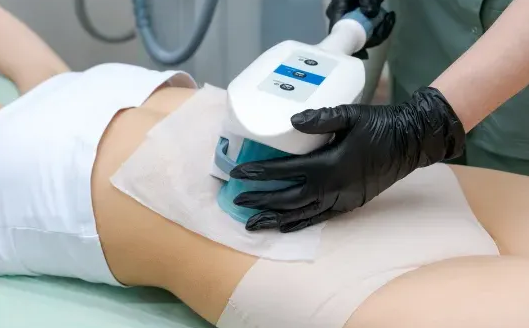
Ultrasonic vs. Cryotherapy: A Comprehensive Comparison of Gentle Fat Loss Methods
In the quest for non-surgical body contouring, ultrasonic fat reduction and cryotherapy have emerged as two leading alternatives to liposuction and other invasive procedures. Both methods promise to reduce localized fat deposits without anesthesia, incisions, or extended recovery periods. However, determining which approach is truly "gentler"—both in terms of physical experience and long-term effects—requires a nuanced evaluation of their mechanisms, benefits, risks, and patient experiences. This expanded analysis delves deeper into each technique, providing a detailed comparative framework to guide informed decision-making.
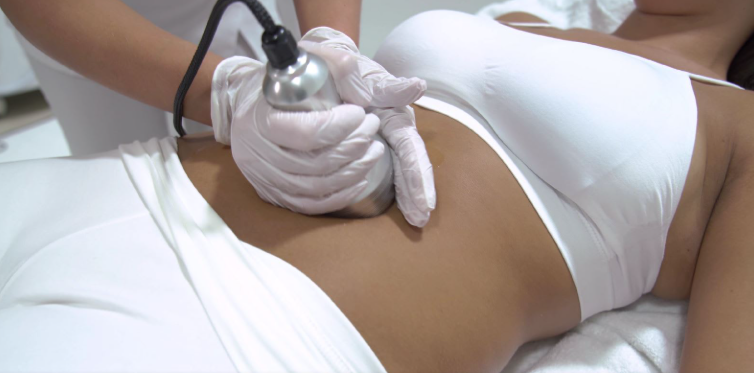
Ultrasonic Fat Reduction: A Gentle Approach Using Sound Waves
Mechanism of Action
Ultrasonic fat reduction, often referred to as ultrasound cavitation, employs high-frequency, low-intensity sound waves (typically 20–40 kHz) to target subcutaneous fat cells. The technology works by:
- Cavitation Effect: Sound waves create microscopic bubbles within the fat cell membranes, causing them to rupture.
- Cellular Disruption: The disrupted fat cells release triglycerides, which are then metabolized by the liver and excreted via the lymphatic system.
- Non-Invasive Application: The device is applied externally, with no need for needles, incisions, or heat.
Key Benefits
- Painless Experience: Patients typically report a warm, tingling sensation akin to a deep-tissue massage, with no discomfort during or after treatment.
- No Downtime: Sessions last 30–60 minutes, and patients can resume normal activities immediately.
- Skin Tightening Potential: Some ultrasonic devices incorporate radiofrequency (RF) energy, which may stimulate collagen production, improving skin elasticity.
- Localized Targeting: Effective for treating stubborn fat pockets in areas like the abdomen, thighs, and flanks.
Considerations
- Variable Results: Efficacy depends on factors such as age, skin elasticity, and hormonal balance. Results may take 6–12 weeks to manifest fully.
- Multiple Sessions Required: Most patients need 6–10 treatments spaced 1–2 weeks apart, increasing overall cost and time commitment.
- Not a Weight Loss Solution: Best suited for body contouring rather than significant weight reduction.
- Contraindications: Unsuitable for pregnant women, individuals with pacemakers, or those with severe liver/kidney dysfunction (due to impaired fat metabolism).
Cryotherapy Fat Reduction (CoolSculpting®): Harnessing the Power of Cold
Mechanism of Action
Cryolipolysis, marketed as CoolSculpting®, uses controlled cooling (−11°C to +5°C) to induce apoptosis (programmed cell death) in fat cells. The process involves:
- Applicator Placement: A vacuum-assisted device draws subcutaneous fat into a cooling panel.
- Crystallization of Fat Cells: The cold temperature freezes fat cells without damaging surrounding tissues (skin, nerves, or muscles).
- Natural Elimination: Over 2–3 months, the body gradually excretes the dead fat cells via the lymphatic system.
Key Benefits
- FDA-Cleared Safety: Extensively studied and approved for non-invasive fat reduction.
- Minimal Discomfort: Patients may feel intense cold initially, followed by numbness; discomfort resolves within 5–10 minutes.
- Short Session Times: Treatments typically last 35–75 minutes per area.
- Long-Lasting Results: Once fat cells are eliminated, they do not regenerate (though weight gain can affect remaining cells).
Considerations
- Post-Treatment Side Effects: Temporary redness, swelling, bruising, or numbness may occur, lasting 1–2 weeks.
- Paradoxical Adipose Hyperplasia (PAH): A rare but reported side effect where fat cells grow larger instead of shrinking (incidence <1%).
- Cost: More expensive per session than ultrasonic fat reduction, with prices ranging from 1,500 per treatment area.
- Multiple Treatments Needed: Some patients require 2–3 sessions per area for optimal results.
Comparative Analysis: Which Method Is Gentler?
1. Comfort During Treatment
- Ultrasonic: Generally more comfortable due to the warm, massaging sensation. However, some patients may find the prolonged vibrations slightly irritating.
- Cryotherapy: Initial cold sensation can be uncomfortable, but numbness quickly sets in. Patients with cold sensitivity or Raynaud’s disease may find this method less tolerable.
Winner: Ultrasonic (for those sensitive to cold).
2. Side Effects and Recovery
- Ultrasonic: Minimal side effects; rare reports of mild bruising or tenderness. No restrictions on physical activity post-treatment.
- Cryotherapy: Temporary swelling, bruising, or numbness are common. Some patients experience transient nerve pain (lasting days to weeks).
Winner: Ultrasonic (fewer and milder side effects).
3. Long-Term Effectiveness
- Ultrasonic: Studies suggest average fat reduction of 1–3 cm per treatment area. Results may plateau after 6–8 sessions.
- Cryotherapy: Clinical trials show 20–25% fat reduction per treatment cycle. Results are more predictable but may require multiple sessions.
Winner: Cryotherapy (more consistent long-term outcomes).
4. Cost-Effectiveness
- Ultrasonic: 600 per session; 6–10 sessions recommended = Total: 6,000.
- Cryotherapy: 1,500 per session; 1–3 sessions per area = Total: 4,500 (for one area).
Winner: Depends on the number of areas treated; cryotherapy may be cheaper for single-area focus.
5. Suitability for Different Body Types
- Ultrasonic: Better for patients with loose skin (due to potential skin-tightening effects). Less effective for fibrous or dense fat.
- Cryotherapy: Works well for pinchable fat bulges; less effective for visceral (intra-abdominal) fat.
Winner: Tied (depends on individual anatomy).
Expert Insights and Clinical Evidence
- Dermatologist Perspective: Dr. Emily Kim, a board-certified dermatologist, notes, “Ultrasonic is ideal for patients who prioritize comfort and skin quality, while cryotherapy is better for those seeking predictable, measurable results.”
- Fitness Expert Opinion: Personal trainer Alex Carter adds, “Neither method replaces diet and exercise, but cryotherapy’s longer-lasting results may motivate patients to maintain a healthy lifestyle.”
- Patient Testimonials: A 35-year-old female patient reported, “Ultrasonic was relaxing, but I needed 8 sessions. My friend tried cryotherapy—she saw results faster but hated the cold.”
Final Recommendations: How to Choose
- Prioritize Comfort? Opt for ultrasonic fat reduction.
- Seek Predictable Results? Choose cryotherapy.
- Budget-Conscious? Ultrasonic may be cheaper long-term if multiple areas are treated.
- Health Considerations:
- Avoid cryotherapy if you have cold urticaria, cryoglobulinemia, or paroxysmal cold hemoglobinuria.
- Avoid ultrasonic if you have a pacemaker or metal implants near the treatment area.
Conclusion
Both ultrasonic and cryotherapy present themselves as gentle alternatives to surgical fat reduction, each with distinct benefits and considerations. Your decision should align with personal comfort, lifestyle, and health goals. With insights from experts and testimonials, it’s clear that understanding your body’s response is key to making the optimal choice. Opt for a consultation with a professional to tailor a fat loss journey that best suits you.
GLM is a specialized beauty instrument factory that produces instruments for a variety of functions, including weight loss devices. We have vacuum negative press, radio frequency fat blasting equipment, frozen fat dissolving machine and EMS body shaping machine. GLM is a 14 year old supplier of beauty instruments with guaranteed quality.https://gdglmbeauty.com/