
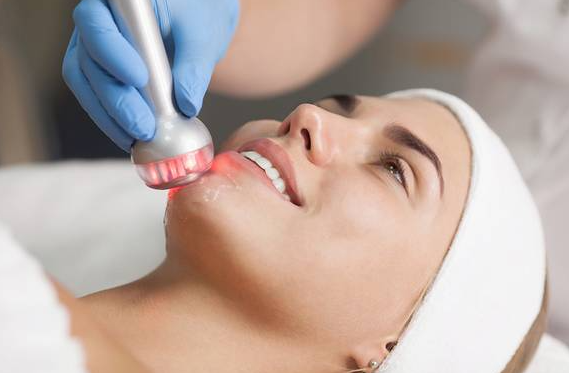
Overview of ultrasonic and radio frequency technology
Ultrasound and radio frequency (RF) technologies are revolutionizing the beauty industry, revolutionizing the beauty treatment landscape by providing cutting-edge skin tightening and rejuvenation solutions. With the precise use of energy, these non-invasive treatments effectively stimulate collagen production, enhance skin elasticity, and significantly reduce the signs of age.
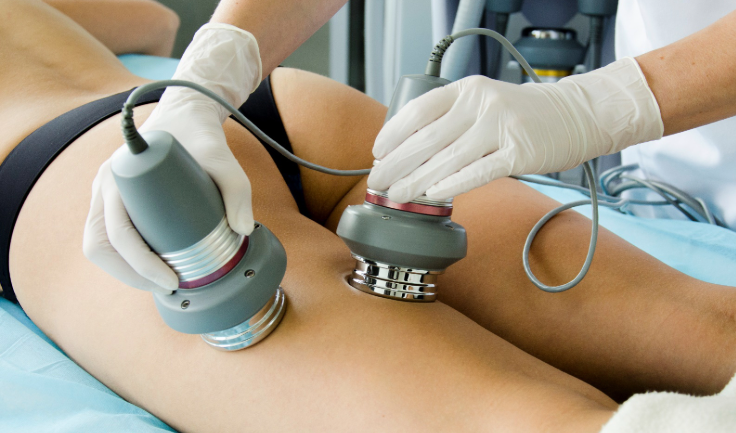
Although the two goals are the same, their operation mechanism and effect are different. Ultrasonic technology relies on sound waves to penetrate deep into the skin; Radiofrequency technology, on the other hand, relies on heat and focuses on the shallow to middle layers of the skin. This key difference is crucial in choosing the therapy that best suits an individual's needs.
Detailed explanation of ultrasonic technology
Ultrasonic technology uses sound waves to cause a vibrating effect deep in the skin. These vibrations not only generate heat, but also activate fibroblasts, which are the producers of collagen. By promoting the synthesis of collagen and elastin, ultrasound therapy significantly improves skin firmness and elasticity.
The core advantage of ultrasonic technology is its ability to penetrate deep into the dermis, the root of skin aging. This feature makes it the preferred solution for problems such as skin sagging and volume loss. Ultrasound is particularly effective in areas where structural support is critical, such as the neck, jawline and cheeks. Coupled with the fact that the treatment process is usually painless and recovery is rapid, ultrasound is ideal for patients seeking progressive and significant results.
Rf technology analysis
Radio frequency (RF) technology uses electromagnetic waves to heat the dermis. This controlled heating process stimulates the regeneration of collagen and elastin, resulting in skin firming and wrinkles smoothing. Unlike ultrasound, RF focuses primarily on the top to middle layers of the skin, making it ideal for improving fine lines and mild sagging.
The distinguishing feature of RF technology is its ability to produce immediate results. The heat causes the collagen fibers to contract, immediately showing a firming effect that is optimized over the next few weeks. Radiofrequency therapy can be applied to a wide range of faces and bodies and can be personalized to different skin types and problems. The treatment process is relatively quick, with most sessions taking only 30 to 60 minutes and being almost painless, providing patients with a comfortable and efficient beauty experience.
Comparative analysis: ultrasonic and radio frequency
Penetration depth
There are significant differences in energy penetration depth between ultrasound and radio frequency. Ultrasound technology is able to penetrate deep into the base layer of the skin and even reach the superficial muscular aponeurotic system (SMAS), which is often dealt with in cosmetic surgery, which makes it excellent at achieving deep lift and structural improvement.
Radiofrequency, by contrast, focuses on the dermis and epidermis, delivering energy to the upper and middle layers of the skin. Therefore, it is more suitable for surface improvement, such as reducing fine lines, improving skin texture, etc. Understanding these differences in depth of penetration is critical to selecting treatments that are appropriate for individual skin problems and treatment goals.

Result and effect
The effect of ultrasound therapy is usually gradual, with significant improvement visible within 2 to 3 months as collagen is gradually produced. These effects can last for a year or more, depending on age and skin condition.
Radiofrequency therapy produces immediate firming effects that continue to improve over the next few weeks. However, the duration of RF effects can be relatively short, typically lasting about six months to a year. Both treatments are effective, but the specific effectiveness depends on the individual's skin type, problem, and desired outcome.
Safety and side effects
Both ultrasound and radiofrequency therapy are considered safe when performed by trained professionals. Ultrasound therapy may cause temporary skin redness or slight swelling, while radiofrequency therapy may cause slight redness or warmth during and after treatment. Serious side effects are rare, but it is important to consult a qualified medical provider to ensure safety.
Treatment experience
The treatment experience is different between the two techniques. Ultrasound treatments typically last 45 to 90 minutes and require precise targeting of deep tissue. Radiofrequency therapy is relatively faster, with an average duration of 30 to 60 minutes, and is generally considered more comfortable because it primarily acts on the superficial skin. Both treatments offer extremely short recovery times, with patients able to resume daily activities immediately after treatment.
Which one is better for firming the skin?
Choosing between ultrasound and radiofrequency largely depends on an individual's treatment goals and skin condition. For younger patients or those with mild to moderate skin relaxation, radiofrequency may be sufficient to meet their tightening needs. Its quick treatment and immediate results make it ideal for busy people.
However, ultrasound may be more suitable for patients with more obvious signs of aging, significant sagging or volume loss of the skin. Ultrasound is more effective because it can penetrate deeper into the skin. Although the effect is slow to appear, it is durable and is ideal for patients seeking comprehensive skin firmness and enhancement.
Combined therapy: ultrasound and radiofrequency
In certain situations, the combination of ultrasound and radiofrequency therapy can lead to superior results. This combination therapy leverages the unique advantages of both technologies, allowing physicians to target multiple layers of skin for a more comprehensive and significant tightening and lifting effect. Specifically, ultrasound technology excels at penetrating into the underlying structural layers of the skin, while RF technology focuses on improving the surface texture and elasticity of the skin.
This combination therapy is particularly beneficial for individuals with complex skin conditions or those seeking a full range of anti-aging effects. However, it is important to seek the advice and guidance of a qualified medical practitioner to determine the best treatment plan for the individual's situation and effectively avoid the risks that may arise from excessive use of energy devices.
Home therapy versus professional therapy
With the popularity of home ultrasound and radio frequency equipment, these high-tech beauty methods have become more accessible and convenient. These home devices are not only easy to operate, but also provide some savings in treatment costs, so they are favored by individuals who want to perform regular skin maintenance.
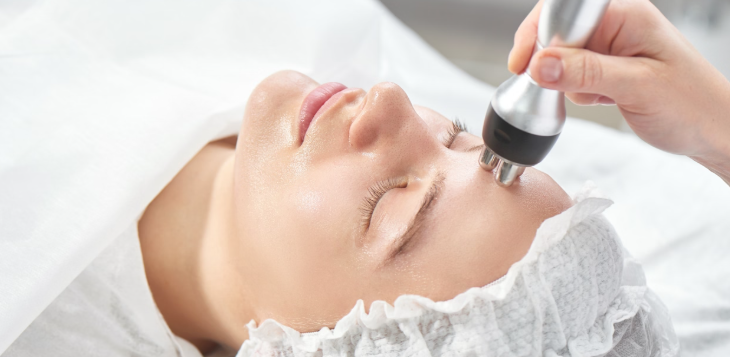
Still, home devices are typically less powerful than specialized medical devices, which may limit their therapeutic effectiveness to some extent. Professional treatment remains the first choice for individuals with more serious skin problems or those seeking a higher level of improvement. In addition, professional medical providers have the expertise to tailor treatment plans to individual needs to ensure that the safety and effectiveness of the treatment process is at its best. Therefore, when choosing treatment, be sure to weigh the pros and cons of home treatment versus professional treatment and make the decision that is best for you.